REVIEW · COLOSSEUM
Rome: Colosseum Access and Self-Guided Virtual Reality Tour
Book on GetYourGuide →Operated by Ancient and Recent · Bookable on GetYourGuide
You can see the Colosseum as Rome once did. This 2-hour experience pairs a 3D VR reconstruction of life in 72 AD with skip-the-line entry to the Colosseum and the surrounding ruins you can explore on your own. I especially like how the VR walkthrough is built around three distinct spaces, and how the staff keep the switch from headsets to ruins quick. One thing to consider: the VR part happens outside the monument for security reasons, and some people feel queasy with headsets.
After the VR, you get a physical entry ticket and you’re free to roam the Colosseum, the Roman Forum, and Palatine Hill at your own pace. It’s a smart way to front-load context, so the stones look less random and more like a working arena and city. You’ll also hear an audio guide during the VR, with multiple language options, so you can choose what works for you (and your kids).
In This Review
- Key points worth knowing
- VR Reconstructions Outside the Monument: What the 72 AD Tour Really Does
- Meeting at the Arch of Constantine: Finding the Staff and Keeping Time
- The Three VR Worlds: Square, Arena Floor, and Underground
- Colosseum Square: Getting Oriented Fast
- Arena Floor: Visualizing the Show
- Undergrounds: The Hidden Machinery of the Arena
- After VR: Your Skip-the-Line Colosseum Entry and Self-Paced Ruins
- What the Audio and Headset Assistant Add (Especially for Families)
- Price and Value: Why $66.07 Can Make Sense Here
- Practical Tips That Actually Help at the Colosseum Area
- Wear comfortable shoes
- Plan around what you can’t bring
- Bring ID for children
- Expect the VR to happen outdoors
- If you’re sensitive to motion or headsets
- Who Should Book This VR + Skip-the-Line Combo
- Should You Book the Colosseum Access + VR Tour?
- FAQ
- How long is the Colosseum Access and Self-Guided Virtual Reality Tour?
- Where do I meet the staff?
- What VR locations are included in the experience?
- Is the VR experience inside the Colosseum?
- Does the ticket include entry to the Roman Forum and Palatine Hill?
- Do I get access to the Underground, Arena Floor, or Third Ring during the real visit?
- What languages are available for the audio guide?
- What should I bring and what can’t I bring?
- What is the cancellation policy?
Key points worth knowing
- Three VR stops: Colosseum Square, the Arena Floor, and the Underground world
- Skip-the-ticket-line time saver: VR first, then you collect entry and go in
- Self-paced ruins after VR: Colosseum, Roman Forum, and Palatine Hill with your own route
- Audio in several languages: English, Italian, Spanish, German, French, and Portuguese
- Real-world limits: the VR is outside the monument; you don’t get Underground/Arena/Third Ring access in person
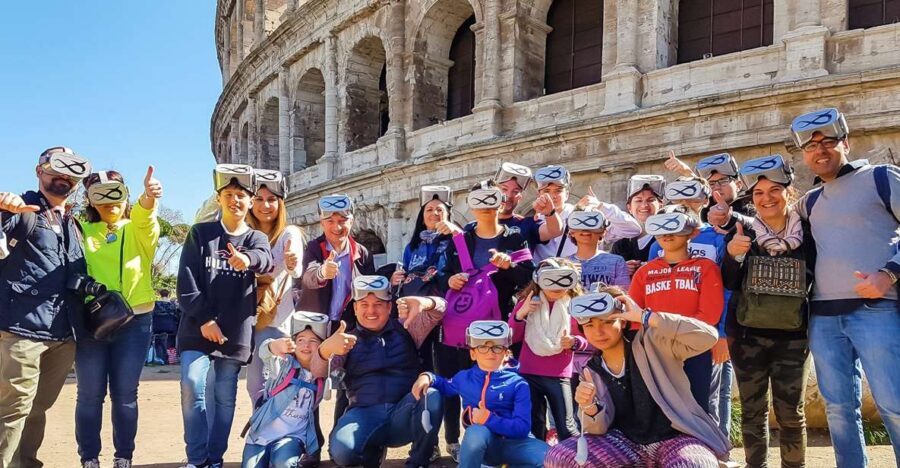
- Works well for families: setup help is part of the experience, including tricky stroller situations
VR Reconstructions Outside the Monument: What the 72 AD Tour Really Does
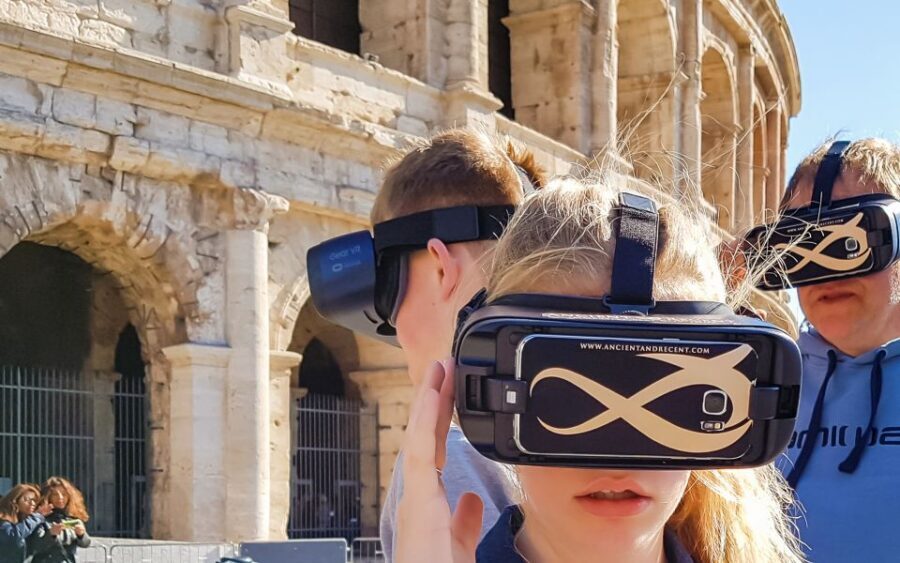
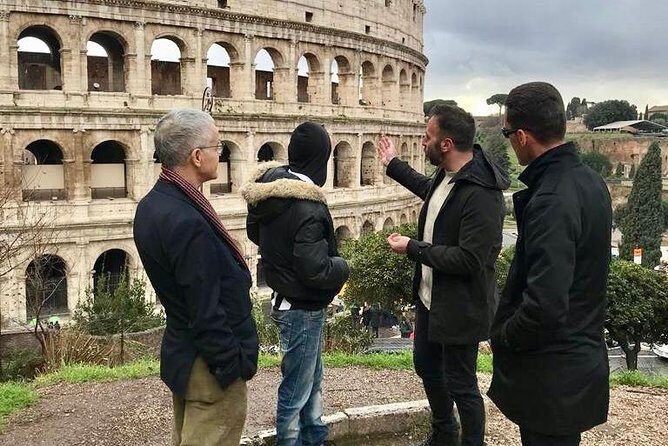
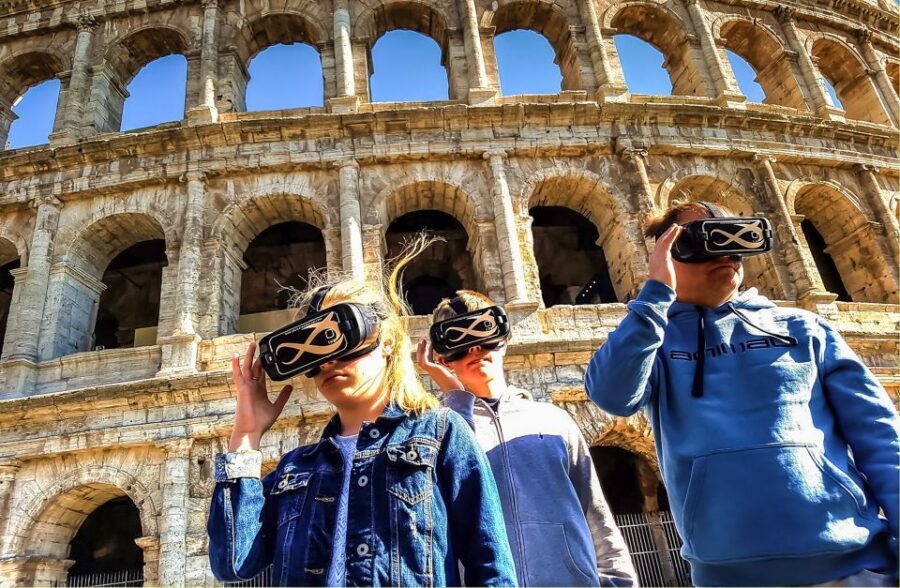
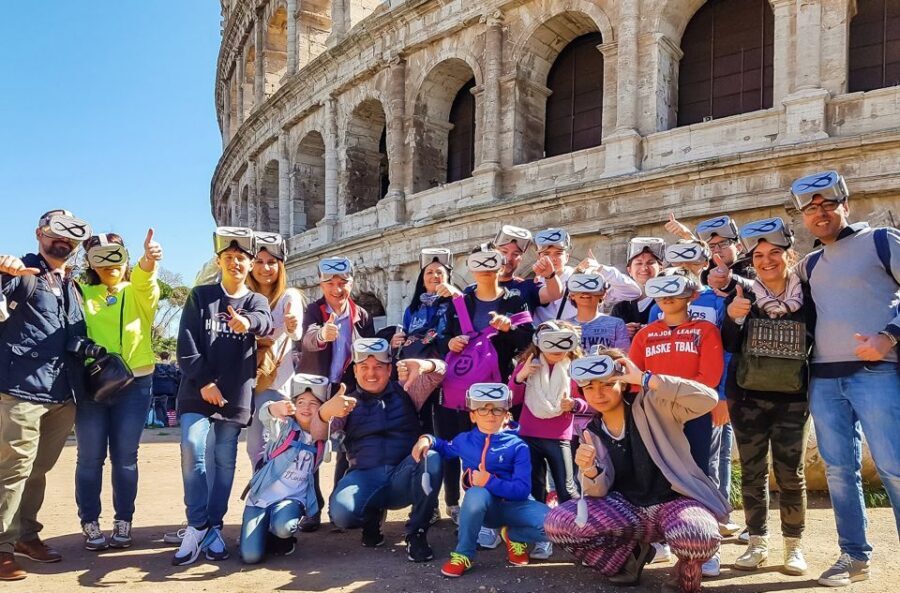
The best part of this tour is the sequence. You start with the VR, not with a pile of facts or a crowded group shuffle. You meet staff at the Arch of Constantine side of the Colosseum, and they hand you a next-generation VR headset. Then the experience takes you back to 72 AD, showing the Colosseum as it would have looked and felt in its heyday.
In the VR, you don’t just watch a screen. You move through a guided 3D reconstruction with an audio guide, and the story is organized into three spaces that make the building understandable. That matters because the Colosseum can feel confusing when you’re standing in it. VR gives you a mental map before you deal with the scale and crowds outside.
Two things I like a lot:
- The VR is structured like a visit, not like a video. You go square → arena → underground.
- The audio guide and staff support make it easier for kids and first-timers to keep up.
And yes, a heads-up from real-world experience: some people feel queasy with VR headsets. If you’re prone to motion sickness, I’d plan for breaks and take it slow with the headset.
Other VR & multimedia Ancient Rome experiences

Meeting at the Arch of Constantine: Finding the Staff and Keeping Time
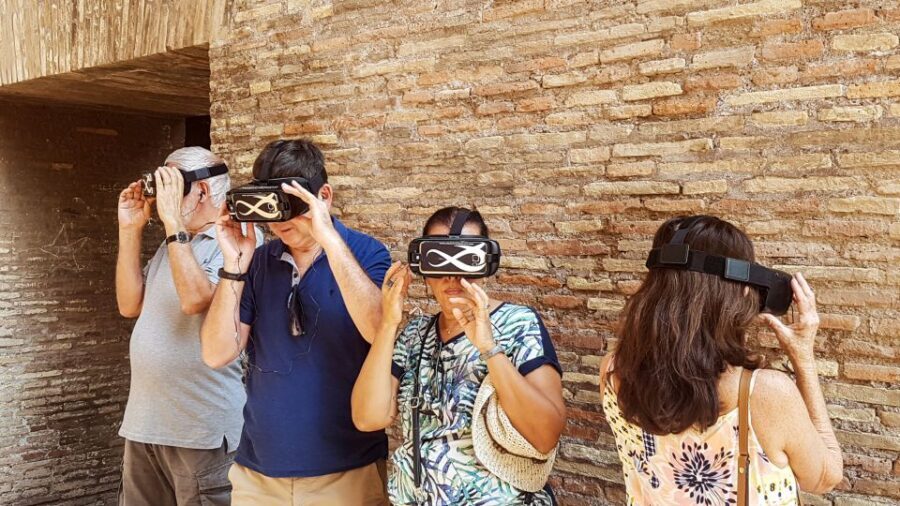
Meeting point clarity is everything at the Colosseum area. Here, you start at the Arch of Constantine at the side of the Colosseum. Look for a staff member holding a black flag with Ancient and Recent written on it. The tour ends back at the meeting point after the VR and ticket handoff.
Duration is listed as about 2 hours, but starting times vary. In other words: build your day plan around a fixed slot, not a vague morning idea.
One practical note: VR is held outside the monument for security reasons. That’s normal for this style of experience, but it also means weather can affect your comfort. If you visit on a hot day, you might appreciate the fact that the staff can sometimes steer you to a shadier spot while you wait.
The Three VR Worlds: Square, Arena Floor, and Underground
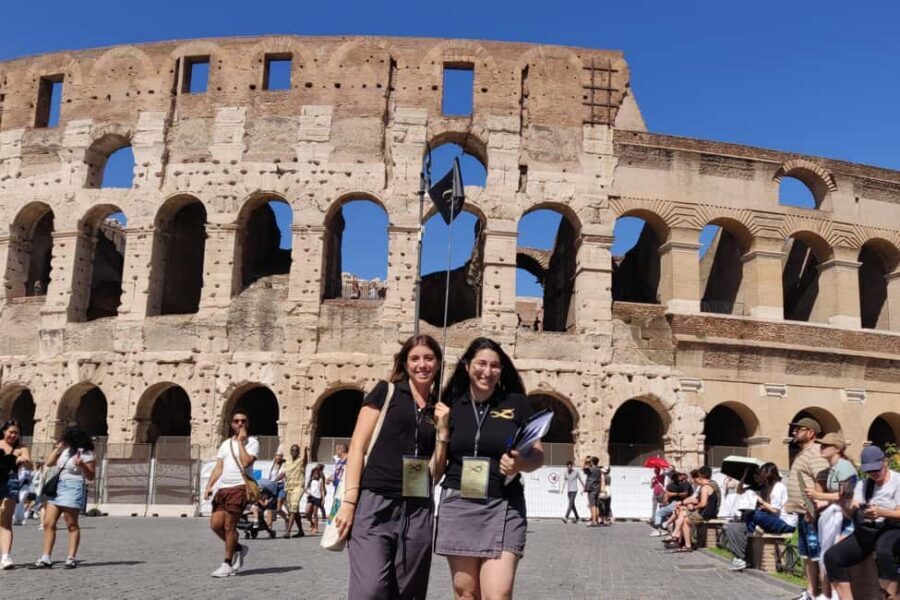
This experience is built around three detailed reconstructions, each teaching a different part of the Colosseum story. Here’s what each one is for, and why it helps when you later walk the real site.
Colosseum Square: Getting Oriented Fast
First comes the Colosseum Square. You see bustling activity—merchants, citizens, and gladiators preparing. This part works because it stops the Colosseum from being just a big, empty stone shell. You begin to understand how people would have approached the arena, how the mood would have felt, and why the building was more than architecture.
If you like travel experiences where you understand the setting before you read plaques, this is the right opening act. It also sets expectations for the scale. The square makes the arena look like a destination, not a random ruin.
Arena Floor: Visualizing the Show
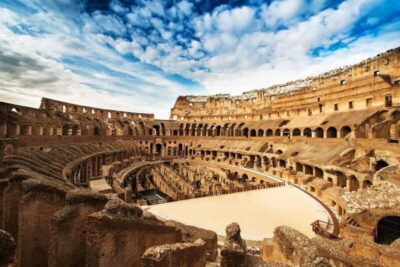
Next is the Arena Floor. You’re standing in the heart of the action, where fierce combats once thrilled Roman crowds. This is the moment that makes a lot of first-time visitors go, oh, that’s what I’m looking at.
The Arena Floor reconstruction is especially helpful if you don’t enjoy only walking and then trying to imagine what’s missing. VR fills in those gaps so the real walk-through later feels less like wandering and more like recognition.
Other guided tours in Colosseum


Undergrounds: The Hidden Machinery of the Arena
Third is the Undergrounds reconstruction. This is where the Colosseum stops being only about spectacle and becomes about logistics—wild animals and fighters waiting below. It’s a big part of the Colosseum’s story, because it shows the building as a system built to move people and props into place.
Important limitation: while the VR includes the underground world in reconstruction form, your in-person ticket for this package does not include access to the Underground (nor the Arena Floor or the Third Ring). So you’ll get the underground context through VR, but you shouldn’t expect a physical walkthrough below ground during the self-paced ruins portion.
After VR: Your Skip-the-Line Colosseum Entry and Self-Paced Ruins
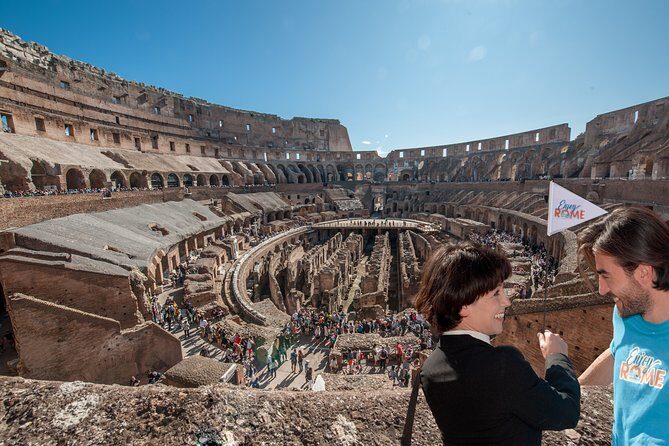
Once the VR experience finishes, you collect your entry ticket from staff. Then you can visit at your own pace: the Colosseum, the Roman Forum, and Palatine Hill.
This is where the value logic clicks. You’re paying for two things:
- A structured way to understand the Colosseum (the VR).
- Practical access to three major sites, without the long ticket desk delay.
The self-paced part is a real advantage. Group tours can be great, but they often force you to march. Here, you can slow down where your interests land—whether that’s walking into the Colosseum for the views, stepping into the Forum for the street-level feeling of old Rome, or spending time on Palatine Hill.
Just keep in mind what is not included. Your ticket does not cover Underground access, Arena Floor access, or the Third Ring. If those are top priorities for you, you’ll want to look for a different ticket option.
What the Audio and Headset Assistant Add (Especially for Families)

The headset experience includes an audio guide and you can choose languages during booking: English, Italian, Spanish, German, Portuguese, or French (the exact language depends on your selection). That’s a big deal at the Colosseum, where signage is fine but not always enough to connect the dots quickly.
And then there’s the human help. The VR part uses an English-speaking VR assistant, plus you have staff on hand at the meeting point and during the headset handoff. Several guide names show up in the helpful staffing culture: Sara, Rebekah/Rebecca, Claudia, Eleonora, Kristina, Stefania, Valeria, Ruben, Cristina, and Marco. The common thread isn’t the name. It’s the support style.
If you’re traveling with kids, this matters. Stroller situations can get messy in crowded areas, and one reason this tour gets strong feedback is that staff tend to handle setup carefully—so the family part doesn’t turn into a stress test.
Price and Value: Why $66.07 Can Make Sense Here
The price is listed at $66.07 per person. At first glance, you might think, this is a lot for a VR headset and some standing. But when you look at what’s included, it becomes easier to judge.
Included in the price:
- VR headset rental (plus audio commentary)
- An entry ticket covering the Colosseum + Roman Forum + Palatine Hill
- The physical ticket/fee (the Colosseum ticket cost of 18 euro is included)
- A booking service/fee and third-party insurance
What you’re really buying is a shortcut to start strong. You’re not spending the first half of your day trying to understand what you’re about to see while you’re also dealing with ticket lines. The VR sets the stage, then the skip-the-line entry gets you onto the ruins quickly.
Is it cheaper than buying tickets yourself? Possibly. Is it more time-friendly than doing it solo while you figure out lines and logistics on the fly? That’s where it earns its keep. For many people, saving even a bit of time at this site is what makes the visit feel smoother.
Practical Tips That Actually Help at the Colosseum Area
A few details matter more than they seem, especially when you’re adding VR to an already busy day.
Wear comfortable shoes
You’ll be walking inside the Colosseum and around the Roman Forum and Palatine Hill. The ground can be uneven in places. Choose shoes you can stand in comfortably.
Plan around what you can’t bring
Luggage or large bags aren’t allowed. If you’re arriving with a backpack, keep it manageable. If you’re traveling with kids, plan for small essentials only.
Bring ID for children
If you’re visiting with children, bring passport or ID cards for them.
Expect the VR to happen outdoors
The VR portion is held outside the monument for security. Bring a hat, water, and a light layer if the weather flips.
If you’re sensitive to motion or headsets
Some people get queasy with VR. If that’s you, consider shorter headset sessions (if allowed by staff), take a slow pace, and don’t force it through discomfort.
Who Should Book This VR + Skip-the-Line Combo
This is a great fit if you want:
- A better first understanding of the Colosseum before you walk in
- A visit that’s not only a lecture, and not only a line-up of group facts
- A smoother experience for kids and teens who like interactive learning
- The freedom of self-paced time after the VR
It may not be ideal if:
- Underground/Arena Floor/Third Ring access is a must for you in person
- You dislike headsets or are strongly prone to motion sickness
- You want a live guide walking next to you through every ruin (this package does not include a live guide)
Should You Book the Colosseum Access + VR Tour?
If your goal is to understand what you’re seeing fast and then enjoy the Colosseum and the Forum area on your own schedule, I’d book it. The combination of structured VR context plus skip-the-line entry is a practical win, especially if you’re visiting with family or you don’t want to spend your first hour piecing together what the building is.
I’d pass or switch to another option if you specifically want to access the Underground, Arena Floor, or Third Ring during the real visit. This experience can teach you those spaces through VR, but it doesn’t include physical entry to them.
If you’re on the fence, think about this: do you want the Colosseum to feel like a collection of stones, or do you want it to feel like a working arena and a living city? This tour leans hard toward the second option.
FAQ
How long is the Colosseum Access and Self-Guided Virtual Reality Tour?
It’s listed as a duration of about 2 hours. Starting times vary, so you’ll want to check availability for the slot you prefer.
Where do I meet the staff?
You meet at the Arch of Constantine side of the Colosseum. Look for staff holding a black flag with Ancient and Recent written on it.
What VR locations are included in the experience?
The VR reconstruction includes the Colosseum Square, the Arena Floor, and the Undergrounds.
Is the VR experience inside the Colosseum?
No. The virtual reality experience is held outside the monument for security reasons.
Does the ticket include entry to the Roman Forum and Palatine Hill?
Yes. Your included entry covers the Colosseum, the Roman Forum, and Palatine Hill.
Do I get access to the Underground, Arena Floor, or Third Ring during the real visit?
No. Access to the Underground, Arena Floor, and the Third Ring is not included.
What languages are available for the audio guide?
You can choose from English, Italian, Spanish, German, French, or Portuguese during booking.
What should I bring and what can’t I bring?
Wear comfortable shoes. For children, bring a passport or ID card. Luggage or large bags are not allowed, and unaccompanied minors aren’t allowed.
What is the cancellation policy?
The activity is non-refundable.