REVIEW · ROME
Colosseum with Arena Floor, Palatine Hill & Forum Tour
Book on GetYourGuide →Operated by City Wonders Ltd. · Bookable on GetYourGuide
Step into the gladiators’ footsteps. This tour is built around Arena Floor access through the Gladiator’s Gate, then it layers on the Roman sites that make the Colosseum feel like more than a postcard. I especially like the guided storytelling that explains how the Colosseum worked, and I like the fact that you don’t stop at one monument—you get the Roman Forum and Palatine Hill too. The main drawback to plan around is security checks at the Colosseum, which can add delays.
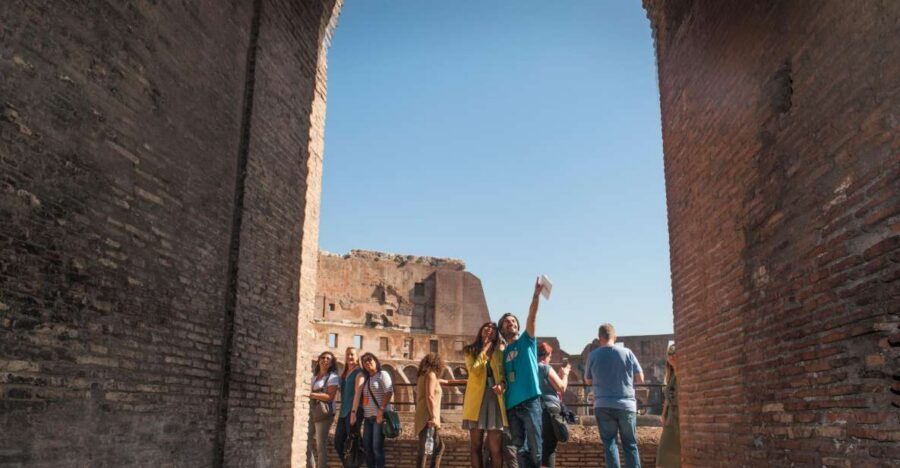
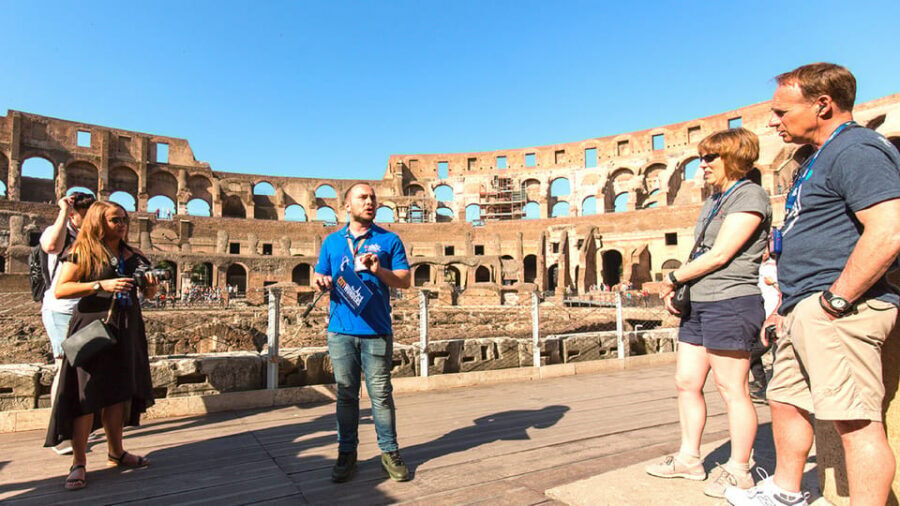
You’ll move through the Colosseum first, then spend time on the Forum and Palatine with a live English guide. Group sizes are capped (up to 10 for semi-private if you choose it, or up to 15 for small group), and the tour format keeps things active rather than sleepy. Based on what I’ve seen in feedback, guides like Serafina, Fabio, Amile, and Elisabeth are repeatedly praised for making complex archaeology feel clear and fun, often using headsets so you can hear without craning your neck in the noise.
In This Review
- Gladiator’s Gate and Arena Floor access you can actually feel
- The second tier: seeing the Colosseum like a crowd
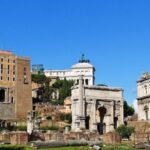
- Roman Forum: the political heart you can walk through
- Palatine Hill: the uphill payoff and skyline view
- What the guide format gets right (and why headsets help)
- Tour timing and pacing: 1.5 to 3 hours with real site changes
- Price and value: what you’re truly paying for
- Meeting point at Largo Gaetana Agnesi (and the metro route that saves time)
- What to bring: ID, shoes, and how to stay sane with security
- Who this tour suits best (and who might want a different plan)
- Should you book this Colosseum Arena Floor + Forum + Palatine tour?
- FAQ
- How long is the Colosseum with Arena Floor, Palatine Hill & Forum tour?
- Where do I meet for the tour?
- What access do I get at the Colosseum?
- Is the tour guide English-speaking?
- Is this tour a small group?
- What do I need to bring and what can’t I bring?
- Do I need to provide my full name and matching ID for entry?
Gladiator’s Gate and Arena Floor access you can actually feel
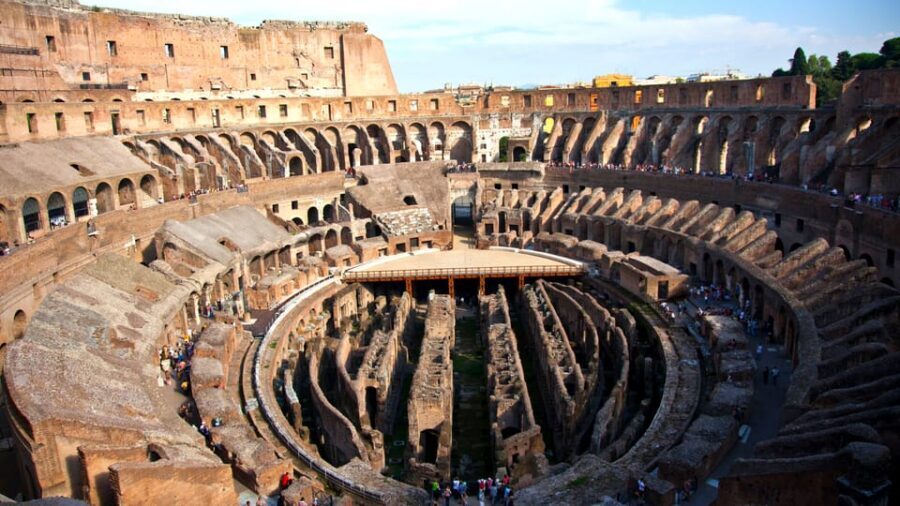
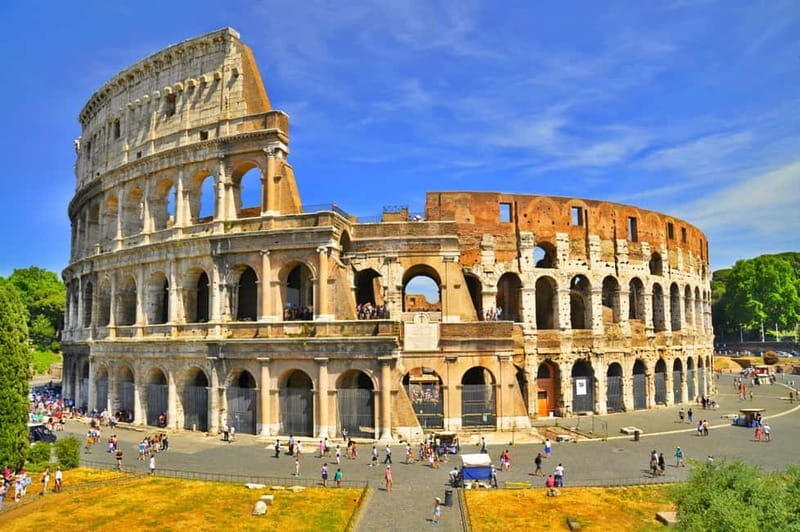
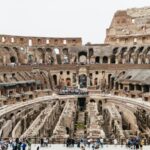
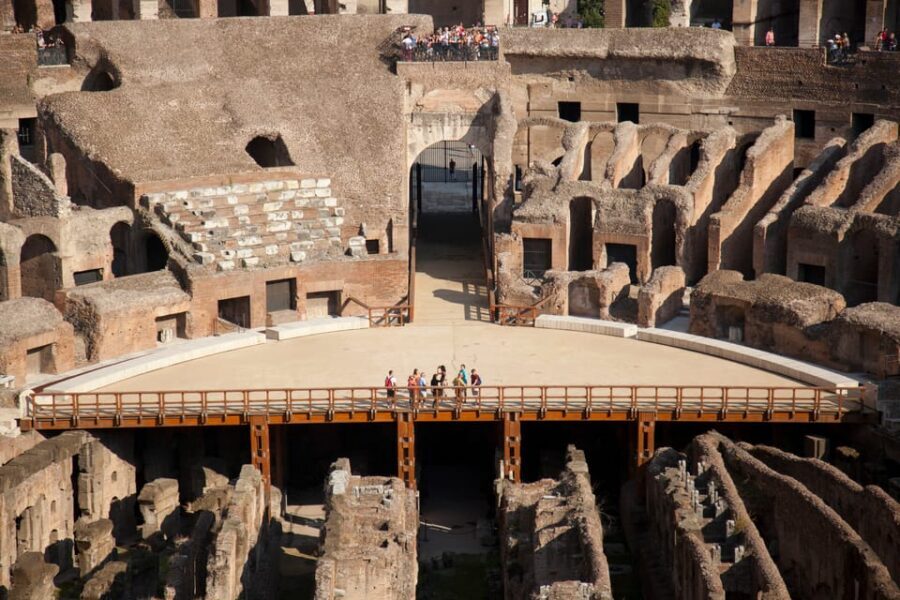
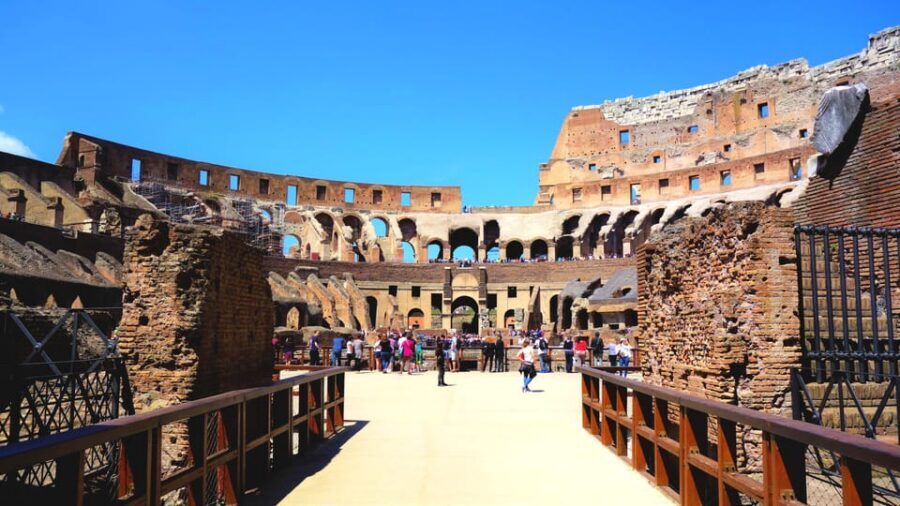
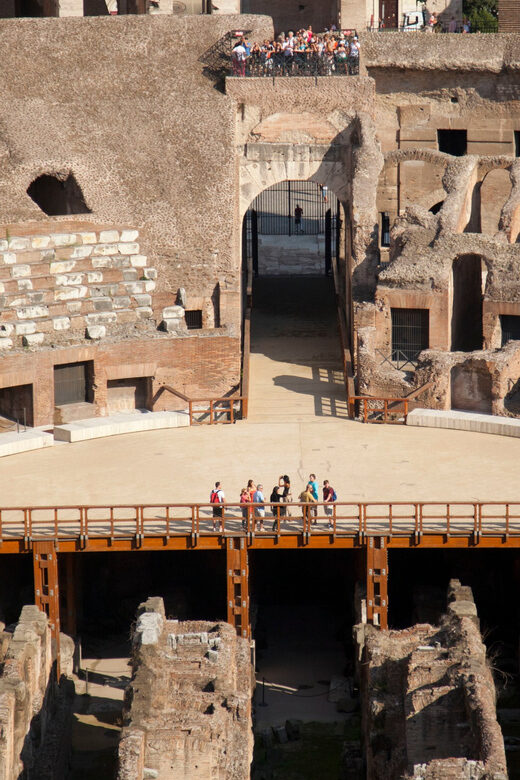
The headline is the Arena Floor route—entering the Colosseum through the Gladiator’s Gate and stepping onto the partially reconstructed arena space. That’s the part most people want, but it’s also the part that can be hard to get on your own. Here, it’s packaged with a guide who can connect what you’re looking at to how gladiators and organizers used the building.
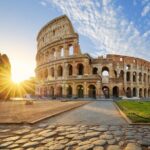
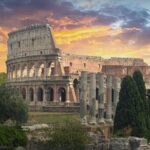
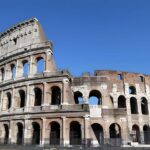
Once you’re on the arena, you quickly understand why this spot hits so hard. From street level, the Colosseum isn’t just stone; it’s a machine for movement. You can picture where performers waited, where officials watched, and how spectacles played out across the floor area. The partial reconstruction matters here. Even though you’re not walking on the original surface, you’re standing in the right zone to grasp the layout.
I also like that you’re not rushed through a single photo moment. The tour is structured so you get time on the floor, then the experience escalates upward to the second tier, where the building’s scale becomes obvious. For many visitors, the arena access turns the rest of the tour into a meaningful storyline rather than a collection of views.
The second tier: seeing the Colosseum like a crowd
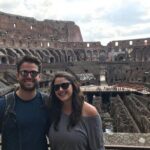
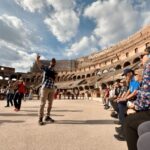
After the arena, you ascend to the second tier. This change in height isn’t just about better photos. It changes your mental map. From higher up, you can see how the seating wrapped around the central space and how different levels would shape sightlines.
This is where the Colosseum starts to feel social. In your head, you’ll be able to layer in what the space was designed to do: pack large crowds into a bowl, keep them cheering, and funnel energy toward the arena where the action happened. Your guide’s commentary is key at this stage because the building can look confusing if you only rely on imagination. With guidance, the details start to click—passageways, walls, and structural choices that explain how the venue held up over time.
If you’re the kind of traveler who likes to “read” architecture instead of just admire it, the second-tier segment is the payoff. It’s also a good moment to slow down and look around. You’ll have a vantage that makes the monument feel less like a single attraction and more like a whole event ecosystem.
Other Palatine Hill tours we've reviewed
Roman Forum: the political heart you can walk through
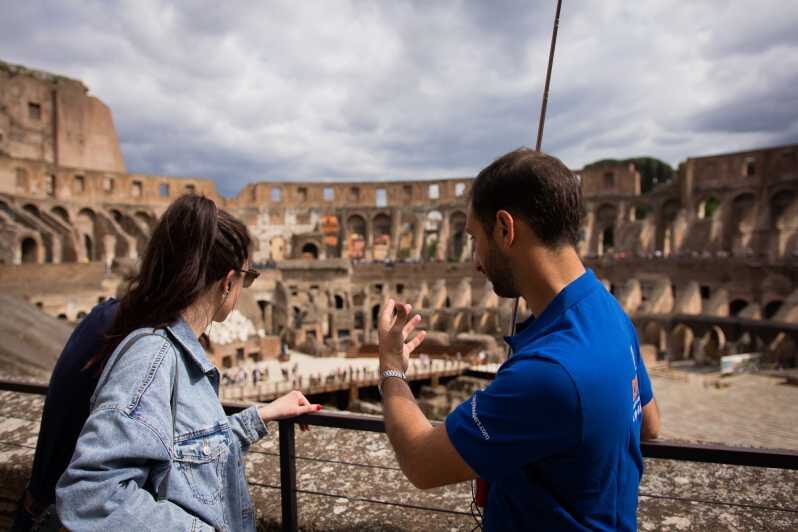
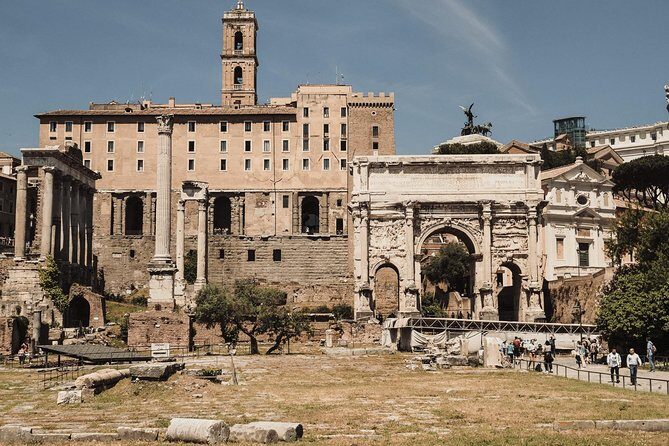
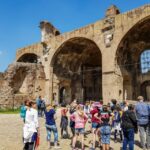
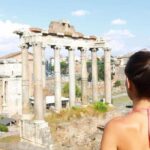
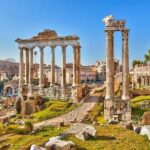
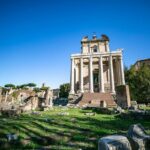
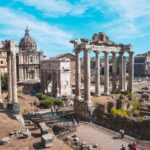
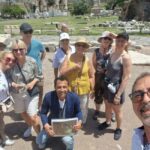
Next you shift from the spectacle of the arena to the political pulse of the city at the Roman Forum. This stop is short—about 30 minutes—but it’s timed well. After the Colosseum, your brain is already in “Ancient Rome mode,” so the Forum lands as a natural continuation instead of a second, separate site.
What makes the Forum compelling is the way it shows consequence. It’s not just columns and broken stones; it’s where public life happened and where major events played out. With a guide, you can connect what you’re seeing to why the Forum mattered in the first place—power, civic identity, and the daily rhythm of government and ceremony.
In practical terms, this segment also acts like a contrast filter. The Colosseum is about mass entertainment. The Forum is about decision-making and reputation. That contrast is one reason this combo works better than pairing the Colosseum with something random.
One caution: because the Forum stop is limited, it’s not the best fit if you want to linger for long, quiet wandering. If your travel style is slow and contemplative, plan to treat the guided portion as the ignition, then return on another day if you want extra time.
Palatine Hill: the uphill payoff and skyline view
To close, there’s a short uphill walk to Palatine Hill for panoramic views of the Roman Forum and Circus Maximus. Palatine gets described as the first nucleus of Ancient Rome, and even if you’re not a textbook person, you’ll feel why people cared so much about this ridge.
This is the “look back” stage of the tour. After you’ve walked through the Colosseum’s event space and the Forum’s civic spaces, the views from Palatine help you assemble the city in your head. The building blocks you saw earlier start to relate to each other—Forum below, major landmarks around, and the sense that the city’s center wasn’t one fixed place but a network of hubs.
If you enjoy viewpoints that also explain something, Palatine delivers. Your guide’s commentary matters again here, because without it, you might just see scenery. With it, you get a perspective shift: you see why this area was associated with status and origins, not just because it looks good.
What the guide format gets right (and why headsets help)
This tour runs with a live English-speaking local expert guide. That sounds standard, but the execution makes a difference in a monument like the Colosseum, where noise, crowd flow, and sightline angles can ruin your focus.
In feedback, guides such as Fabio are specifically noted for making the audio setup work smoothly—headsets checked at the start and spares ready if something fails. That kind of attention helps you stay present with the information instead of constantly asking people to repeat themselves.
I also like the repeated theme of guide enthusiasm and Q&A. When a guide is comfortable explaining what you’re seeing, the whole visit becomes easier to remember later. You don’t just take photos; you take a mental model. That’s the real value of a guided tour here, especially if you want to understand things like how access points, levels, and structure connect to the events that happened inside.
Tour timing and pacing: 1.5 to 3 hours with real site changes
The stated duration is 1.5 to 3 hours, depending on starting time and how the schedule plays out. Inside that window, you’ll cover three big areas: the Colosseum with about two hours of guided time, then a 30-minute Roman Forum segment, then about 30 minutes on Palatine Hill.
This timing is a useful middle ground. You’re not committing a whole day, but you also aren’t doing the too-fast “see everything from a distance” version. The pacing works because the stops escalate: arena first, then crowd-level views, then city-life landmarks, then panoramic geography.
The one thing you should keep realistic is how security can affect the start of your visit. The tour warns about mandatory security checks and random identity checks at the Colosseum. If you arrive already stressed about time, that stress can leak into the experience. Give yourself a little buffer, and you’ll enjoy the tour more.
Other Colosseum Arena Floor tours bundled with the Forum
Price and value: what you’re truly paying for
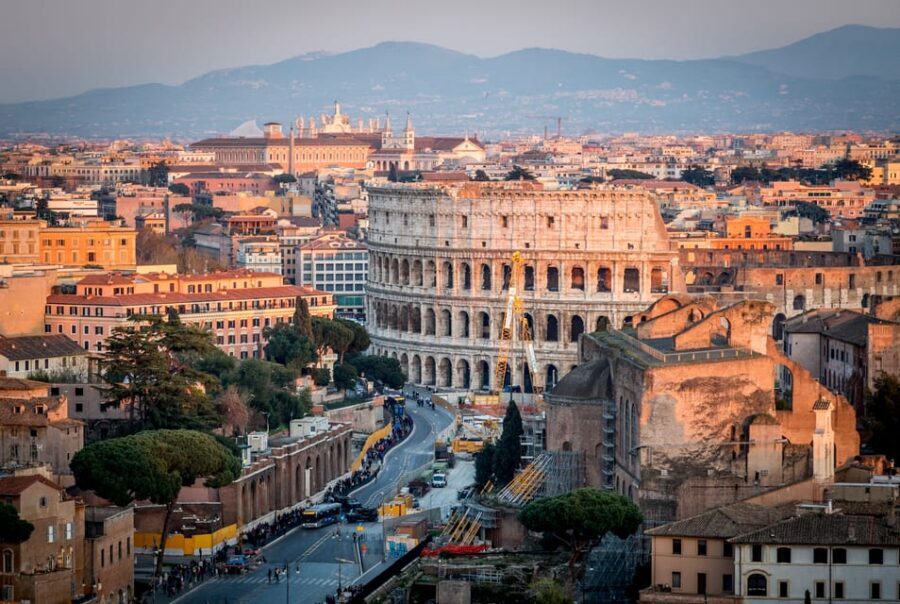
Price is listed at $53 per person, with included essentials that matter most: an English guide, Colosseum entry with Arena (€24), exclusive access to the Arena Floor, and entrance for the Roman Forum and Palatine Hill.
Here’s how I think about value for this specific itinerary. If you’re paying for a Colosseum visit anyway, the big question is whether you get access beyond the standard visitor route. This one does, and it’s the expensive-feeling part: arena access via Gladiator’s Gate.
Then you get two more sites included without needing to coordinate separate tickets or transportation. For many people, the savings is less about dollars and more about friction. You show up once, meet one guide, and move through the day with context connecting the locations.
A small group option also helps. Semi-private tours are limited to 10 visitors if selected, and small group tours are capped at 15. With crowds around the Colosseum, smaller groups tend to mean fewer bottlenecks at key viewpoints and smoother movement from stop to stop.
Meeting point at Largo Gaetana Agnesi (and the metro route that saves time)
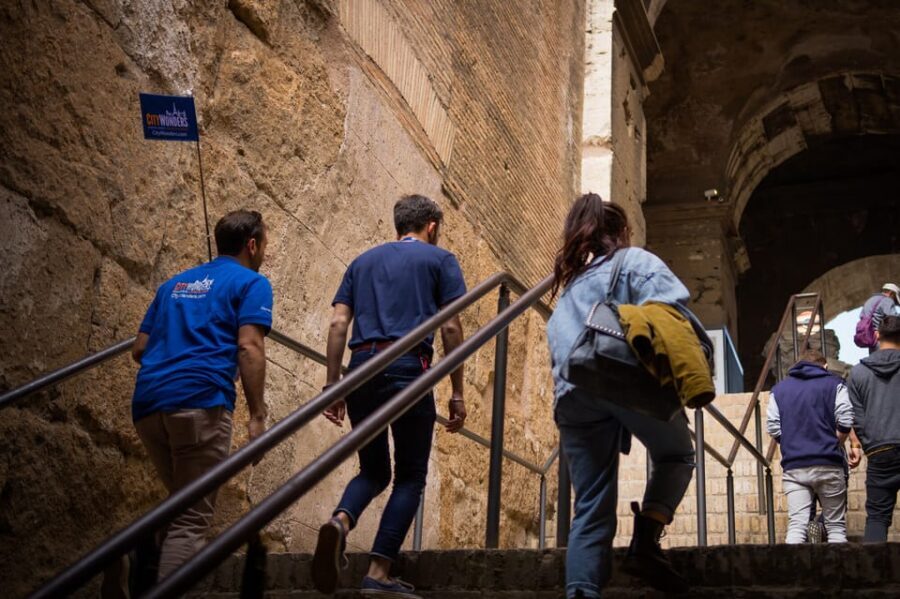
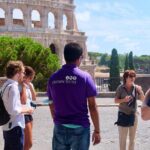
You meet at Largo Gaetana Agnesi, 3, above the 2nd floor of the Colosseo metro stop (Line B/Blue Line). Your guide coordinator wears a blue polo shirt or jacket, so you can spot them quickly.
If you’re arriving by metro, the practical route matters. After you exit the metro turnstiles, take an immediate right down the tiled hall to the escalator or stairs. At the top, go right and up the short flight to exit. Then turn left, go to the stairs ahead on the left, and head for the small oval-shaped square, Largo Gaetana Agnesi, with views of the Colosseum.
If the metro stairs are closed, the fallback is to walk down the road on your left, passing the Colosseum until you reach the bend. Continue following Via Nicola Salvi upstairs until you see the square.
This kind of detail matters because the area is dense and directions can be vague when you’re tired. If you follow the route exactly, you reduce the chances of losing 20 minutes while looking for the meeting point.
What to bring: ID, shoes, and how to stay sane with security
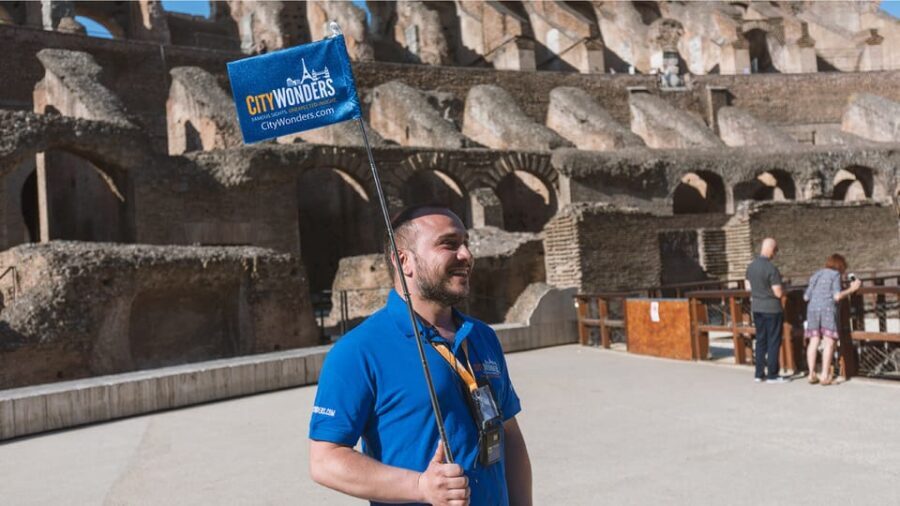
Bring a passport or ID card. Your full name must be submitted at booking, and staff can refuse entry if the name on your ticket doesn’t match your ID. Also, random identity checks can happen at the Colosseum, so keep your ID ready rather than buried in a bag.
Wear comfortable shoes. This is not a “dress up and glide” tour. You’ll be on your feet moving between three zones, including an uphill walk to Palatine Hill.
Luggage or large bags are not allowed. That means pack light. If you’re used to carrying a large day bag, switch habits before you arrive, or you may end up dealing with limitations that slow you down.
And yes, security delays can happen. The tour specifically warns that security checks can take longer than expected. If you build in breathing room, you’ll keep the day enjoyable instead of turning it into a race.
Who this tour suits best (and who might want a different plan)
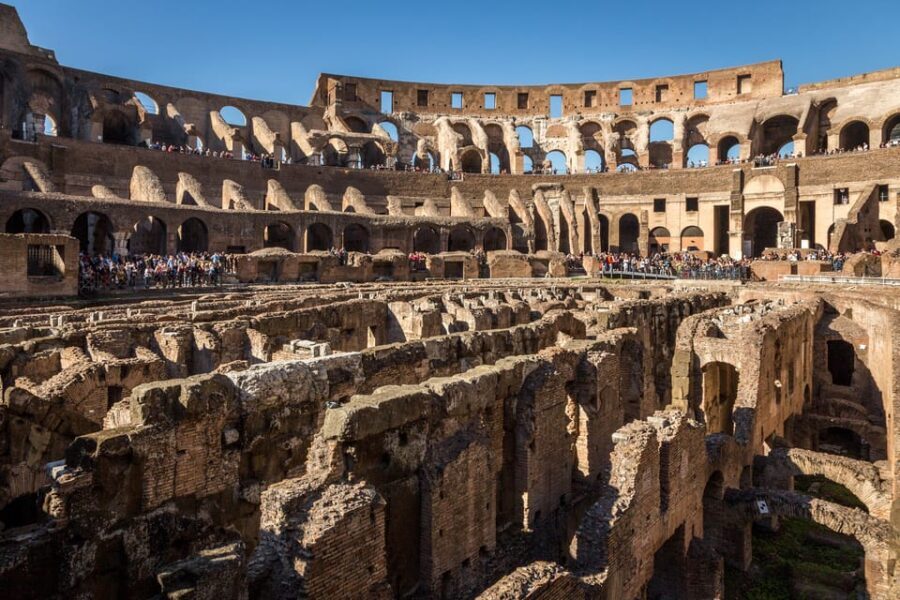
This tour is a strong fit if you want three headline Roman sites without spending time figuring out logistics. It’s also great if you’re curious about the Colosseum as a working venue, not only as a monument. The Arena Floor access and second-tier viewpoint make it especially worth it for people who like to understand how spaces operated.
It’s also a good choice if you prefer small groups. With caps at 10 or 15 visitors depending on the option, you usually get a better chance to hear the guide and keep your momentum.
It may be less suitable if you need wheelchair access, since the tour is not suitable for wheelchair users based on the provided info. It may also feel tight if you’re the type who wants to linger for long stretches at each site, because the Forum and Palatine segments are time-limited.
Should you book this Colosseum Arena Floor + Forum + Palatine tour?
If you care about the Colosseum most of all, this is one of the simplest ways to get onto the Arena Floor through the Gladiator’s Gate. The itinerary also makes sense: arena first, then civic Rome, then a viewpoint that ties it all together.
I’d book it if you want:
- Arena Floor access included in the ticket price
- A live English guide with time on the second tier and clear explanations
- Two extra major sites added without extra planning
- A smaller group experience in a high-crowd area
I’d think twice if:
- You’re extremely sensitive to delays from security checks
- You dislike uphill walking, even if it’s short
- You need more time than 30 minutes for the Forum and 30 minutes for Palatine
FAQ
How long is the Colosseum with Arena Floor, Palatine Hill & Forum tour?
The tour duration is listed as 1.5 to 3 hours, depending on availability and starting time.
Where do I meet for the tour?
Meet at Largo Gaetana Agnesi, 3, above the 2nd floor of the Colosseo metro stop (Line B/Blue Line). Your coordinator will be wearing a blue polo shirt or jacket.
What access do I get at the Colosseum?
You get Colosseum entry with Arena (€24) and exclusive access to the Arena Floor, entering through the Gladiator’s Gate.
Is the tour guide English-speaking?
Yes. The tour includes an English live guide.
Is this tour a small group?
Yes. There is a semi-private option limited to 10 visitors if selected, or a small group option limited to 15 visitors if selected.
What do I need to bring and what can’t I bring?
Bring a passport or ID card and wear comfortable shoes. Luggage or large bags are not allowed.
Do I need to provide my full name and matching ID for entry?
Yes. All participant names are required at the time of booking, and every participant must carry a valid ID that matches the name on the ticket.