REVIEW · ROME
Rome: Colosseum Underground, Roman Forum Small Group Tour
Book on GetYourGuide →Operated by Let's See Italy · Bookable on GetYourGuide
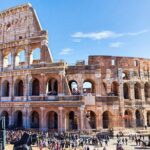
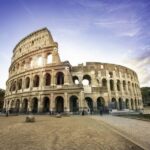
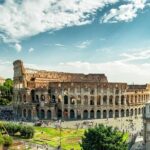
The Colosseum gets scarier when you go underground. This small-group tour gives you special access inside the Colosseum’s subterranean world, plus skip-the-line tickets for the Roman Forum and Palatine Hill, all with a licensed English guide.
I especially like how it compresses the best highlights into a tight 3-hour plan: Colosseum dungeons, a guided look on the arena floor, then the Forum/Palatine views. You also get time to explore the Colosseum’s first and second levels on your own before you wrap up.
One thing to consider: transportation and food aren’t included in the tour information you’ll receive, so plan to arrive ready to walk and grab a meal after.
In This Review
- Key takeaways before you go
- Why this small-group Colosseum plan feels smarter than the big crowds
- Meeting at the Arch of Constantine: the small logistics that prevent stress
- The Colosseum entry: skip-the-line and what you should do first
- Colosseum Underground: the most memorable hour of the day
- Arena floor: photos, perspective, and why the visit lasts just long enough
- Roman Forum + Caesar’s Palace rooms: power, religion, and politics in one walk
- Palatine Hill viewpoints: where the skyline helps the history click
- Price and value: is $234.50 worth 3 hours in Rome?
- What to bring and what to avoid so you don’t lose time
- Who this tour is best for (and who might prefer something else)
- Should you book? My quick decision guide
- FAQ
- How long is the Colosseum Underground and Roman Forum small group tour?
- How big is the group?
- Where do I meet for the tour?
- Does this tour include skip-the-line tickets?
- What parts of the Colosseum are included?
- Is transportation included?
- Is food included?
- What should I bring and what can’t I bring?
Key takeaways before you go
- Reserved, skip-the-line entry saves time so you can spend your energy where it matters
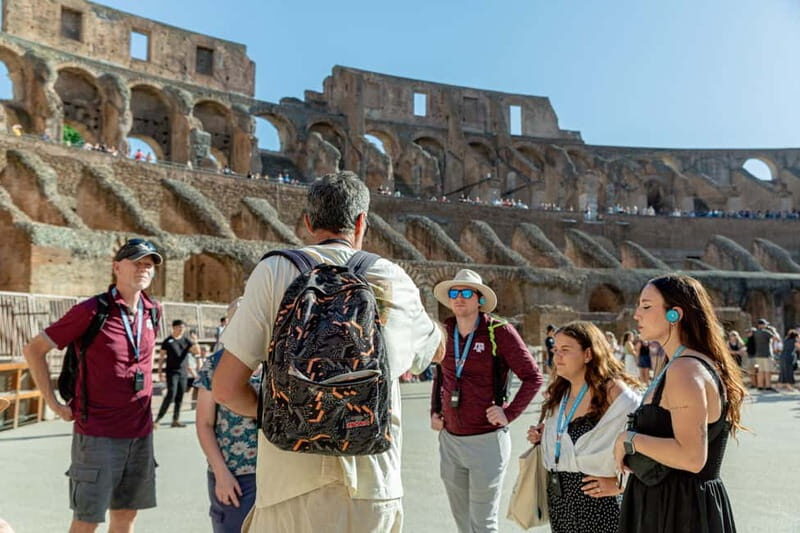
- Small group (max 8) keeps the guide’s attention on your questions and pacing
- Colosseum Underground access includes the working passages used to bring people and animals up to the arena
- Arena floor time with a photo stop helps you understand the scale from the gladiators’ side
- Forum + Palatine stops connect the power, religion, and everyday politics of ancient Rome
- Caesar’s Palace rooms and viewpoint ruins add perspective beyond the standard walkthrough
Why this small-group Colosseum plan feels smarter than the big crowds
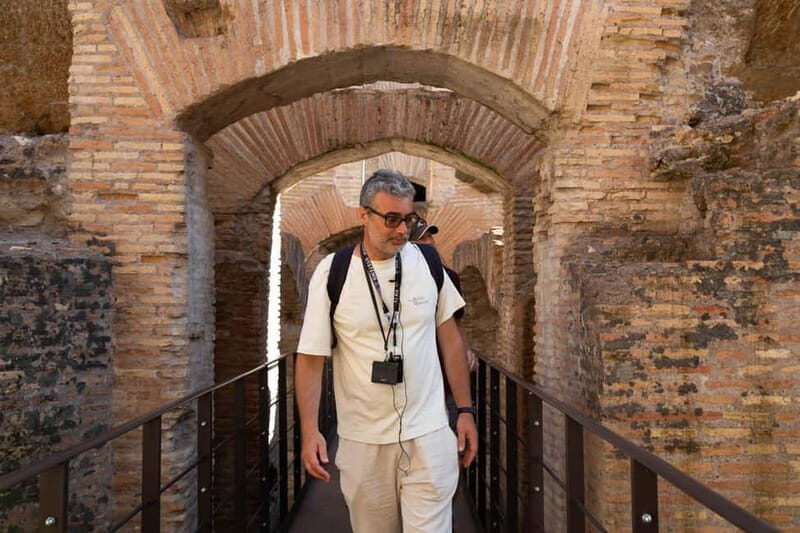
Rome’s top sites attract big groups for a reason: they’re efficient. But efficiency can cost you something. In the Colosseum, time goes to lines, noise, and rushing. On this max-8 format, you move with less friction and more attention from your guide.
That guide is a big part of the value. Several people highlight the experience of understanding the Colosseum better because the explanations are clear and the guide brings personality and humor. When you’re looking at stone that survived 2,000 years, a strong guide turns a collection of ruins into something you can actually picture.
The other advantage is the order and pacing. You’re not just standing at the arena edge and calling it done. You get guided time in the Underground, then a guided visit on the arena floor, then you shift to the Roman Forum and Palatine Hill with reserved access—so your brain builds connections instead of bouncing between disconnected stops.
Other Roman Forum tours we've reviewed
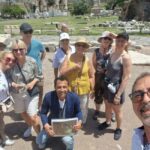
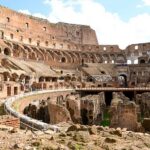
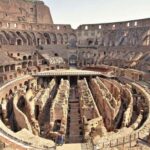
Meeting at the Arch of Constantine: the small logistics that prevent stress
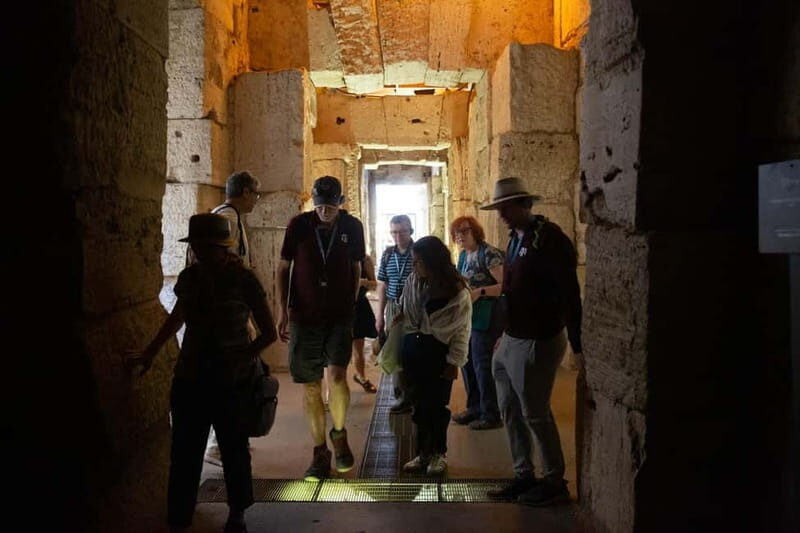
You meet at the Arch of Constantine, on the corner farthest from the Colosseum. The tour coordinator holds a Let’s See Italy sign.
This matters more than it sounds. The meeting point is close to other major sights, so it’s easy to drift into the wrong cluster of people. Aim to be there 20 minutes early to keep everything calm. The coordinators arrive 10 minutes before the start time, so you’ll be in position without last-minute scrambling.
Also bring a passport or ID card. It’s explicitly required. If you forget it, you can lose time—or in worst cases, access.
The Colosseum entry: skip-the-line and what you should do first
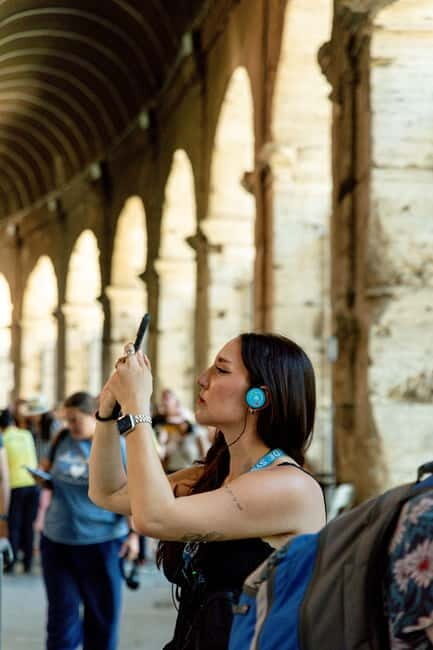
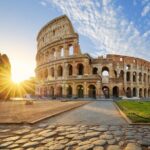
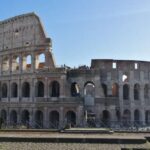
At the Colosseum, the tour uses skip-the-line tickets with reserved entry. That means you start sightseeing instead of standing in a ticket bottleneck. For many people, this is one of the most noticeable quality-of-life improvements on a first visit to Rome’s headline ruins.
Once you’re inside, you’re set up for a two-part experience: first, the guided access moments (Underground and arena floor), then free time to explore the Colosseum’s first and second levels before the tour ends. That free time is useful because it lets you step out of guided mode and take in the scale without feeling rushed.
Practical tip: wear shoes you can stand in for a while. Even though the schedule is tight, you’ll still do real walking and you may move between areas at different elevations. Also plan for crowds inside. Skip-the-line helps, but the Colosseum is still the Colosseum.
Colosseum Underground: the most memorable hour of the day
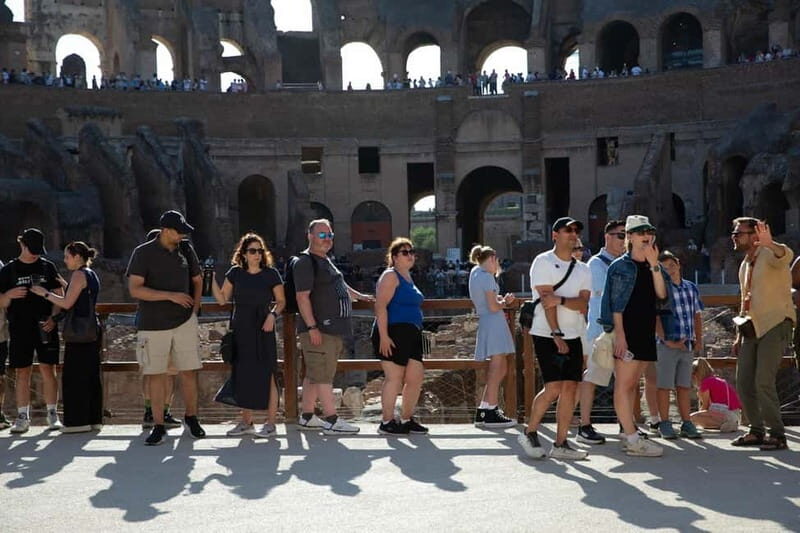
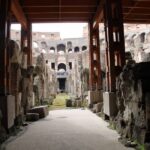
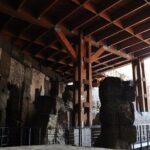
The heart of this tour is the Colosseum Underground. You get about 1 hour of guided time inside the restricted dungeons—a maze of passages, elevators, and trap-door style access points that were used to bring gladiators and animals up to the arena floor.
What makes this so compelling is that it changes your mental picture. Most visits focus on what spectators saw from above. This takes you behind the curtain. You start thinking about the logistics of spectacle: movement, timing, and how quickly control could shift between sections of the arena.
You’ll see how the space functioned, not just what it looked like. When your guide explains how people and animals were staged, the building stops being a set of seats and becomes a machine for turning tension into entertainment.
And yes—this part can feel intense. You’re looking at the physical routes that fed the violence at the top. Several people say it’s shocking and thrilling, and I get why. It’s not cozy history; it’s history with gears.
Arena floor: photos, perspective, and why the visit lasts just long enough
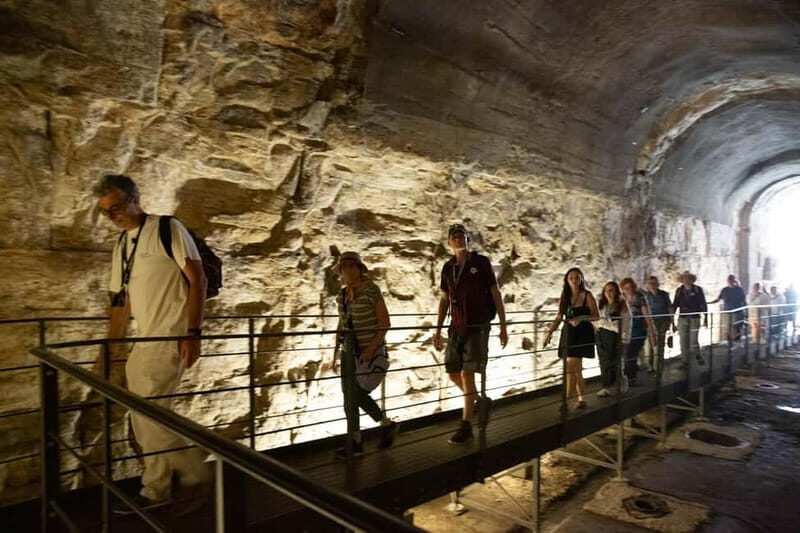
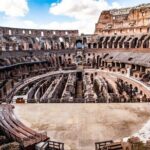
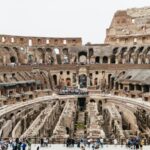
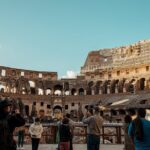
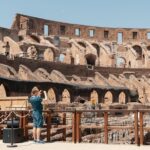
After the Underground, the itinerary moves you to the arena floor. There’s a photo stop, plus a guided visit lasting about 20 minutes.
Twenty minutes doesn’t sound like much, but it’s the right length for this kind of stop. You’re in a high-focus area, and the goal is clarity: understand the scale, take the photos that show you where you stand relative to the structure, and soak in the sense of space without losing the thread of the tour.
Here’s the real value: you’re experiencing the arena from the side that’s usually missing. Even if you’ve seen photos before, being down on the floor forces a new perspective. You can better imagine gladiators, doomed prisoners, and how the arena would have looked during games—because you’re close to the layout rather than looking down from a distance.
If you like photography, use that short time efficiently. Decide early what angles you want and do a quick scan before you start shooting. The Colosseum gives you plenty of directions, but you don’t want to spend the whole slot deciding where to stand.
Other Colosseum Underground & Forum combo tours
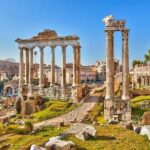
Roman Forum + Caesar’s Palace rooms: power, religion, and politics in one walk
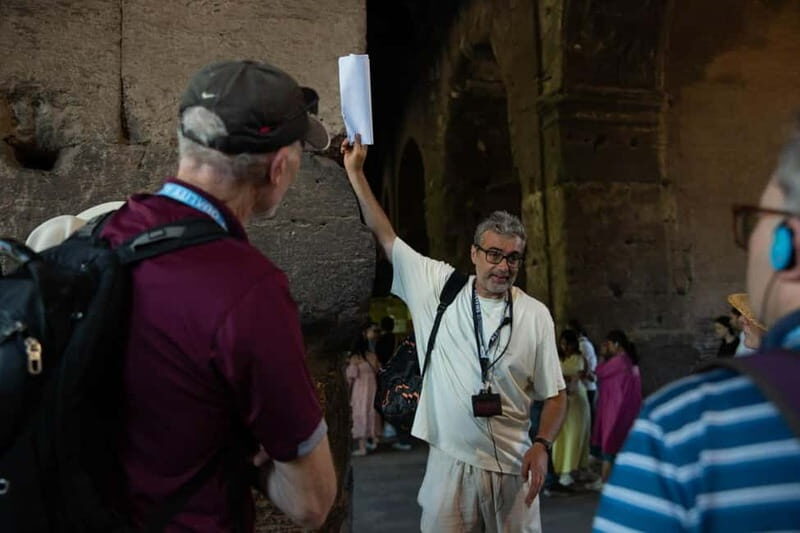
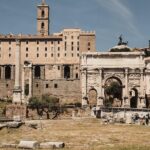
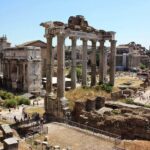
Next comes the Roman Forum, where the tone shifts from spectacle to state power. You get around 45 minutes of guided time, with a break and photo opportunities built in.
The Forum is where ancient Rome felt like it ran on rules and rituals—markets, temples, political spaces, and memorials. With a licensed guide, you’re not just reading ruins; you’re getting the meaning behind key areas. The result is a more connected visit, because you can link temples and tombs to the stories your guide is building.
The tour also includes access to rooms in Caesar’s Palace, plus sweeping views from the ruins of that complex. This part is valuable because it gives you a different vantage point. You don’t just look at the Forum—you see it stretched out, with the landscape helping you understand how Romans moved and how leaders positioned themselves in a living city.
The Caesar’s Palace element is also a useful contrast. The Colosseum is controlled drama. The Forum is governance and public life. Together, they show two sides of Rome: entertainment for the masses and authority for the system.
Palatine Hill viewpoints: where the skyline helps the history click
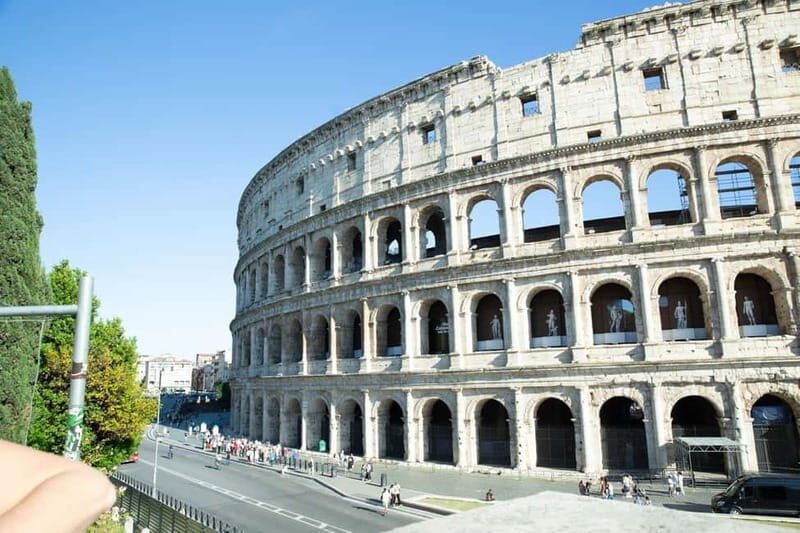
The final major stop is Palatine Hill. You’ll spend about 45 minutes, including a photo stop and guided visit.
Palatine Hill can feel like a lot of viewpoints for some visitors—unless you’re given context. In this tour, the guide’s job is to connect what you’re seeing to what the Romans valued: where elite power lived, how viewlines mattered, and why this area became part of the identity of the city’s rulers.
The best part is that Palatine often makes the history easier to place. When you can look out and understand the city’s shape around you, the ruins stop being floating fragments. They become part of a coherent city plan.
Bring a phone with enough battery. These photo stops happen naturally, and if you’re the type who likes one good shot rather than ten mediocre ones, you’ll want time to compose.
Price and value: is $234.50 worth 3 hours in Rome?
At $234.50 per person for a 3-hour tour (with times depending on availability), the price is not cheap—but it isn’t random either. You’re paying for three main things:
- Skip-the-line reserved access at the Colosseum and the Forum/Palatine
- Restricted Underground and arena-floor access that most standard tours can’t provide
- A licensed local English guide in a small group (max 8)
If you tried to DIY this, you’d spend a lot of time figuring out entry logistics and you’d likely miss the specific access routes that make the Colosseum Underground so special. That’s why the value is less about the duration and more about the access quality.
Also, the emotional value is real. Several people stress that the guide made the experience land. When the tour is both informative and easy to follow, it prevents that common Rome problem: feeling like you looked at ruins but didn’t really understand what you were seeing.
One caution: the tour information says food isn’t included. Some guides or departure types may add personal extras, but you should treat meals as separate. If you want lunch or a late snack, plan it after.
What to bring and what to avoid so you don’t lose time
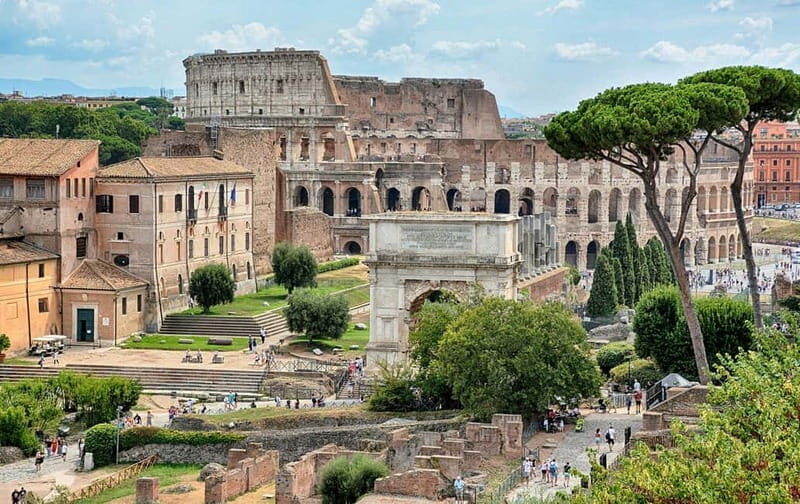
Bring your passport or ID card. That’s explicitly required.
Avoid bringing anything that could get you stopped. Weapons or sharp objects are not allowed. Alcohol and drugs aren’t allowed either. Don’t wear a costume, and no bare feet.
It’s a normal list for major heritage sites, but it matters because the Underground access can be strict. The last thing you want is a delay at the entrance after you’ve already saved time with the reserved tickets.
Who this tour is best for (and who might prefer something else)
This is a strong fit if:
- You want the Colosseum in a way most people don’t get
- You prefer small-group pacing over moving with a crowd
- You care about explanations that are clear enough to make the ruins make sense
- You enjoy photo opportunities but still want structured time
It might be less ideal if:
- You want a long, slow, totally flexible visit with lots of free wandering (this is tight and timed)
- You’re primarily looking for a casual look at the highlights without guided context
- You expect food to be included; the info provided says meals aren’t part of the tour
Should you book? My quick decision guide
If your top priorities are Colosseum Underground access, a guided look at the arena floor, and skip-the-line entry into the Roman Forum and Palatine Hill, then this tour is an efficient way to do Rome’s biggest anchors in just a few hours.
I’d especially book it if you’ll benefit from a guide who can make the site readable. When you’re paying for restricted access, you want the story to be clear—and the quality of the guide is repeatedly the part that people feel most strongly about.
If you’re on a tight budget, it’s reasonable to feel sticker shock. But if you value time saved and the rare underground access, the price starts to look like a fair trade.
FAQ
How long is the Colosseum Underground and Roman Forum small group tour?
It lasts 3 hours. Starting times vary based on availability.
How big is the group?
The tour is a small group limited to max 8 participants.
Where do I meet for the tour?
You meet at the Arch of Constantine, at the corner farthest from the Colosseum. The coordinator will be holding a Let’s See Italy sign.
Does this tour include skip-the-line tickets?
Yes. It includes skip-the-line tickets for the Colosseum, Roman Forum, and Caesar’s Palace (and it also includes Roman Forum and Palatine Hill access).
What parts of the Colosseum are included?
You get access to the Colosseum Underground dungeons and the arena floor, plus time to explore the Colosseum’s first and second levels.
Is transportation included?
No. Transportation isn’t included, so you’ll need to get yourself to the meeting point.
Is food included?
No. Food and drinks aren’t included.
What should I bring and what can’t I bring?
Bring passport or ID card. Don’t bring weapons or sharp objects, alcohol or drugs, and don’t wear a costume or go barefoot.