REVIEW · ROME
Colosseum, Roman Forum & Palatine Hill Guided Tour
Book on Viator →Operated by Crown Tours · Bookable on Viator
Three big Roman sights. One smart walking plan.
This Colosseum, Roman Forum & Palatine Hill guided tour is interesting because it doesn’t just point at ruins—it turns them into stories you can follow as you move. I especially like the audio headsets, which make the guide easy to hear even when the site is packed, and I also like how the tour connects the gladiator world at the Colosseum with the political drama of the Forum. Guests have praised guides by name—Carolina, Giulio, Valerio, Julio, Marco, and even Bianca—so you get the sense this is built around strong, talk-to-your-face guiding, not silent wandering.
A key consideration: the route is not wheelchair accessible, and Palatine Hill in particular can mean a lot of stairs and uneven ground, so you’ll want to judge your own stamina before you commit.
In This Review
- Key points worth knowing before you go
- Why this Colosseum–Forum–Palatine route feels efficient
- Colosseum access: tiers, gladiators, and arena-level perspective
- Roman Forum: how temples turn into power and propaganda
- Palatine Hill: legends, empire, and steep viewpoints
- What you get from the guide and the headsets
- Value check: is $42.33 worth it?
- Timing, rules, and small details that can save stress
- Who this tour suits best (and who might feel annoyed)
- Should you book this Colosseum, Roman Forum & Palatine Hill tour?
- FAQ
- Does the tour include tickets for the Colosseum, Roman Forum, and Palatine Hill?
- Is there an option for Colosseum arena access?
- What language is the tour offered in?
- How long does the tour take?
- Is the tour wheelchair accessible?
- What’s the meeting point for the tour?
Key points worth knowing before you go
- Optional arena access at the Colosseum lets you step into the gladiator-level perspective (if you choose that option).
- First and second levels of the Colosseum are included, so you get the building from street view all the way up through the tiers.
- Audio equipment helps you stay with the story, even in loud, crowded pockets.
- Roman Forum time is focused (about 45 minutes) with commentary that ties temples and monuments to real political life.
- Palatine Hill finishes with Rome’s origin legends plus viewpoints over the ruins.
- Small groups (max 25) generally mean the guide can keep momentum without losing the thread.
Why this Colosseum–Forum–Palatine route feels efficient
The best part of this tour is the flow. You start at the Colosseum, where Rome’s spectacle culture is easiest to picture, then you walk into the Roman Forum, where decisions and power plays shaped daily life, and you finish on Palatine Hill, where the myth and the imperial story overlap. It’s a classic triangle of ancient Rome, but the value here is how the guide keeps the connections clear as you go.
The total time runs about 2 hours 30 minutes. That’s long enough to actually learn something at each stop, but not so long that you’ll feel stuck in one place. Also, the group stays small—maximum 25—so you’re not constantly fighting for position behind a wall of people.
One practical note: the tour order at the Colosseum can be adjusted by on-site arrangements. That’s normal in major archaeological sites, so keep a little flexibility in your plans for photos and timing.
Other Forum, Palatine & Colosseum combo tours we've reviewed
Colosseum access: tiers, gladiators, and arena-level perspective
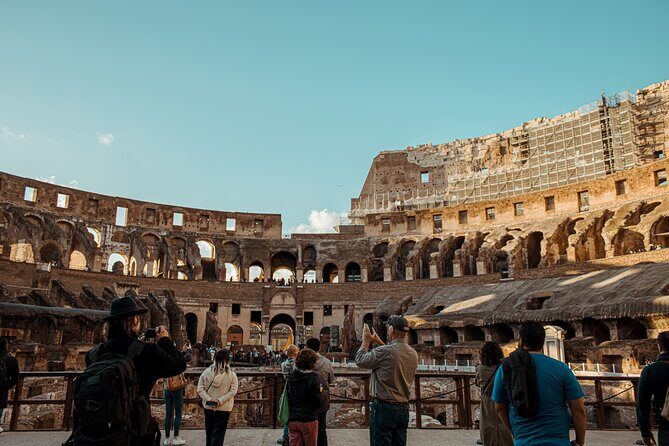
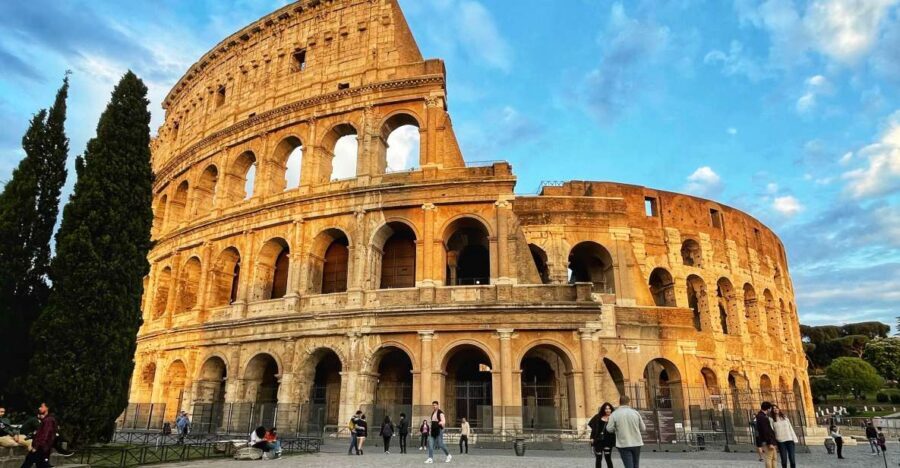
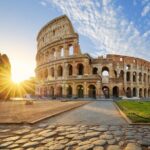
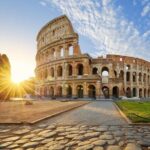
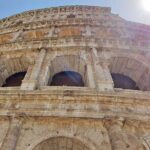
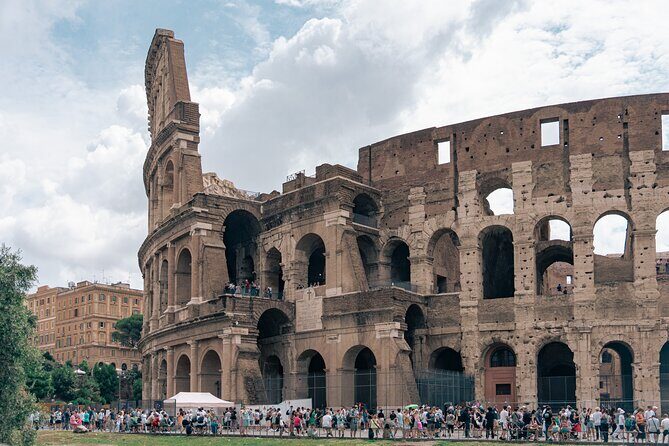
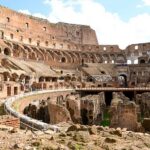
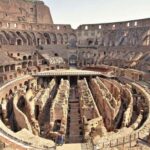
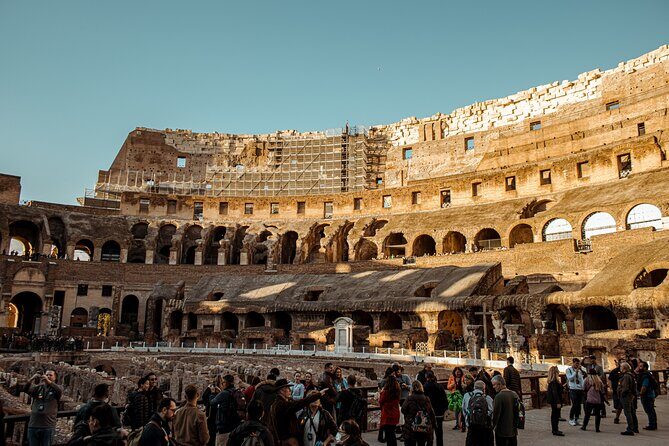
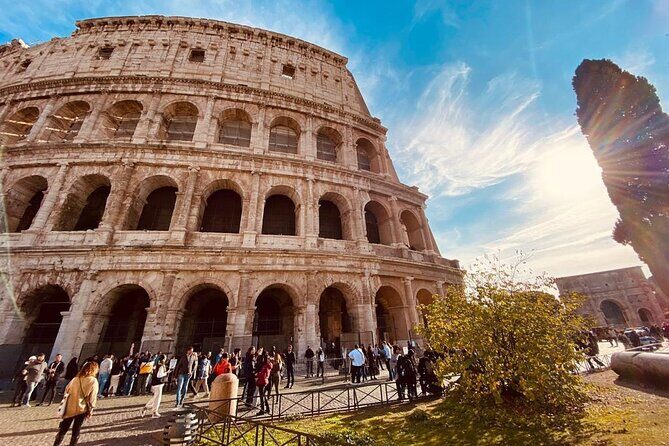
The Colosseum is the headline. It’s the biggest and most famous surviving evidence of the ancient world, and it’s a UNESCO World Heritage Site. Here, the tour includes a guided visit to the first and second levels of the Amphitheater area, plus guided commentary during roughly the first 90 minutes at the Colosseum.
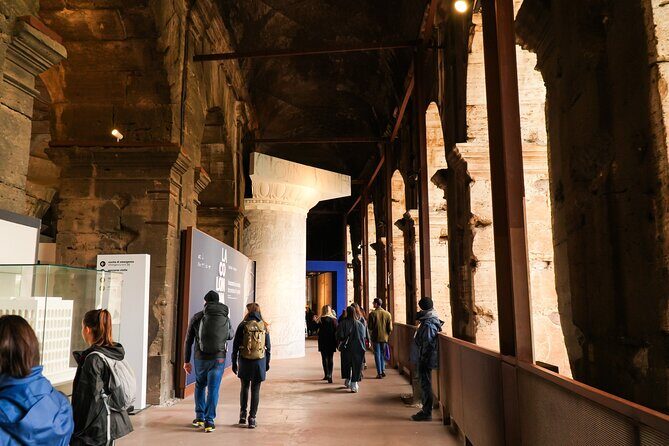
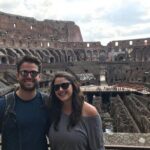
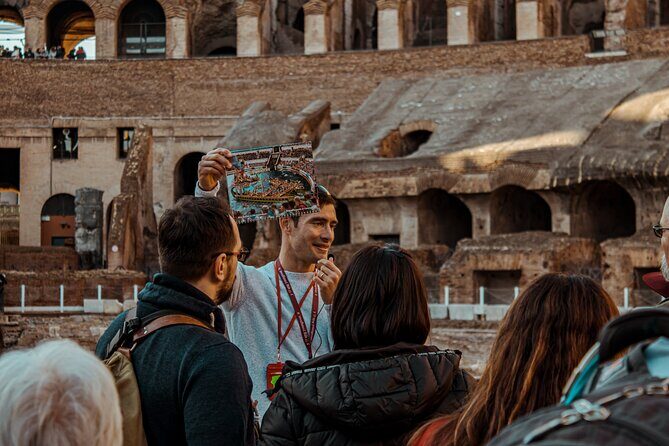
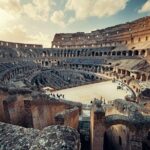
What you’ll do in practice is move through the arena space and up the viewing levels where the geometry starts to make sense. From those tiers, it’s easier to understand how crowds were managed, where people would have sat, and how the arena stage created drama in a way that still feels theatrical today. The guide’s job is to translate that physical setup into human stories—especially gladiator fights—so the building doesn’t stay abstract.
If you choose the option for it, you get exclusive access to the arena. That matters because the arena floor changes everything: your brain finally anchors the scale. Standing there (even from a visitor perspective) you can better imagine the choreography—fighters, signals, and the roar of a packed amphitheater—rather than treating the Colosseum like a big stone bowl.
You’ll also be wearing an audio headset. This is not just a nice-to-have. In the Colosseum, the busiest moments happen at choke points and viewpoints, and hearing a guide clearly is the difference between catching a few facts and actually following a story all the way around.
Roman Forum: how temples turn into power and propaganda
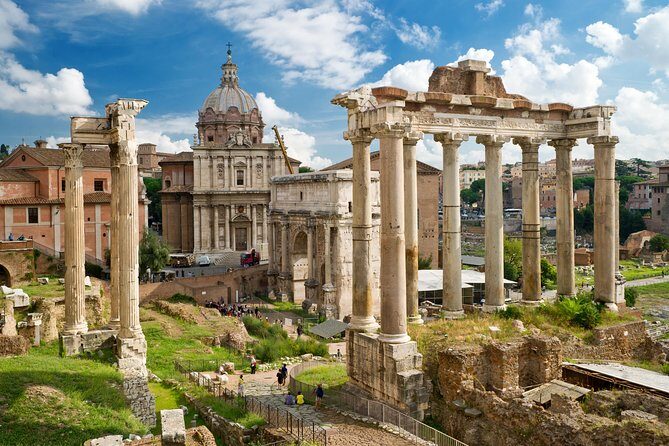
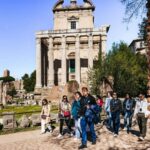
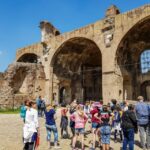
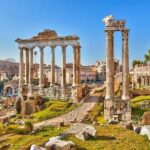
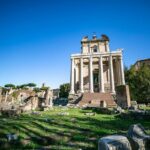
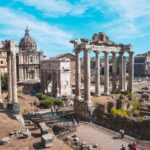
After the Colosseum, you walk to the Roman Forum, the heart of ancient Rome’s public and social life. If the Colosseum is where Rome performed, the Forum is where Rome negotiated, competed, and fought for status. The tour focuses on that shift, with live commentary that ties monuments to the political reality of the time.
This part lasts about 45 minutes. It’s not enough time to become a Roman Forum historian, but it is enough to get oriented fast—what you’re looking at and why it mattered. The Forum started out with commercial purpose, then over the centuries became a stage for political power struggles. You’ll hear how Republican-era conflict could play out through public art and buildings as much as through people.
This is a great stop for anyone who likes context. The ruins can look like scattered stones at first glance. With a guide guiding your attention—pointing out what’s symbolic, what’s architectural, and what’s tied to civic life—you get a clearer sense of the Forum as a lived space, not just an open-air museum.
Palatine Hill: legends, empire, and steep viewpoints
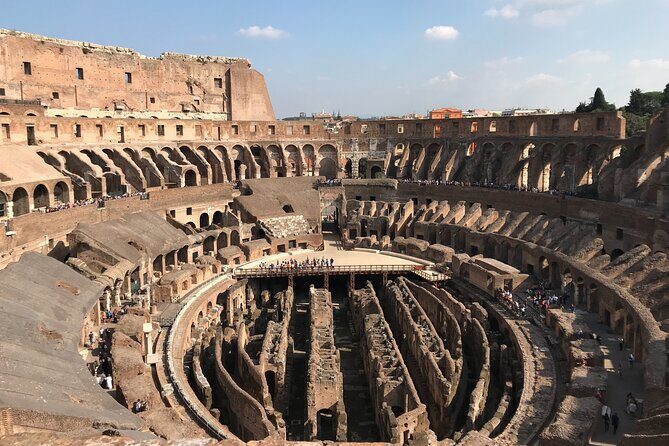
Palatine Hill is the finish line, and it has a different mood. It’s tied to the origins of Rome in legend and also connected to the imperial age as a stronghold. The tour includes guided access to Palatine Hill ruins, with about 45 minutes on this final section.
The guide helps you connect two layers at once. On one hand, you hear origin stories tied to how Rome was founded—because Palatine is where the legend places the early drama of the city’s birth. On the other hand, you see ruins that reflect later power, when the hill became part of imperial Rome’s identity.
Also, Palatine Hill typically means you’ll deal with more movement and more stairs than you expect from a “two hours” tour. One review even pointed out how demanding it can feel, but the payoff is the panoramic views. If you can handle uneven ground and uphill steps, you’ll likely feel it’s worth the effort.
The tour ends back at Palatine Hill, at the Via di S. Gregorio meeting point. That’s handy because you aren’t left scrambling across the city at the end; you can then decide where you want to go next based on your energy.
What you get from the guide and the headsets
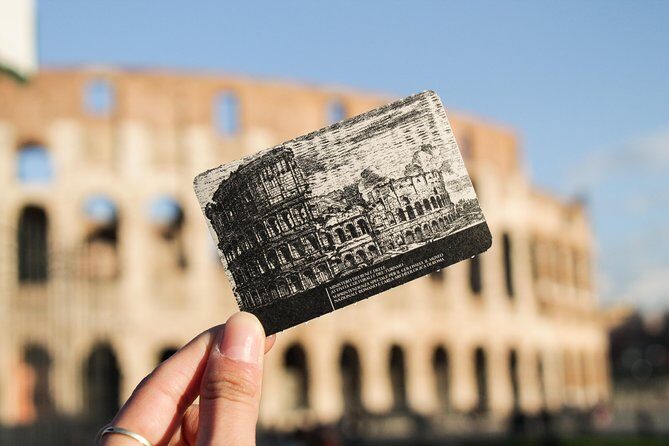
The guiding is the engine of this tour. The format is designed so the guide can narrate as you move—especially at the Colosseum, where the story is complex and the spaces are physically big.
You’ll see the effect quickly. With headset audio, you can keep your eyes where they matter: the tiers, the arena-level spaces, and the Forum monuments. That lets you learn faster because you’re not constantly asking other people what the guide just said.
I also like the way this tour seems to lean on storytelling. Guests have highlighted guides such as Carolina, Giulio, Julio, Valerio, Marco, Bianca, Mariana M, Amber, Ken, and Mary. When you hear multiple guide names praised, it’s a hint that the operator puts effort into guide selection and training—not just ticket distribution.
If you want to maximize the experience, don’t treat it like a speed-run. When the guide points to a viewpoint or a section, pause for a moment. A small break helps the story stick.
Other Roman Forum tours we've reviewed
Value check: is $42.33 worth it?
The price is listed at $42.33 per person, and that’s the part you should sanity-check before you book. Here’s the basic value math the tour is built around:
- The Colosseum entrance ticket value is listed as €18 per person, or €24 per person if arena access is included.
- There’s also a Colosseum reservation fee valued at €2 per person.
- The rest of what you pay goes toward services like skilled licensed guides, headsets, booking fees, and tour amenities.
So you’re not paying just for a ticket. You’re paying for time with a guide plus the audio system that keeps you connected to the commentary while you’re standing in a crowd. At the Colosseum and Forum, that’s the difference between reading facts and understanding the place.
Another value point: this tour is capped at 25 travelers. That size matters because you’re not lost in a mass group. It’s easier to hear the guide, easier to move at a reasonable pace, and easier to catch the photo/viewing spots the guide points out.
Timing, rules, and small details that can save stress
Rome’s biggest sites run on timing and paperwork. This tour makes you do the basics right so entry goes smoothly.
A few things to keep in mind:
- You need to enter your legal full name and date of birth during booking. If you don’t, entry can be denied.
- Bring a valid photo ID. Entry can’t be guaranteed without it.
- At the Colosseum, there are specific items you can’t bring inside: glass, sharp objects, alcohol, and spray.
- Pets aren’t allowed.
Heat also matters. In July and August, the visit is set at about 2 hours and a half due to temperature. Plan for that reality, dress for sun, and don’t treat this like a casual stroll.
Finally, late arrivals may not have guaranteed access. With a tour like this, the schedule is built around entry windows and guide pacing, so show up early enough to check in and get ready.
Who this tour suits best (and who might feel annoyed)
This is a strong fit if you want a structured way to see the top ancient sites without spending your vacation cross-referencing maps and guidebooks every five minutes. The Colosseum plus Forum plus Palatine Hill combo is a lot to pack into one day, and the guided flow helps you keep it coherent.
It also fits families and first-timers well. Multiple guide names were praised for keeping kids engaged, and the tour is set up to give context at each stop rather than just dumping facts at you.
Where you’ll want to think twice is mobility. Since it’s not wheelchair accessible and includes stairs and uneven surfaces (especially on Palatine Hill), this won’t be ideal if climbing is a problem. If stairs are your limitation, you might consider a more step-light option.
Should you book this Colosseum, Roman Forum & Palatine Hill tour?
Yes, you should book this if you want the ancient Rome highlights in a way that actually makes sense. The biggest reasons to choose it are the headsets, the guided walk connecting Colosseum to the Forum to Palatine Hill, and the option for arena access if you want that extra perspective.
Book it with confidence if:
- You like guided stories more than self-guided wandering.
- You want a small-group feel (max 25).
- You can handle some serious walking and stairs.
Skip it (or plan differently) if:
- You need wheelchair-friendly access.
- You’re hoping for lots of slow, quiet time sitting alone among ruins.
If your goal is to leave Rome’s most famous ancient spaces with understanding—not just photos—this tour is a very practical choice.
FAQ
Does the tour include tickets for the Colosseum, Roman Forum, and Palatine Hill?
Yes. Colosseum admission is included (and the Colosseum reservation fee is included as well). Roman Forum and Palatine Hill also include admission ticket coverage during the tour.
Is there an option for Colosseum arena access?
Yes, arena access is available if you select the option. The price breakdown changes from €18 (standard) to €24 (arena access) for the Colosseum entry.
What language is the tour offered in?
The guided tour is offered in English.
How long does the tour take?
It runs about 2 hours 30 minutes on average, with approximately 1 hour at the Colosseum and about 45 minutes each at the Roman Forum and Palatine Hill.
Is the tour wheelchair accessible?
No. This tour is not wheelchair accessible.
What’s the meeting point for the tour?
The start and end meeting point is Palatine Hill, Via di S. Gregorio, 30, 00186 Roma RM, Italy. Ticket redemption is at Via della Polveriera, 13, 00184 Roma RM, Italy.