REVIEW · ROME
Ultimate Colosseum, Roman Forum & Palatine Hill Small Group Tour
Book on Viator →Operated by Through Eternity Tours · Bookable on Viator
Three hours, and Rome feels way more real. This small-group walk strings together the Colosseum, the Forum’s political heart, and the emperor neighborhood on Palatine Hill—so the big names and brutal games land with context, not just facts.
Two things I really like: you get reserved Colosseum entry that helps you dodge the worst line chaos, and you’ll have a guide who explains the sites like a live story (not a reading assignment). The one thing to keep in mind is that this is still a top tourist area: crowds, sun, and occasional site closures can make the experience feel fast.
In This Review
- Key Points at a Glance
- Price and What You’re Really Paying For
- Starting at Largo Corrado Ricci: The Quick Win Before You Hit the Ruins
- The Colosseum-Ready Entry System (Mobile Ticket + Reserved Time)
- A realistic heads-up about access
- Stop 1: Foro Romano (Roman Forum) and the Drama of Everyday Power
- What makes this stop special
- A note on closures and changes
- Casa delle Vestali: Where Religion Met State Power
- Basilica of Maxentius and Basilica Julia: The Forum’s Busy Meeting Rooms
- Climbing Palatine Hill: Emperor Views and the Romulus Story
- The Romulus and Remus connection
- Physical reality check
- A Quick Detour at Piazza del Colosseo: The Arch of Constantine Moment
- Inside the Colosseum: Gladiators, Spectacle, and the Human Cost
- What I’d pay attention to while you’re there
- Crowds are part of the deal
- Guides Matter: How the Best Part of the Tour Shows Up
- Smart Planning Tips to Make This Tour Feel Easier
- Who This Tour Fits Best (And Who Might Want Something Else)
- So, Should You Book This Colosseum, Forum & Palatine Hill Tour?
- FAQ
- FAQ
- How long is the tour?
- What’s the meeting point and where does it end?
- Is the tour in English?
- Are Colosseum tickets included?
- Will I get tickets on my phone?
- Do I need to bring ID?
- Does the tour include headsets?
- Is food included?
- What if I need to cancel?
Key Points at a Glance
- Reserved Colosseum entry helps you get in without spending ages in long queues
- Headsets for groups of six or more mean you can actually hear your guide while staying with the group
- Forum focus on daily life and major events (including Julius Caesar and Cicero) makes the ruins click
- Palatine Hill viewpoints show you why emperors wanted to live here
- Short stops with real landmarks like the Arch of Constantine keep the route varied
Price and What You’re Really Paying For
At $94.37 per person for about 3 hours, the headline is the guide + logistics. But the true value is that your ticketing is handled in advance. You’re paying not only for the Colosseum entry itself (and its reservation), but also for a guide to connect the Colosseum to the Forum and Palatine Hill—so you don’t wander from one random wall to the next.
This also isn’t a huge bus-group experience. The tour is set up as a small group (maximum up to 10 travelers noted in the experience info), and the guide keeps things moving so you can see the highlights without feeling lost.
If you hate lines and you want someone to translate ancient Rome into something you can picture, this price starts to make sense quickly.
Other Forum, Palatine & Colosseum combo tours we've reviewed
Starting at Largo Corrado Ricci: The Quick Win Before You Hit the Ruins
The meeting point is Largo Corrado Ricci, 43 (near public transportation). You’ll start your walk near the Forum rather than trying to sprint in from elsewhere. That matters because it helps you use the time before the Colosseum area gets even louder and busier.
Arriving 10 minutes early is a big deal here. The tour can’t wait for late arrivals, and the whole day runs like a practiced route—especially when other groups are also threading the same narrow corridors.
Also: bring the right ID. You must present a valid passport or government-issued photo ID matching the full names provided at booking. For the Colosseum and Roman Forum, small name mismatches can cause big problems.
The Colosseum-Ready Entry System (Mobile Ticket + Reserved Time)
This tour includes your Colosseum entrance ticket plus the reservation fee, and you’ll have a mobile ticket. In practical terms, it means less fumbling at ticket desks and more time actually looking up at the architecture and imagining the spectacle.
One more advantage: the guide doesn’t just point out where things used to be. You’ll hear how the games worked and what life was like for people inside the machine—gladiators, slaves, and the people required to pull off huge events.
A realistic heads-up about access
The Colosseum is enormous, and not every tour hits the same areas inside. This one is designed around the core visit plus explanation, not an all-areas inspection. So if you’re specifically hunting for the less-accessible interior zones (like lower-level areas), you may feel slightly limited. The tour still delivers on the main experience, but manage expectations.
Stop 1: Foro Romano (Roman Forum) and the Drama of Everyday Power
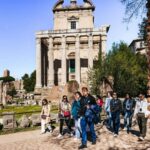
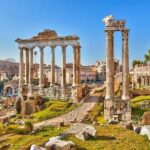
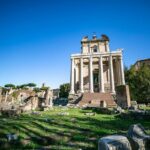
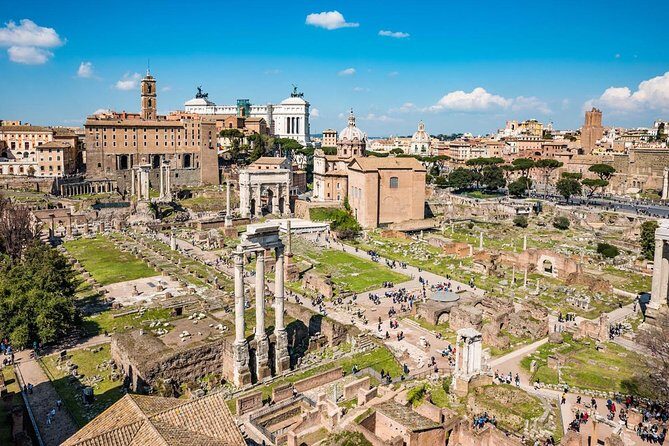
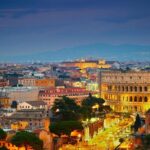
You spend about 1 hour at the Roman Forum, and it’s not just a walk through stone. It’s where Rome performed its daily theater of power: court business, public statements, religion, and the kind of political drama that made even elite men fear sudden public endings.
The Forum is often described as the epicenter of the empire, but the most helpful part is how your guide ties individual spots to real moments. You’ll see key remnants that help you build a mental map—where people gathered, where speeches and decisions happened, and where the city’s momentum visibly concentrated.
Other Roman Forum tours we've reviewed
What makes this stop special
- You’ll learn about major events connected to the Forum, including the funeral of Julius Caesar and the beheading of Cicero. Hearing those stories in the actual layout makes the scene feel sharper.
- You’ll also get the human scale: the Forum wasn’t just for emperors. Ordinary Romans lived and worked around these same spaces.
A note on closures and changes
Rome does its own calendar. With ongoing restoration work (the experience info mentions Jubilee-related possible changes), you may find that a section is closed on the day you go. If that happens, your guide will adapt the route, but it can affect what you see at specific spots.
Casa delle Vestali: Where Religion Met State Power
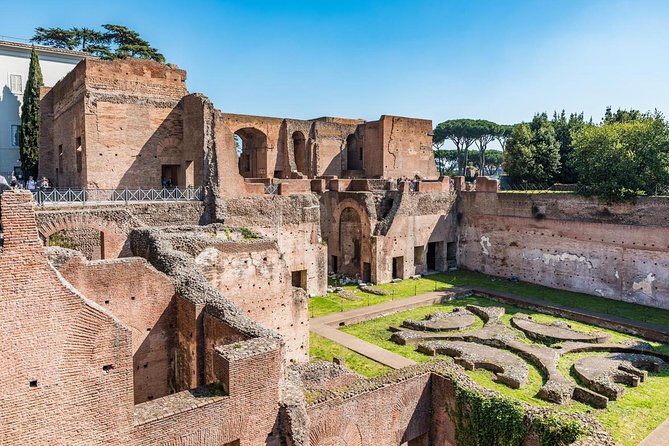
A quick stop—around 10 minutes—at Casa delle Vestali, the residence of the Vestal Virgins. This sits behind the circular Temple of Vesta, on the eastern edge of the Forum area.
This is one of those places that rewards a good explanation. The Vestals weren’t just priestesses in the background. They were part of the Roman state’s structure. Your guide connects the location and purpose so the buildings don’t feel like random ruins.
And because it’s short, it works well in a schedule that has to cover a lot of ground.
Basilica of Maxentius and Basilica Julia: The Forum’s Busy Meeting Rooms
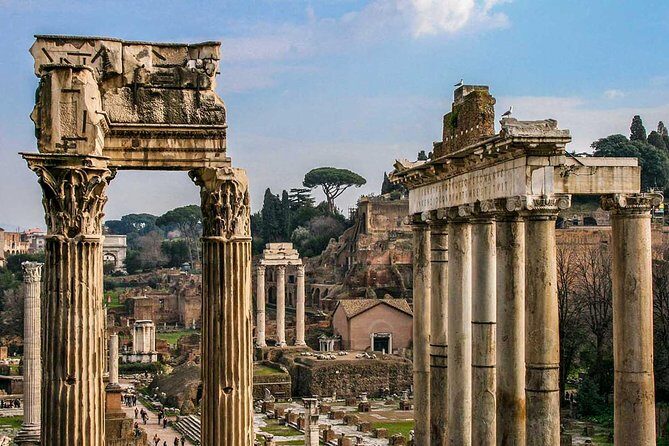
You’ll have brief looks at both of these major basilicas—again, not long museum-style time, but enough to understand what they were for.
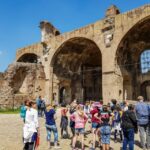
- Basilica of Maxentius: described as the largest building in the Forum and the last Roman basilica built in the city.
- Basilica Julia: used for meetings and official business in the Roman Empire, and remembered as a large public structure.
Why I like these stops: they help you understand how Romans handled decisions and announcements. This is where public life had a roof, shade, and a clear function—less dramatic than a gladiator arena, but vital in how the empire ran.
Climbing Palatine Hill: Emperor Views and the Romulus Story
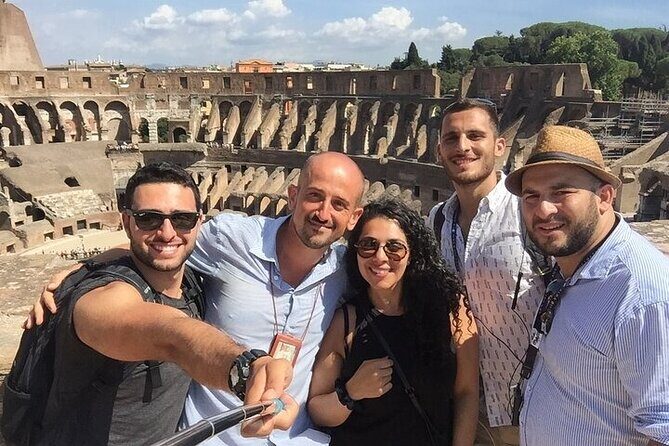
Next comes Palatine Hill, about 30 minutes. It’s one of the most ancient parts of Rome, and the vibe changes. You trade the Forum’s tight canyon feel for open views and the sensation of standing above the city like the people who mattered once did.
Your guide will walk you through ruins of noble residences, including references to sites like the Flavian Palace, the Stadium of Domitian, and the Baths of Septimius Severus. Even if you can’t fully picture every wall, you’ll start seeing patterns: where rooms likely stood, why gardens made sense, and how elite living clustered here.
The Romulus and Remus connection
This is also where the story of Romulus and Remus comes in—the founders of Rome, said to have been raised by a wolf. Hearing that story while you’re on the hill where Roman emperors claimed meaning for their own rule makes the whole place feel more symbolic.
And yes, the views help. Palatine Hill gives you a perspective on how the Colosseum and Forum sit within the bigger city plan.
Physical reality check
This stop involves steps, staircases, and uneven surfaces. The route isn’t extreme, but it’s not flat. Wear comfortable walking shoes and take water with you. If you’re traveling with anyone who gets tired quickly, tell your operator during booking so they can plan the best fit.
A Quick Detour at Piazza del Colosseo: The Arch of Constantine Moment
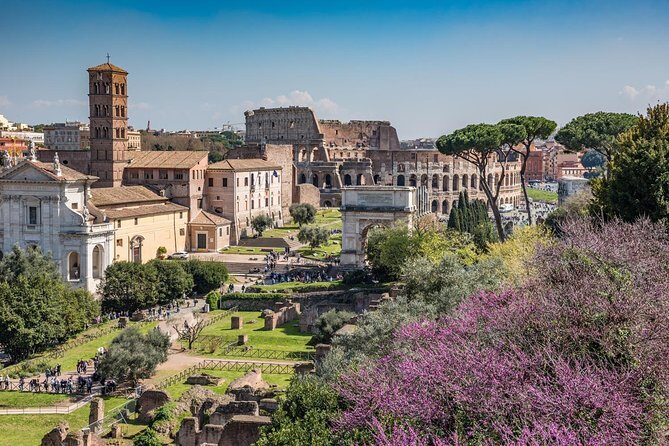
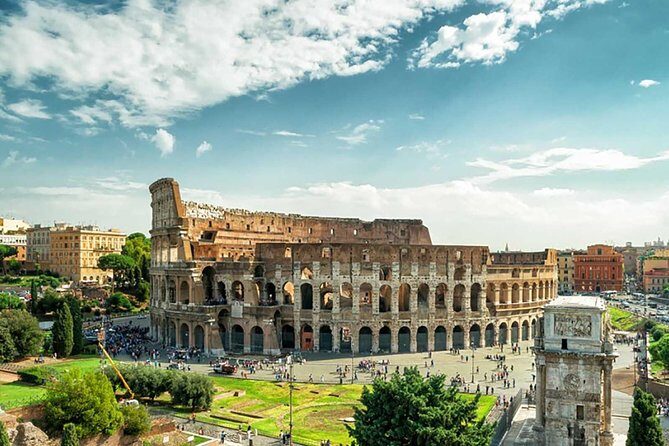
There’s a brief stop in the Piazza del Colosseo area. It’s a small pause, but it’s a good one: you’ll see the structure with triple arches built in 315 AD, tied to Constantine’s victory over Maxentius.
This is the kind of moment I appreciate in a mixed-history tour. You’re not stuck in one era. It reminds you Rome kept rewriting its meaning long after the Colosseum stopped being new.
Inside the Colosseum: Gladiators, Spectacle, and the Human Cost
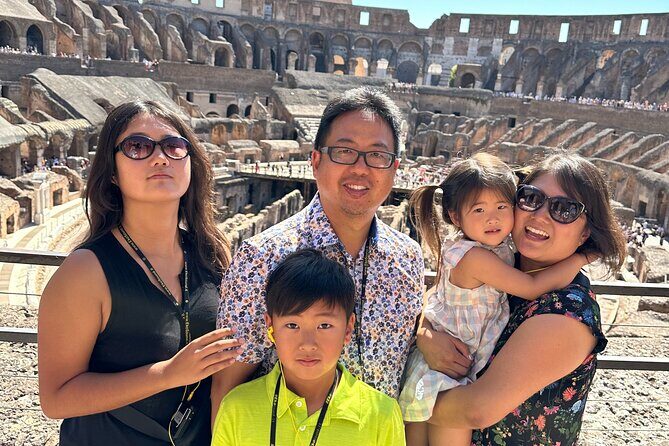
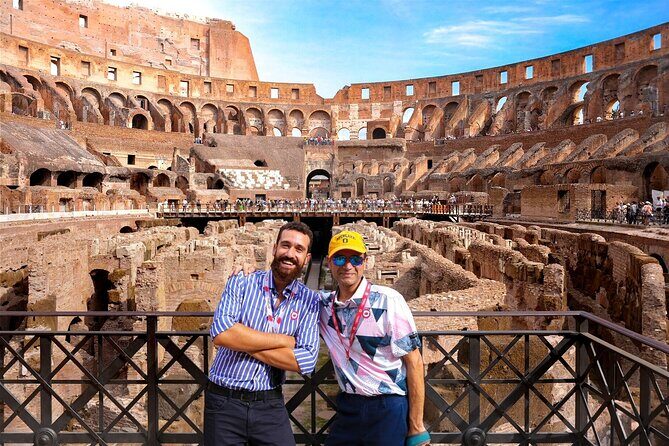
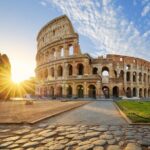
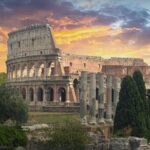
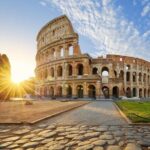
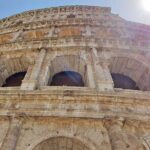
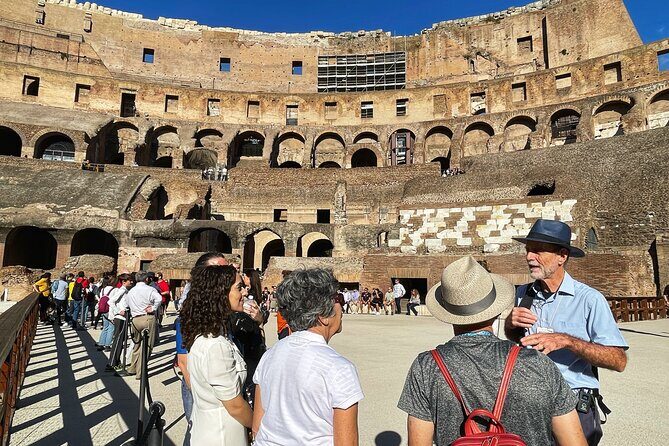
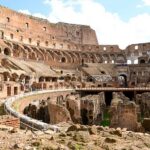
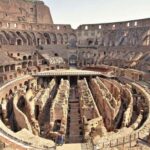
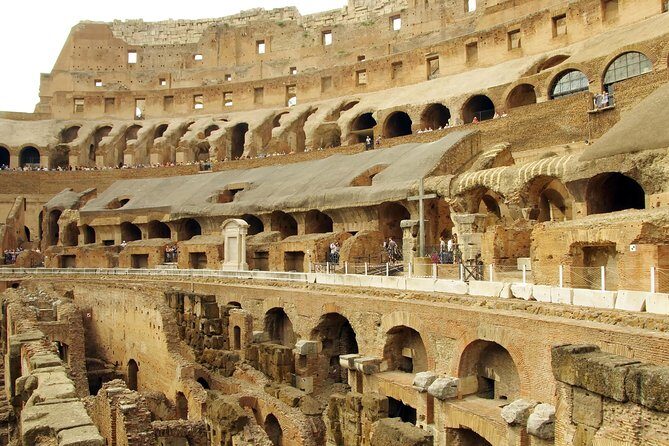
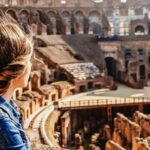
Your Colosseum visit takes about 1 hour with entry included. This is the star, and it’s easy to see why. The structure holds the sense of scale immediately—built to seat tens of thousands for games.
But the best part of this tour approach is that the guide doesn’t treat it like a photo stop. You hear about the deadly games and what made the spectacle work. You also get attention to the behind-the-scenes side of massive events—how people were positioned, how entertainment was staged, and what it meant for the people who lived inside the system.
What I’d pay attention to while you’re there
Use the explanation to guide your looking. When your guide points something out, don’t just nod and keep walking. Take a second, look at the structure, and connect it to the story you just heard:
- where crowds would have watched
- how the arena functioned as theater
- why certain design choices mattered for movement and visibility
Crowds are part of the deal
Even with reserved entry, you’ll still be inside a magnet for tourists. The tour keeps things moving, and that can make the experience feel brisk at times. If you’re someone who wants to linger for long stretches, you may find yourself wishing for more time in one spot or another.
Guides Matter: How the Best Part of the Tour Shows Up
A major reason this tour scores high is the guide energy and how well they handle questions. I’ve seen names come up repeatedly, and they’re a clue that the operator invests in people who can turn ruins into stories.
For example:
- Donatella Mauceri gets praise for being thorough, personable, and great at handling different ages.
- Alessandro is mentioned as patient, not rushing, and strong at giving context without making you feel herded.
- Francesco and Marco are described as fun and engaging with steady pacing.
- Luca is noted as an archaeologist/historian type who can connect details without making it feel like a lecture.
- John Tinto shows up in reviews as especially entertaining, with humor that keeps people listening.
Not every guide will match your style exactly, but this tour is clearly built around guiding skill—not just walking you from sign to sign.
One tip: if you’re the type who asks lots of questions, this tour format is set up to handle that. The best moments often come when you ask something that makes the guide explain one more layer.
Smart Planning Tips to Make This Tour Feel Easier
Here’s how you get the most out of a route like this without it turning into a marathon.
- Wear good shoes: steps and uneven surfaces are real, especially around the Forum and Palatine Hill.
- Bring water: the tour moves through open areas where shade isn’t guaranteed.
- Watch your belongings: pickpockets are a known risk around major monuments and transit zones. Keep bags zipped and phones secure.
- Take breaks when you can: the tour is timed, but you’ll have short moments to reset your feet and eyes.
- Be ready for fast-moving crowds: even with a small group, you’ll share space with other tour groups. That’s not a failure of the guide—it’s Rome.
Who This Tour Fits Best (And Who Might Want Something Else)
This is a strong pick if you want:
- the Colosseum plus the Forum plus Palatine Hill in one tight plan
- a guide who explains the stories behind what you’re seeing
- less time in lines and more time getting oriented in ancient Rome
It may be less ideal if:
- you want a slow, quiet, low-crowd experience where you can study every inch
- you’re hunting for super-specific access to rare or lower areas inside the Colosseum (this tour is built for the main visit with explanation, not a specialized underground route)
So, Should You Book This Colosseum, Forum & Palatine Hill Tour?
If your goal is to leave with a clear sense of how the Colosseum, political Rome, and emperor living connect, I’d book it. The combination is the point here. You’re not just seeing famous stones—you’re learning what they meant in context.
If you’re flexible about crowds, good with short stops, and you value a guide-led story, this tour offers solid value for $94.37 and a smooth way to experience three anchors of the ancient city in one morning.
FAQ
FAQ
How long is the tour?
It runs for about 3 hours.
What’s the meeting point and where does it end?
You meet at Largo Corrado Ricci, 43, and the tour ends at Colosseum, Piazza del Colosseo, 1.
Is the tour in English?
Yes, it’s offered in English.
Are Colosseum tickets included?
Yes. Colosseum entrance tickets and a reservation fee are included.
Will I get tickets on my phone?
You receive a mobile ticket.
Do I need to bring ID?
Yes. You must present a valid passport or government-issued photo ID matching the name provided at booking.
Does the tour include headsets?
Headsets are provided for groups of six or more, so you can hear the guide clearly while staying together.
Is food included?
No. Food and beverages are not included.
What if I need to cancel?
You can cancel up to 24 hours in advance for a full refund. If you cancel later than that, the amount paid is not refunded.