REVIEW · ROME
Colosseum Underground Private Tour with Palatine Hill & Forum
Book on Viator →Operated by RomaExperience Tours · Bookable on Viator
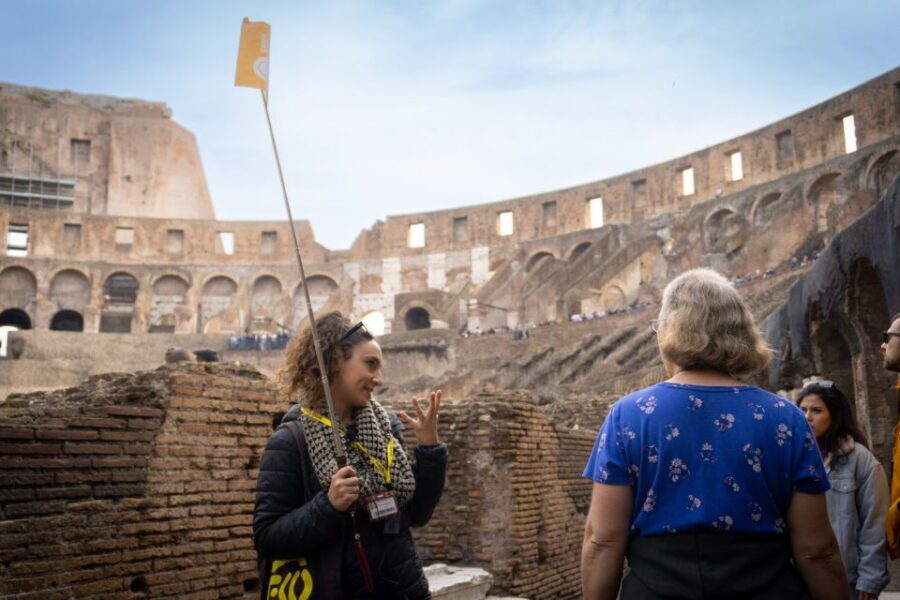
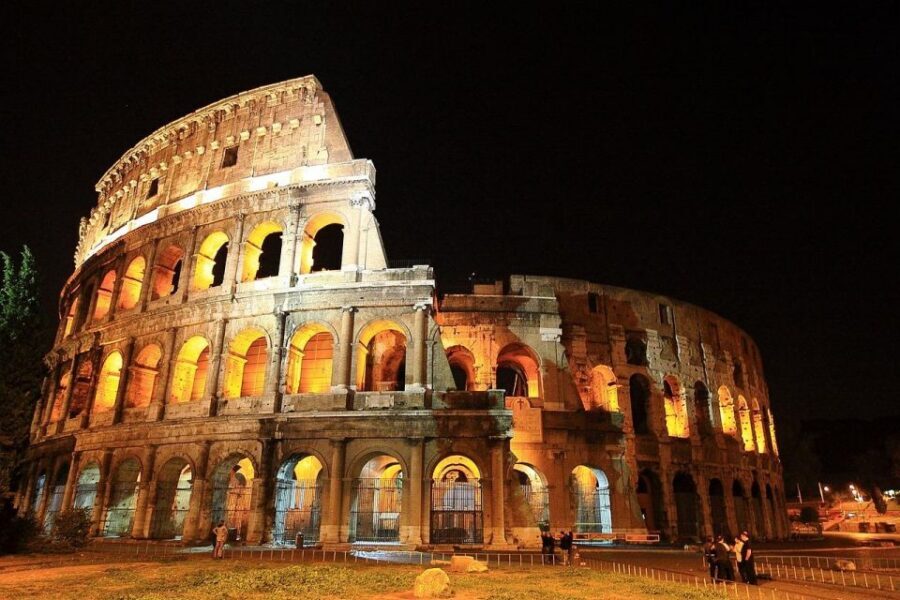
Rome gets weirdly real here. This private Colosseum Underground experience pairs limited-access sights below the arena with the Roman Forum and Palatine Hill. I like the way the tour turns big-name monuments into a clear, step-by-step story of power, spectacle, and daily life in Ancient Rome.
Two things I really like: you get time for photos from the center of the Colosseum arena, and the underground route shows the gritty engineering behind the show, not just the stones. One possible drawback: the Underground section can be affected by heavy rain, and access to that specific area is only confirmed about one month before.
In This Review
- Key highlights to know before you go
- Colosseum Underground: the pits, tunnels, lifts, and cages you see
- Roman Forum stop: Caesar’s footsteps on the Via Sacra
- Palatine Hill: emperor views and the story of daily power
- Colosseum arena time and smart photo spots
- Outside-the-stadium history: Constantine, Via Sacra, victory arches, and temples
- Private tour value for the price: what you’re really paying for
- What to expect on the day: timing, meeting point, and pacing
- Who should book this Colosseum Underground private tour?
- Should you book this Colosseum Underground private tour?
- FAQ
- How long is the Colosseum Underground private tour?
- Is this tour private?
- Does the tour include access to the Colosseum Underground?
- What happens if it rains heavily?
- Where does the tour start and end?
- What is included in the price?
- Do I need an ID or passport?
Key highlights to know before you go
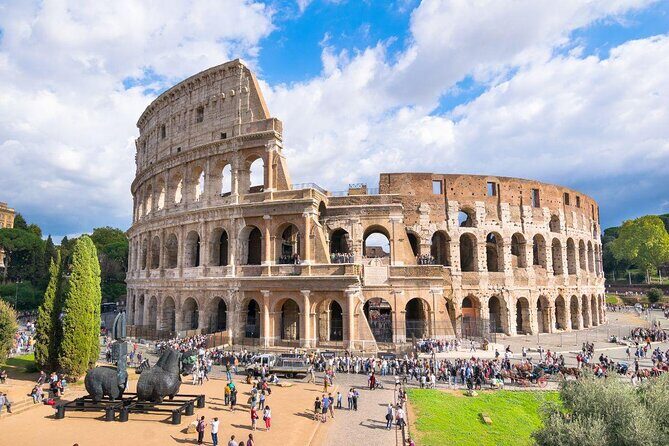
- Limited-access Colosseum Underground: pits, tunnels, lifts, and cages are part of what you’ll see
- Arena photo time: you can stand in the arena and take pictures from the middle
- Roman Forum storytelling: Julius Caesar’s assassination is part of the guide’s narrative
- Palatine Hill viewpoint: you’ll get big views over ancient and modern Rome
- Extra exterior stops: Arch of Constantine, the Via Sacra, and major temples/basilicas appear on the route
- Small private group (max 6): you get closer attention and a more relaxed pace
Colosseum Underground: the pits, tunnels, lifts, and cages you see
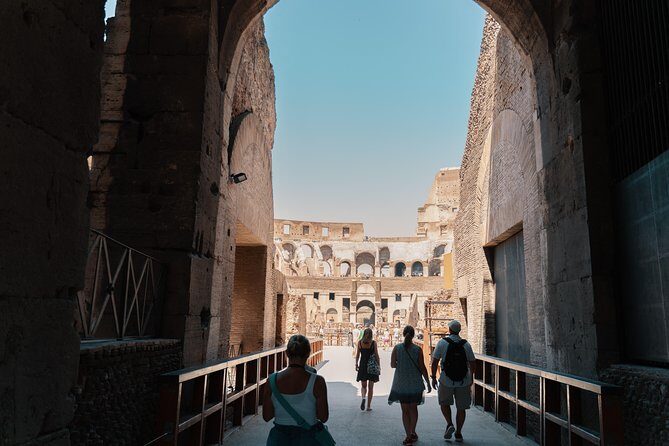
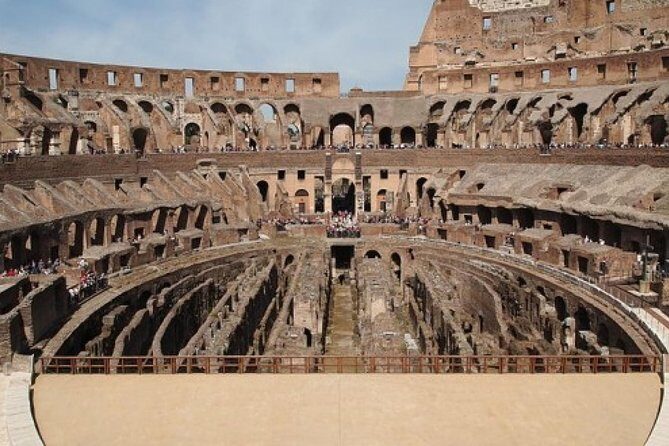
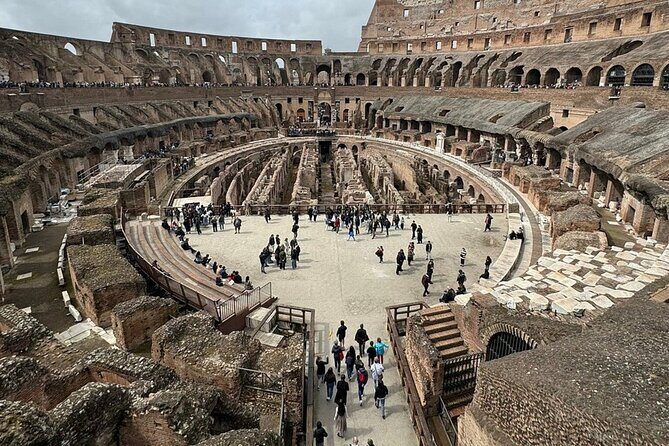
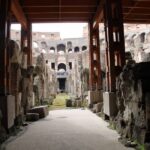
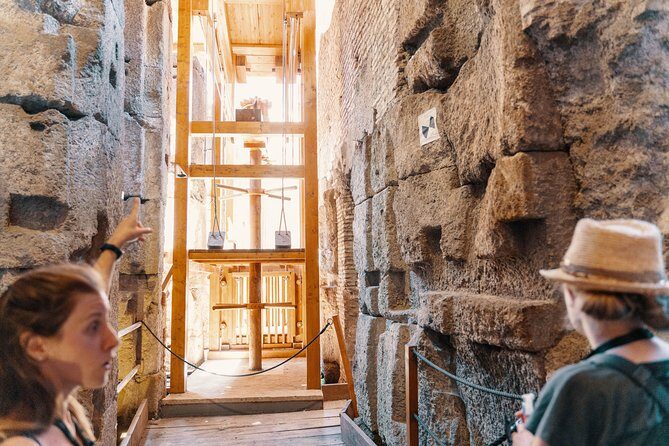
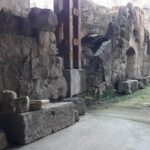
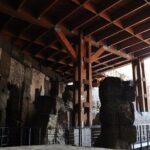
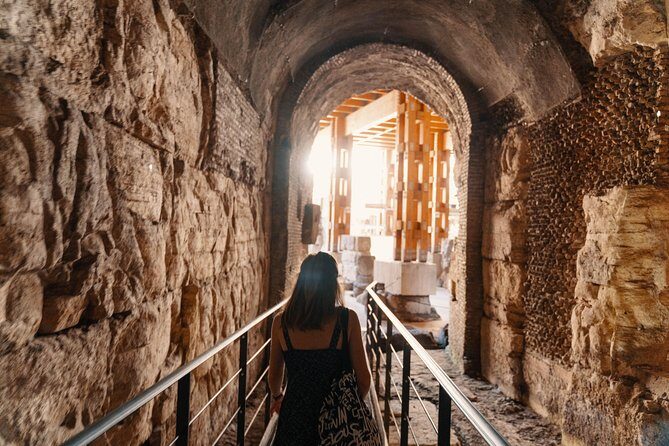
The star of this tour is the Colosseum Underground, which is where the spectacle was staged before it ever hit the sand. From what you’ll be shown on the walk, this isn’t just a gloomy basement tour. It’s a look at the machinery of the show: tunnels, pits, and the systems used to move people and animals toward the arena.
Even if you’ve seen the Colosseum at ground level before, the underground adds a whole layer of meaning. Standing where gladiators and animals waited changes the vibe from postcard Rome to backstage Rome. You start connecting the architecture to the drama—where entrances were, how staging worked, and why certain areas were built the way they were.
One practical detail that matters: the Underground section has limited daily access, and it may be closed without notice in heavy rain. If that happens, the guide doesn’t leave you stranded with empty time. The plan shifts to other sections of the Colosseum and archaeological area. Also, access to the Underground is confirmed about a month before; if it can’t be secured, you’ll get a special entrance to the Tiberian House in the Forum instead. That’s a big reason to treat this as a flexible, guided experience rather than a single fixed checklist.
Other Palatine Hill tours we've reviewed
Roman Forum stop: Caesar’s footsteps on the Via Sacra
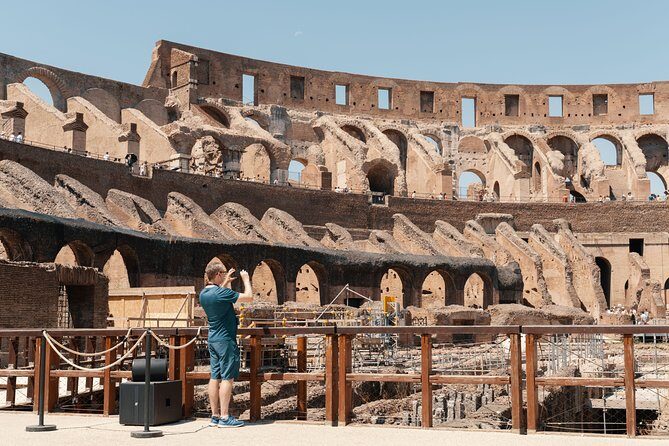
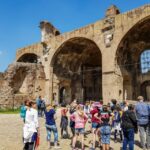
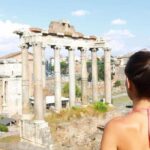
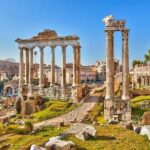
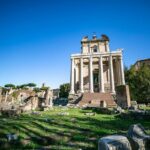
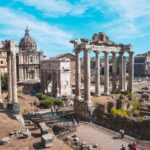
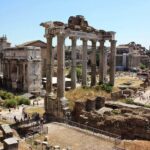
Your tour starts in the Roman Forum, with a guided walk through ruins that feel almost staged because they were once the political and ceremonial core of Rome. You’ll focus on key sites and themes, including where Julius Caesar was assassinated, plus the layout of important buildings like temples and triumphal arches.
This is the part of the route where the guide’s job is hardest, and where a good guide really matters. Forum ruins can look like scattered stone unless someone helps you place the story in your head. Here, you’re not just seeing what’s left. You’re learning how the Forum functioned—where power was performed, where speeches and ceremonies happened, and how architecture supported the messages leaders wanted to project.
Another thing you’ll appreciate is the way the tour keeps geography in mind. The Via Sacra is highlighted as Rome’s main street, running from the Forum toward the Colosseum. That matters because it explains why these places weren’t separate attractions. They were connected spaces in a single urban machine.
If you care about how Rome communicated status, pay attention as your guide points out the mix of religious and political structures. You’ll also be shown major basilica space—a reminder that in Rome, government and public life often shared the same stages.
Palatine Hill: emperor views and the story of daily power
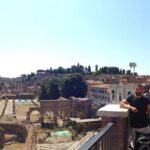
Next up is Palatine Hill, the hill that sits at the center of Rome’s myth and its real-world ruling power. The big reason this stop earns its place is the viewpoint: you’ll look out over ancient and modern Rome from the high ground. It’s the kind of view that helps you understand why rulers wanted this location and why the Forum below mattered.
You’ll also get a sense of who lived here. Palatine Hill was once home to Rome’s emperors, and the tour frames what that meant in everyday terms: this wasn’t just a symbolic address. It was a place where power concentrated, where luxury and authority blended, and where the city’s leadership lived physically close to the spaces where the public watched.
There’s another subtle benefit. Palatine Hill is often described as a must-see because of scale, but the tour’s value is how it ties the hill to the story you’re building in the Forum. The Forum is where the city performed its identity. Palatine is where the people controlling the performance lived behind the scenes.
The pacing also helps. You’ll get about an hour in this area, which is enough time to see the highlights without turning the day into a race. Still, remember this is a historic hill. Wear shoes you trust, and expect some uneven ground as you move between viewpoints and ruins.
Colosseum arena time and smart photo spots
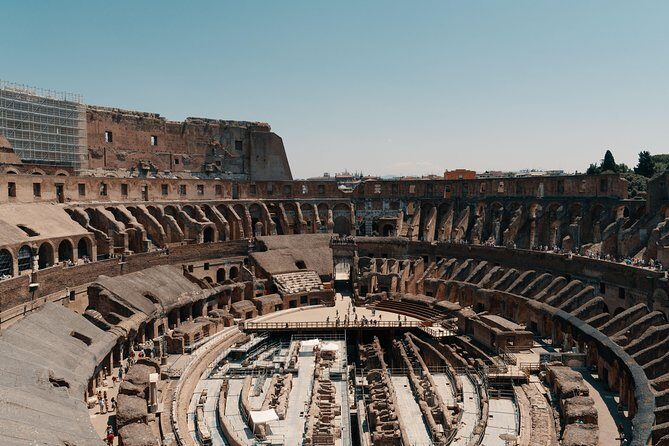
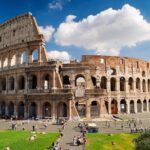
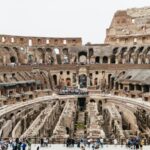
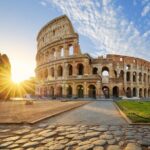
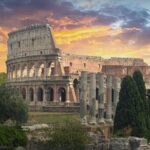
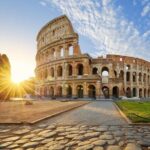
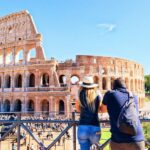
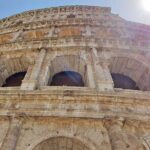
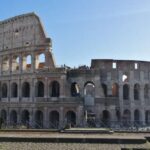
Then you get to the main stage: the Colosseum. You’ll spend about 50 minutes here, and the timing works because you’ve already built context in the Forum. That makes the arena feel less like a giant maze and more like a designed space with purpose.
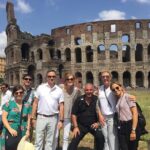
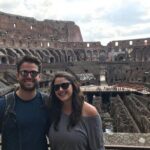
One of the best parts is the chance to take photos from the center of the arena. Most people shoot from the perimeter, craning necks up. Being closer to the middle lets you see scale correctly. It also makes it easier to understand how sightlines and movement would have worked during events.
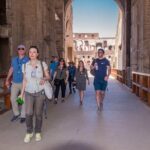
From the information shared for this experience, the guide focuses on what you can learn from where you’re standing. You’ll walk through the amphitheater area and then head toward the underground access portion that’s part of the limited-entry appeal.
Quick note on photos and behavior: sprays aren’t allowed inside the Colosseum. If you’re bringing anything like that, leave it behind. For the rest, you’ll find plenty of photo opportunities, especially after you understand the shape of the arena relative to the spaces below.
Outside-the-stadium history: Constantine, Via Sacra, victory arches, and temples
Not all the “Roman wow” is inside the Colosseum footprint. The tour includes a set of exterior stops that help you connect Ancient Rome to later Rome and beyond.
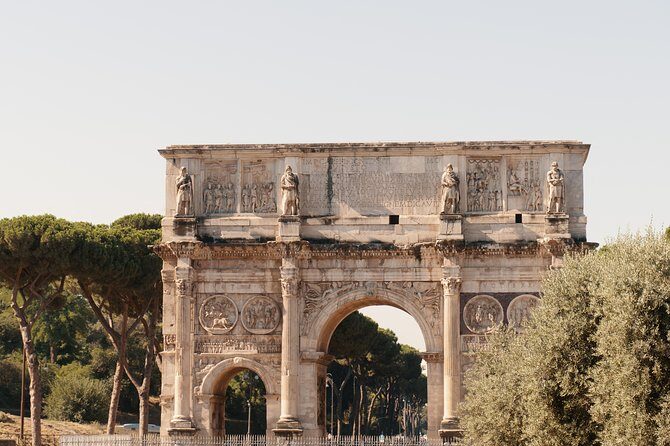
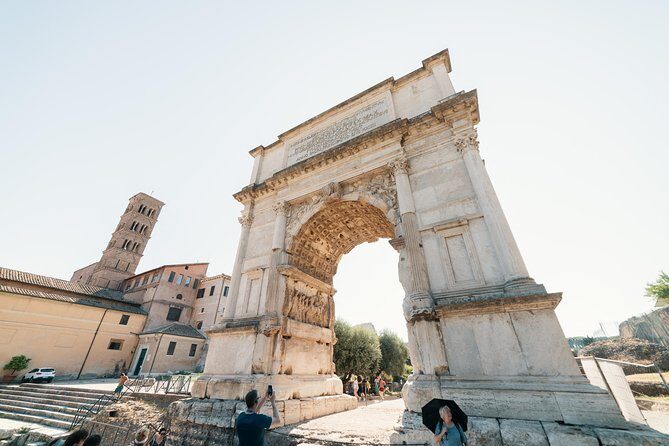
You’ll pause at the Arch of Constantine, tied to the reign of Rome’s first Christian emperor. This is a good moment to slow down because triumphal architecture is one of Rome’s strongest exports. The guide explains how the style influenced later triumphal arches, including the design of the Arc de Triomphe in Paris. That connection turns a single arch into a story about how empires copy each other.
You’ll also see one of the best-preserved Roman victory arches in the world. Victory arches aren’t just decorative. In Rome, they were a public announcement system. They advertise conquest, legitimize power, and translate military success into stone you can’t ignore.
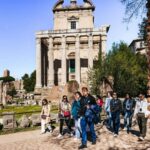
Back on the walk, you’ll pass the Via Sacra, again reinforcing the sense that the Forum and Colosseum sit within the same urban route. And you’ll get stops that focus on major religious and civic structures, including a highlight of one of Rome’s greatest basilicas of secular life and the Temple of Antoninus and Faustina, which was converted into a church in the 7th century.
This mix is one of the reasons the day feels fuller than a simple Colosseum-with-a-guide visit. You leave with a mental map: not only where the action happened, but how Roman design carried forward for centuries.
Other Colosseum Underground & Forum combo tours
Private tour value for the price: what you’re really paying for
At $576.10 per person, this is not a budget tour. But you’re not just paying for access to big monuments. You’re paying for time, guide focus, and the limited-access part of the Colosseum.
A big chunk of the experience value comes from the format. It’s a private tour with a maximum of 6 people per booking, and it’s only your group. That keeps the day from turning into a public stampede. It also makes it easier for the guide to adjust pace, answer questions, and take breaks for photos.
You’ll also get headsets for groups of 6 or more, which helps you hear the guide clearly even when the group is standing still in busy areas.
The ticket side is included, including the Colosseum entrance ticket value listed at €18 per person and a Colosseum reservation fee valued at €2 per person, plus entrance fees in general for the tour. The rest of the cost is essentially the guide, the planning, and the high-demand access that’s the hardest thing to buy on your own.
Why does that matter? Because the Colosseum and Forum are crowded enough that simply arriving at the right time doesn’t guarantee a smooth visit. Having a guide who can shape your route and keep you moving at a human pace is often what separates a tiring day from a truly memorable one.
There’s another practical value point from past experiences: guides on this tour can have deep credentials. Names like Elisa, Andrea, Marta, Stephanie, Luca Romano, and Ellie come up in the guide stories tied to this experience. You’re not guaranteed a specific person, but the overall pattern is clear: you should expect someone who can explain what you’re seeing in plain language and connect it to real excavation and architectural details.
What to expect on the day: timing, meeting point, and pacing
This tour runs for about 3 hours 10 minutes. It’s long enough to cover the Forum, Palatine, and the Colosseum in one connected story, but not so long that you’ll feel trapped inside crowds all afternoon.
You’ll meet at Via Labicana, 125, 00184 Roma RM and the tour ends at Largo della Salara Vecchia. There’s no hotel pickup, so plan to get there under your own steam. It’s near public transportation, so you can usually make it work with Rome’s bus/metro mix.
Bring a valid passport or ID that matches the name used at booking. Also, you’ll need full traveler names at booking, and the voucher must match what you present at the ticket office before entry. This matters because the Colosseum and Roman Forum do not play games with name mismatches.
The tour includes a mobile ticket, and the language offering is broad: English and several other languages such as French, Spanish, Arabic, Russian, Italian, German, Japanese, Chinese, and Portuguese. If you care about getting the full story (not just captions), choose the language that lets you ask follow-up questions comfortably.
Finally, plan for a moderate physical fitness level. You’ll walk, and historic uneven surfaces are part of the deal.
Who should book this Colosseum Underground private tour?
This is a strong fit if you want more than photos and facts. You’ll like it if you care about how the show actually worked, not just that gladiators fought in an arena.
It also works well for people who value guided context:
- If you’ve never visited the Roman Forum and want a clear narrative path
- If you’ve seen the Colosseum before and want a different perspective from the underground areas
- If you want a smaller, more controlled group experience (max 6)
Because it’s private and moderately paced, it can work for mixed ages too, as long as everyone can handle walking on uneven ground and standing for short stretches while the guide explains things.
If you’re the type who prefers total self-guided freedom, this might feel structured. But if you like having someone connect the dots between places, this route is designed for that.
Should you book this Colosseum Underground private tour?
Book it if you want the Underground access and you value a guide who can make the Forum and Palatine feel connected, not like three separate ticket stops. The arena photo time from the center plus the outside-route history stops give you a well-rounded Colosseum day, not a one-trick visit.
Skip it or reconsider if you have a hard budget or if weather is a big concern for your trip dates. The Underground section can close in heavy rain, and access is only confirmed about one month before. Still, even in that case, the tour has a backup plan that shifts you to another important site in the Forum, so you’re not left with nothing.
If you care about value, here’s the way I’d frame it: you’re paying for the part of Rome that’s hardest to DIY. Limited-access underground areas, a smaller private group, and a guided story that helps you understand why these stones were built in the first place.
FAQ
How long is the Colosseum Underground private tour?
It’s approximately 3 hours 10 minutes.
Is this tour private?
Yes. It’s a private tour/activity with a maximum of 6 people per booking, and only your group participates.
Does the tour include access to the Colosseum Underground?
The tour aims to include admission to limited-access areas of the Colosseum, including the Underground section. Confirmation of the Underground section is available about one month prior. If they can’t secure it, a special entrance to the Tiberian House in the Forum is offered instead.
What happens if it rains heavily?
If there is heavy rain, the Colosseum Underground section may close without notice. Your guide will then explore other sections of the Colosseum and archaeological site.
Where does the tour start and end?
The meeting point is Via Labicana, 125, 00184 Roma RM, Italy. The tour ends at Largo della Salara Vecchia, 00186 Roma RM, Italy.
What is included in the price?
Included are entrance fees, a full tour with an expert guide, and Colosseum reservation/ticket items (with values listed for the ticket and reservation). Headsets are included for groups of 6 or more. Food and drink are not included.
Do I need an ID or passport?
Yes. Each traveler must present a valid passport or ID document that matches the name provided at booking for entry to the Colosseum and Roman Forum.