REVIEW · ROME
Colosseum Tour with Arena Floor & Roman Forum | Semi-Private Tour
Book on Viator →Operated by What a Life Tours · Bookable on Viator
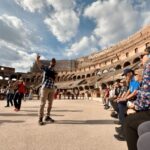
A gladiator’s seat in the Colosseum.
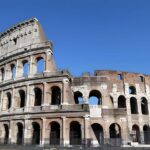
This semi-private Rome outing pairs special access to the arena with guided time in the Roman Forum and Palatine Hill, so you don’t just see ruins—you get the logic behind them.
I especially love that the tour is set up to get you moving fast (including line-avoidance at key entrances), and that you get a guide who puts the sites into plain, connected stories.
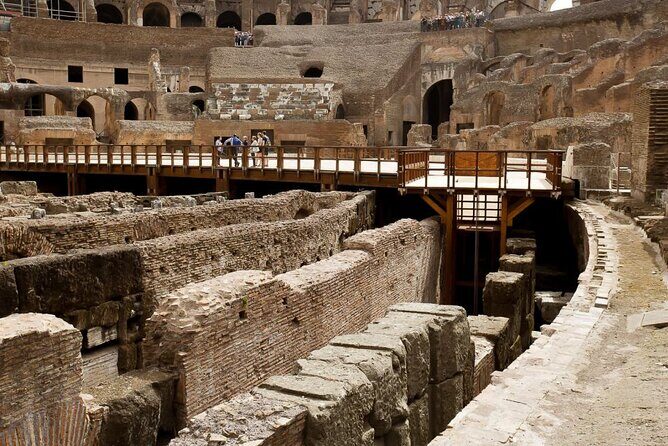
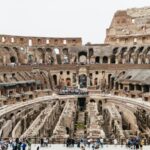
The arena-floor access is the standout: it changes how the Colosseum feels.
One thing to plan for: the day includes walking and some stairs/hills, and the route can be a bit demanding if you’re easily tired.
In This Review
- Key things to know before you go
- Why arena floor access changes the Colosseum
- The semi-private timing: 12 people, about 3 hours
- Colosseum stops you normally miss: gladiator entrance + the arena view
- Arch of Constantine: 15 minutes of marble politics (and one big clue)
- Roman Forum and Palatine Hill: how the city pieces fit
- Price and value: what $156.07 is buying
- Guides, pacing, and the small things that matter
- Practical tips for a smoother Colosseum day
- Who should book this tour (and who might want a different plan)
- Should you book this Colosseum Tour with Arena Floor & Roman Forum?
- FAQ
- How long is the tour?
- Where does the tour start and end?
- Is the tour in English, and will I get tickets included?
- Do I need ID for entry?
- What group size should I expect?
- Is hotel pickup included?
- Is there walking or stairs?
Key things to know before you go
- Arena floor access puts you where the action happened, not just where people stand for photos
- Semi-private size (max 12) keeps the pace calmer than the big bus tours
- Forum time is line-light so you spend more time looking and asking questions
- Constantine’s Arch details matter (marble propaganda with surprising symbols-or lack of them)
- Palatine Hill views connect the city: Forum, Circus Maximus, and the imperial palaces’ footprint
- Bring an ID that matches your booking exactly—entry can be refused if names don’t match
Why arena floor access changes the Colosseum
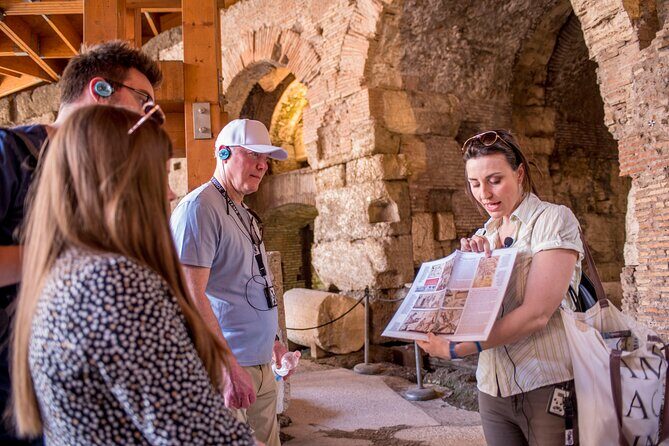
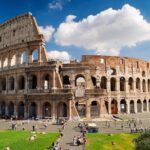
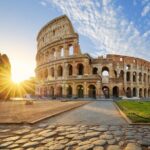
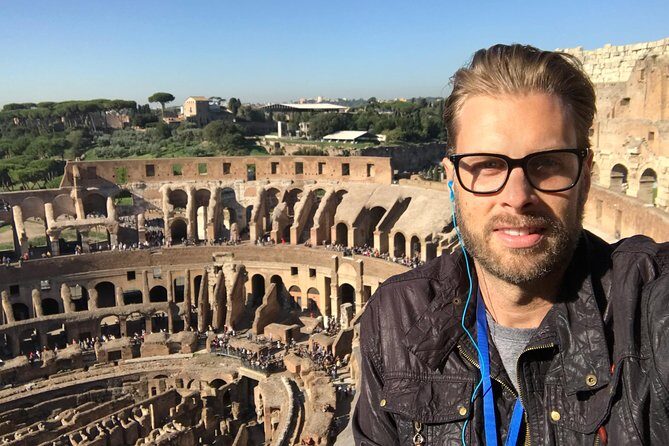
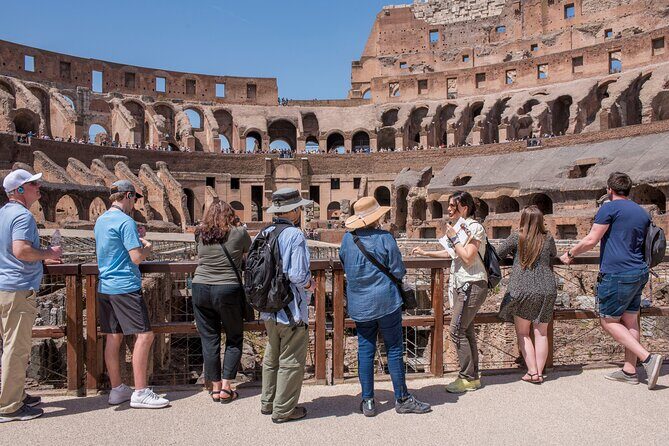
The Colosseum is big. Everyone knows that. But standing on the arena floor shifts the experience from looking at a structure to picturing a show. You’re right in the “stage” space—closer to the scale of everything, and more aware of the direction of the ancient seating and passageways.
This tour also gets you in through a route many standard tickets don’t use. That matters because you’re not stuck in the same crowded flow. Instead, you’re funneled to parts of the site that feel like they were designed for performers and officials, not casual walk-ins.
A good guide turns that physical change into a mental one: what happened where, how spectators moved, and why the Romans built an arena like this in the first place. And if you’ve been to the Colosseum before, it still hits differently when you’re on the floor.
Other Roman Forum tours we've reviewed
The semi-private timing: 12 people, about 3 hours
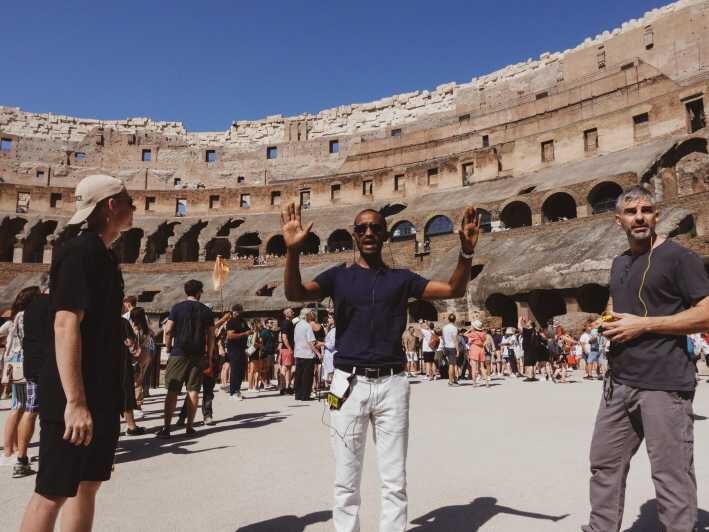
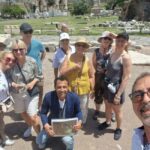
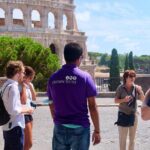
The tour runs about 3 hours (often a touch longer depending on how questions and pacing land). The group limit is 12, which shows up in real life: you can actually hear the guide, and you can ask follow-ups without feeling like you’re interrupting a traffic jam.
You also get a choice between morning or afternoon departures. Morning can mean less heat and fewer crowds in the general area; afternoon can feel nicer if you’re trying to sync with your wider Rome plan. Either way, the tour is designed to keep you from wasting the best daylight hours standing still in lines.
The trade-off is tight scheduling. This is a “see the key places with focused time” kind of tour. If you want hours to linger in just one corner, you’ll need to pair it with some independent time before or after.
Colosseum stops you normally miss: gladiator entrance + the arena view
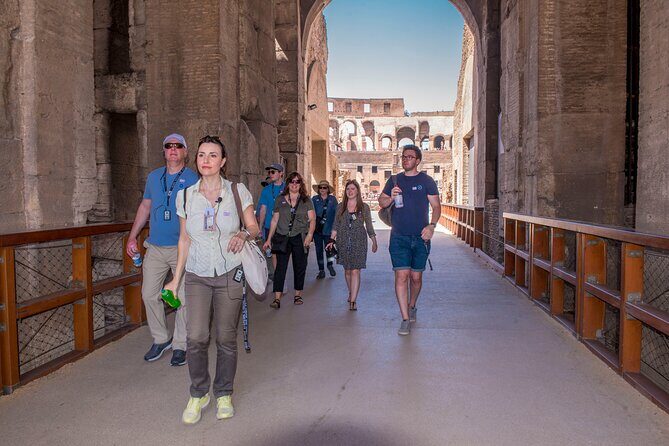
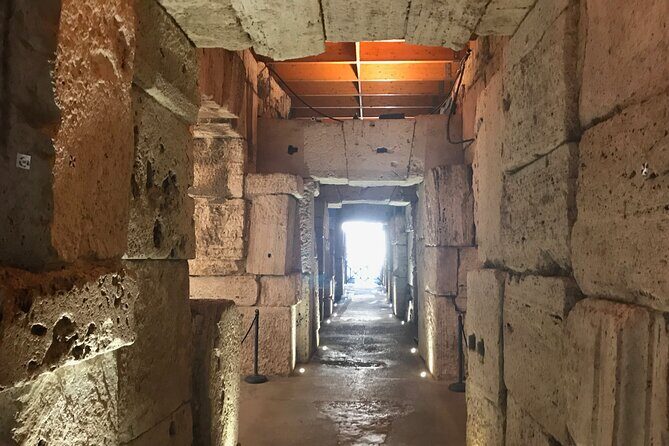
Inside the Colosseum, you’ll get a guided walk that’s built around the parts people often skip: sections closed off to standard admission and perspectives that feel closer to the building’s original workflow.
You’ll start with your Colosseum time, including arena floor access and a guided explanation of what different spaces were used for. Expect talk that connects the engineering and the performance:
- How the structure could support crowds at scale
- Why certain areas mattered for organizers and officials
- How the games reflected politics and social values
It’s not just “here’s a wall.” The best moment is when your brain re-calibrates. From the floor, the arena feels less like an exhibit and more like a system—made of stone, ramps, gates, and motion.
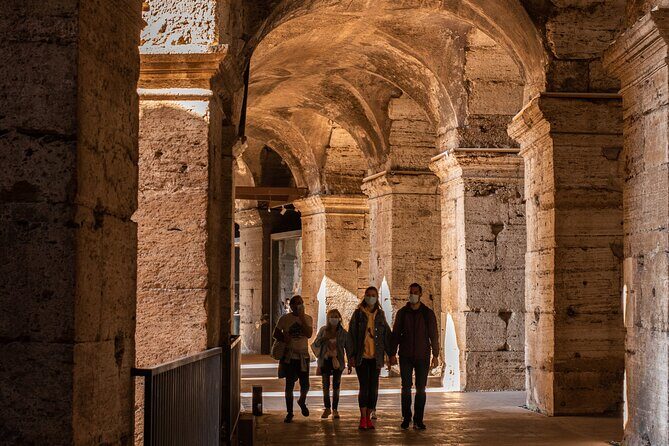
Practical note: the experience can involve climbing stairs and moving through uneven ancient surfaces. One review specifically called out the need to climb stairs and hills. If you’re bringing someone with limited stamina, think about slowing down the pace by telling the guide early.
Arch of Constantine: 15 minutes of marble politics (and one big clue)
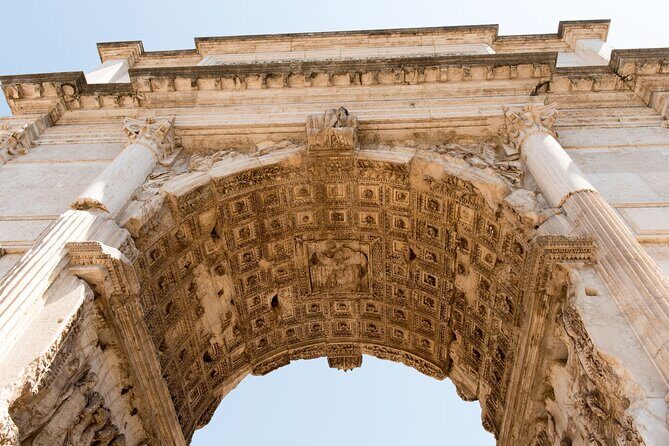
After the Colosseum, you’ll hit the Arch of Constantine, which is a perfect “short stop with sharp meaning.” You’re there long enough to get the visuals and key stories, but not so long that it eats your day.
Here are the details that make this arch worth your attention:
- It was erected in 315 AD to commemorate Constantine’s victory over Maxentius
- Constantine claimed help connected to Christianity, but there are no Christian symbols on the arch
- You’ll see statues of Dacian prisoners and reliefs tied to Marcus Aurelius giving bread to the poor
- The interior shows Emperor Trajan’s victory over the Dacians
That mix is the point. The arch isn’t just a pretty monument; it’s propaganda made of reused imagery, shifting messages, and carefully chosen references. In a short time, you’ll understand why Romans liked to borrow authority from earlier rulers.
Potential drawback: 15 minutes sounds quick because it is quick. If you’re the kind of person who could spend an hour reading carvings, plan a quick return visit on a separate day.
Roman Forum and Palatine Hill: how the city pieces fit
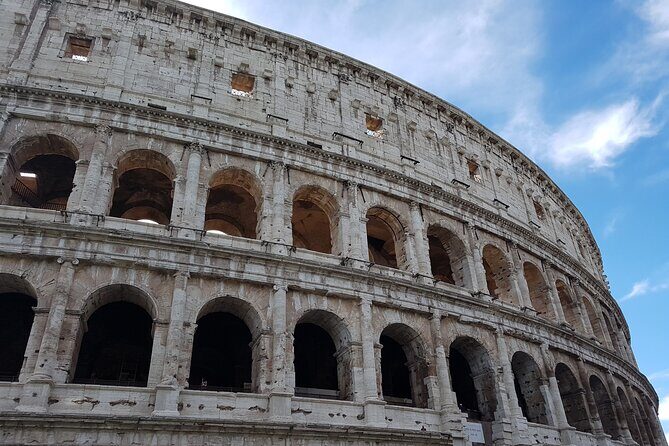
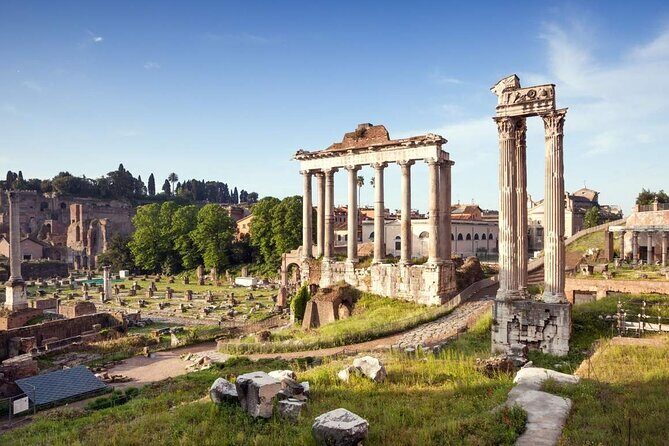
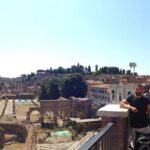
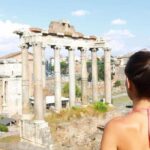
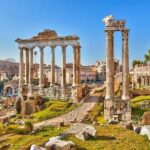
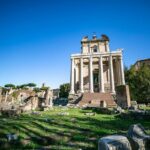
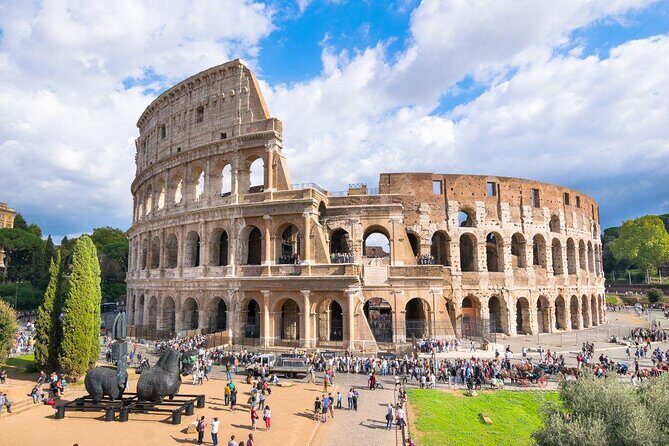
The Roman Forum is one of those places that can feel chaotic if you’re there solo. With a guide, it turns into a map of power: temples, columns, and the layout of a civic and ceremonial center where people once made history in public view.
A key benefit here is avoiding time-wasting lines at entry, so you can spend your energy on observation and questions. Once inside, you’ll get a guided walk through the ruins with explanations that make the “what” and the “why” line up.
Then comes Palatine Hill, which many people treat like the leftover hill. Here, it gets its due because it ties directly to the Forum and the broader story of Rome.
On Palatine Hill, you’ll hear:
- The legend that Romulus founded Rome there
- The archaeological record pointing to settlements beginning as early as the 8th century BC
- The etymology idea that the word “palace” comes from Palatine
- Views that look over the Forum and toward Circus Maximus
- The remains of imperial palaces, showing what elite life looked like when you had the power to build
The payoff is the panorama. From Palatine, you stop thinking of these sites as separate “attractions.” They feel like one connected city built in layers: government, ceremony, entertainment, and residence, all within sight-lines that mattered.
Comfort note: this part of the tour involves more walking on uneven ground. One review mentioned that the tour included a lot of walking, and pacing can matter a lot for family groups.
Other Colosseum Arena Floor tours bundled with the Forum
Price and value: what $156.07 is buying
At $156.07 per person for about three hours, it’s not the cheapest way to do Rome’s headline sights. But this tour isn’t priced like a casual “walk and look” package.
Here’s where the value comes from, based on what’s included:
- A professional English guide
- Semi-private group size (max 12)
- Colosseum reservation and arena floor special access (arena floor access is valued at €24 per person in the details you provided)
- Entry tickets for the Colosseum, Roman Forum, and Palatine Hill
- Another layer of coordination: skipping or reducing waiting time at key points
In plain terms: you’re paying for time saved, access that’s harder to get on your own, and interpretation that makes the sites feel like a story instead of a checklist.
If you’re visiting Rome for the first time, or you want your Colosseum day to feel “complete” without spending the whole afternoon researching how everything connects, this price starts to look fair.
If you’re on a strict budget and don’t care about arena-floor access, you can probably do it cheaper. But you’d be giving up the part that most dramatically changes how the Colosseum lands in your memory.
Guides, pacing, and the small things that matter
The strongest theme in the feedback is how much the guide’s delivery drives the experience. People praised tour guides by name—John, Vasco, Daniella, Robert, Manuela, Carlotta, Tony, Esmeralda, and Tonia—and repeatedly mentioned things like:
- strong storytelling that connects what you’re seeing
- using visual comparisons (how it looked then vs. now)
- answering questions without rushing
- keeping a pace that works for the group
Pacing is personal. One review said the guide went quickly and that elderly parents struggled to keep up. Another noted the guide offered a chance to leave if someone needed a break, while the rest of the group continued.
So my advice is simple: if you have mobility limits, say it early. A semi-private setup gives the guide room to adjust, but you have to give them the signal.
Also, if you’re visiting in hot weather, one review specifically mentioned the guide using shade and AC well on a warm day. That’s not guaranteed everywhere, but it’s a reminder to dress for heat and wear sunscreen.
Practical tips for a smoother Colosseum day
A few details can make the difference between a great morning and a frustrating one:
- Arrive early: plan on being at Piazza del Colosseo, 21 about 15 minutes before start time. Rome streets can be confusing.
- Bring the right ID: names on your reservation must match your ID exactly, or entry can be refused. Bring a valid document—no photocopies.
- Expect walking: this isn’t a sit-down museum tour. It includes stairs/hills and uneven ancient surfaces.
- Use the mobile ticket: your tour includes a mobile ticket, which helps at entry, but you still need your ID ready.
- Know the route ends near dinner: the tour finishes just outside the Roman Forum area, where your guide can point you toward good food spots.
One more “real life” note: a couple of reviews mentioned the tour running longer than the stated time. That’s usually from question time and pacing choices. Build a little breathing room into your day.
Who should book this tour (and who might want a different plan)
This tour is a great fit if you:
- want arena floor access (that’s the big differentiator)
- like your Rome history connected—Colosseum to Forum to Palatine
- prefer a small group over a huge crowd experience
- want an English guide who can explain details without turning it into a lecture
It may be less ideal if you:
- have limited mobility and need a very low-stairs route
- hate tight time windows (the tour is structured, and you cover multiple sites)
- want to linger for long stretches in one place without moving
If you’re traveling with older family members, consider asking for a slower pace before you commit, or plan extra rest time after the tour.
Should you book this Colosseum Tour with Arena Floor & Roman Forum?
If you can swing the price, I think this is worth it for two reasons. First, arena floor access is the kind of upgrade that changes how the Colosseum feels, not just how it looks. Second, the tour links the Colosseum to the Forum and Palatine Hill so the day makes sense as one story of Roman power.
Book it if you want your time used well and you enjoy guided context. Skip it only if you’re chasing the lowest cost or you need a very gentle walking day.
FAQ
How long is the tour?
It runs about 3 hours. Some schedules may run a bit longer depending on timing and pacing.
Where does the tour start and end?
It starts at Piazza del Colosseo, 21, Rome, and ends just outside the Roman Forum (near Roman Forum, 00186 Rome).
Is the tour in English, and will I get tickets included?
Yes. The tour is offered in English, and the Colosseum/Forum/Pallatine Hill tickets and entry fees are included, with a mobile ticket provided.
Do I need ID for entry?
Yes. Names on the reservation must match the names on your valid ID document exactly. Bring a real ID (no photocopies), because documents will be checked.
What group size should I expect?
The tour has a maximum of 12 travelers, which is the semi-private part of the experience.
Is hotel pickup included?
No. Hotel pickup and drop-off aren’t included, so you’ll need to make your own way to the meeting point.
Is there walking or stairs?
Most people can participate, but the experience involves walking, and at least some parts of the route include stairs and hills.
If you tell me your travel dates and whether you’re doing a morning or afternoon start, I can help you pick the best time slot and what to wear for comfort.