REVIEW · ROME
Palatine Hill and Roman Forum Tour with Fast-Track Entrance
Book on GetYourGuide →Operated by Tour in the City - Travel Agency Rome - · Bookable on GetYourGuide
Rome feels closest here. The Fast-Track entrance and headsets make it easy to hear every detail while you move through two of Rome’s most powerful archaeological zones. I especially like how the tour connects the myths and the politics, so names like Romulus and Remus stop being trivia and start sounding like real people with real stakes. One thing to consider: it’s only 2 hours, so you’ll see a focused slice of the ruins rather than every corner you might want to wander.
You’ll also get some of the best views you can reasonably fit into a short visit, including a sweeping look over the Circus Maximus and the valley of the Forum. I like that the stops aren’t random: you walk from Palatine Hill’s older settlement story into the Roman Forum’s main monuments like the Temple of Julius Caesar and the Arch of Titus, then end back at the meeting point. The main drawback is practical—there’s a moderate amount of walking and some uneven steps, and the tour isn’t set up for wheelchairs or mobility limits.
In This Review
- Key highlights worth making time for
- Where the tour starts (and how you’ll actually get in)
- Palatine Hill: the older Rome that explains the later power
- The Forum loop: Temple, triumph, and the machinery of Rome
- The Sacred Way and triumphal roads: why ceremonies mattered
- Views, photos, and pacing during a 2-hour visit
- Price and value: $293.41 for speed, access, and a real guide
- Who this tour suits best (and who might want a different plan)
- Should you book this Palatine Hill and Roman Forum Fast-Track Tour?
- FAQ
- How long is the Palatine Hill and Roman Forum tour?
- Do I need ID to enter Palatine Hill and the Roman Forum?
- Where do I meet the guide?
- Is there fast-track entrance?
- Are headsets provided?
- What language is the live guide?
- Is the Colosseum included in this tour?
- Is food or drinks included?
- What should I wear or bring?
- Is the tour suitable for wheelchair users or mobility impairments?
Key highlights worth making time for
- Fast-track entrance helps you skip the main entry line through a separate entrance
- Headsets (for groups over 8) keep the narration clear even with crowds
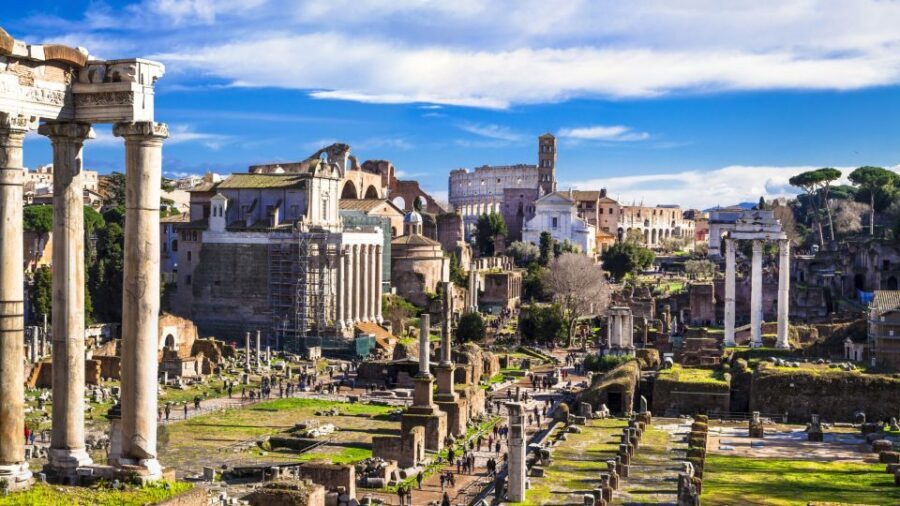
- Palatine Hill panoramic views over the Circus Maximus and Forum valley
- Forum anchor monuments including the Temple of Julius Caesar and Arch of Titus
- Vestal Virgins, Senate House, and Basilica of Maxentius in one efficient route
- Live guide storytelling that turns stones into a political drama you can follow
Where the tour starts (and how you’ll actually get in)
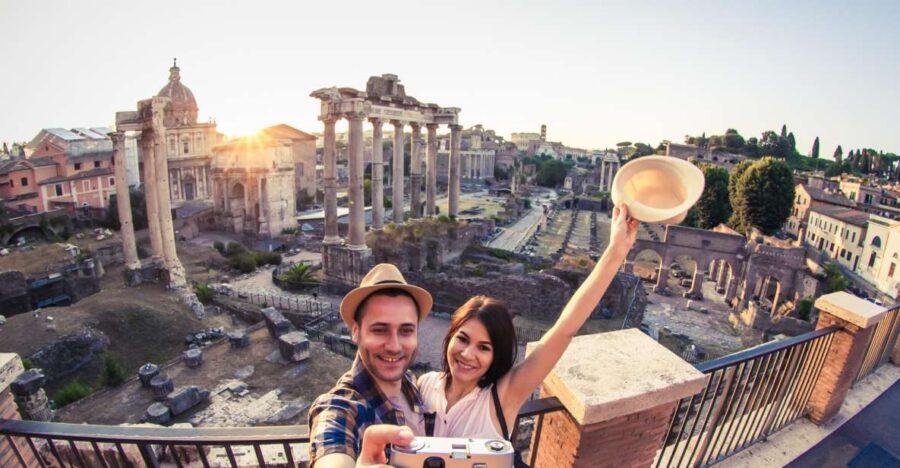
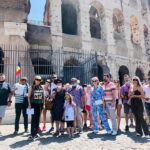
This tour meets at street level in front of Oppio Caffe, on Via delle Terme di Tito at the corner of Via Nicola Salvi. Your guide holds a signboard with your name, and the experience ends back at that same spot.
The big advantage is the fast-track entrance. Even with that, plan for security and the possibility of short lines because this is still a high-security, high-demand site. You’ll pass through metal detectors at the checkpoint, and you’ll want to show up ready to move. I’d also build in a buffer for meeting-time stress, since one small snag mentioned by past guests was arriving earlier than they expected. If you’re the type who needs a few minutes to get oriented, just aim to be there with calm time.
What to bring is straightforward:
- A passport or ID card (required for entry)
- Comfortable shoes for uneven surfaces and stairs
What not to bring:
- Baby strollers, luggage, large bags, and backpacks
- Selfie sticks, walking frames, weapons/sharp objects
- Anything like alcohol or drugs, plus sprays/aerosols
If you’re traveling light, you’re already set. If you’re traveling with a daypack, note there’s no cloakroom service once you’re inside the Roman Forum area. Small bags are allowed, but you should be ready to carry what you bring.
Other Roman Forum tours we've reviewed
Palatine Hill: the older Rome that explains the later power
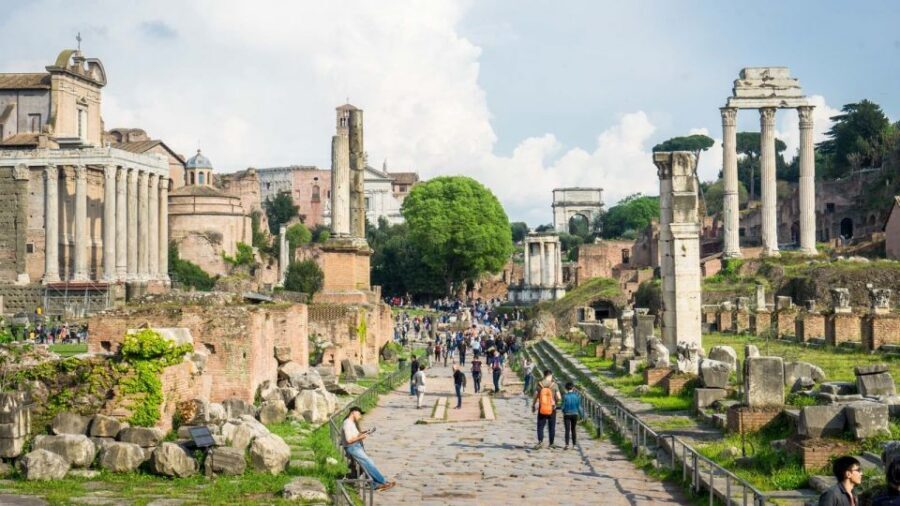
Palatine Hill is where the story starts to feel “deep” without needing to dig through guidebooks. You begin at the Palatine area and learn how this site ties back to an older settlement dating to around the 9th century BC. That timeframe matters because it reframes how you see the rest of the Forum. You’re not just looking at ruins that happen to be old—you’re standing on a place that fed the rise of Rome’s political center.
One of my favorite parts here is the approach to the views. From Palatine you get a striking look over the Circus Maximus and the valley of the Roman Forum. It helps you understand spacing and scale, which is hard to grasp if you wander solo. Even if you’ve seen photos before, the view from the hill makes it click: this wasn’t a single monument moment. It was a whole system.
You’ll also hear the legends of Rome’s founding—especially the story of Romulus and Remus, the brothers raised by a wolf, who later fought for control. The tour doesn’t just toss out the myth. It uses it as a way to talk about power, identity, and why Rome wanted its origin story to feel both animal and divine. It’s a good mental warm-up before you step into the Forum’s political monuments.
Practical note: Palatine Hill involves a moderate amount of walking and some stairs. You don’t need to be an athlete, but you do need to wear shoes that work on stone.
The Forum loop: Temple, triumph, and the machinery of Rome
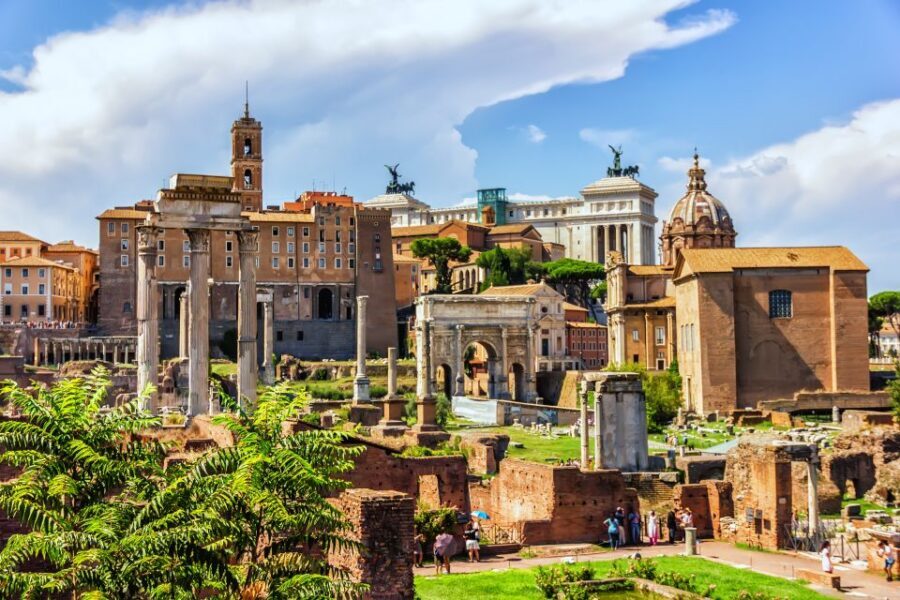
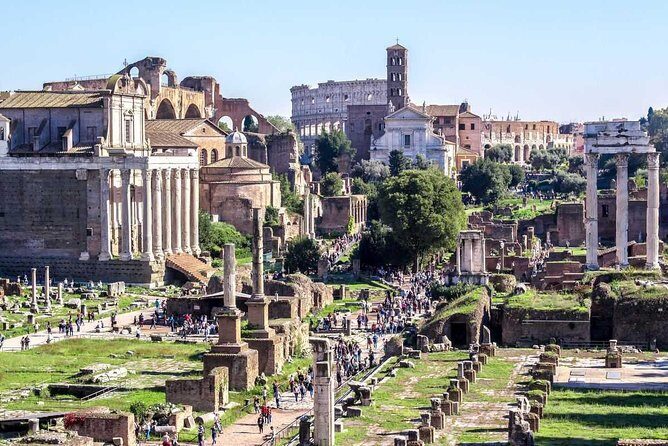
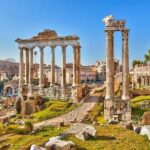
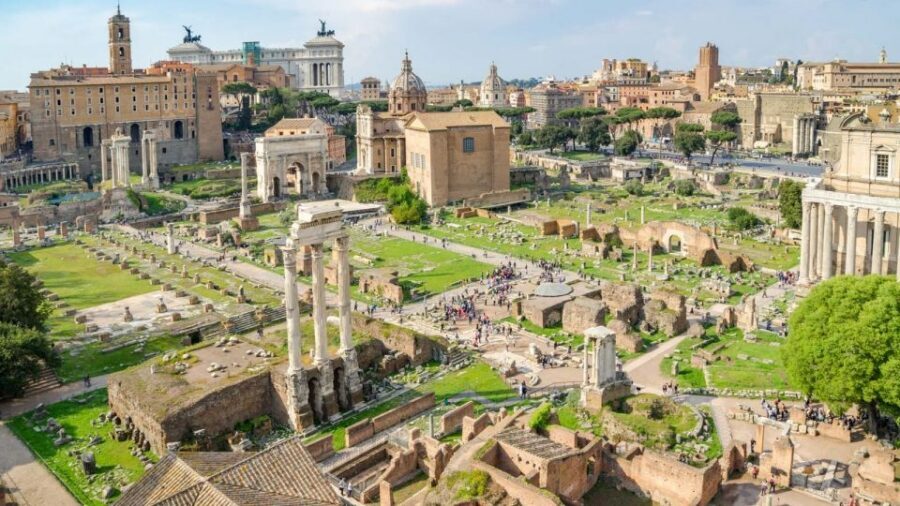
After Palatine, you move into the Roman Forum, which is often described as one of the most important archaeological areas in the world, and you’ll feel why fast. The Forum isn’t just impressive because it’s big. It’s impressive because it’s so clearly tied to daily governance, public religion, and the celebration of victory.
This is where the tour becomes a guided tour of power symbols. You visit major stops such as:
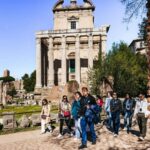
- Temple of Julius Caesar
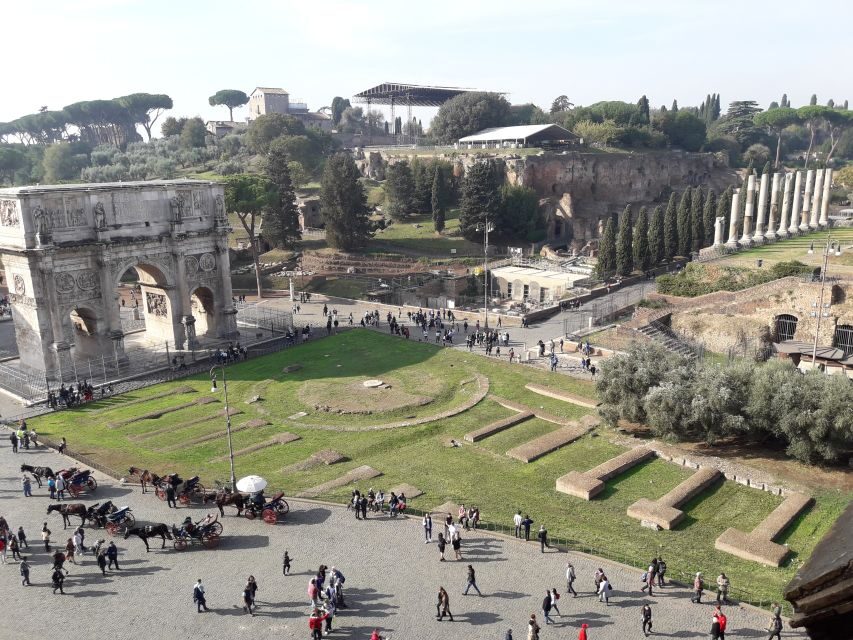
- Arch of Titus
- House of the Vestal Virgins
- Senate House
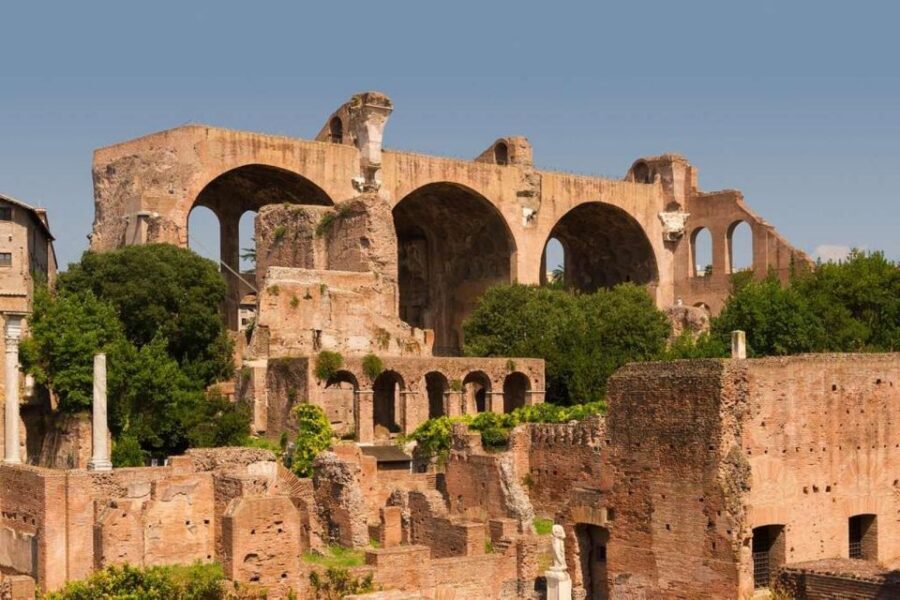
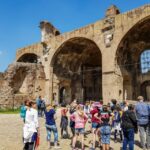
- Basilica of Maxentius
Each one helps you read the ruins differently.
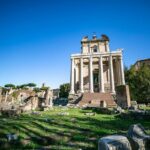
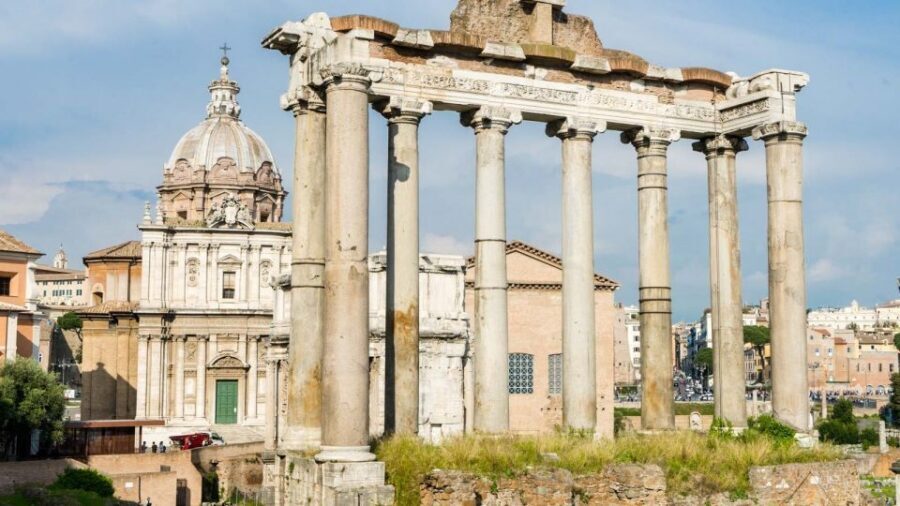
At the Temple of Julius Caesar, the focus is the way Rome turned political leadership into sacred status. The Forum is where public authority learned to look eternal.
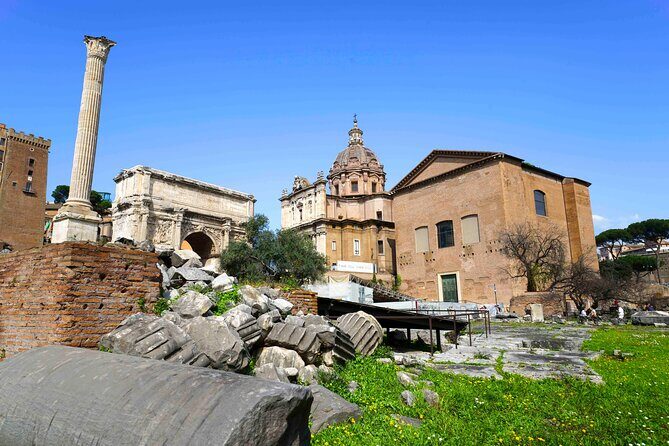
Then there’s the Arch of Titus, a triumphal monument that connects Rome’s political self-image to conquest. Arches like this were designed to make victory look permanent, and the guide helps you notice what that means as you stand in front of what’s left.
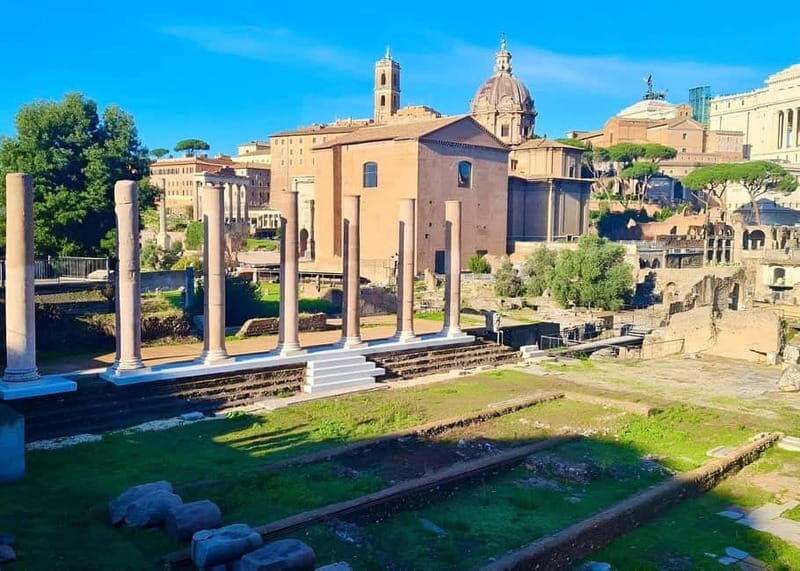
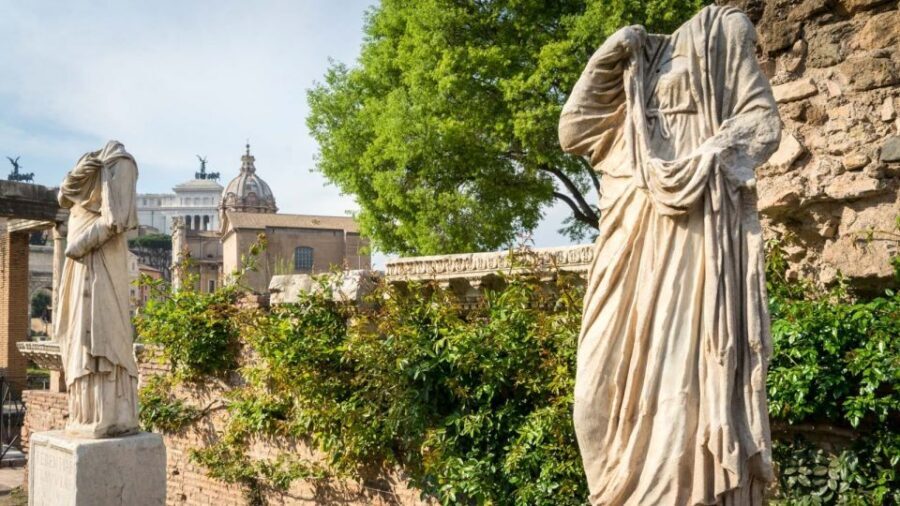
The House of the Vestal Virgins shifts the mood. Vestal Virgins weren’t just a religious detail; they were part of the system that made Rome feel protected and legitimate. This stop is a reminder that authority wasn’t only military and political—it was also ritual and symbolism.
At the Senate House and the Basilica of Maxentius, you get a clearer picture of how Rome handled decision-making and public life. Basiliæ weren’t just pretty buildings; they were where public business happened and where people gathered, argued, and moved through the day’s rhythm.
A key benefit of a guided route: you’re not left guessing what you’re looking at. Even if parts of these buildings are missing, the tour helps you piece together what the spaces were for and why the names matter.
The Sacred Way and triumphal roads: why ceremonies mattered
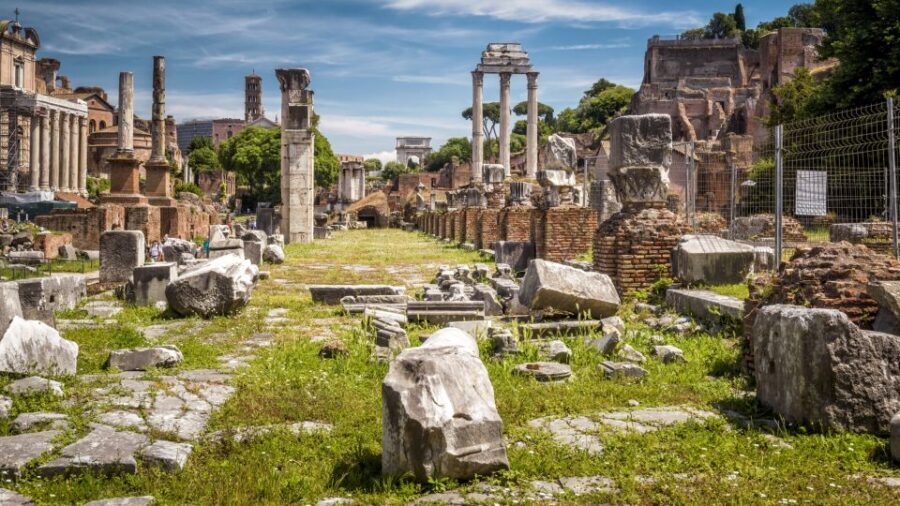
In the Roman Forum, you’ll also learn about the Sacred Way, described as a triumphal road where centurions marched after returning from battles and conquests. Standing in this kind of space changes how you picture Rome. It wasn’t only about winning wars. It was about turning victory into a public script.
You’ll hear how processions and ceremonies worked as communication. The city told itself stories—who deserved honor, what Rome believed about fate and power, and what kind of future it promised. That’s why walking the Forum with a guide feels different from looking at it as a collection of stones. You start seeing the event logic: route, monument, audience, and message.
If you like history that connects to culture and media, this part lands. You’re basically seeing how Rome mastered public storytelling using architecture.
Views, photos, and pacing during a 2-hour visit
This tour is tight: about 2 hours, with fast-track entry and live narration. That’s great if you’re doing a “Rome highlights” plan and don’t want to spend half a day in one archaeological zone. But it does mean the guide prioritizes the most legible parts of the story.
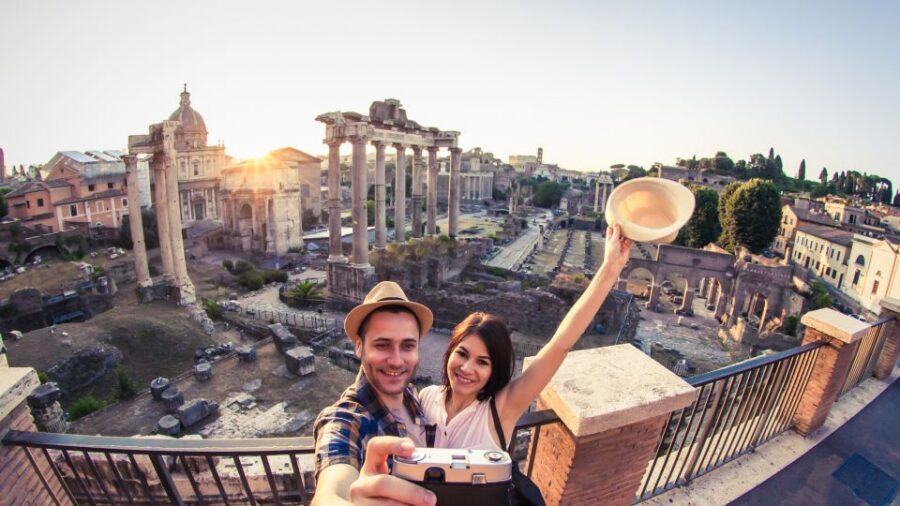
You’ll get panoramic views from Palatine and plenty of photo opportunities in the Forum, including angles that show how the sites sit in relation to each other. One practical advantage of guided time here is that the guide often manages the flow so everyone can hear through the headsets and still grab photos. The narration matters because the Forum is large and visually fragmented. Without guidance, it’s easy to feel like you’re walking between interesting rocks.
What to expect in terms of movement:
- A moderate amount of walking
- Steps and uneven stone surfaces
- A need to stay attentive when security lines or checkpoint checks slow the group
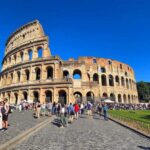
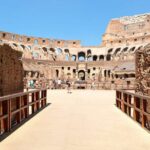
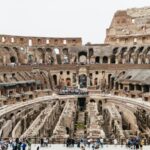
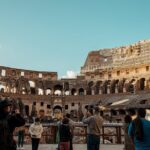
Also remember: this tour is not the Colosseum. You’ll see Rome’s earlier heart and political center, not the amphitheater. If you want the Colosseum too, you’ll need to pair it with a separate stop.
Other Palatine Hill tours we've reviewed
Price and value: $293.41 for speed, access, and a real guide
At about $293.41 per person for a 2-hour tour, this isn’t a budget add-on. The value comes from three things working together:
- Fast-track access that can save time when lines form
- A live official guide who explains what you’re actually looking at
- Headsets, which keep the group moving without losing the story
For many people, that mix is the sweet spot in Rome. You pay to reduce the hassle factor and to upgrade your understanding fast. If you’re the type who enjoys ruins but wants context more than wandering, the price starts to look reasonable.
If you’re the type who’s perfectly happy reading plaques and watching the crowd, you might feel it’s pricey for two hours. But if you want the Forum’s named stops connected into one storyline—Caesar to Titus to Vestals to senators—this tour is built for that goal.
Who this tour suits best (and who might want a different plan)
This is a strong choice if you:
- Want a first solid orientation to Rome’s political and myth foundations
- Like history that links power, religion, and public ceremony
- Prefer guided structure over wandering
- Care about hearing the narration clearly, thanks to headsets
It may be a tougher fit if you:
- Need wheelchair access or have mobility impairments (not suitable per tour info)
- Have back problems or find stairs and uneven surfaces difficult
- Want a slow, self-paced museum-style day
If you’re traveling with kids, the story-driven approach can work well, especially for families that like drama in the telling. The tour isn’t marketed as kid-free, and the myth-to-monument connection often keeps younger minds engaged.
Should you book this Palatine Hill and Roman Forum Fast-Track Tour?
I’d book it if you want the Forum and Palatine experience to feel coherent and guided, not like a scavenger hunt through scattered remains. Fast-track entry plus headsets is a practical win, and the route is focused on the Forum’s most meaningful monuments, including Julius Caesar, Titus, the Vestal Virgins, the Senate House, and the Basilica of Maxentius.
Skip it only if you already know you don’t care about guided storytelling, or if your plans are built around slow roaming and staying put when the crowd thickens.
If your time in Rome is limited and you want to understand what you’re seeing, this is one of the better ways to use two hours.
FAQ
How long is the Palatine Hill and Roman Forum tour?
The tour duration is about 2 hours, depending on the starting time you choose.
Do I need ID to enter Palatine Hill and the Roman Forum?
Yes. You must bring a valid passport or ID card. Security checks can prevent entry if your ID doesn’t match booking information.
Where do I meet the guide?
Meet in front of Oppio Caffe on Via delle Terme di Tito at the corner of Via Nicola Salvi. The guide holds a signboard with your name.
Is there fast-track entrance?
Yes. You use a separate entrance for fast-track access to the Roman Forum and Palatine Hill.
Are headsets provided?
Yes. Headsets are included for groups of over 8 people, to help you hear the live guide.
What language is the live guide?
You can get live guiding in Portuguese, English, Italian, Spanish, German, or French.
Is the Colosseum included in this tour?
No. The Colosseum is not included.
Is food or drinks included?
No. Food and drinks are not included.
What should I wear or bring?
Bring a passport or ID card and wear comfortable shoes for moderate walking and stairs.
Is the tour suitable for wheelchair users or mobility impairments?
The tour info states it is not suitable for wheelchair users and people with mobility impairments, back problems, or pre-existing medical conditions.