REVIEW · ROME
Esclusive Colosseum Tour with Roman Forum & Palatine Hill Access
Book on Viator →Operated by Italy In Love Tours · Bookable on Viator
Three stops. One big sense of place. This small-group tour strings together the Colosseum, Roman Forum, and Palatine Hill so you understand what you’re seeing instead of just checking boxes. You’ll get guided storytelling plus audio headsets, so you can move at your own pace and still catch the important bits.
I especially love how the Colosseum visit is guided for meaning, not just photos. And I like that the short stops on the Forum and Palatine Hill are timed so you leave with a clearer picture of day-to-day Roman power and origins. One possible drawback: the total time is tight, so if you arrive late or security slows entry, you may feel rushed through the Forum/Palatine.
In This Review
- Key Things You’ll Notice on This Tour
- Why This Colosseum-Forum-Palatine Combo Works
- Entering the Colosseum Without the Usual Headache
- How the Roman Forum Stop Turns Ruins Into a Story
- Palatine Hill: The Start of the Roman Legend and the Elite View
- Small Group Size and Audio Headsets: The Best Way to Keep Your Pace
- Timing, Security, and Why You Should Be Early
- Price and Value: What You’re Paying For at $177.33
- What the Guides Are Really Delivering
- Who This Tour Suits Best
- Should You Book This Colosseum-Forum-Palatine Tour?
- FAQ
- How long is the tour?
- What sites are included?
- Are admission tickets included?
- Do I need headphones or audio gear?
- How big is the group?
- What do I need to bring for entry?
- Do I need to send names in advance?
- Where do I meet?
- What if something closes at the last minute?
Key Things You’ll Notice on This Tour
- Audio headsets help you wander without losing the narration
- Small group size (max 12) keeps the pace more controlled
- Reserved Colosseum entry is built into the experience price
- Guide storytelling ties architecture to Roman life and politics
- Fast, focused Forum + Palatine stops give you context quickly
- Plan for security timing since Colosseum capacity rules can slow things down
Why This Colosseum-Forum-Palatine Combo Works
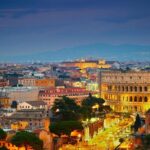
Rome’s ruins can feel like random stone piles unless someone puts them in order. What I like about this format is that it moves in a logical arc: the spectacle engine (the Colosseum), the civic heart (the Roman Forum), then the origin myth and elite neighborhood (Palatine Hill).
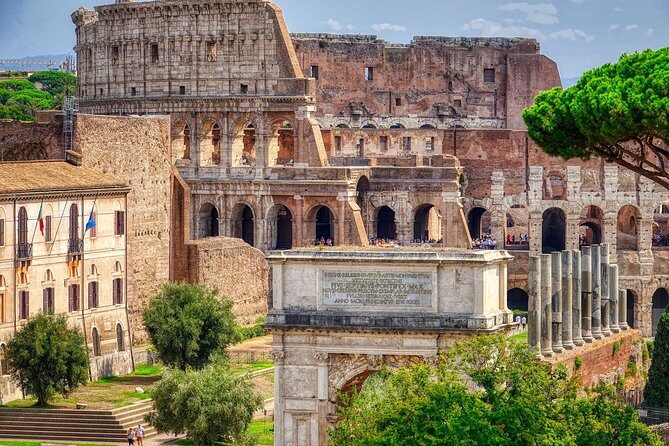
The Colosseum is a showpiece you see, but it’s also a machine for politics. The Forum is where power got argued, announced, and recorded in public space. Palatine Hill is where you get that bigger sense of who built Rome’s story—and how the wealthy lived on a hill that literally dominates the city views.
And because this is about a 2-hour guided route, it’s built for people who want a high-value first encounter. You’re not meant to stretch this into a whole-day archaeology session.
Other Forum, Palatine & Colosseum combo tours we've reviewed
Entering the Colosseum Without the Usual Headache
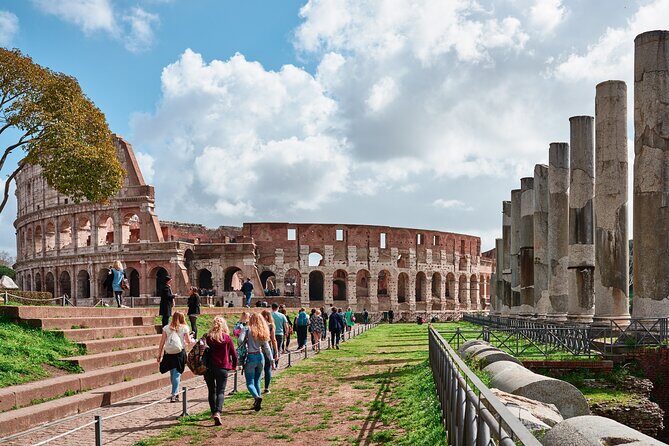
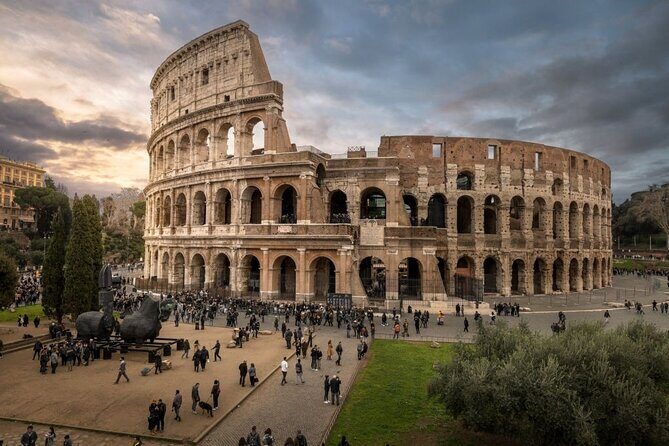
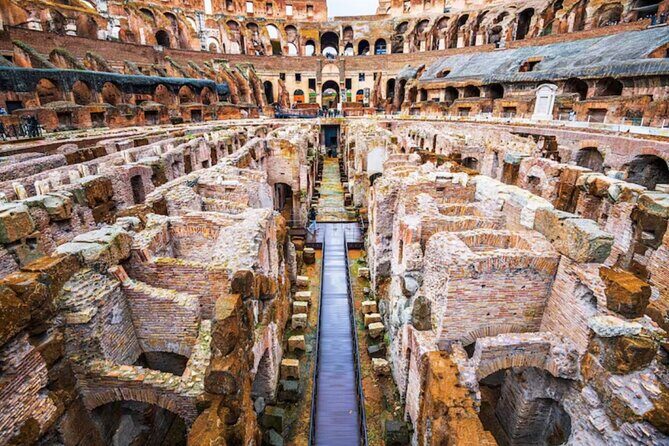
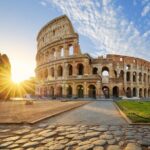
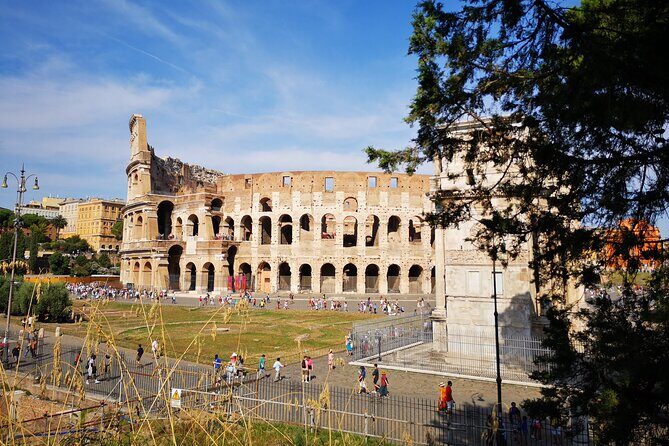
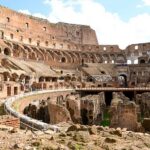
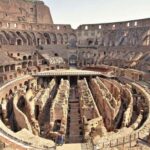
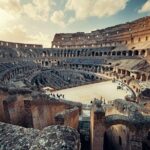
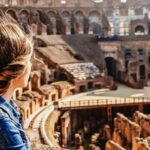
The tour’s first stop is the Colosseum, where you’ll spend about 1 hour inside with your guide. The big-ticket value here is the reserved entry component: you’re not starting from scratch trying to find the right ticket window while crowds surge.
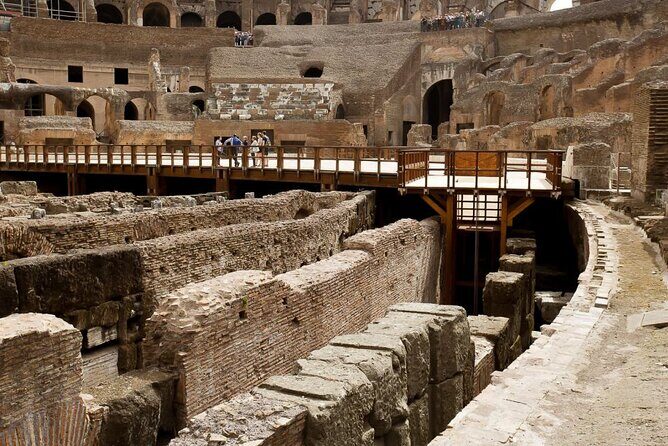
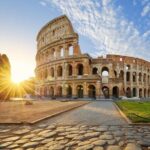
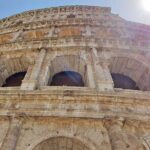
Inside, you’ll hear what the building was for—gladiator combat, animal hunts, and even large-scale set pieces like mock sea battles. You’ll also get help reading the structure: how the arches and vaults relate to Roman engineering, and why the building still feels “whole” even with centuries of damage from earthquakes and stone robbing.
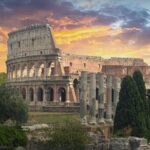
The Colosseum is one of the New 7 Wonders of the World, but the better point is that it’s the best place in Rome to learn how public spectacle worked. When the guide frames what you’re seeing as part of imperial messaging, the building stops being just impressive and becomes understandable.
Practical moment: expect to walk, look up, and move through security flow. One reason people get frustrated at the Colosseum is waiting and timing. This tour is designed to minimize that stress—still, capacity regulations and security can delay departure.
How the Roman Forum Stop Turns Ruins Into a Story
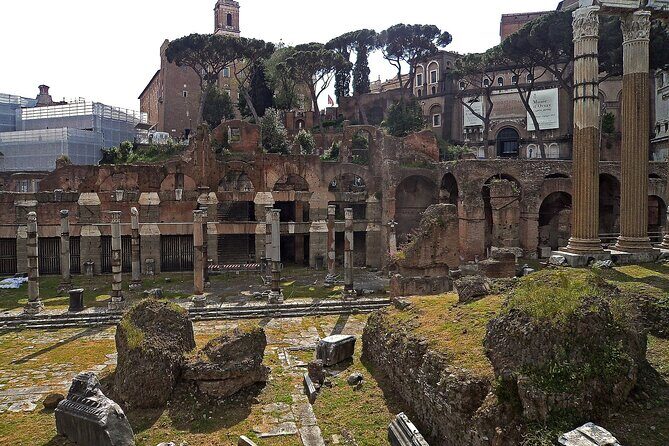
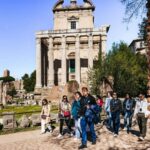
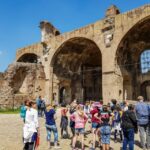
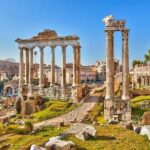
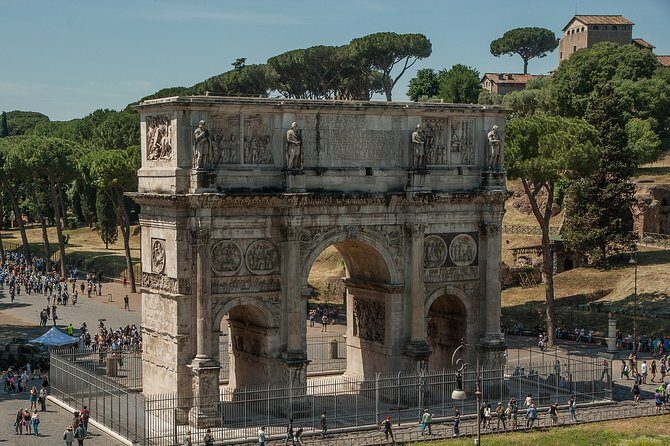
After the Colosseum, you’ll head to the Roman Forum for about 30 minutes. This is shorter than many people want, but it’s long enough to create context if you pay attention.
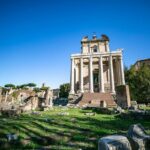
The Roman Forum wasn’t one single thing. It started as a marketplace area (often called the Forum Magnum) and evolved into the core of Roman public life—political, religious, and social. That matters because the Forum layout can look confusing if you don’t know what category you’re standing in. In this stop, you’ll get guided commentary that helps you sort out what’s “marketplace” space versus “government/religion” space.
This is also where the narration style really matters. When guides pace the stories well, you can feel how the Forum shaped city planning and civic identity. If the headsets are working properly, you’ll be able to step away briefly for a photo and still catch the thread of the explanation.
Reality check: 30 minutes goes fast in the Forum. If you stop often for pictures, or if you’re traveling slowly because of heat and crowds, you’ll want to keep your priorities straight.
Palatine Hill: The Start of the Roman Legend and the Elite View
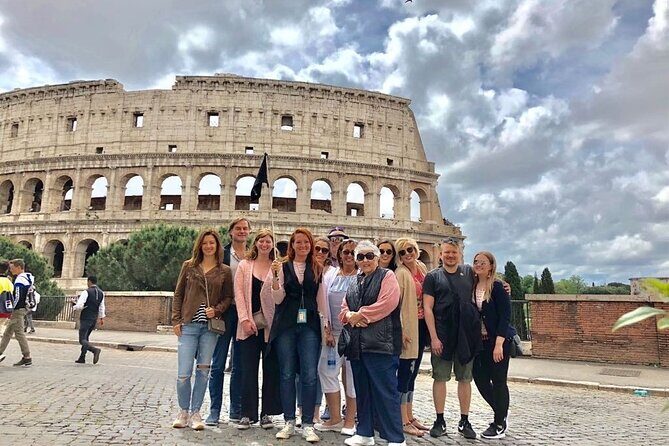
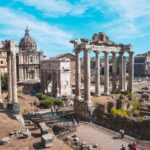
The final site is Palatine Hill for about 30 minutes. This is where Rome’s “seven hills” feel personal, not just memorized. Palatine Hill is central to the city’s founding story and also a major archaeological zone—so you get both mythology and real remains in the same space.
What I like about this stop is that it naturally shifts the mood from public spectacle and civic argument to personal power. The Palatine is associated with elite living and imperial presence, so the guided commentary tends to connect the dots between who ruled and where they chose to be.
Also, Palatine Hill tends to come with real-world terrain: steps, uneven ground, and a bit more walking than people expect. In one helpful review, the guide was considerate about letting people catch their breath after steep steps. That’s a good sign of a well-managed pace—but you should still plan for some physical effort.
Small Group Size and Audio Headsets: The Best Way to Keep Your Pace
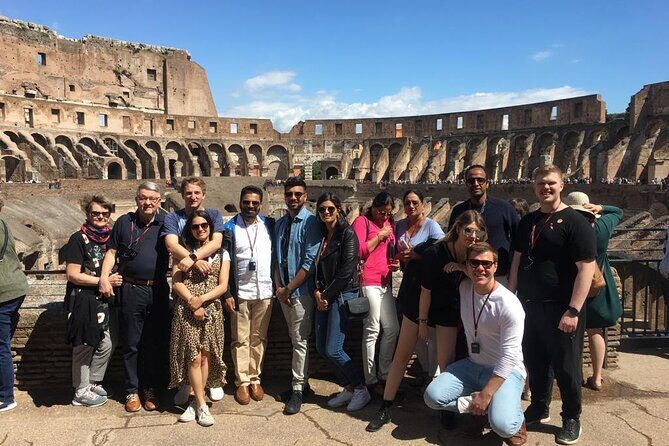
This tour caps at 12 travelers, which changes the experience. Big tours can feel like a moving train—stop, shuffle, repeat. With a smaller group, you’re more likely to get a manageable flow between sections, and your guide can keep people together without turning it into a sprint.
The headsets matter, too. The tour provides headphones (especially when the group size is 6+). That’s what lets you do something I really enjoy in Rome: step aside for a better angle or to re-check a detail, while still hearing the guide’s explanation. It’s a simple upgrade that prevents the common “walk behind the group or lose the story” problem.
If you notice a radio issue or audio breaks out, handle it quickly—raise it to the guide or staff on the spot so you can get back to hearing properly.
Other Roman Forum tours we've reviewed
Timing, Security, and Why You Should Be Early
The tour asks for a mandatory meeting time 30 minutes before the scheduled departure. This isn’t paperwork theater. It’s because entrance timing and security flow at the Colosseum can affect departure.
Capacity rules can delay entry, and last-minute venue closures can happen unpredictably. When that occurs, the team says they’ll adjust by offering an extended tour to preserve the advertised total length. Still, the big practical lesson is that you should treat the meeting time as the real start, not the showtime on your ticket.
If you’re planning Rome around this tour, also remember that you’ll be in direct Colosseum heat and crowd conditions early in the day. If you’re sensitive to sun or walking on stone, bring water and plan for a slower rhythm.
Price and Value: What You’re Paying For at $177.33
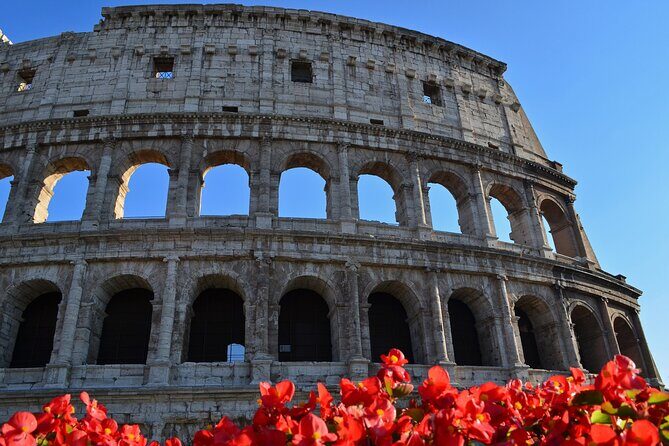
At $177.33 per person, this is not a cheap option—especially in a city where you can buy individual tickets yourself.
Here’s how I think about the value:
- The Colosseum ticket is part of the price, and the reservation fee is included (the Colosseum fee is stated as €18 + a reservation fee valued at €2 per person).
- The rest of the cost covers the guide time, coordination, and the services that turn a ticket into a guided understanding.
- The time saved is real: the Colosseum and Forum are hard to organize on your own during peak crowds, and reserved entry helps prevent wasted hours.
For me, this price makes sense if you want:
1) an informed introduction without planning battles, and
2) a short, structured route that fits into a busy Rome schedule.
If you’re the type who loves reading quietly and building your own route minute by minute, you might question the cost. But for most first-timers, the guide plus reserved entry is the difference between a confusing pile of ruins and a coherent story.
What the Guides Are Really Delivering
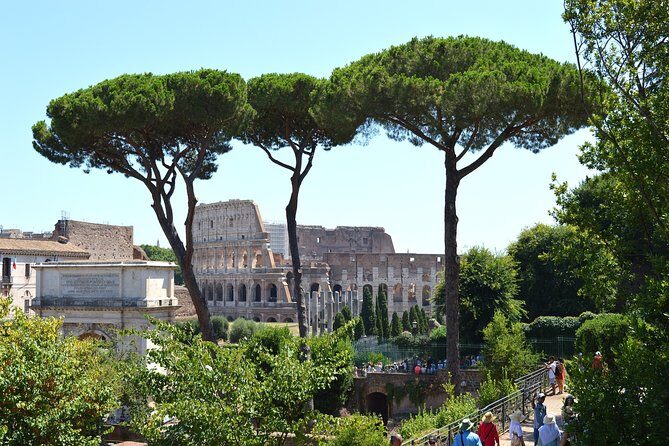
The best part of this experience is how the guide turns the space into a living system—spectacle, civic rules, and elite life.
In the reviews data you shared, several guides were singled out by name for style and patience. Names like Giovani, Giuseppe, Gino, and Dino appear as examples of guides who were entertaining, patient, and good at answering questions. Even when people didn’t rate everything perfectly, they often still credited the guide with strong explanations of what you’re looking at.
That’s a key point for you: this tour’s value depends on the guide and the flow of the group. If you arrive prepared, stay with the schedule, and wear comfortable shoes, you’re more likely to get that “oh, I finally get it” feeling.
Who This Tour Suits Best
This is a strong fit for you if:
- you want a first-time Rome overview of the three core ancient sites without building a route yourself
- you like guided storytelling but still want some freedom to step aside for photos
- you prefer a tight schedule that fits into a half-day plan
It may be less ideal if:
- you need lots of extra time in each location (especially if you struggle with steps or uneven stone)
- you hate waiting for security flow and would rather go at your own speed
Should You Book This Colosseum-Forum-Palatine Tour?
I’d say book it if your priority is value with structure: reserved entry, a guide who connects the sites to Roman life, and headsets that help you keep up without getting stuck in a tight line.
I’d hesitate if you know you’ll arrive late, you’re very sensitive to crowded entry conditions, or you want a slow, linger-at-every-detail day. In those cases, the time limits can feel constraining.
If you do book, do two things that pay off immediately: arrive 30 minutes early and plan for walking on stone and stairs. Your experience will feel much smoother once you treat the meeting time as the start of your day.
FAQ
How long is the tour?
The tour is listed as approximately 2 hours total.
What sites are included?
You’ll visit the Colosseum, the Roman Forum (Foro Romano), and Palatine Hill.
Are admission tickets included?
Yes. Colosseum and Roman Forum admission are included, and Palatine Hill access is part of the stop plan provided.
Do I need headphones or audio gear?
Headphones are included for groups of 6 people or more, and the tour highlights audio headsets so you can listen while moving.
How big is the group?
The tour has a maximum of 12 travelers.
What do I need to bring for entry?
Each participant must carry a valid passport or ID document, and the name must match what you provided at booking.
Do I need to send names in advance?
Yes. All participant names are required at booking for Colosseum entry, and name changes or cancellations aren’t permitted once confirmed.
Where do I meet?
The meeting point is Italy In Love Tours, Via del Cardello, 31, 00184 Roma. The tour ends at the Roman Forum.
What if something closes at the last minute?
If parts of venues are subject to unpredictable closures, the team says it will offer an extended tour to keep the total tour time aligned with the advertised length.