REVIEW · ROME
Guided Tour of the Colosseum Palatine Hill and Roman Forum
Book on GetYourGuide →Operated by MDA Tours · Bookable on GetYourGuide
Rome gives you instant drama.
I love the combo of Colosseum + Roman Forum + Palatine Hill in one tight walk, and I also love that you get headsets so the guide stays clear even when crowds get loud. One thing to consider: you still must pass security, and in peak periods you may deal with longer waits even with the skip-the-line advantage.
This is the kind of tour that makes Rome feel less like a museum and more like a living story. The big value is not just seeing the sites, but having someone connect what you’re looking at—arena design, political life, imperial homes—to the why behind it. If you hate crowds or need full accessibility, check fit before you book.
In This Review
- Key things to know before you go
- Where you’ll meet and how the tour starts
- Entering the Colosseum: arena energy without the guesswork
- The Colosseum Arena upgrade: what changes when you go inside the fighting space
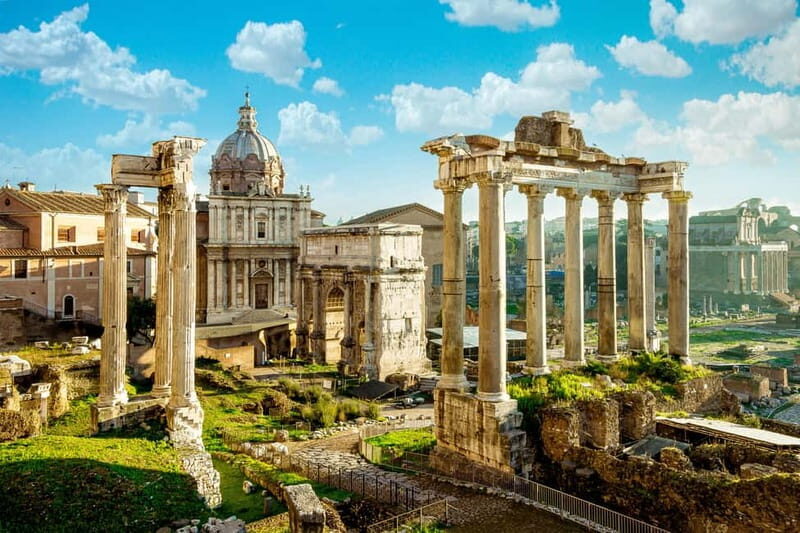
- Roman Forum: politics, commerce, and daily life in stone
- Palatine Hill: the view plus the origin story
- Headsets and pacing: why the guide is the real attraction
- Timing, heat, and when crowds change the feeling
- Value and price: is $51.24 a good deal?
- What to bring (and what Rome will not allow)
- Who should book this tour, and who should reconsider
- Should you book this Colosseum, Forum, and Palatine Hill tour?
- FAQ
- FAQ
- How long is the tour?
- What sites are included?
- Is Arena access included?
- Does the tour include tickets and a guide?
- Is there a skip-the-line benefit?
- Do I need to bring an ID?
- What language is the guide available in?
- Is the tour canceled if it rains?
- Where does the tour start?
- Is the tour suitable for wheelchair users?
- What’s not allowed during the tour?
Key things to know before you go
- Skip-the-line entry for the Colosseum: less time stuck at the start, more time actually looking.
- Headsets and radios: you’ll hear your guide clearly across three major areas.
- Optional Arena access: step into the fighting space if you upgrade.
- Palatine Hill panoramas: you’ll get Rome views from the place tied to the city’s origin stories.
- Small group option: a more personal pace if you choose that upgrade.
- Order can change at the Colosseum: internal site flow can shift the sequence.
Where you’ll meet and how the tour starts
This tour is run by MDA Tours, and the meeting point depends on the option you book. One listed start is Largo Gaetana Agnesi, Via della Polveriera, 8. The activity ends back at the meeting point, so you’re not left trying to regroup across the city.
Plan to show up a few minutes early. Rome’s meeting areas around the Colosseum are busy, and the tour groups can gather close together. If you’re easy to spot, you’ll find your group faster. If you’re trying to locate a meeting point while juggling your daypack, you’ll burn energy you’d rather save for the ruins.
What matters most for timing: the tour is designed for a 2.5 to 3 hour visit, but your exact start time depends on availability. In July and August, the tour runs shorter (about 2 hours) due to heat. That means you’ll want comfortable shoes, water (even if it’s not included), and a plan for sun exposure.
Other Roman Forum tours we've reviewed
Entering the Colosseum: arena energy without the guesswork
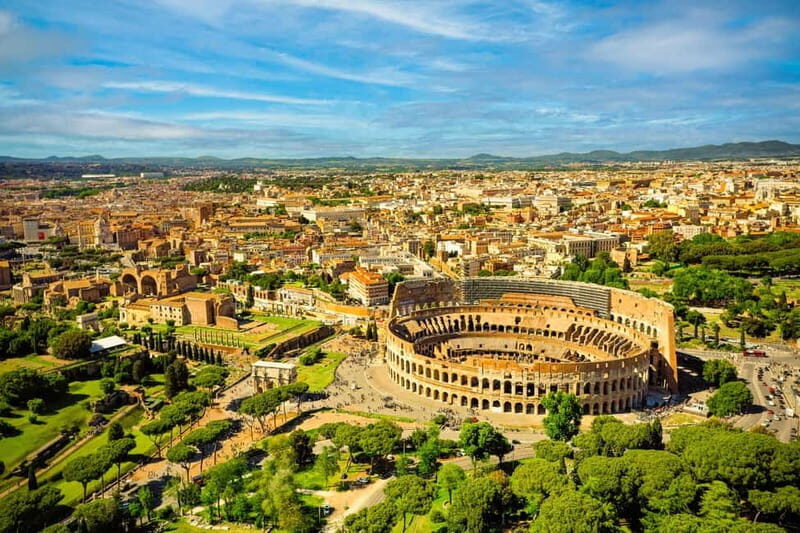
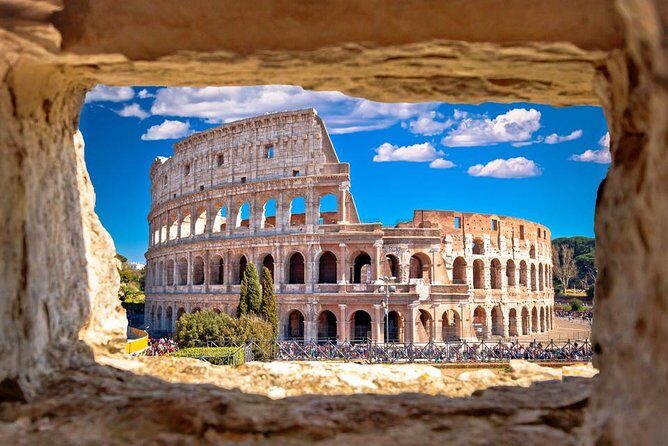
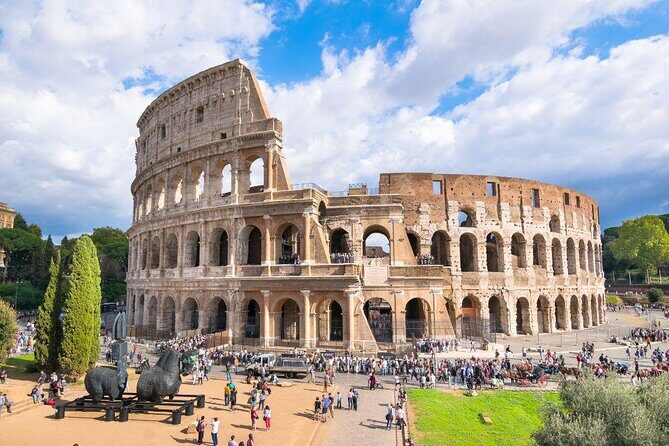
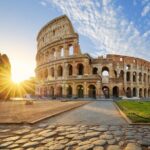
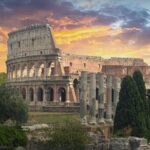
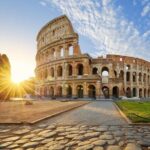
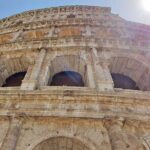
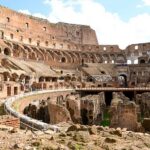
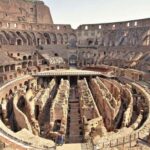
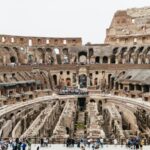
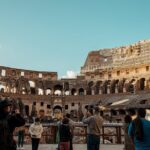
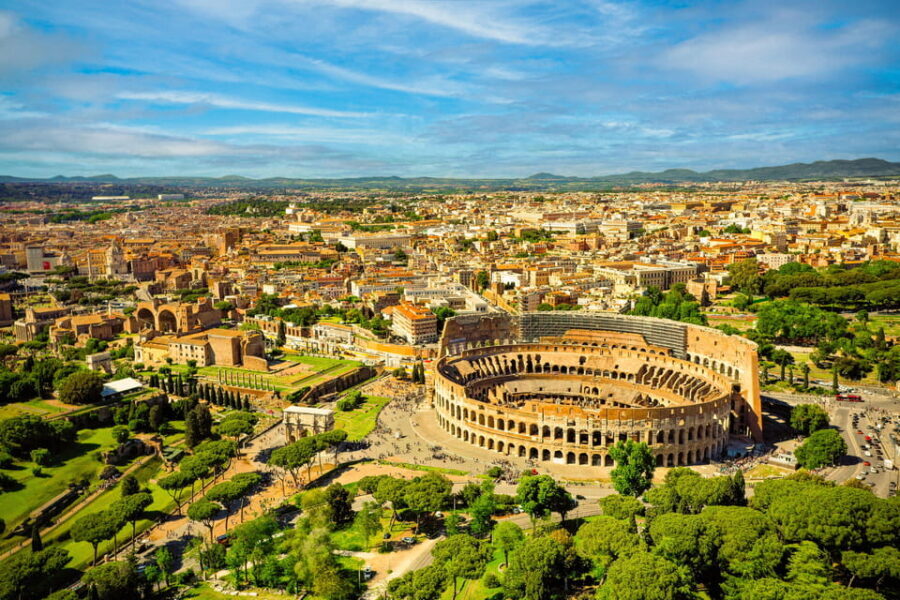
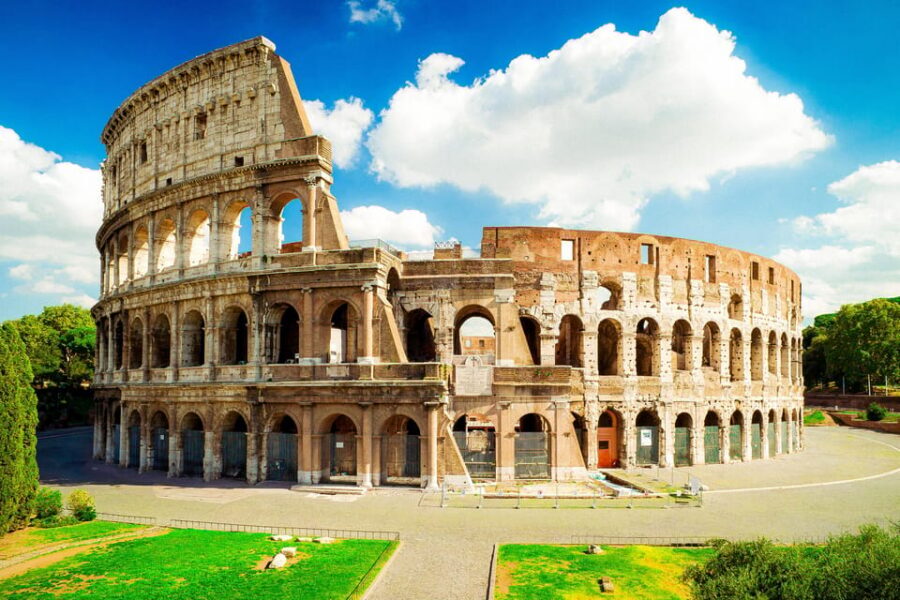
The tour begins at the Colosseum, Rome’s biggest stage for gladiator combat and imperial spectacle. You’ll get a guided tour there for about 1 hour, starting with entry that includes Colosseum entry and guidance, plus the promise of skip the ticket line.
Even with skip-the-line, you still go through security checks before entering the Colosseum and Roman Forum. In high season, waiting times through security can stretch longer than you’d expect, so treat this as part of the overall experience. The payoff is that once inside, you’ll be guided rather than wandering with a phone flashlight and a hope.
Here’s what I think you’ll appreciate most: the guide doesn’t just point to stone. They help you understand how the Colosseum worked. You’ll walk through the area connected to the action, and you’ll hear stories tied to the arena space—why it was built, how crowds would have experienced it, and how emperors used events as power and propaganda.
And yes, the moment you’re inside, it really hits. You’re looking at a structure that was designed to control sightlines and movement. Without guidance, it’s still impressive. With guidance, it becomes legible.
The Colosseum Arena upgrade: what changes when you go inside the fighting space
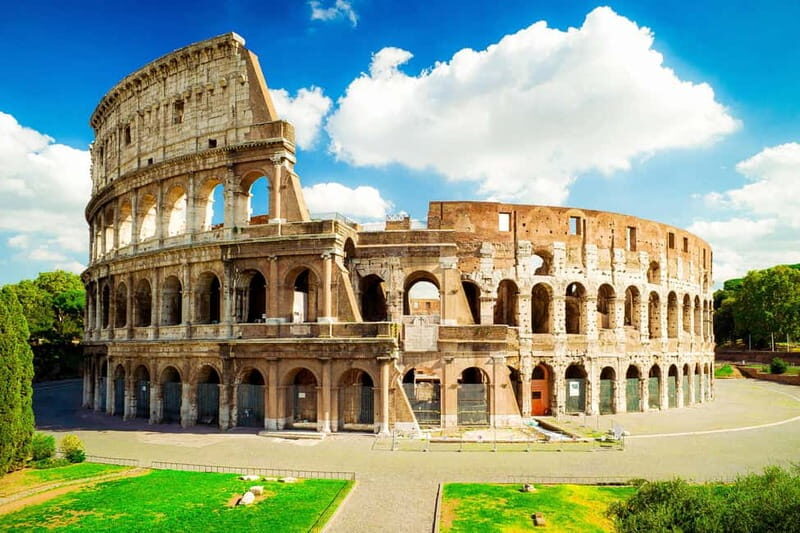
There are two ways to approach the Colosseum portion: standard entry plus guided time, or an Arena access upgrade.
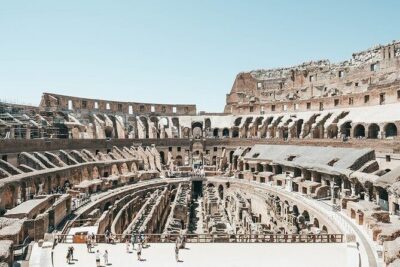
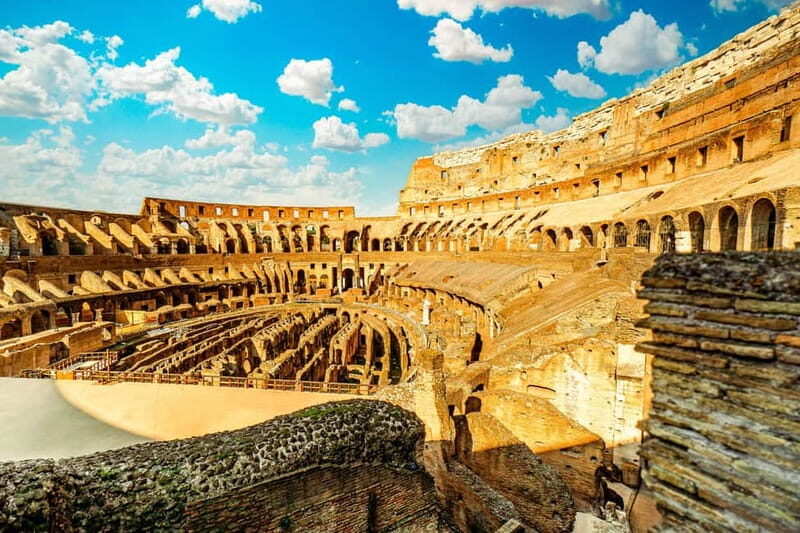
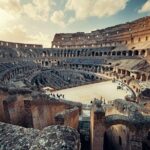
If you select the Arena option, you get Colosseum entry plus Arena access (listed as included for that option). In practical terms, this upgrade matters because the arena area is the most dramatic scale reference for the whole site. It’s one thing to view the Colosseum from above. It’s another to stand where the games would have unfolded.
If you like your history with a strong visual anchor, Arena access is the upgrade that most often feels worth the extra cost. Your guide can also connect what you see on the arena floor to the stories you’re hearing in real time, and that makes the visit feel more grounded.
If you’re more budget-minded, the standard option still covers the key Colosseum experience with the guided walkthrough, headset support, and the full second-half (Forum and Palatine Hill).
Roman Forum: politics, commerce, and daily life in stone
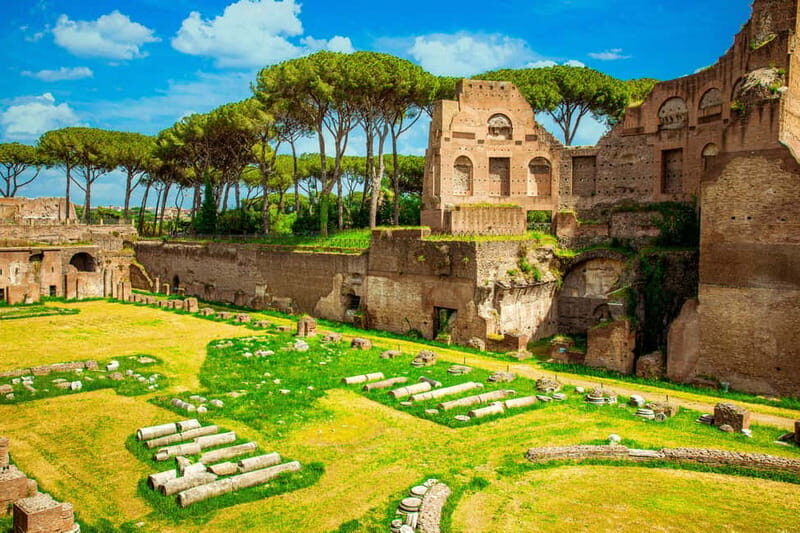
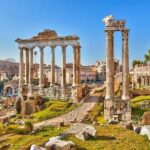
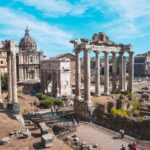
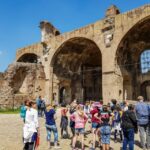
After the Colosseum, you’ll head to the Roman Forum with a guided visit around 45 minutes. The Forum isn’t one single monument. It’s a dense cluster of ruins that once served as the heartbeat of public life—politics, business, ceremonies, and the daily bustle of a city running on decisions.
What makes a guided visit important here is context. The Forum can look like scattered blocks unless someone explains how the spaces relate: where public speaking would have happened, how authority worked, and how the Roman state showed itself in public. The goal isn’t to memorize names. It’s to learn how to read the site.
You’ll get help building a mental map fast. And that map is what makes photos feel more meaningful afterward. When you return home, you won’t just remember big ruins—you’ll remember what those ruins were trying to do for the empire.
Small but real note: the tour order can vary depending on internal Colosseum arrangements. You’ll still hit the same three sites, but you might feel slight differences in flow. It doesn’t usually change what you see; it changes how you move through it.
Palatine Hill: the view plus the origin story
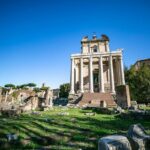
Next comes Palatine Hill, the place tied to Rome’s beginning stories and the luxurious footprint of emperors. Your guided time here is about 45 minutes, and you’ll get panoramic views as part of the experience.
The big value of Palatine Hill is perspective. You’re not only looking at ruins. You’re looking outward at the modern city and imagining how emperors once watched Rome from these heights. It’s a rare chance to combine architectural history with geography—how power literally occupied space.
If you like photographs, this is where you’ll appreciate being on a guided path. The guide can steer you toward viewpoints without turning the whole hour into a wandering scavenger hunt. If you hate waiting behind slower groups, keep up with your pace and your guide’s instructions. The views are worth it, but you don’t want to lose time negotiating where to stand.
Other Palatine Hill tours we've reviewed
Headsets and pacing: why the guide is the real attraction
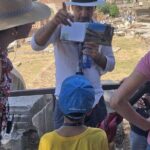
This tour includes headsets and radios, so you can hear your guide clearly throughout. That’s not a fancy extra. It changes the whole experience.
At the Colosseum and Forum, sound gets swallowed—crowds, echoes, and wind all work against you. With headsets, you spend less effort guessing and more energy actually absorbing the story. In other words, you’re not stuck reading your guide’s lips while trying to enjoy the sights.
Pacing is also part of the value. Multiple guides in feedback have been praised for keeping things at a comfortable rhythm and moving at the right times. One named guide that shows up in the feedback is Maximillio, noted for explanations that are easy to follow. Another named guide is Elena, mentioned for kindness and useful information. There’s also specific praise for a guide with an archaeological background and hands-on excavation experience—exactly the kind of person who can explain what you’re seeing without turning it into a textbook.
The tour is live and runs rain or shine. Rome weather can change fast, so having a guide manage timing and routes matters.
Timing, heat, and when crowds change the feeling
This experience runs about 2.5 to 3 hours depending on the start time you pick. During July and August, it shrinks to about 2 hours because the heat can get punishing.
So dress like you expect actual walking. Even with guidance, you’re covering three major areas that are not sitting-room distance. Plan for sun and plan for shade. If you’re sensitive to heat, mornings tend to feel kinder.
Crowds are also part of the equation. You’ll pass security checks before entering the Colosseum and Forum, and in high season those checks can add waiting time. The skip-the-ticket-line help still matters, but you should mentally budget time for security and crowd flow.
One more timing detail: you’ll be walking in and out of sites, so use the rest stops wisely. If you tend to browse every corner, this tour’s focused pace might feel quick. If you like a structured route with clear explanations, you’ll probably love it.
Value and price: is $51.24 a good deal?
The price listed is $51.24 per person. For that, you’re getting guided entry covering the Colosseum plus the Roman Forum and Palatine Hill, with headsets included and skip-the-line stated for the ticket process.
What makes this feel like good value is the combination:
- three iconic sites in one go,
- guided interpretation (not just entry),
- and audio support so you actually hear it.
A self-guided visit can be done, sure. But you’d be spending your time figuring out what you’re looking at—especially in the Roman Forum where context is everything. Paying for a guide is basically buying back your attention and time.
If you choose the Arena option, you’re also paying for access to the most visually intense part of the Colosseum. That upgrade can shift the whole feel from viewing history to standing inside the stage.
What to bring (and what Rome will not allow)
Keep it simple. Wear comfortable shoes, because you’ll be doing real walking on uneven terrain. Bring a passport or ID card. You need valid photo ID for access to the sites.
There’s also a paperwork detail that matters: names are required for all Colosseum bookings, and you should double-check them at checkout. If your name doesn’t match your ID, you can run into entry problems.
What to avoid is equally important. The tour lists bans on:
- pets
- weapons or sharp objects
- oversize luggage and large bags
- smoking
- alcohol and drugs
- sprays or aerosols
- glass objects
- unaccompanied minors
- electric wheelchairs
If you’re used to packing like it’s a road trip, go lighter. Small daypack only, keep it practical, and plan for the security screening.
Who should book this tour, and who should reconsider
This tour works best if you want structure, clear explanations, and the biggest hits without planning every minute yourself.
You’ll likely enjoy it if:
- you want Colosseum + Forum + Palatine Hill all in one visit,
- you prefer guided storytelling over reading plaques,
- you want headsets because you hate straining to hear in crowds,
- and you’re considering the Arena access upgrade for a more dramatic Colosseum experience.
You should reconsider if you need full accessibility. The tour is listed as not suitable for people with mobility impairments and not suitable for wheelchair users. Also, it’s built for walking and security checkpoints, so anyone with limited stamina may find the pace challenging.
If you’re traveling with kids, note that unaccompanied minors aren’t allowed. If you’re bringing a baby pram, you might find help from the team, but the tour is still described as not suitable for wheelchair users.
Should you book this Colosseum, Forum, and Palatine Hill tour?
If you want your first Rome pass through ancient sites to be understandable (not just impressive), I’d book it. The standout value is the pairing of three major locations with guided storytelling and headsets, plus skip-the-line benefits. For most people, that means less time figuring out where to look and more time feeling the scale of what you’re seeing.
Upgrade to Arena access if you want the most visual, visceral part of the Colosseum experience. Skip the upgrade if you’d rather spend less and still get guided coverage of the main areas.
Just go in with a little realism: there’s security, there are crowds, and you’ll do some walking. If you’re ready for that, you’ll come away with a much clearer picture of how Rome ran—because you’ll see the stone, but also understand the machinery behind it.
FAQ
FAQ
How long is the tour?
It runs about 2.5 to 3 hours, depending on the starting time. In July and August, it is shorter at about 2 hours due to heat.
What sites are included?
You’ll visit the Colosseum, Palatine Hill, and the Roman Forum, with guided time at each stop.
Is Arena access included?
Arena access is included if you select the option for it. If you choose the standard option, Arena entry is not included.
Does the tour include tickets and a guide?
Yes. The tour includes entry and guided tour of the Colosseum, plus entry and guided tour of Palatine Hill and the Roman Forum. Headsets/radios are also included.
Is there a skip-the-line benefit?
Yes, the tour includes skip the ticket line for the Colosseum.
Do I need to bring an ID?
Yes. You should bring a valid photo ID (passport or ID card) for access, and names are required for Colosseum bookings.
What language is the guide available in?
The live guide can be Italian, English, German, Spanish, or French.
Is the tour canceled if it rains?
No. Tours run rain or shine.
Where does the tour start?
The meeting point can vary depending on the option booked. One listed starting location is Largo Gaetana Agnesi, Via della Polveriera, 8.
Is the tour suitable for wheelchair users?
No. It is listed as not suitable for wheelchair users and not suitable for people with mobility impairments.
What’s not allowed during the tour?
Pets, weapons or sharp objects, oversize luggage/large bags, smoking, alcohol and drugs, sprays or aerosols, glass objects, and electric wheelchairs are not allowed, along with unaccompanied minors.