REVIEW · ROME
House of Augustus, Palatine Museum and Palatine Hill w PhD Archaeologist
Book on Viator →Operated by Tours of the Colosseum · Bookable on Viator
Augustan Rome gets real when someone can explain the stones. This private, English-language outing pairs Palatine Hill views with an archaeologist guide who turns imperial ruins into clear stories from the Augustan Age. I especially like that the admission tickets are included at each stop, so you spend your energy on the site instead of sorting paperwork.
I also like the practical, human way the best guides pace the walk and answer questions. You’ll climb the hill, then slow down at the museum and step into the House of Augustus—the kind of sequence that helps everything click. One drawback to plan for: Palatine Hill involves real walking and uneven surfaces, so it may feel like a climb if you’re not into hills.
In This Review
- Key Things I’d Focus On Before You Go
- Augustan Rome, with a guide who can answer the hard questions
- Palatine Hill: climbing the emperors’ backyard
- Museo Palatino: from older structures to Augustus-era art
- House of Augustus: the private residence behind the legend
- How the 2.5-hour format keeps you moving (without burning you out)
- Price and value: what $299.19 really buys you
- The best-fit traveler for this Palatine Augustus experience
- What to do before you arrive (so the tour lands better)
- Who you might get as a guide, and why it matters
- Should you book this House of Augustus Palatine Hill tour?
- FAQ
- How long is the tour?
- Where is the meeting point?
- Is this a private tour?
- Is the tour in English?
- Are admission tickets included?
- What are the main stops during the visit?
- Are there morning and afternoon departure times?
- Will it end back at the meeting point?
- What is the cancellation policy?
Key Things I’d Focus On Before You Go

- PhD-style archaeology explanations: expect art, architecture, and context, not just dates
- Ticketed stops built into the flow: Palatine Hill, Museo Palatino, and House of Augustus
- Time for photos and viewpoints: terraced ruins give you natural angles
- A private group with flexible possibilities: your guide can adjust what’s emphasized
- English guide with strong engagement: Q&A and even reconstruction visuals can help a lot
Augustan Rome, with a guide who can answer the hard questions
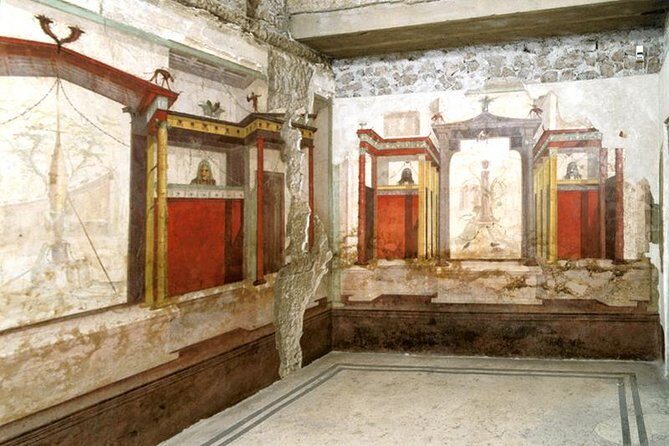
Rome’s ancient sites can turn into a blur if you only get a fast description. What makes this experience different is the guide’s archaeology angle. You’re not just looking at ruins. You’re learning why this place mattered when Rome shifted into the Augustan Age—when power, ideology, and building design were tightly linked.
I like that the tour is set up as a simple triangle of experiences: climb the landscape (Palatine Hill), switch to objects and artwork (Museo Palatino), then step into a specific residence (House of Augustus). That order helps you connect what you see outdoors to what you find indoors, and then back again.
Other Palatine Hill tours we've reviewed


Palatine Hill: climbing the emperors’ backyard
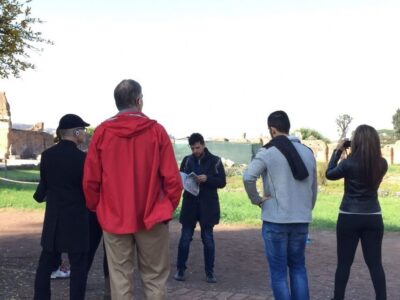
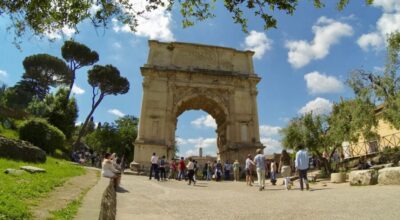
Your tour begins with an uphill start on Palatine Hill, where you’ll explore the beauty of the imperial palace ruins. Expect a “walking + looking” rhythm for about 30 minutes. It’s not a flat, strolling kind of stop. You’ll cover ground that gives you a sense of how Rome’s elite lived above the city.
What I find valuable here is the way the hill itself explains power. From Palatine, emperors didn’t just have buildings—they had views, presence, and control over the story of Rome. Your archaeologist guide can also help you interpret what you’re seeing: why certain walls and layouts feel the way they do, and how the architecture fits the politics of the time.
Practical tip: wear supportive shoes with decent grip. Even if the route is short, the surfaces can be rough. If you’re using a phone for photos, plan for pauses—this place rewards slow looking.
Museo Palatino: from older structures to Augustus-era art
After the hill, you move into Museo Palatino on Palatine Hill. This is where the tour changes pace. Instead of only outlines of buildings, you get artifacts and interior details that make the past feel specific.
You’ll spend about 30 minutes here, and the museum layout matters. On the ground floor, you can see pre-existing structures of the houses of the nobility. That’s useful because it shows continuity and change—Palatine wasn’t created overnight. It evolved.
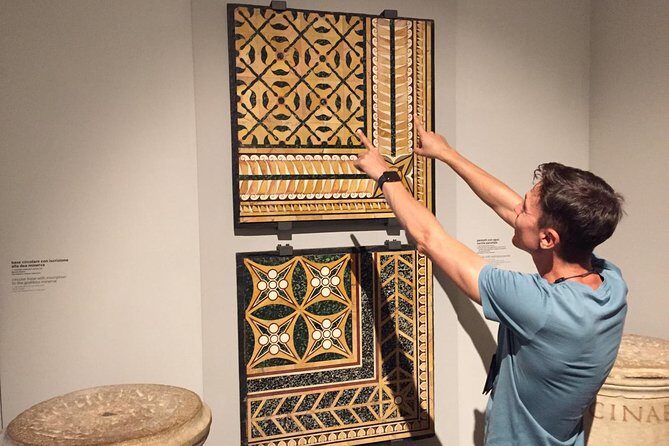
On the first floor, you can’t miss the paintings and mosaics associated with the Age of Augustus. This is often the point where a site becomes more than “ruins.” Mosaics and wall art tell you what people wanted their homes to communicate—taste, wealth, and the idea of Rome under Augustus.
What you’ll likely enjoy most: the chance to see how art and design work alongside political messaging. Even if your Roman history is casual, you’ll pick up patterns fast when someone connects the visuals to the emperor’s era.
House of Augustus: the private residence behind the legend
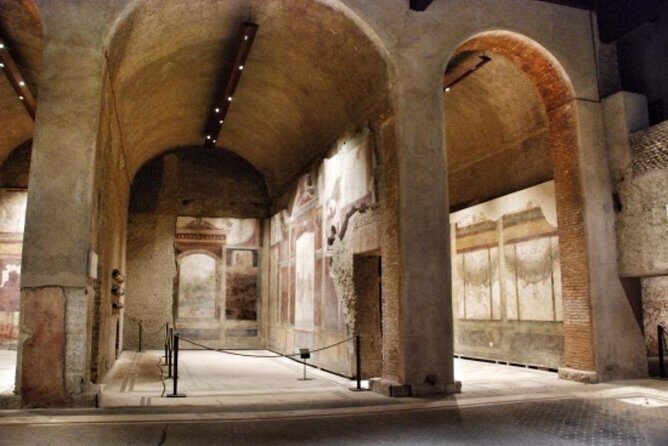
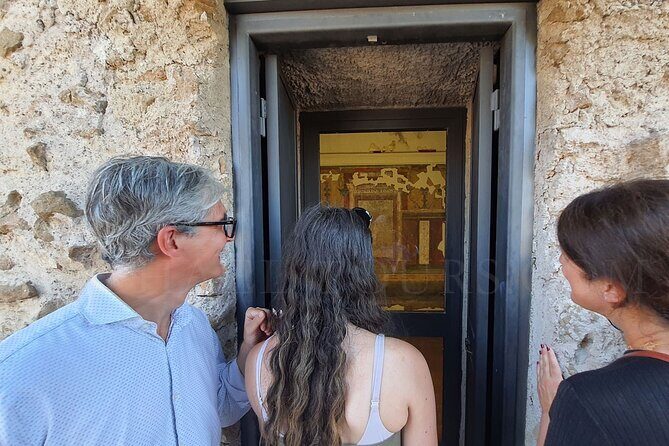
The final stop is the House of Augustus, the private residence of the first emperor of the Roman Empire. This portion takes about 30 minutes, and it’s the most “human scale” moment of the tour.
Here’s why this stop is so powerful: it’s not just a monument. It’s the kind of space where an emperor lived, hosted, and made daily life part of a public image. When you’re inside or among the preserved areas, you start imagining routines, movement, and social functions—not just ceremonies.
In past guided sessions, archaeologist-level guides have focused heavily on interpretation and storytelling, which can make the residence feel understandable instead of confusing. Some guides also use reconstructions on an iPad to show what buildings looked like when they were whole, which helps a lot if you struggle with turning broken shapes into complete rooms.
Practical tip: bring a little patience. This is the kind of site where the most interesting details can be easy to miss if you rush.
How the 2.5-hour format keeps you moving (without burning you out)
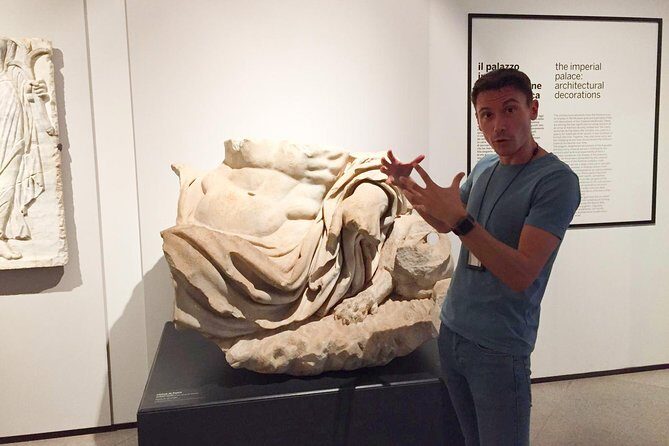
The full experience runs about 2 hours 30 minutes. That timing is a real sweet spot for Palatine: enough time to climb, examine, and step into the House of Augustus, but not so long that you lose focus.
You also get a choice of morning or afternoon departure options. I’d use that flexibility based on your energy and your plan for the rest of the day:
- Morning can feel easier on your legs and helps you avoid the busiest heat windows.
- Afternoon can be great if you want more time in central Rome afterward for food or museums.
Because it’s a private tour (your group only), the guide can also adjust the pace. One of the strongest strengths of archaeologist-guided tours is the Q&A. If you’re the type who asks why something was built a certain way, you’ll likely get more out of this format than a quick group bus tour.
One more thing: the tour notes that private tours are flexible and can include other sites of interest. In some guided versions, that flexibility can mean extra Roman Forum context or additional nearby viewing time (if the guide has room to work it in).
Other Houses of Augustus & Domus tours on the Palatine


Price and value: what $299.19 really buys you
At $299.19 per person, this is not a bargain-basement outing. But for Rome, the value is in three places:
- Admission tickets are included for each stop on your route (Palatine Hill, Museo Palatino, House of Augustus). That matters in practice because you avoid separate purchases and keep the flow smooth.
- You’re paying for an archaeologist guide who can explain art, architecture, and imperial context—not just point at structures.
- You’re getting a private experience, which typically means more time for questions and less “follow the crowd” pressure.
There’s also a built-in reality check: this is booked about 26 days in advance on average. That’s a hint that good times and guide availability can fill up. If you’re traveling in a high-demand season, locking in earlier can save stress.
If you’re a solo traveler or small group, the cost can feel steep. If you love history and want fewer guesswork answers, this price starts to make sense fast—especially because you’re not only paying for entry tickets, but for interpretation.
The best-fit traveler for this Palatine Augustus experience
This tour is ideal if you:
- Want Augustan Age context tied to what you’re actually seeing
- Prefer fewer people and more conversation with your guide
- Enjoy questions and want explanations of how architecture and art reflect power
- Care about getting good photos without turning the visit into a sprint
You might want to skip it or consider another style if you:
- Hate walking on hills or uneven surfaces
- Want a purely casual “see everything quickly” checklist
- Don’t enjoy museum stops
Also, the tour notes that most travelers can participate, which is reassuring. Still, do plan footwear and pace like you would for a short hike.
What to do before you arrive (so the tour lands better)
You’ll enjoy this more if you do a tiny bit of prep. You don’t need to become a Roman scholar. Just show up knowing one simple idea: Augustus didn’t just govern—he shaped Rome’s image through buildings and culture.
Before your start time, I’d:
- Eat something and bring water, since Palatine walking builds up fast
- Check that you have comfortable shoes and socks you trust
- Have your camera ready, but don’t forget your eyes—this site rewards attention to details
And if you’re the kind of person who loves reconstructions, don’t be shy about asking your guide how they picture these spaces when they were in use. Many archaeologist guides use visuals to make the ruins legible.
Who you might get as a guide, and why it matters
The guide can make or break a history tour. This experience is designed for archaeologist-level storytelling, and the names attached to strong past tours include people like Bruno, Julia, Thomas, Tommaso Bergamo, and Donato. The common thread is clear: they explain the site with confidence, stay enthusiastic, and answer questions without making you feel silly.
Some have also shown reconstructions on an iPad, and some have adapted pacing for younger visitors by keeping things engaging. That flexibility suggests the guide skill set goes beyond reciting facts.
Should you book this House of Augustus Palatine Hill tour?
Book it if you want a serious Rome experience with a guide who can explain why the ruins look the way they do, and what Augustus was trying to communicate through art and architecture. The combination of Palatine Hill + Museo Palatino + House of Augustus is also a smart structure: landscape, objects, then residence.
Consider skipping or swapping if you want a flat, easy walk or a super casual tour with minimal museum time. And because Palatine Hill is a climb, choose this only if you’re comfortable with uneven ground and a bit of uphill effort.
If your goal is to leave with real understanding—beyond the usual photos—this one is a strong choice.
FAQ
How long is the tour?
The tour lasts about 2 hours 30 minutes.
Where is the meeting point?
Meet at Via di S. Gregorio, 30, 00186 Roma RM, Italy.
Is this a private tour?
Yes. It’s private, and only your group will participate.
Is the tour in English?
Yes, it is offered in English.
Are admission tickets included?
Yes. Admission tickets are included for Palatine Hill, Museo Palatino, and the House of Augustus.
What are the main stops during the visit?
The tour stops are Palatine Hill, Museo Palatino, and the House of Augustus.
Are there morning and afternoon departure times?
Yes. You can choose between morning and afternoon departures.
Will it end back at the meeting point?
Yes. The activity ends back at the meeting point.
What is the cancellation policy?
This experience is non-refundable and cannot be changed for any reason.