REVIEW · ROME
Rome: Domus Tiberiana, Roman Forum, and Palatine Hill Tour
Book on GetYourGuide →Operated by Tours around Rome · Bookable on GetYourGuide
Roman palaces hide in plain sight. This private Rome tour strings together three must-see areas—Domus Tiberiana plus the Roman Forum and Palatine Hill—so the story of imperial power makes sense fast. I also like the practical setup: you get entry tickets and an express security check, which helps when you’re trying to beat the Rome crush.
I’m especially fond of what you get to see and understand at Domus Tiberiana, a massive imperial palace complex, and then at the Roman Forum, the long-running center of public life in ancient Rome. The guide ties those ruins to real political life—who lived where, and why those spaces mattered.
One consideration: this is a ruins-and-stairs kind of outing. It’s not suitable for wheelchair users, and it’s not a match if you have low fitness or back or heart problems, since you’ll be on your feet for the full 2.5 hours.
In This Review
- Key things that make this tour worth your time
- How Domus Tiberiana, Palatine, and the Forum tell one continuous story
- Starting at the office near Via del Fori Imperiali (and why that matters)
- Domus Tiberiana: the imperial palace complex that makes Palatine click
- Palatine Hill’s emperor homes: Augustus, Tiberius, and Domitian
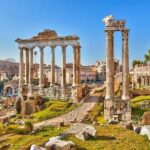
- Roman Forum: the public stage for politics, religion, and daily life
- What 2.5 hours really covers (and how to pace yourself)
- Tickets, express security, and the value of a private guide
- Practical tips so you don’t waste energy or time
- Who this tour is best for
- Should you book the Rome Forum, Palatine, and Domus Tiberiana private tour?
- FAQ
- How long is the tour?
- Is the tour guided in English?
- What’s included in the price?
- Where do we meet, and how do we get there from Colosseo?
- Is express security included?
- Who should avoid this tour?
Key things that make this tour worth your time
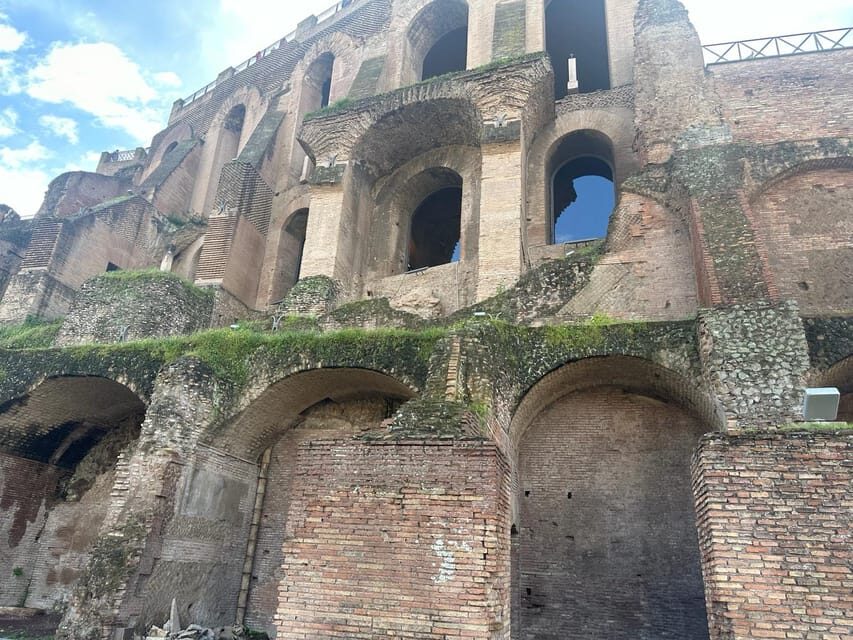
- Domus Tiberiana in context: You’re not just looking at stones—you’re learning what this palatial complex was for.
- Imperial residences on Palatine Hill: Expect clear links to emperors including Augustus, Tiberius, and Domitian.
- Roman Forum’s role in power: You’ll understand why this was the public stage for politics, religion, and daily life for over a millennium.
- Private guide, live explanations: You can ask questions and adjust the pace to what you care about most.
- Express security check: Less time fussing at the entrance means more time in the ruins.
- Guides with staying power: Guides such as Donatella and Dominica are noted for making the experience feel complete, even extending beyond the planned time when it works.
How Domus Tiberiana, Palatine, and the Forum tell one continuous story
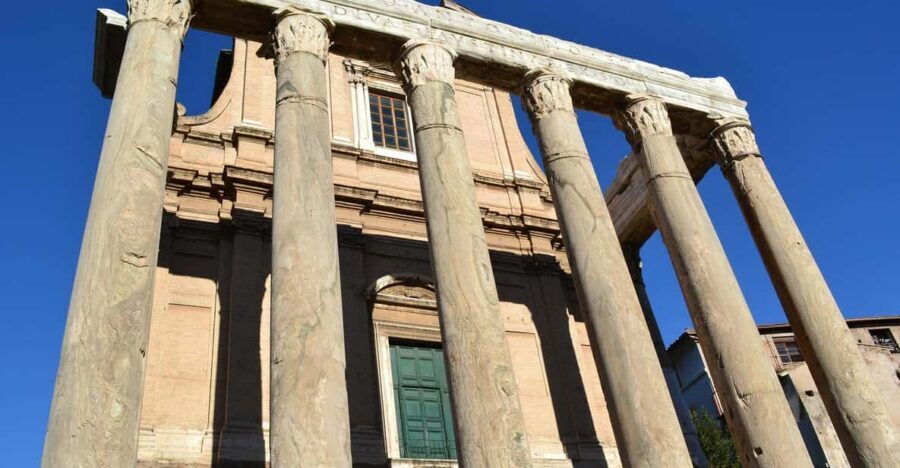
Rome’s imperial era can feel like a pile of “important ruins” until someone puts it in order for you. This tour does that. It moves from the imperial palaces area to the public heart of the city, then back up to Palatine Hill with the big picture in view.
What I like most is the cause-and-effect flow. Palatine Hill wasn’t just where emperors lived. It was where authority took physical form—architecture, views, and power wrapped into daily life. Then you step into the Roman Forum, where the public could witness power at work. With a guide, those two worlds connect instead of staying separate.
Even the timing helps. At 2.5 hours, you get enough time to cover the key zones without burning your whole day on one neighborhood of ruins. That balance is rare in Rome, where “short” tours sometimes mean you skim and miss what you came for.
Other Roman Forum tours we've reviewed
Starting at the office near Via del Fori Imperiali (and why that matters)
You’ll meet at the activity provider’s office. If you’re coming from the Metro station Colosseo, the directions are simple and useful: turn right on Via del Fori Imperiali, go straight to the first traffic light, then turn right on Via Cavour, and left on the second street, Via del Cardello.
Why this matters: the area around the Forum is set up for wandering—great for exploring on your own, but less great when you’re trying to arrive on time and move through security efficiently. Starting at a specific office meeting point helps you skip the “where exactly are we?” stress.
The tour ends back at the meeting point too. That’s a small detail, but it saves you from needing to figure out a pickup plan right after you’ve walked the ruins.
Domus Tiberiana: the imperial palace complex that makes Palatine click
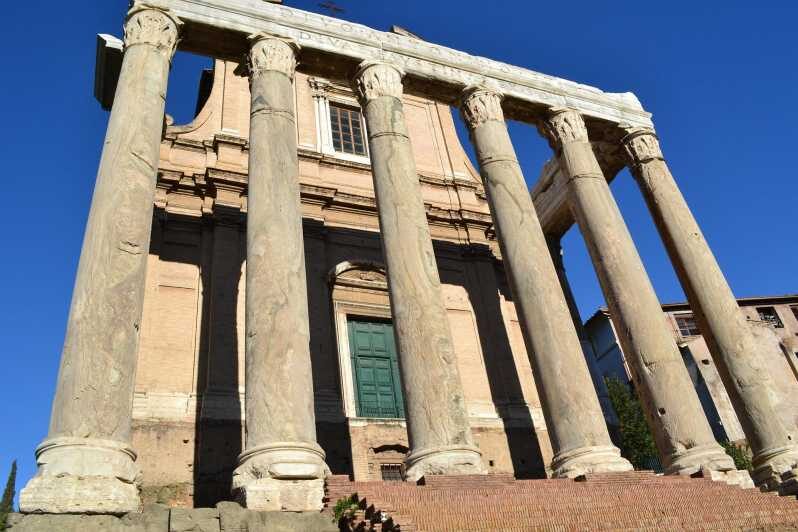
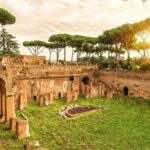
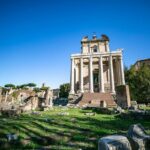
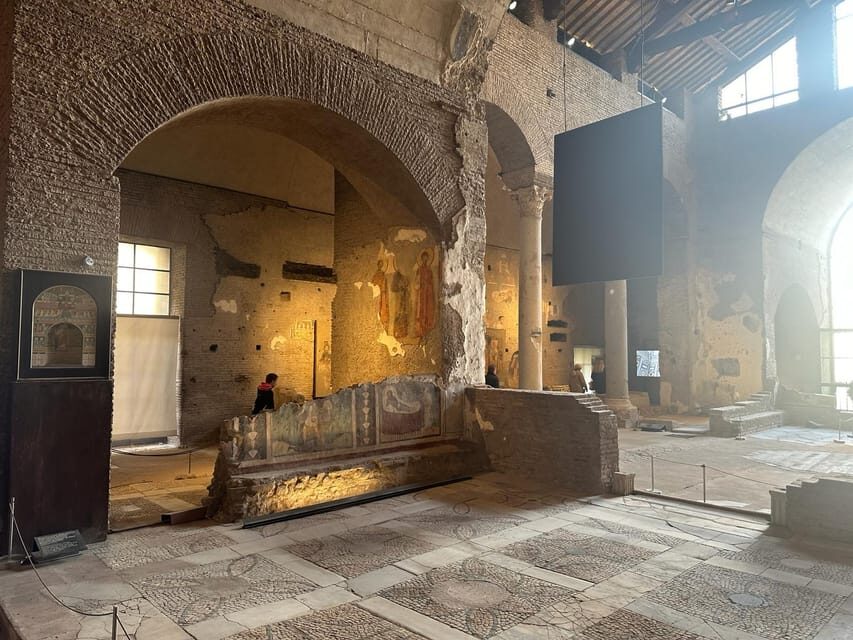
Domus Tiberiana is the centerpiece that changes how you read Palatine Hill. This wasn’t a single villa with a pretty view; it was part of a broader imperial palace setting that sat on the slopes of Palatine.
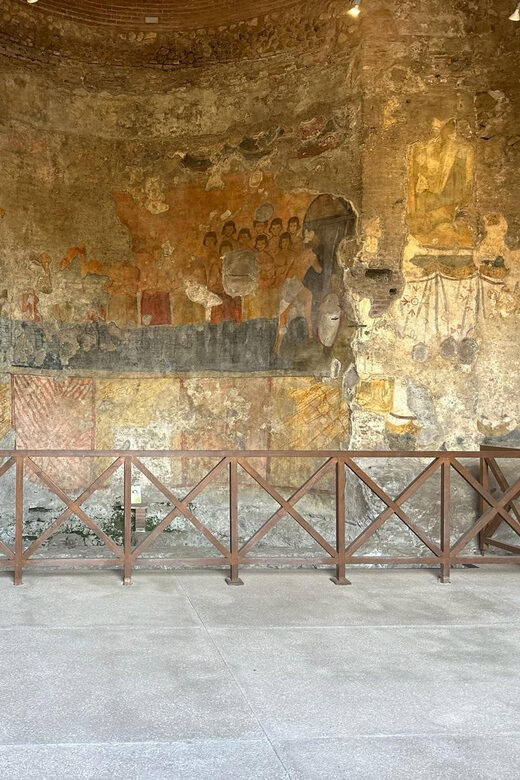
On this stop, expect a guided walk through the remaining structure of the complex and explanations that connect it to emperors and administration—why rulers needed spaces like these, and how palace life tied into larger political systems. When you’re walking around ruins, it’s easy to get stuck in “I see walls and columns.” A good guide helps you see function: rooms, scale, and the way an emperor’s private world was shaped to support rule.
Also, it helps to know this is included with tickets on the tour. You’re not hunting down separate entrances or timing your day around multiple reservations. It’s built into the experience.
Practical takeaway: wear comfortable shoes and keep your pace steady. Domus Tiberiana sits in an active archaeological area, and the ground underfoot can be uneven. Plan for standing and walking, not just photos.
Palatine Hill’s emperor homes: Augustus, Tiberius, and Domitian
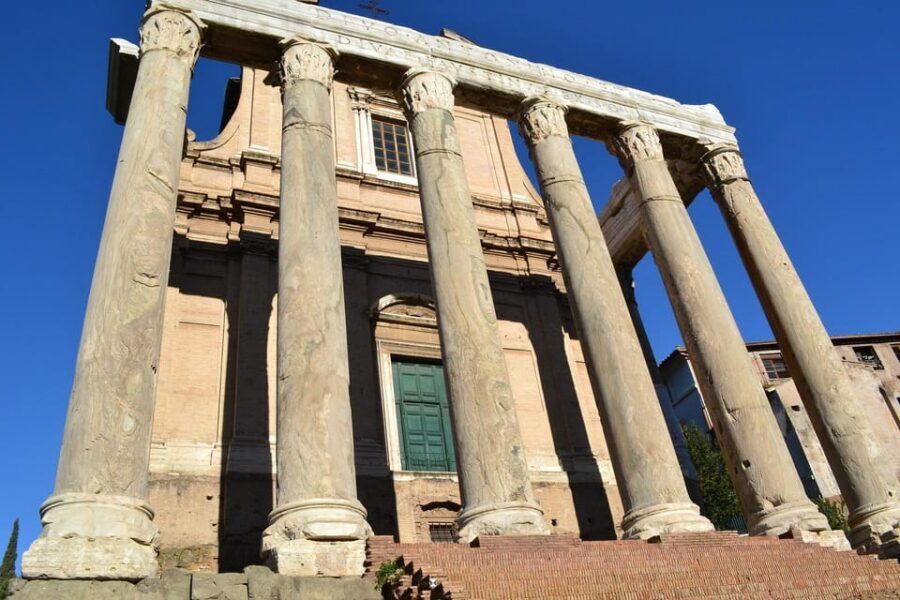
After Domus Tiberiana, you head through the broader Palatine area where you can see the sprawling ruins of the imperial palaces on the slopes. This is where the tour earns its title as more than a “ruins checklist.”
The guide links what you’re seeing to residences associated with emperors, including Augustus, Tiberius, and Domitian. That matters because Palatine can otherwise feel like one big viewpoint. With the emperor-focused framing, you start noticing patterns: how imperial buildings likely related to each other, and how the palace zone worked as both home and power hub.
There’s also a “you can feel the city from here” effect on Palatine Hill. The height and vantage points make the Roman Forum feel less abstract. You understand the relationship between where decisions were made and where public life happened.
A tip I’d give you: let the guide’s timeline do its job. If you try to memorize everything at once, your brain will treat it like trivia. Instead, ask yourself: who lived here, and what changed when power shifted? That question keeps the ruins meaningful.
Roman Forum: the public stage for politics, religion, and daily life
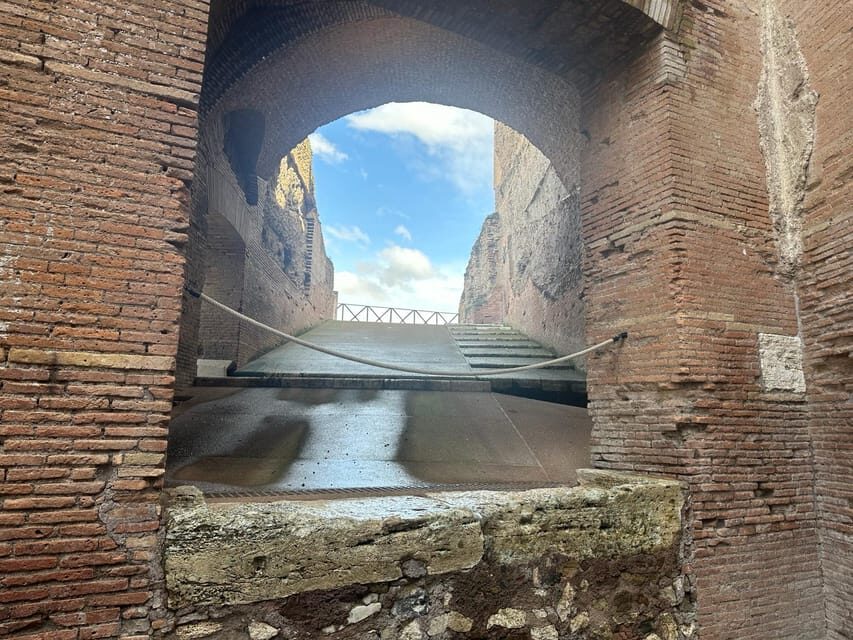
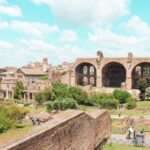
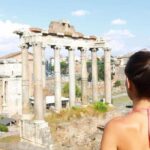
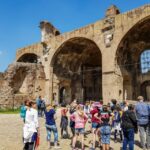
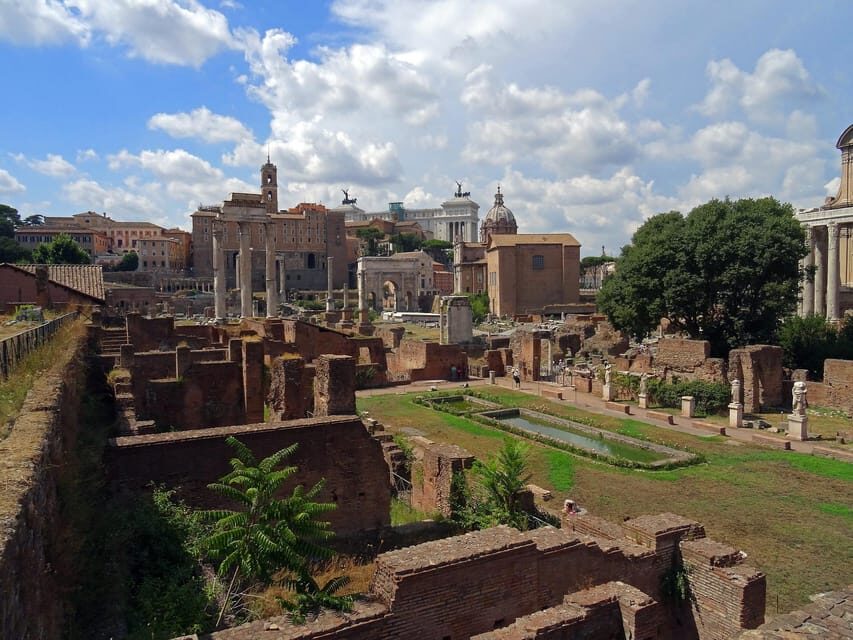
Then you move into the Roman Forum—the center of public life for over a millennium. This is the stop many people already think they know. You’ve probably seen photos of the Forum. Still, the guided version makes a difference because it frames the Forum as a living machine.
A private guide helps you read the layout and understand why this was a hub for political, religious, and social activity. Without that context, you can walk through and just feel like you’re surrounded by columns. With it, you see how public spaces supported the legitimacy of authority—where people gathered, where messages were delivered, and where the city’s civic identity played out.
You’ll also appreciate how the Forum acts like the “other side” of what you saw on Palatine. Palatine shows imperial presence. The Forum shows how that presence became public.
This is one reason I think this combo tour is a smarter use of time than picking just one area. You leave with two perspectives of power in your head, not one.
Other Palatine Hill tours we've reviewed

What 2.5 hours really covers (and how to pace yourself)
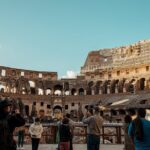
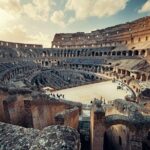
A 2.5-hour private tour is long enough to connect the dots, but short enough that you need a simple strategy: keep moving, keep questions coming, and don’t wait until you’re tired to ask for clarification.
Because it’s private, you’re not stuck with a group that’s racing ahead or stopping for long photo breaks. That helps you absorb the explanations at the right speed. Guides like Donatella and Dominica are noted for making the experience feel thorough, with Donatella’s tour description specifically highlighting how she went beyond the promised timeframe when things allowed. That’s a good sign: the guide’s goal is to make the visit feel complete, not rushed.
You’ll likely spend time at the Domus Tiberiana ruins, then move through the Palatine zones tied to imperial residences, and finally walk into the Forum for its major civic story. Plan for uneven steps and crowds around entrances, even with the express setup.
Tickets, express security, and the value of a private guide
Let’s talk price, because Rome ruins can be cheap to access and expensive to interpret. At $111.02 per person, what you’re paying for isn’t just entry. You’re paying for a private guide, Domus Tiberiana tickets, and Roman Forum and Palatine Hill tickets, plus all fees and taxes.
That can be good value if you want the explanation layer. Many visitors can enter these sites on their own, but the Forum and Palatine are full of fragmented spaces. A guide helps you avoid the common problem of seeing a lot without understanding what it means. This tour is designed to do exactly that.
Also, the express security check helps you start sooner with fewer delays. Rome security lines can be a mood killer. Even a small time savings can make the difference between enjoying the ruins and feeling like you’re sprinting through them.
Practical tips so you don’t waste energy or time
Here’s how to make this tour feel smooth, not frantic:
- Wear comfortable shoes. The sites are active and the ground can be uneven.
- Bring your passport or ID card, since it’s required.
- Avoid planning on a stroller or big bags. No baby strollers, and luggage or large bags are not allowed. Backpacks aren’t allowed either, so travel light.
- Skip food and drinks expectations. Food and drinks are not allowed, so plan to eat before or after your tour.
- Don’t plan on accessibility swaps. It’s not suitable for wheelchair users and also not suitable for pregnant women or people with back or heart problems.
One small mindset shift helps: treat this as a guided walk with a story, not a photo mission. You’ll get more out of it that way.
Who this tour is best for
This private tour works especially well if you fit one of these profiles:
- You like your Rome with explanations, not just pictures.
- You want a single coherent thread linking Palatine power to the Forum’s public life.
- You’re the kind of traveler who enjoys seeing how rulers shaped daily reality—not just famous names.
If you’re traveling with limited mobility, strong physical constraints, or you’re using a wheelchair, you’ll want to choose something else. The tour’s suitability limits are pretty clear.
If you’re a first-time Rome visitor, this combo can be a strong “anchor” experience. It teaches you how to read the city’s most important ruins in relation to each other.
Should you book the Rome Forum, Palatine, and Domus Tiberiana private tour?
I’d book this tour if you want a guided, ticketed route that connects the imperial palaces to the Roman Forum’s role in public life. The private guide, express security check, and included entry tickets make it a practical way to avoid the Rome “time tax” and focus on understanding what you’re seeing.
You should skip it (or look for another option) if you’re dealing with physical limitations, because the experience isn’t set up for wheelchair use and isn’t meant for low-fitness days. Also, if you’re the type who wants to wander slowly on your own, you may prefer a self-guided pass so you can set your own pace without a structured narrative.
If your goal is to leave with a clear mental map of where imperial life happened and where public life unfolded, this private tour is a smart use of your time.
FAQ
How long is the tour?
The tour duration is 2.5 hours.
Is the tour guided in English?
Yes, the live tour guide is English.
What’s included in the price?
The tour includes a private guide, Domus Tiberiana entry tickets, Roman Forum and Palatine Hill entry tickets, and all fees and taxes.
Where do we meet, and how do we get there from Colosseo?
You meet at the activity provider’s office. From Metro station Colosseo, you turn right on Via del Fori Imperiali, go straight to the first traffic light, turn right on Via Cavour, then left on the second street, Via del Cardello.
Is express security included?
Yes. There’s an express security check.
Who should avoid this tour?
It’s listed as not suitable for wheelchair users, pregnant women, people with back problems, people with heart problems, people with low level of fitness, and it also does not allow baby strollers or large bags/backpacks.