REVIEW · ROME
Rome: Colosseum Arena Floor, Roman Forum & Palatine 10 pax
Book on GetYourGuide →Operated by ROME WITH SILVIA · Bookable on GetYourGuide
One word: sand. This VIP Colosseum tour takes you to the arena floor most visitors never see, then pairs it with the Roman Forum and Palatine Hill so you get the whole picture of ancient Rome. You also pass through the Gladiator’s Gate, a route tied to the games’ darkest side.
I especially love two things. First, the moment you stand on the central sand-covered wooden platform where fighters once faced crowds. Second, the photo opportunities from the Colosseum’s first and second tiers, plus the Forum and Palatine views that you can’t recreate on your own. One consideration: the tour is only about 2.5 hours, so the Arena Floor time is brief (around 15 minutes), and you’ll still do a fair amount of walking in historic sites.
In This Review
- Key Points Worth Knowing
- Why Colosseum Arena Floor Access Feels Different
- A practical note on time
- Entering the Roman Forum: Where Daily Life and Power Collide
- What you should watch for
- Palatine Hill: The Royal Backdrop Behind the Stories
- A small drawback to plan around
- Colosseum First and Second Tiers: Photos With a Privileged Angle
- Another key payoff: context
- The Private Tour Setup That Keeps the Experience Enjoyable
- Pace and comfort
- Tickets, Timing, and Security: Plan for the Reality of Rome
- What to bring (simple and useful)
- Who This Tour Is Best For (and Who Might Want to Skip)
- Should You Book the Colosseum Arena Floor, Roman Forum & Palatine Tour?
- FAQ
- How long is the tour?
- Where does the tour start?
- Which parts of the Colosseum are included?
- Is skip-the-line access included?
- Do I need headsets to hear the guide?
- What languages is the tour offered in?
- Is the tour wheelchair accessible?
Key Points Worth Knowing
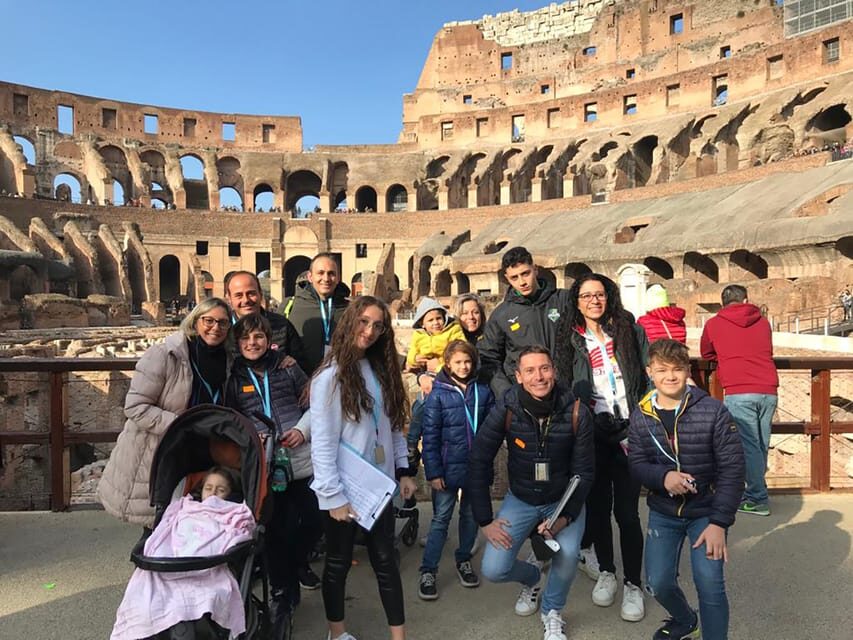
- Gladiator’s Gate entrance: You access the arena area via a special gate used to move gladiators and animals out.
- Central arena platform: You stand on the sand-covered wooden space where the fights took place.
- Colosseum tiers + terraces: After the arena, you move up to the first and second tiers for privileged views.
- Roman Forum must-sees: You cover the political heart of Rome, including major sacred spaces and market areas.
- Palatine Hill storyline: From Romulus to the lives of emperors, you get the setting for imperial Rome.
- Private feel with headsets: A small group (up to 10) plus headsets to keep the guide easy to hear.
Why Colosseum Arena Floor Access Feels Different
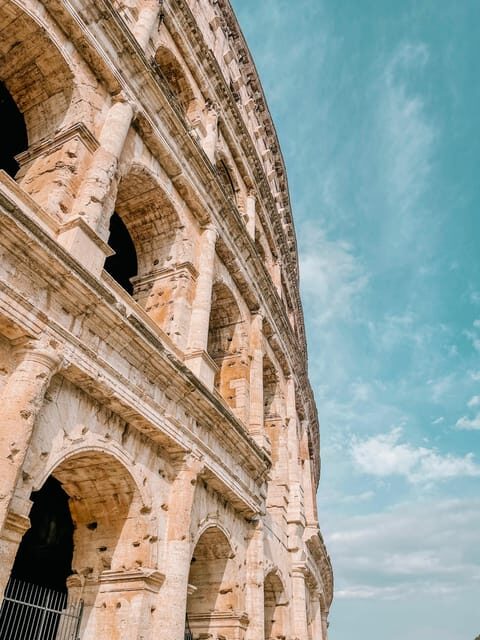
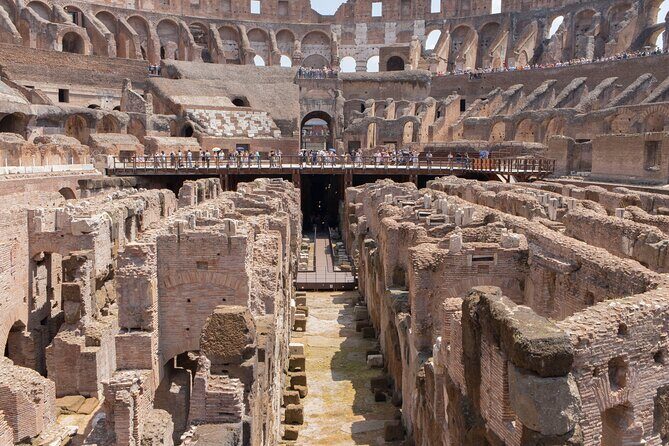
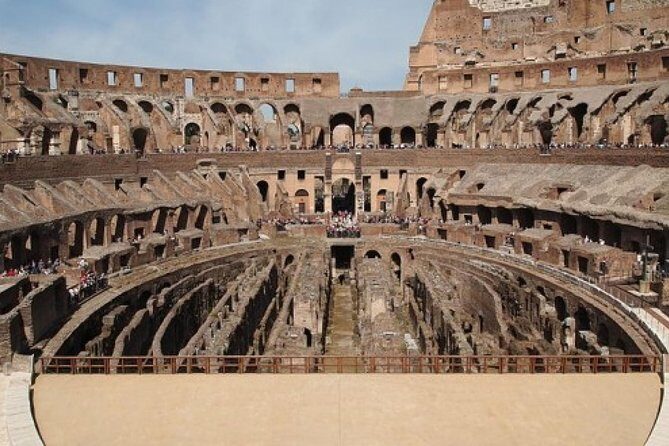
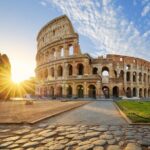
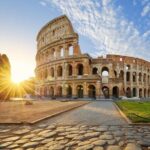
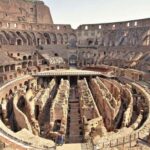
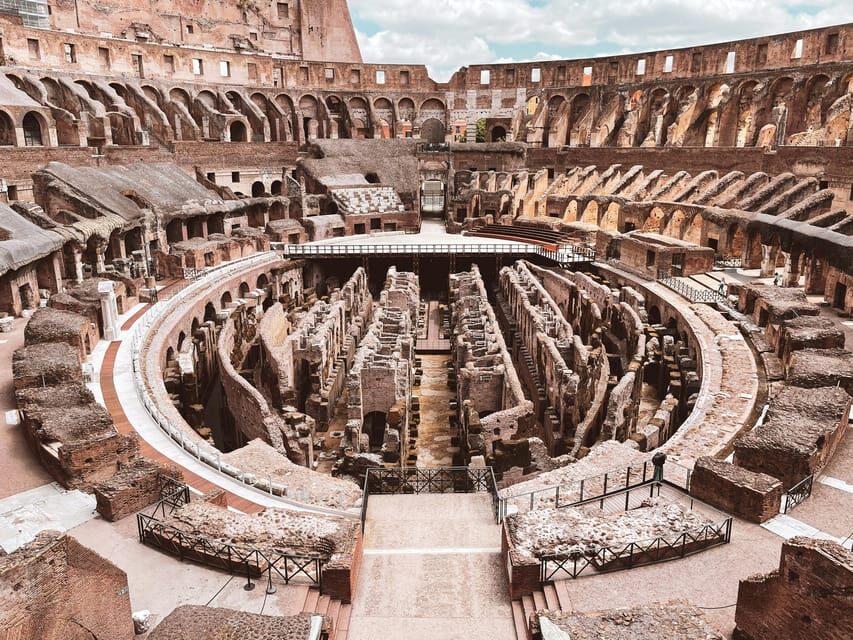
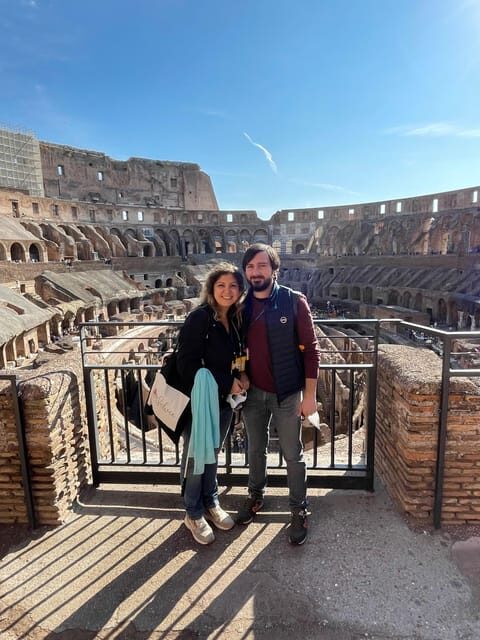
The Colosseum isn’t just an exterior landmark here. The big payoff is that you get into the most exclusive area that most people never reach: the Colosseum Arena Floor. You’ll stand on the central platform made to look like the action’s setting. In Latin, arena means sand, and the tour leans into that idea—so the space you’re in is tied directly to how the games worked.
The route matters too. Instead of the usual visitor flow, you enter through the Gladiator’s Gate. The tour explains it as the kind of access used to move away the dead bodies of gladiators and animals after the fights. That detail doesn’t make the experience fun in a neat, theme-park way. It makes it real. You’re standing where spectacle met brutality, and your guide connects the place to the people, rituals, and headlines of ancient Rome.
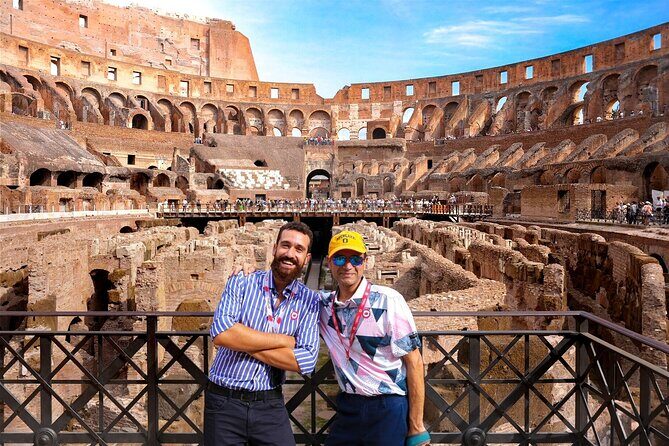
You also get time for photos. With camera in hand, I’d treat this like your “center moment.” The platform setting plus the angle of the arena level gives you shots that simply aren’t available from the standing crowd areas.
Other Forum, Palatine & Colosseum combo tours we've reviewed
A practical note on time
The Arena Floor stop is guided and short (about 15 minutes). That’s long enough to understand what you’re looking at and grab great pictures, but it’s not a full-hour at the sand. If you want to linger like a museum photographer, plan to treat this as the highlight stop, not a slow wander.
Entering the Roman Forum: Where Daily Life and Power Collide
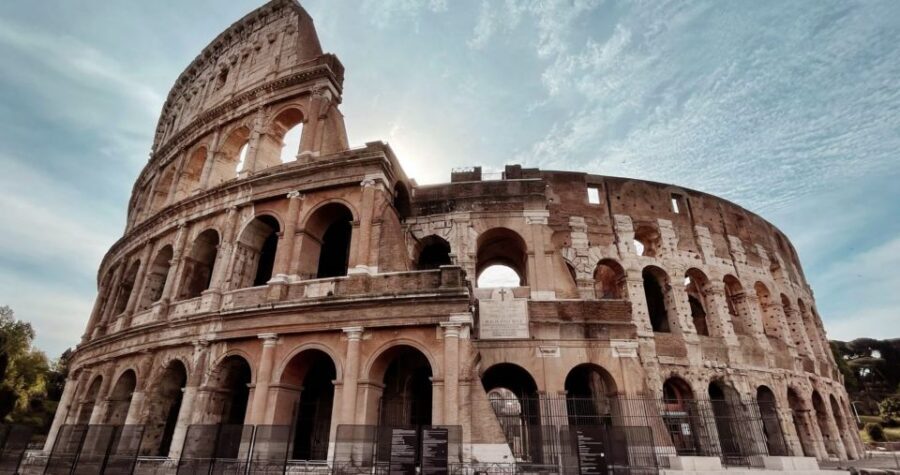
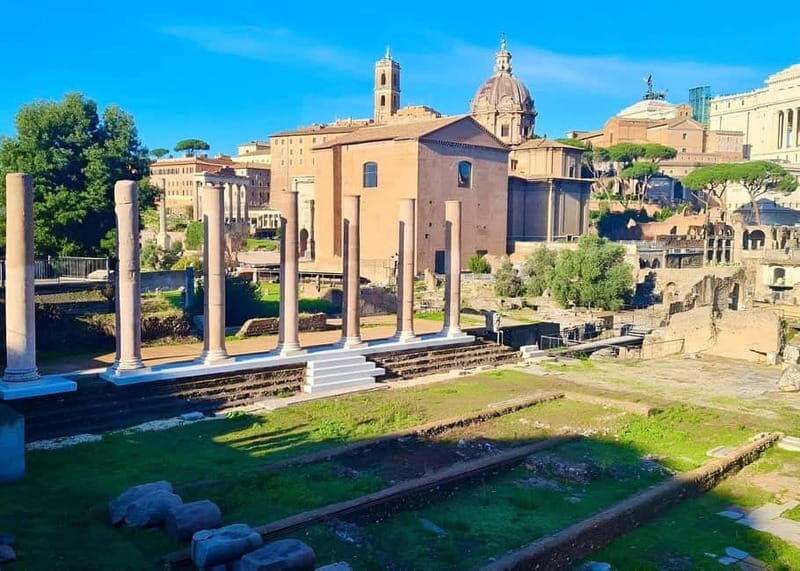
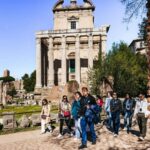
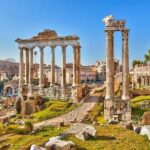
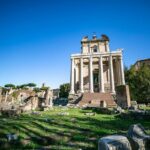
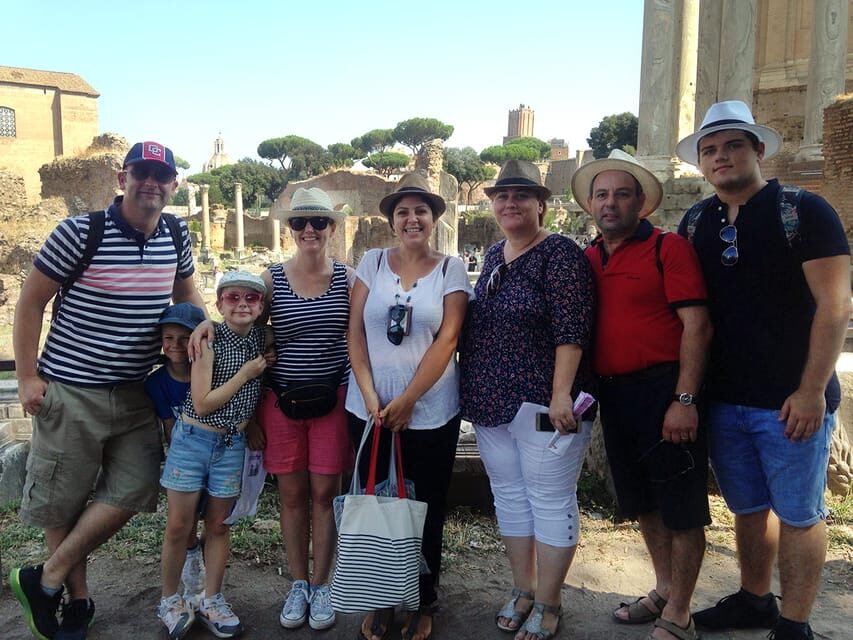
After you start near the Roman Forum ticket entrance, the tour moves into the heart of ancient Rome. The Roman Forum isn’t one monument. It’s a whole stage: political, administrative, and social life all layered into the same space. A guided segment of about 30 minutes sets the scene, then you get a photo stop (around 15 minutes) where you can slow down and actually frame the ruins.
This is the part of Rome where the guide’s job is hardest, because the Forum looks like piles of stone until someone connects each section to what happened there. You’re taken through key zones like sacred temples, public spaces, and market areas—places where Romans would have lived out routines, not just watched ceremonies.
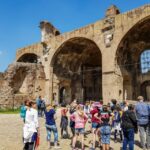
The tour also calls out the Basilica spaces where administrative trials happened and where great orators made famous speeches. That matters because it changes how you read the ruins. You start looking for the sense of movement and gathering: where people stood, how crowds might have reacted, and why certain locations became political stages.
You’ll also walk along the Sacred Way, tied to religious processions. And you pause at the Temple of Vesta, where the Vestal Virgins guarded the sacred fire. That’s a strong moment because the Forum wasn’t only about government. It was about belief, ritual, and continuity—Rome tying day-to-day life to sacred obligations.
What you should watch for
Keep an eye on how your guide names the function of each area—market, temple, basilica, sacred processional route. The Forum becomes more intelligible when you treat it like a map of roles rather than a “top 10 ruins” checklist.
Palatine Hill: The Royal Backdrop Behind the Stories
Next comes Palatine Hill, and the tour leans hard into the story layer. The Palatine is where you understand why Rome’s elite wanted to be close to power. You get a guided segment of about 30 minutes here, and the tour covers the legend that Romulus founded the city in 753 B.C., then connects the hill to major figures and imperial life.
The guide doesn’t just name names. The point is that Palatine Hill is setting. It’s where you can imagine the lifestyles of emperors and why their residences were part of Rome’s image. The tour specifically highlights the life of Mark Antony, Cleopatra, and Julius Caesar, then shifts into the world of luxurious imperial homes and daily life.
Even if you know Roman history already, this stop usually improves your mental map. The Colosseum is public spectacle. The Forum is civic power. Palatine Hill is the “who lived where” behind the curtain.
Other Roman Forum tours we've reviewed
A small drawback to plan around
Palatine Hill is still ruins on a hillside. You’ll want comfortable shoes and patience for uneven ground. If you’re sensitive to long outdoor walking, this is where your body feels it most, even though the guided time is reasonable.
Colosseum First and Second Tiers: Photos With a Privileged Angle
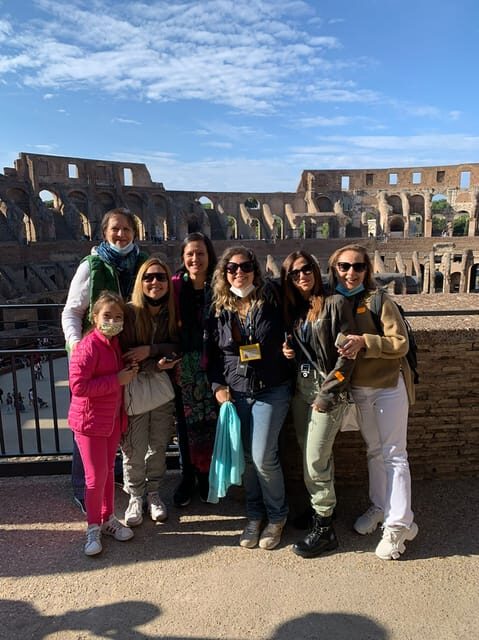
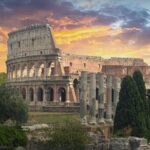
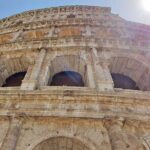
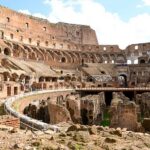
Once you’ve visited the arena level, you head up into the first and second tiers of the Colosseum. This is where the tour adds value beyond the headline “arena access.” Your guide leads you to vantage points and panoramic terraces—great for photos and for getting your bearings inside the structure.
If you’ve ever felt lost in the Colosseum because you can’t tell where you are relative to the action, this is the fix. Standing up gives you the geometry of the monument. You can look across the Forum area and get a real sense of the space’s layout.
The photo timing here is also smart. After seeing the arena platform, you understand what you’re photographing. You don’t just take pictures of the stone. You take pictures that show the arena’s relationship to seating tiers and sightlines.
Another key payoff: context
Your guide also explains lots of odds and ends, including why the Colosseum is called the Colosseum—the tour is built for you to leave with a story, not just a certificate photo.
The Private Tour Setup That Keeps the Experience Enjoyable
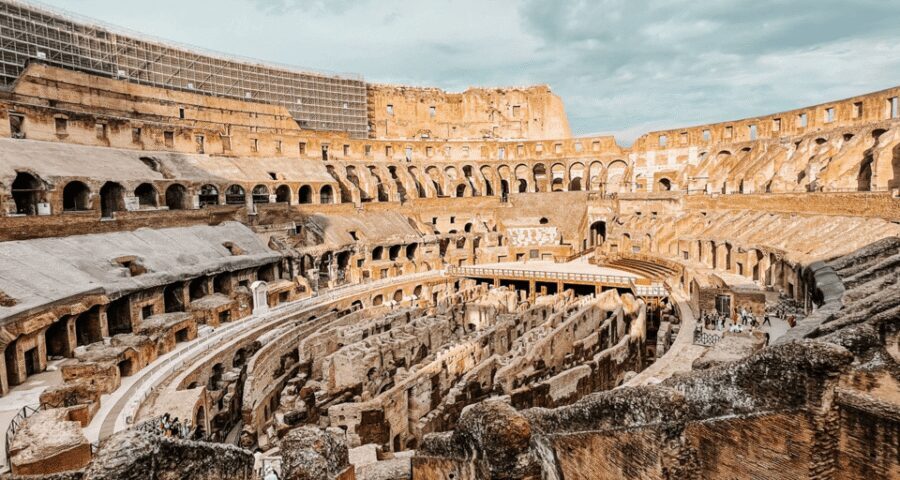
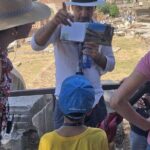
This is a VIP private style tour for a group of up to 10 people, and it feels built for real conversation with your guide. You also get headsets, which is a quiet lifesaver in a place where crowds, stone surfaces, and background noise can swallow normal speech.
In the reviews, I’ve seen the guide factor make a real difference. People highlighted Sylvia, and they also mentioned great experiences with guides like Marcello V and Francesca. The common thread: the guides keep a good pace, answer questions, and make sure you’re not just following like a robot.
That matters because the Colosseum and Forum can become overwhelming fast. A good guide helps you filter what to notice. You’re not trying to read everything on your own. You’re listening to someone connect details to what those ruins meant.
Pace and comfort
The tour includes guided blocks at each major site and short photo time where it counts. In practice, that structure helps you avoid the trap of constant motion without explanation. You’ll still walk, but you’ll also get stops that let the information land.
Tickets, Timing, and Security: Plan for the Reality of Rome
The tour includes skip-the-line tickets and an express security check. That’s important because the Colosseum area is where time gets swallowed by lines. With this setup, you spend less time waiting and more time in the actual experience.
Your day also runs in a “rain or shine” mode. So if the weather looks iffy, bring what you need. The itinerary is designed to keep going, and Rome’s ancient sites don’t care if clouds roll in.
Also plan for the tour length. It’s listed as about 2.5 hours, but it’s described as a 3-hour English-speaking guided tour. Either way, expect a half-day chunk of your schedule, not a quick stop before lunch. The key is you’re covering three big targets: Roman Forum, Palatine Hill, and the Colosseum Arena Floor.
What to bring (simple and useful)
Bring your ID/passport, since it’s required. And bring a camera you can access quickly. The arena floor is the kind of place where you’ll want shots fast, before you lose the angle.
Who This Tour Is Best For (and Who Might Want to Skip)
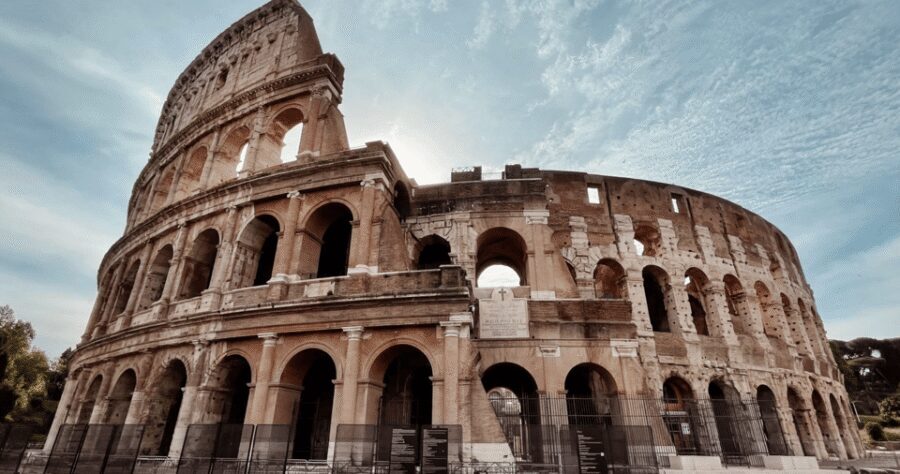
This tour is ideal if you want the Colosseum experience to include the part most people never see. If the “arena floor” detail is why you’re in Rome, this is the one that delivers. It’s also a strong choice if you like history tied to place—power in the Forum, elite living on Palatine, and spectacle in the Colosseum.
I’d also recommend it if you’re traveling with mixed interests. One person might care about architecture and photos, another might care about who ruled and what happened on stage. The itinerary hits all of that without turning into a lecture.
Who might hesitate? If you hate crowds or struggle with walking on uneven ground, Palatine Hill and the Forum can feel like a lot. And if you want long, unstructured time in one site, you’ll find the segments are guided and timeboxed—especially the Arena Floor stop.
Should You Book the Colosseum Arena Floor, Roman Forum & Palatine Tour?
Book this tour if you want one ticket to hit the Colosseum’s most exclusive area, then connect it to the civic heart of Rome and the hill where the elite lived. The arena floor access through the Gladiator’s Gate is the standout value, and the headsets plus small-group setup make the experience easier to enjoy without straining to hear.
I’d pass if you’re trying to do a DIY day with no guide at all, or if your top priority is spending a lot of unhurried time in just one location. But for most visitors, this is a smart trade: brief, focused time at each major site, plus enough guidance to turn ruins into a story you’ll actually remember.
FAQ
How long is the tour?
The tour duration is listed as about 2.5 hours, and it’s also described as a 3-hour English-speaking guided tour. Check availability for exact starting times.
Where does the tour start?
The meeting point is at Largo della Salara Vecchia, with your guide waiting near the ticket entrance on the Roman Forum.
Which parts of the Colosseum are included?
You visit the Colosseum’s first and second tiers, and you also access the Colosseum Arena Floor (the exclusive area most visitors cannot reach).
Is skip-the-line access included?
Yes. Tickets and an express security check are included so you can skip the regular line.
Do I need headsets to hear the guide?
Yes. Headsets are included to help you hear the guide clearly.
What languages is the tour offered in?
The live guide is available in English and Italian.
Is the tour wheelchair accessible?
Yes. The tour is listed as wheelchair accessible.