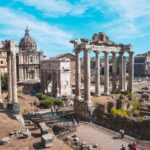
REVIEW · ROME
Rome: Colosseum Arena, Roman Forum & Palatine Tour
Book on GetYourGuide →Operated by Tours And Tours · Bookable on GetYourGuide
A rumble of ancient crowd noise awaits. This Colosseum tour gives you arena-floor access (if selected) plus a guided walk through the Roman Forum and up on Palatine Hill, with the stories of gladiators and the engineering tricks that made the games feel real. I love how it saves time with skip-the-ticket-line entry, and I love that you get a guide who makes the buildings feel like they’re still in use. One thing to consider: it’s not for people with mobility issues or wheelchairs, and the arena floor can close in bad weather without a refund.
If you like your Rome with adrenaline and context, this hits the sweet spot. You’ll hear about gladiator training and living conditions, and you’ll also learn how the Romans engineered the show—especially the systems under the Colosseum that could make animals appear out of thin air. I also like the practical touch of headsets, which help when groups get loud in crowd zones. The main drawback is weather risk: if the arena floor is blocked, you may still go through the gladiators’ gate but you won’t get arena access.
From Via delle Terme di Tito, it’s a straightforward 3-hour route that strings together the big three sights. And since you can choose between group and private options, you can match the pace to your style. I’d just pack for heat and walking, because this is a real stroll with stairs and uneven spots.
In This Review
- Key things you’ll notice
- Colosseum Arena Floor: The View That Changes Everything
- Gladiator Training and Living Conditions: Brutal, But Human-Scaled
- Roman Forum Tour: Where Power, Politics, and Daily Life Collide
- Palatine Hill: The Balcony View of Rome’s Big Story
- Why the Engineering and Engineering Lessons Actually Matter
- The Practical Flow: 3 Hours That Hit the Big Three
- Meeting Point and Getting There Without Stress
- Price, Value, and What You’re Actually Paying For
- What to Bring (and What Not to Bring)
- Who This Tour Fits Best
- Should You Book This Colosseum Arena Floor Tour?
- FAQ
- How long is the Rome: Colosseum Arena, Roman Forum & Palatine Tour?
- Where is the meeting point, and how do I get there by metro?
- What’s included in the tour price?
- Do I get access to the Colosseum arena floor?
- What do I need to bring, and is there security screening?
- Is the tour suitable for wheelchair users or people with mobility impairments?
- What if plans change or the arena floor is closed due to weather?
Key things you’ll notice
- Arena-floor access (optional) that changes how you understand the Colosseum.
- Gladiator stories focused on training and living conditions, not just gore.
- Engineering under the arena explaining the mechanics behind the spectacle.
- Triumphal arches of Titus and Constantine as proof of imperial power in stone.
- Palatine Hill viewpoints for seeing Rome sprawl out beneath you.
- Headsets + multilingual guides that keep the narration clear and the pace steady.
Colosseum Arena Floor: The View That Changes Everything
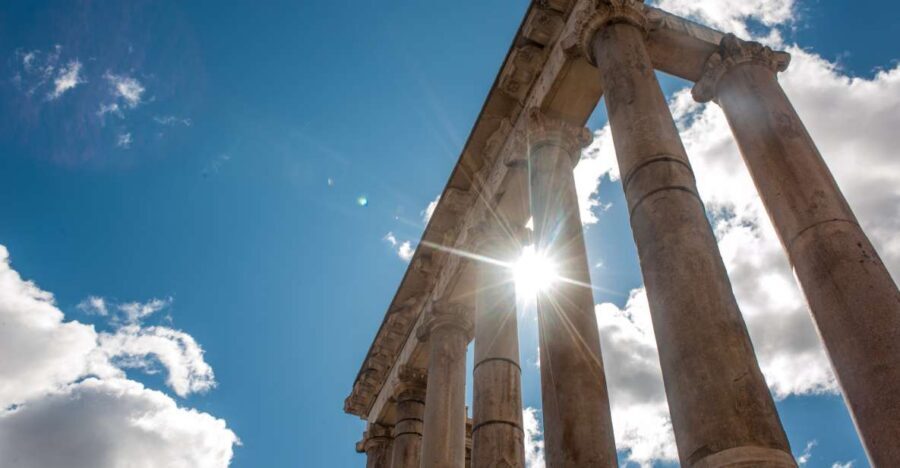
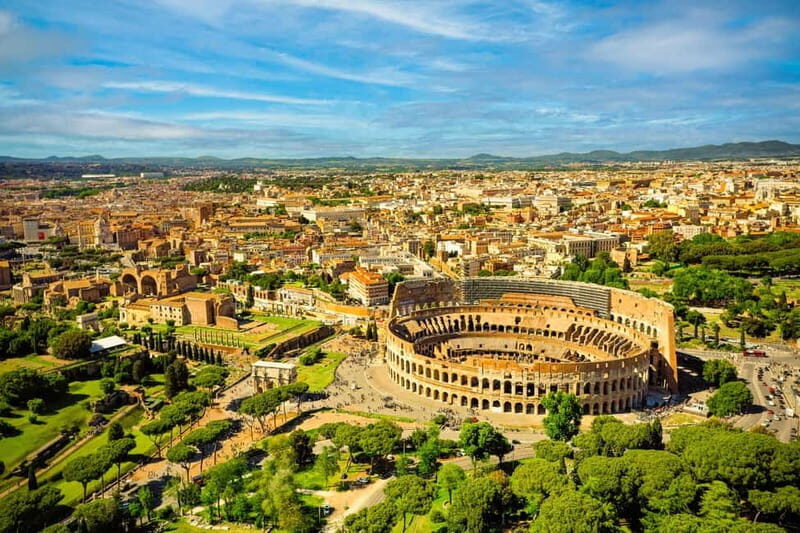
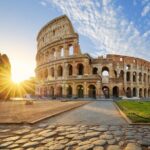
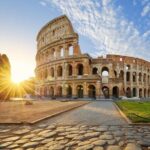
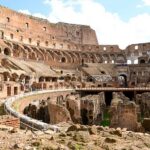
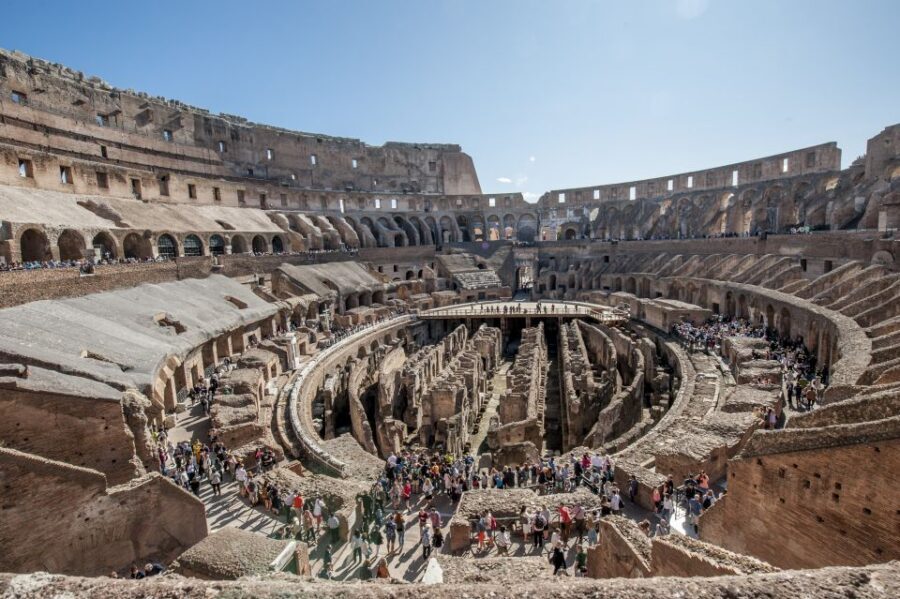
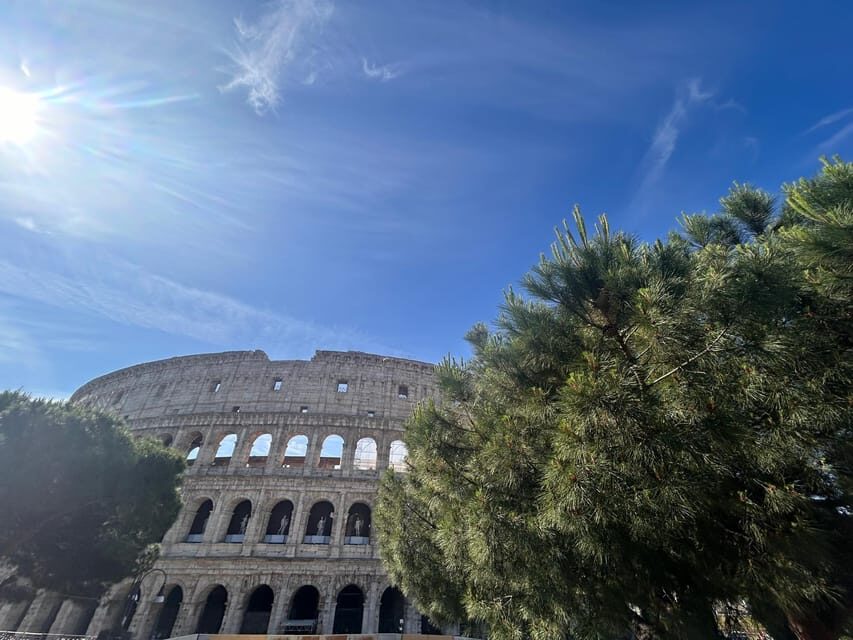
Let’s start with the big shift this tour offers: it isn’t only standing outside the Colosseum and snapping photos. If you select the arena-floor option, you’ll walk into the Colosseum from where the games happened—where gladiators and animals would have moved through staged spaces that feel startlingly close-up today.
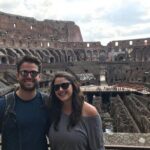
Standing on the arena floor, you understand the scale in a way you can’t get from the seats. You’re level with the structure’s bones: the geometry of the building, the way the tiers rise, and the feeling that the crowd is still a physical thing—above you, pressing in, ready to roar. The tour’s focus on the gladiators helps too. It doesn’t treat them like mythical heroes; it frames them as athletes and workers shaped by training and harsh living conditions.
And then there’s the engineering piece. The narration connects what you’re seeing with how the Romans made the show work: systems under the arena that helped bring events to life, including the effect that animals could seem to appear suddenly. Even if you’ve read about the Colosseum before, seeing it from this position gives those explanations weight.
A small but important practical note: the arena floor can close off due to inclement weather. If it happens, the gladiators’ gate is still mentioned as unaffected, but arena access is prohibited and refunds aren’t provided for that specific closure. So if arena-floor access is your top reason for booking, I’d plan to go on a day with decent weather if you can.
Other Forum, Palatine & Colosseum combo tours we've reviewed
Gladiator Training and Living Conditions: Brutal, But Human-Scaled
This tour’s gladiator storytelling is one of the main reasons it earns such strong marks. It’s not only about dramatic battles. You’ll hear how gladiators trained and what their living conditions were like, which helps you understand why the games were so effective as entertainment—and so effective as propaganda.
Here’s what I like about this approach for your visit: gladiators stop being just symbols. You start seeing them as people living under rules, schedules, diets, injuries, and discipline. The tour also links their world to the bigger Roman message: Rome wanted crowds, spectacle, and political messaging all wrapped into one.
In the same spirit, guides often include practical details that make the Colosseum’s spaces feel logical. For example, when you’re shown where movement and staging would have made sense, the arena stops being a museum set and starts reading as a working venue.
If you’re visiting with kids, this kind of narrative can be a mixed bag (because gladiator life and games were violent by nature). But the tour format is structured: you get a clear sequence of stops rather than wandering and guessing your way through. That structure tends to help everyone follow the story.
Also, you’ll likely hear from guides like Maria, who shows up repeatedly in the strongest feedback. On this kind of tour, the guide matters because the Colosseum is so visually overwhelming that you need a map in words, not just in stone.
Roman Forum Tour: Where Power, Politics, and Daily Life Collide
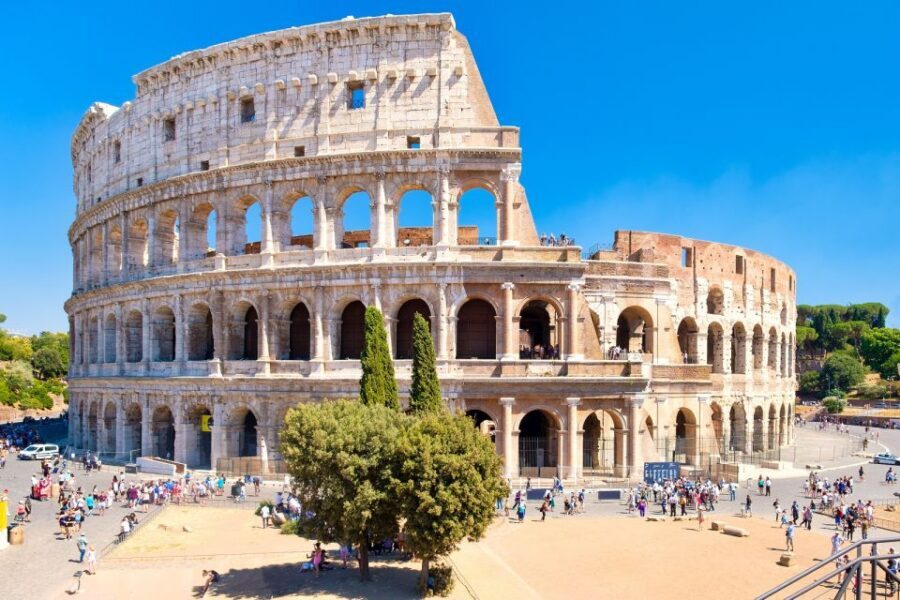
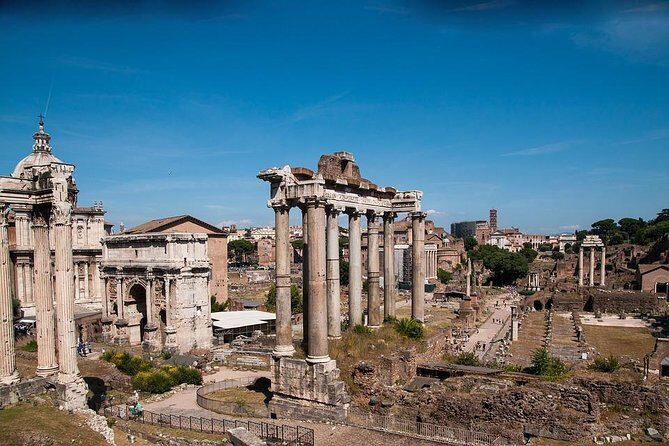
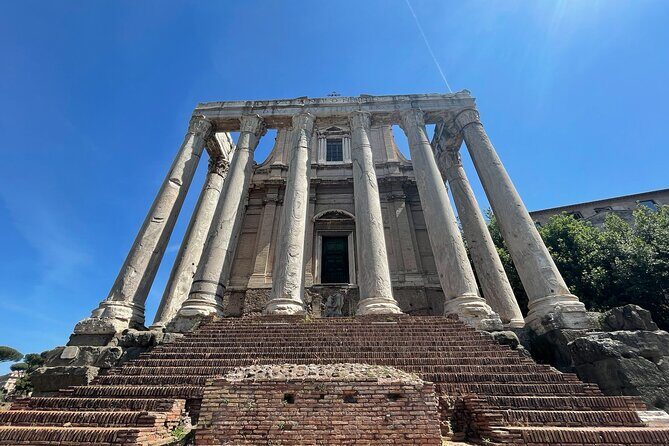
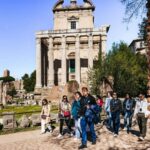
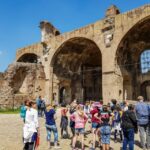
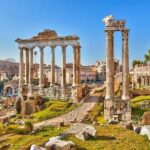
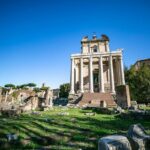
After the Colosseum, the Roman Forum feels like a different type of Rome. It’s less about one building and more about the city’s nervous system—public spaces that hosted politics, religion, and civic life, all while empires grew larger and louder.
This part of the tour runs as a focused guided walk, so you’re not stuck staring at scattered ruins wondering what used to go where. You’ll connect the Forum to the gladiator story in a smart way: the games weren’t floating in a vacuum. They sat inside a political world where emperors needed legitimacy and Rome needed constant public theater.
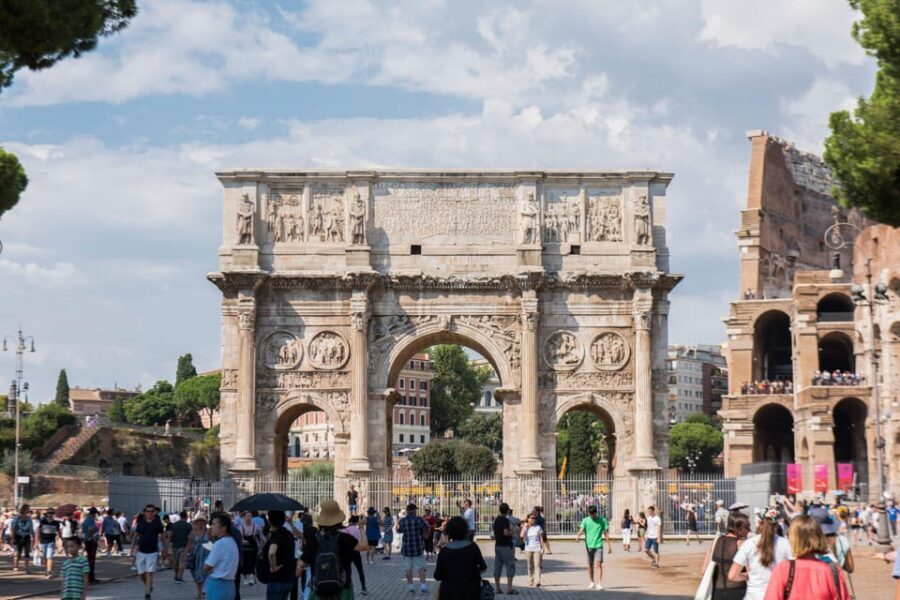
A standout feature here is the visit to the triumphal arches of Titus and Constantine. These arches are described as two of only three remaining in the city. Seeing them as physical checkpoints during the walk gives you a clearer sense of how imperial power was advertised. Even if you’re not a Roman-history deep reader, an arch is a simple visual argument: it says, look what we accomplished, and remember who did it.
The Forum is also where you’ll appreciate the tour’s pacing. It’s easy to overstay in the Colosseum zone, then feel rushed once you’re in the Forum. This itinerary keeps the momentum moving, but not so fast that you’re constantly falling behind.
Palatine Hill: The Balcony View of Rome’s Big Story
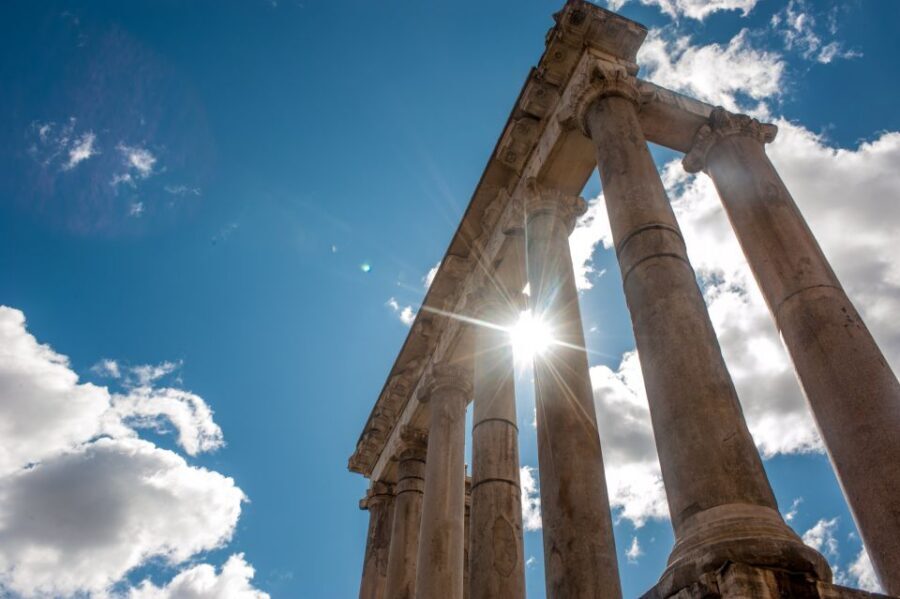
Palatine Hill is one of those places that can feel like a highlight even when you’re tired. The walking is worth it, because the payoff is perspective: you gain viewpoints over Rome that make the scale click.
This tour includes a guided hour on Palatine Hill, and that’s a smart amount of time. Enough to orient you, explain the significance of the hill, and still give you chances to pause for photos or just soak in the city below. If you’re the type who likes to understand what you’re seeing, Palatine is where you stop thinking of Rome as isolated landmarks and start thinking of it as a city system.
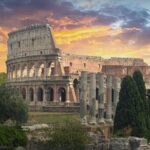
It also works as a closing act. You’ve walked the arena where spectacle lived. You’ve walked the Forum where authority played out. Then Palatine gives you distance and context—the feeling that the entire empire, not just the arenas and arches, was built on top of layers of ambition.
Why the Engineering and Engineering Lessons Actually Matter
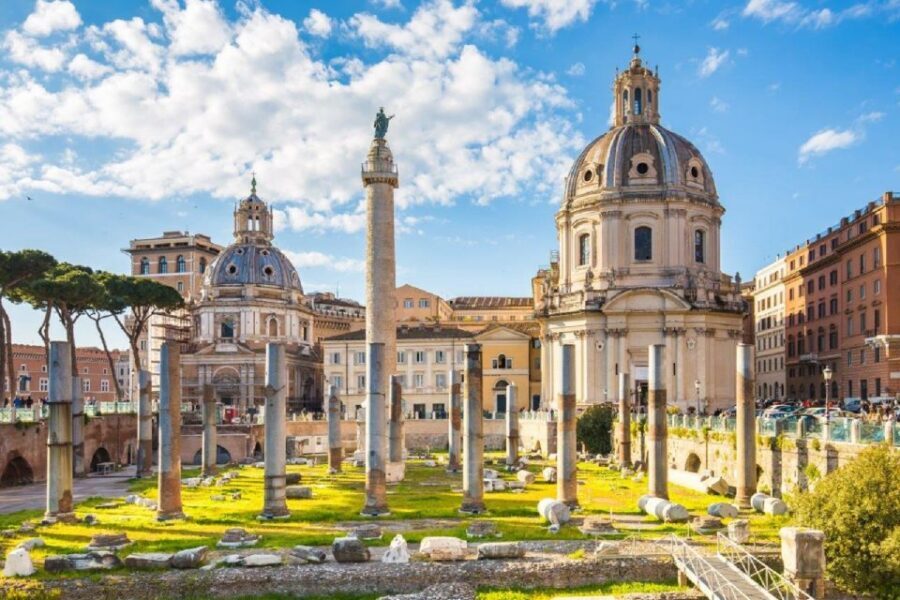
Some Colosseum tours talk. This one tries to make you see. The engineering emphasis is a genuine value add because it answers the question people always have: how did they stage this so it looked effortless?
When the guide explains the complex systems under the arena—especially the mechanisms tied to animals and sudden appearances—it turns the Colosseum from an impressive ruin into a coherent production machine. That doesn’t mean you need technical knowledge to enjoy it. It means you get the logic behind what you’re standing on.
And that logic helps you read the rest of the site. You’ll start noticing sightlines, spatial separation, and how movements would have been choreographed. Instead of being stuck in wow-mode, you’ll feel like you understand how the venue worked—at least at the big-picture level.
This is where a strong guide earns their pay. A guide’s job isn’t to recite dates. It’s to connect what’s visible with what’s implied. When the tour does that well, you leave with a Colosseum that feels less like a postcard and more like a place.
Other Roman Forum tours we've reviewed
The Practical Flow: 3 Hours That Hit the Big Three
The timing is part of the deal. Expect about 3 hours total, with guided segments for the arena floor, the Roman Forum, and Palatine Hill. That structure matters because these sights are popular and crowded, and you don’t want to spend your limited vacation hours stuck in lines.
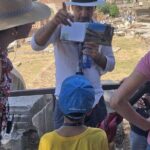
Skip-the-ticket-line access helps a lot here. You’re still going through airport-style security, but the skip-the-line portion reduces the time you lose to general waiting. You’ll also be given headsets, which makes it easier to follow the guide even when the crowd gets thick.
One more practical detail that you’ll feel during the day: the tour isn’t suitable for wheelchair users or people with mobility impairments. Even if the sights are outdoors and you think it will be smooth, the walking and terrain around these areas make it challenging.
If you have a moderate to good fitness level, you’ll likely be fine. The route involves real walking and includes stairs in the Colosseum area and around the hill.
Meeting Point and Getting There Without Stress

You meet at Via delle Terme di Tito 93. The easiest metro connection is through Colosseo metro station. From there, walk up to the terrace above the station, then head on Via Nicola Salvi for about 100 meters and turn left.
This is the kind of meeting-point info that can save you 30 minutes of wandering—especially on your first day in Rome. I’d build a little buffer into your schedule because the security line and check-in timing can affect how smoothly you start.
At the end, the tour returns you to the same meeting point. That simple loop is helpful because it means you’re not trying to regroup with a new drop-off location while your legs are already complaining.
Price, Value, and What You’re Actually Paying For
At $44.41 per person, this tour isn’t trying to be the cheapest option. But value-wise, you’re buying three things at once: guided storytelling across all three sites, entry to the Roman Forum and Palatine Hill, and (if you choose it) access to the Colosseum arena floor.
You also get headsets and skip-the-ticket-line entry. Those aren’t small perks at the Colosseum. Waiting in lines is where a Rome day quietly drains away. Shortening that drag is worth money because it protects your time for the parts you actually came for.
Here’s how I’d judge value in your shoes:
- If arena-floor access is a must for you, pick the option that includes it. It’s the experience that makes this tour feel like more than just a normal highlights walk.
- If you care more about the Forum and Palatine views, the tour still covers them in a guided, time-efficient way.
- If you want total freedom to linger for an hour in every corner, this may feel structured. That’s not a flaw—it’s just a different style of travel.
What to Bring (and What Not to Bring)
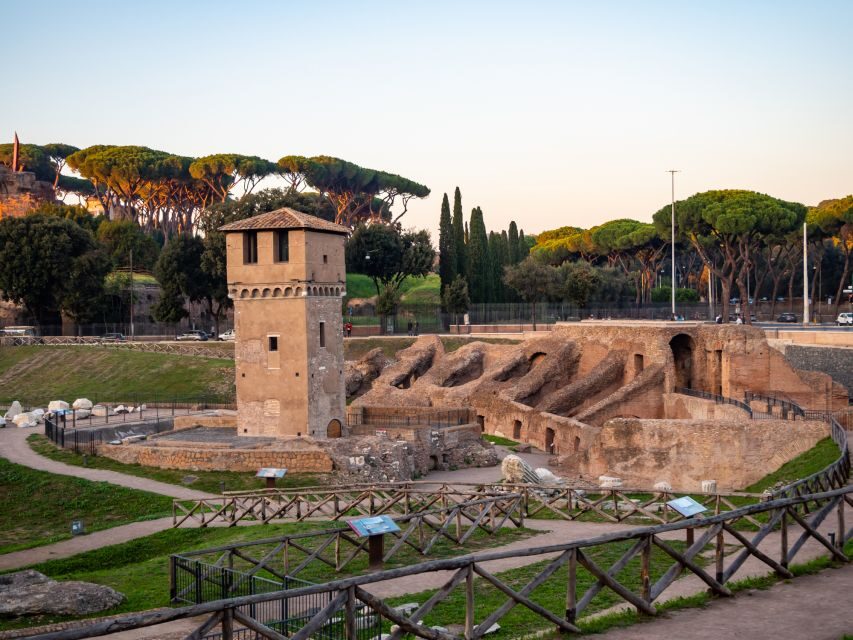
You’ll need a passport or ID card, and the same rule applies to children included in the reservation. Everyone also goes through security screening, so I’d treat it like a real checkpoint day.
Bring water and plan for sun, especially if you get arena-floor access. The Colosseum area can be hot, and the floor time adds to that. A sun hat is a smart idea if you’re traveling in warmer months.
Don’t bring pets, weapons or sharp objects, luggage or large bags, alcohol or drugs, or glass objects. If you’re trying to travel light, you’ll feel better during security.
Who This Tour Fits Best
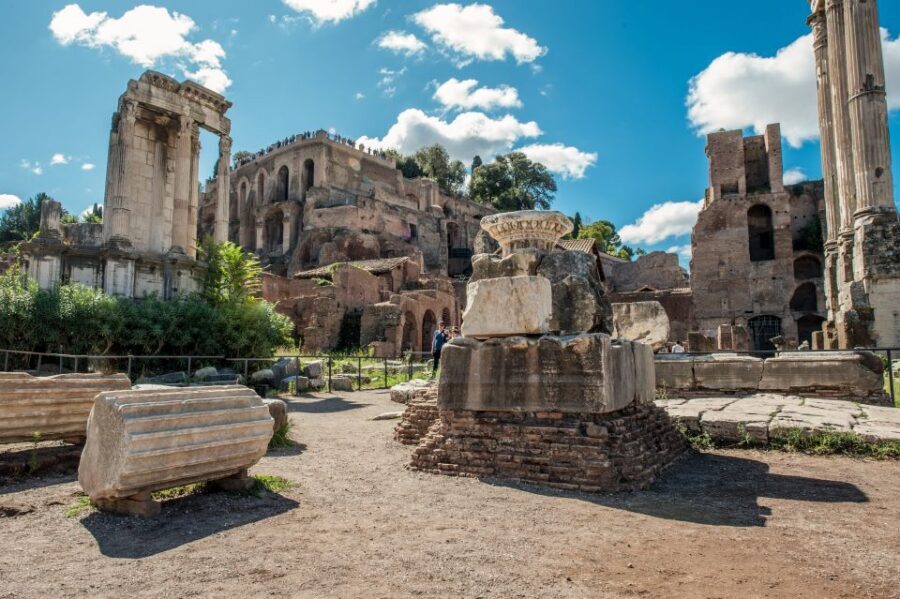
I think this tour is a strong match if you:
- Want a guided route that covers the Colosseum, the Roman Forum, and Palatine Hill without getting lost in choices
- Care about gladiator stories with context, including training and living conditions
- Like clear explanations of how ancient engineering made the spectacle work
- Prefer skip-the-line entry and headsets over listening through crowds
It’s not a good fit if you need wheelchair access or have mobility limitations. The route is described as not suitable for people with mobility impairments, and the terrain is part of the reality here.
Should You Book This Colosseum Arena Floor Tour?
Book it if you want the Colosseum to feel alive, not just photographed. The arena-floor option is the main reason this tour can beat a self-guided visit, because it changes your perspective and makes the engineering explanations meaningful. I’d also recommend it if you like structure: you get a clear flow across the Forum and Palatine Hill, and the guide’s job is to keep the story coherent.
If weather is a concern and arena access is your top priority, do yourself a favor and pick a day with the best forecast you can manage. The arena floor may close without notice, and refunds can’t be provided in that case. If that risk would ruin your trip, you might consider a different option that doesn’t hinge on the arena floor being open.
Overall, if you’re aiming for a time-efficient, guide-led Rome day with real depth on gladiators and imperial messaging, this tour is a very solid bet.
FAQ
How long is the Rome: Colosseum Arena, Roman Forum & Palatine Tour?
The tour lasts 3 hours.
Where is the meeting point, and how do I get there by metro?
Meet at Via delle Terme di Tito 93. If you arrive by metro at Colosseo station, reach the terrace above the station, walk on Via Nicola Salvi for about 100 meters, then turn left.
What’s included in the tour price?
It includes a guide, a walking tour, entry to the Colosseum, entry to the Roman Forum, entry to Palatine Hill, and headsets. Skip-the-ticket-line entry is included too.
Do I get access to the Colosseum arena floor?
Arena floor access is included if you choose the option that includes it. If that option isn’t selected, you still get guided access as described for the tour.
What do I need to bring, and is there security screening?
Bring your passport or ID card (and the same for children included in the reservation). All visitors must pass through airport-style security.
Is the tour suitable for wheelchair users or people with mobility impairments?
No. The tour is not suitable for people with mobility impairments and not suitable for wheelchair users.
What if plans change or the arena floor is closed due to weather?
You can cancel up to 5 days in advance for a full refund. If inclement weather causes the arena floor to close, entry through the gladiators’ gate is not affected, but access to the arena floor will be prohibited, and refunds cannot be provided for that situation.