REVIEW · ROME
Rome: Colosseum, Palatine Hill and Roman Forum Guider Tour
Book on GetYourGuide →Operated by Discovery Live Tours · Bookable on GetYourGuide
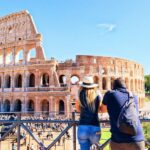
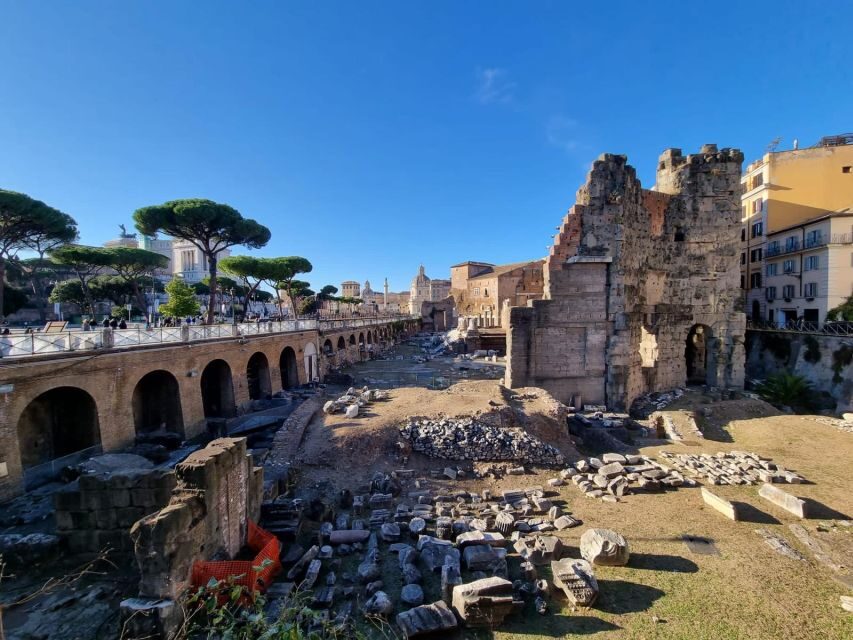
Rome has a way of stopping you cold. The Colosseum is where that happens, fast. This tour is built around the three big anchors of ancient Rome: the Colosseum, the Roman Forum, and Palatine Hill, with a certified guide who helps turn stone and ruins into a real story you can follow on your feet.
I especially like the focus on the Colosseum experience itself. You get a guided visit inside, plus time to photograph and take in the arena atmosphere—exactly the kind of context that makes the site click. I also like that you’ll have headsets if you’re in a larger group, so your guide’s explanations stay clear even when the crowds press in.
One thing to watch: this isn’t a long, fully guided sweep of every area. The guided portion is mainly tied to the Colosseum, while Palatine Hill and the Forum are more about access and self-guided wandering—great if you like freedom, not ideal if you want nonstop commentary everywhere. Also, it’s not suitable for people with mobility impairments.
In This Review
- Key things I’d zero in on before you book
- Your first steps: meeting at Colosseo and getting oriented
- Entering the Colosseum: where the arena becomes real
- A Colosseum note that affects expectations
- Palatine Hill with your own pace after the big explanation
- Why Palatine Hill is worth the time
- Roman Forum: the empire’s control room, not just ruins
- A smart way to enjoy it
- The guide experience: what the best performances look like
- What’s included, what you must handle, and what to pack
- Price and value: is $96.29 a smart buy?
- Best-fit travelers (and who should consider another option)
- Booking timeline and the small-print reality
- Should you book it? My practical call
- FAQ
- Where do I meet the guide?
- Does the tour skip the ticket line?
- Which languages are available?
- What ID do I need to bring?
- Is food or drinks included?
- Is it suitable for people with mobility impairments?
Key things I’d zero in on before you book
- Certified guide with history/art university background (not just a speaker, but someone trained to explain the material)
- Skip-the-ticket-line access so you spend more time inside the ruins and less time waiting
- Colosseum walkthrough built around the arena and spectator levels, not just a look from the outside
- Palatine Hill + Roman Forum access so you can move at your own pace after the Colosseum focus
- Clear meeting point details: metro Colosseo front, guide with a yellow umbrella, arrive 15 minutes early
- No large bags allowed—light packing matters if you don’t want hassle at entry
Your first steps: meeting at Colosseo and getting oriented
The meeting point is straightforward, and it’s worth treating it like part of the experience. Arrive 15 minutes early at the front of the metro station Colosseo, and look for your guide holding a yellow umbrella.
Here’s the practical tip that can save your morning: there are different exit levels around the metro station. I’d plan to meet at the ground level entrance/exit area, not whatever looks closest from street view. If you show up at the wrong level, you can easily lose time and then spend your energy sprinting through crowds at the start.
Once you’re with the guide, the tour’s rhythm matters: you’re not doing a random walk. You’re moving through three spaces that tell one connected story—public spectacle, political/religious power, then imperial living. That flow is what makes it more than just ticket-entry sightseeing.
Other Forum, Palatine & Colosseum combo tours we've reviewed
Entering the Colosseum: where the arena becomes real
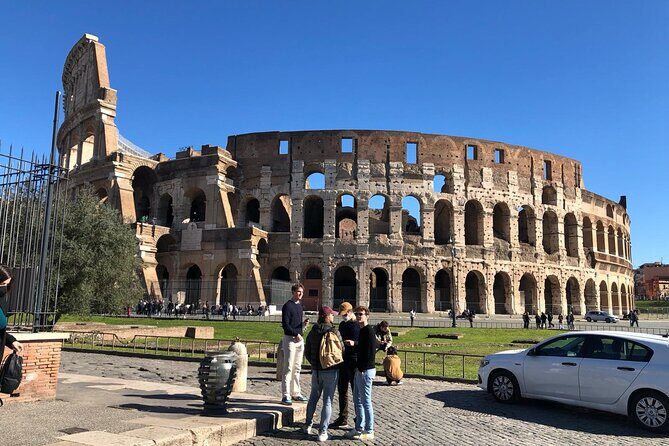
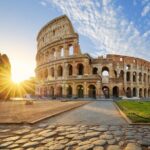
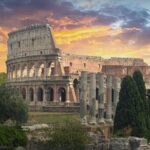
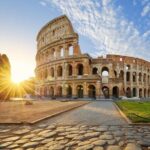
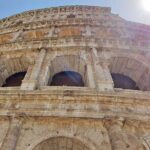
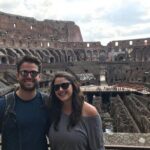
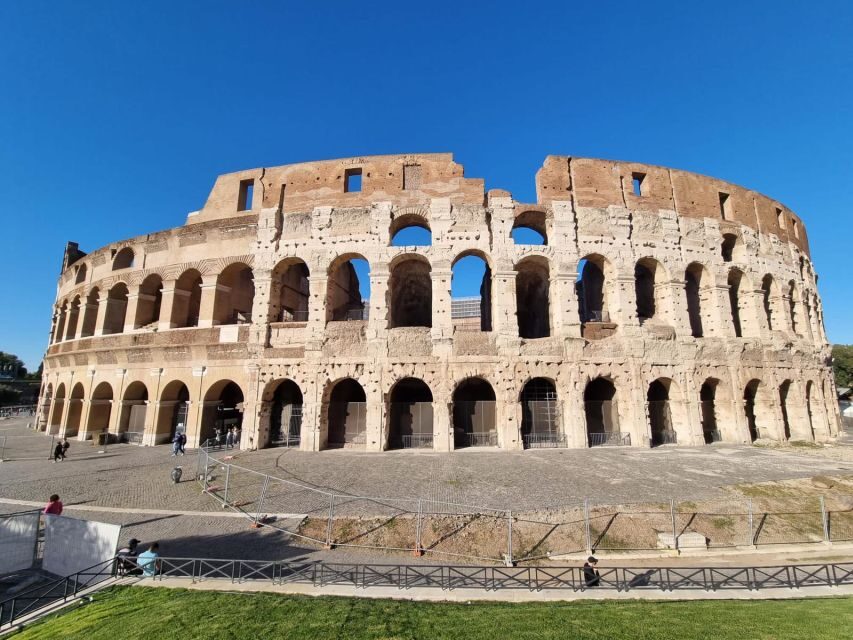
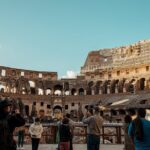
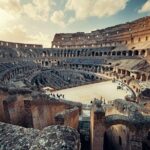
This is the heart of the tour. You start at Colosseo, then head into the amphitheater for a guided visit (about 1 hour), with a photo stop built in. The goal is to get you from outside-the-monument impressions to an understanding of the place as an operating machine for spectacle.
You’ll experience the Colosseum at multiple levels of meaning:
- The arena is where gladiator fights and other dramatic events once happened.
- The spaces tied to spectators help you imagine what people saw and where they sat.
- The guide’s historical context keeps you from treating it like an empty shell.
Even if you’ve seen photos, it helps to have the explanation anchored to specific parts of the structure. The tour is designed to help you “place” yourself inside the building—so you’re not just looking, you’re reading the site with your feet.
A Colosseum note that affects expectations
This tour is best described as Colosseum-first. The guided commentary is most concentrated there. After that, Palatine Hill and the Roman Forum shift more toward access and your own exploration. If you love the idea of time with a guide for the big centerpiece and then freedom to wander the rest, this format will feel comfortable.
Palatine Hill with your own pace after the big explanation
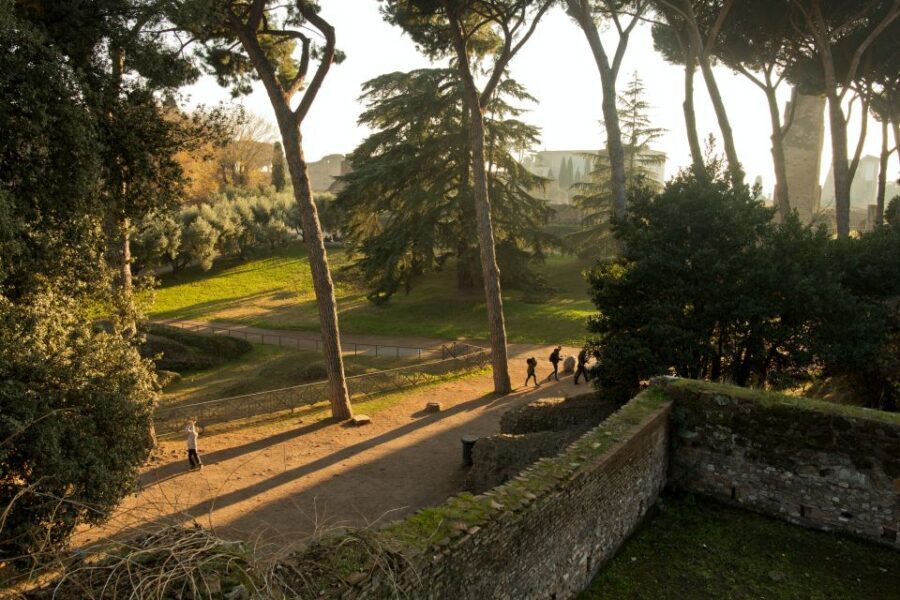
After the Colosseum, you go to Palatine Hill, a place strongly tied to elite residence and imperial power. This is where wealthy patricians once lived, and the landscape feels different from the Colosseum the moment you’re on it—more lived-in, more spread out, and easier to imagine as neighborhoods of the powerful.
The tour frames Palatine Hill around a key storyline: Octavian Augustus decided the imperial palace should be placed here. That’s a helpful idea to carry while you walk, because you start interpreting what you see through the lens of where rulers chose to live and govern from.
In practice, this segment is not all “guided walking commentary.” It’s more of a guided-to-get-your-bearings experience, followed by time to explore. If you like to stop and look, compare viewpoints, and linger where the view pulls you in, you’ll probably enjoy it.
Why Palatine Hill is worth the time
A lot of Rome ruins can feel like “look at the stones.” Palatine Hill is different because it’s tied to a living geography: the hill itself supports the story of why leaders wanted to be there. With a basic framework from the guide, your self-guided wandering becomes more purposeful.
Other Roman Forum tours we've reviewed
Roman Forum: the empire’s control room, not just ruins
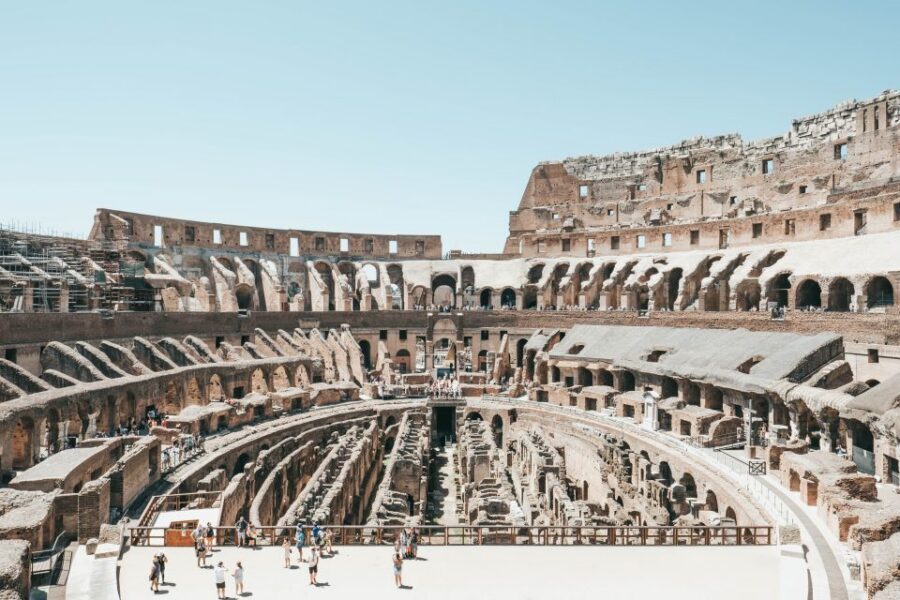
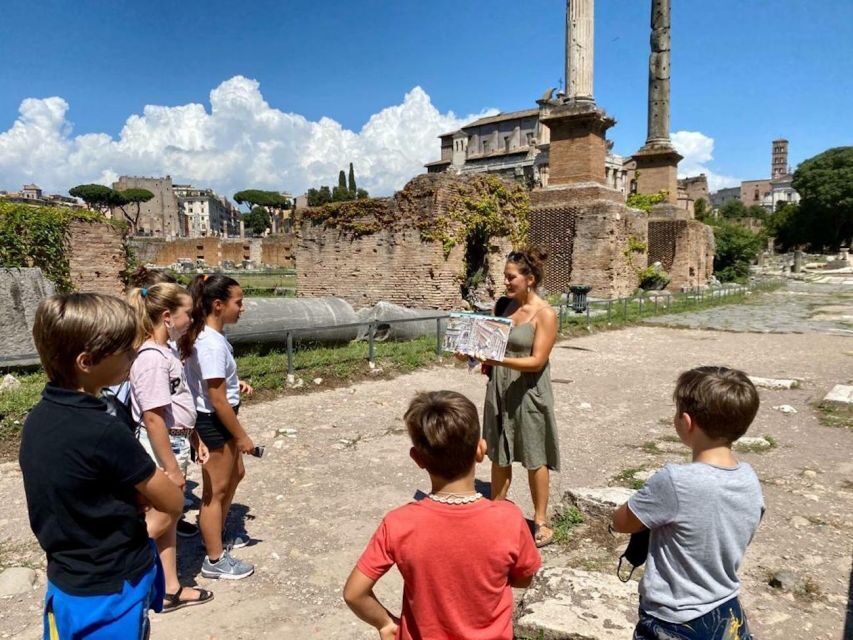
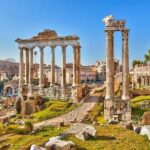
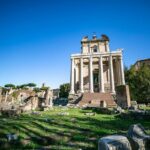
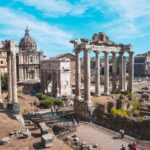
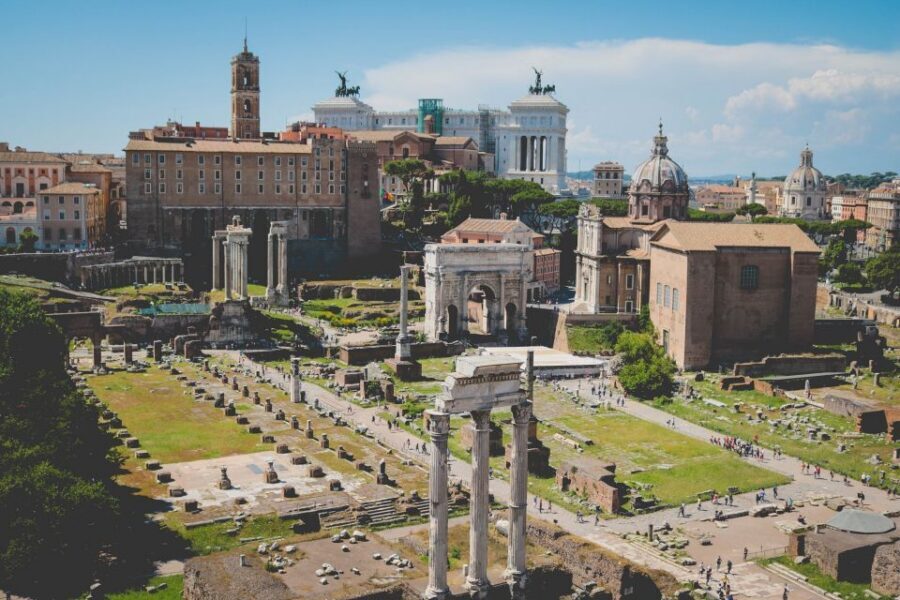
Then comes the Roman Forum, described as the commercial, religious, and political center of Rome—and really of the wider empire. That’s an important framing, because it changes how you read the space.
You’ll have a break time and a photo stop, then you’re set up to visit the Forum. The experience centers on understanding the power that used to flow through this area: announcements, decision-making, religious activity, and everyday business life tied to the city’s political engine.
A smart way to enjoy it
Because this part leans more on self-exploration, I’d treat it like a scavenger hunt. Pick a few themes—politics, religion, commerce—and scan for the visual cues that match those categories. The Forum rewards attention more than speed.
One extra practical detail: the site can feel busy and confusing if you don’t have the “what this place was for” mental hook. This tour provides that hook before you enter, so you aren’t just wandering through columns and fragments—you’re walking through the empire’s workflow.
The guide experience: what the best performances look like
The tour’s quality is tied to the people running it, and the strongest signal here is that you’re getting a certified tour guide with a university degree in history and/or art.
The names that come up most in the feedback—like Rosa and Nadezhda—share a similar vibe: clear explanations, kindness, and a storytelling style that brings daily life into focus. One standout element is the way the guide talks about ancient lifestyle details and even the social gossip element of the era. That kind of commentary turns facts into something you can actually picture.
Also, the presence of headsets for groups larger than 5 is genuinely practical. It keeps the tour from becoming a guessing game when you’re near crowds and echoing stone.
What’s included, what you must handle, and what to pack
Included:
- A certified guide (with the university-level history/art background)
- Headsets for groups larger than 5
- Skip the ticket line
Not included:
- Hotel pickup/drop-off
- Food and drinks
What to bring:
- Passport or ID card (everyone must carry IDs)
What’s not allowed:
- Luggage or large bags
So pack light. If you tend to travel with a big bag, plan ahead. Even when a site has rules that feel strict, the easiest solution is usually simple: keep it compact, keep it easy, move with confidence.
Opening hours can change, so don’t assume everything will run on a fixed schedule day-of. Build in a little wiggle room.
Price and value: is $96.29 a smart buy?
At $96.29 per person, this isn’t the cheapest way to see the Colosseum and its neighbors. But it’s also not overpriced for what you’re actually getting.
Here’s why the value can work:
- You get skip-the-ticket-line access, which matters because time loss at these sites is real.
- The guide isn’t a casual volunteer; you’re paying for a certified professional with a history/art background.
- The experience is structured around the most important three sites, with a strong explanation component at the Colosseum and access that keeps you moving instead of waiting.
Now, the tradeoff is your expectation level. If you want a long, fully guided, step-by-step commentary across every nook of the Forum and Palatine Hill, you might feel the format is lighter there. If you’re happy with a guided Colosseum core plus independent exploring after, the price-to-experience ratio tends to feel fair.
Best-fit travelers (and who should consider another option)
This tour fits best if:
- You want Colosseum context rather than just standing in front of big walls
- You like having a guide set up the story, then you roam at your own pace
- You want efficient coverage of the Colosseum + Forum + Palatine Hill trio in one outing structure
It may not be a match if:
- You need mobility accommodations; it’s listed as not suitable for people with mobility impairments
- You require continuous guided commentary at every site (the Colosseum is the main guided segment)
Language-wise, you can find guidance in Russian, English, and Italian, which is a helpful advantage if you’re traveling with someone who prefers a specific language.
Booking timeline and the small-print reality
This activity has clear “book ahead” requirements, and you should treat them as non-negotiable because they’re tied to time slots and site access. One note says it must be booked at least 3 days before, while another section indicates at least 5 days before. Either way, don’t wait until the last minute.
Also, it’s listed as non-refundable. That doesn’t mean you shouldn’t book—it just means you should book when your plans are solid.
Finally, opening hours can change, so verify closer to your visit date.
Should you book it? My practical call
I’d book this tour if your priority is the Colosseum experience with real explanations, plus an organized entry into the Forum and Palatine Hill so you can make your own choices once the guide sets you up. The certified guide background, skip-the-ticket-line access, and headset option for larger groups make it a sensible value package at this price point.
I’d think twice if you’re the type who wants a fully guided walkthrough from start to finish at every site. This setup is more Colosseum-focused, with Palatine Hill and the Forum leaning toward self-guided exploration after you’ve been oriented.
FAQ
Where do I meet the guide?
Meet at the front of the metro station Colosseo. Your guide will be holding a yellow umbrella, and you should arrive 15 minutes early.
Does the tour skip the ticket line?
Yes. The tour includes skip-the-ticket-line entry.
Which languages are available?
The live tour guide is available in Russian, English, and Italian.
What ID do I need to bring?
You should bring a passport or ID card, and all visitors must carry IDs.
Is food or drinks included?
No. Food and drinks are not included.
Is it suitable for people with mobility impairments?
No. The activity is not suitable for people with mobility impairments.