REVIEW · ROME
Rome: Colosseum, Roman Forum and Palatine Hill Group Tour
Book on GetYourGuide →Operated by Tour in the City - Travel Agency Rome - · Bookable on GetYourGuide
The Colosseum is a big stage, and this tour helps you read the script. I love the fast-track entrance that keeps you out of the worst lines, and I also like the headset system that makes the guide’s stories easy to follow even with crowds around. One thing to watch: the Colosseum security check is real, so your timing can stretch a bit if your entry is late or your ID check takes longer.
You’ll move through the Colosseum first, then hop into the Forum zone where politics and religion mixed like a living set design. After that, you climb Palatine Hill for views across the Circus Maximus and down into the Forum, with enough time to appreciate why emperors picked this hill in the first place.
In This Review
- Quick hits
- Rome’s Empire in 3 Hours: Colosseum, Forum, and Palatine Hill
- Meeting points and arriving on time
- Skip the line: fast-track entry at the Colosseum
- Inside the Colosseum: tiers, mechanisms, and gladiator shows
- The Roman Forum walk: from Senate power to sacred ruins
- Arches and big moments: Constantine, Titus, and Septimius Severus
- Basilica of Maxentius and the Temple area details
- Palatine Hill: emperor views over Circus Maximus and the Forum
- Guided tour vs self audio-guided: choose your pace
- Guided option (English live guide + headset)
- Self audio-guided option (multilingual smartphone storytelling)
- Price and value: why $28 can make sense in Rome
- Best time to go and weather reality
- What to bring, wear, and avoid
- Should you book this Colosseum–Forum–Palatine tour?
- FAQ
- How long is the Rome Colosseum, Roman Forum and Palatine Hill group tour?
- Is fast-track entrance included?
- What are the two ways to experience the sites?
- What language options are available?
- What should I bring for the tour?
- What can’t I bring into the sites?
- Is the tour wheelchair accessible?
Quick hits
- Fast-track entry into the Colosseum, Palatine Hill, and the Roman (Imperial) Forum area
- English-speaking licensed guide with a headset system for clear explanations
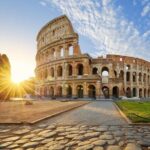
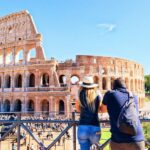
- Colosseum views from the best angle, including time for photos
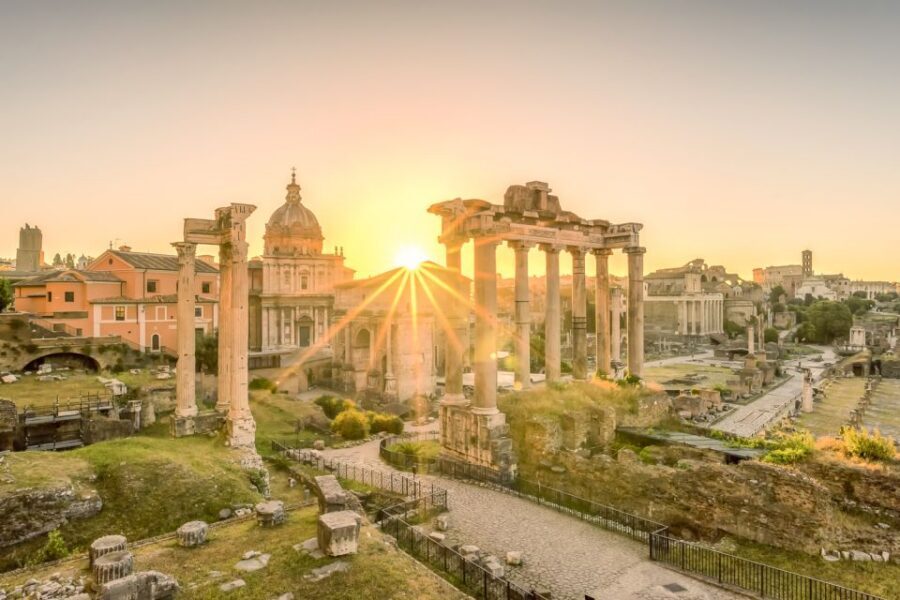
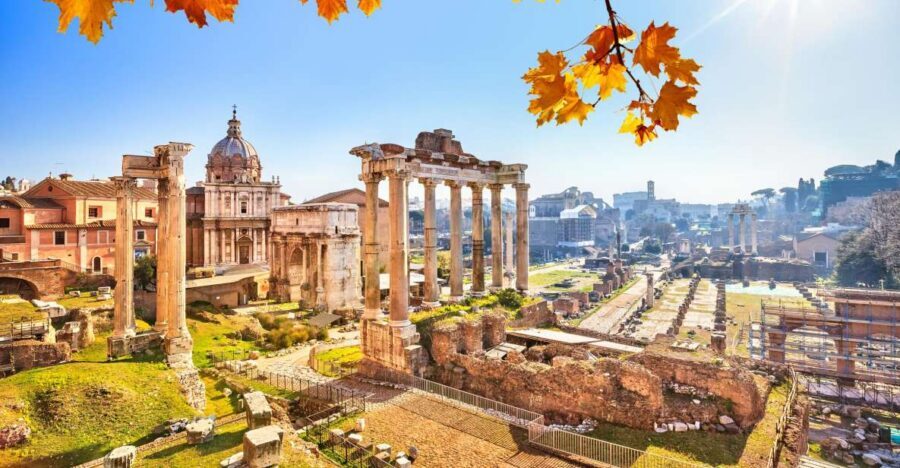
- Forum stops built around power: Senate House area, major arches, and temple ruins
- Palatine Hill perspective on where elite emperors lived and ruled from above
Rome’s Empire in 3 Hours: Colosseum, Forum, and Palatine Hill
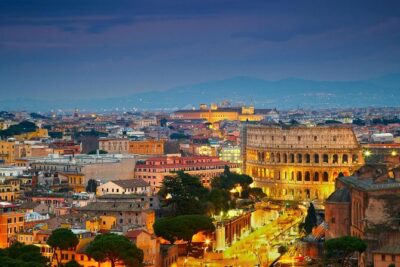
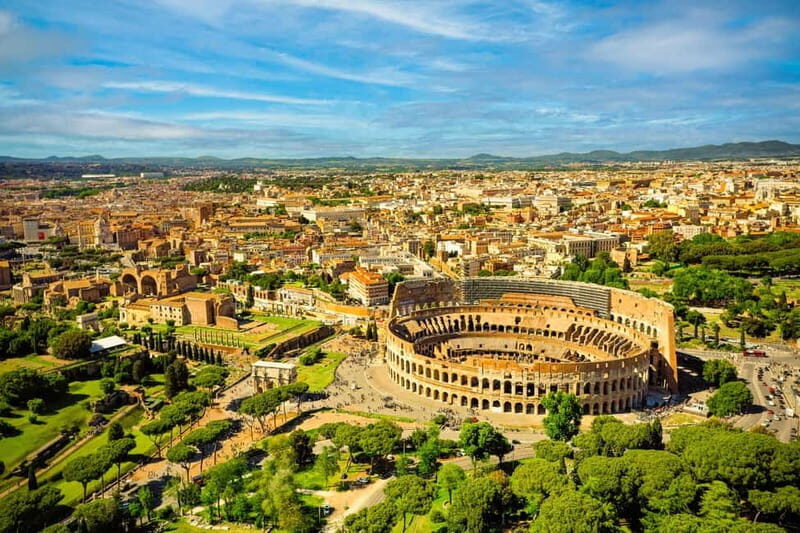
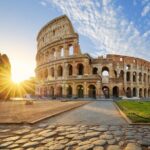
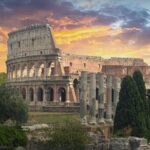
If Rome has a theme song, it’s the Colosseum. This tour turns the usual wow-factor into something you can actually place in your head: construction tricks, gladiator entertainment, and how the Roman Republic and Empire used public spaces to control people and impress visitors.
The pacing is short but not frantic. In about 2.5–3 hours you’ll hit the Colosseum, then walk the Roman Forum area with classic photo stops and built-in context, and finally climb to Palatine Hill for that “this is why they chose this location” view.
You’re not just seeing stones. You’re seeing the logic behind them: where crowds gathered, where decisions were made, and why the emperors looked down over it all.
Other Forum, Palatine & Colosseum combo tours we've reviewed
Meeting points and arriving on time
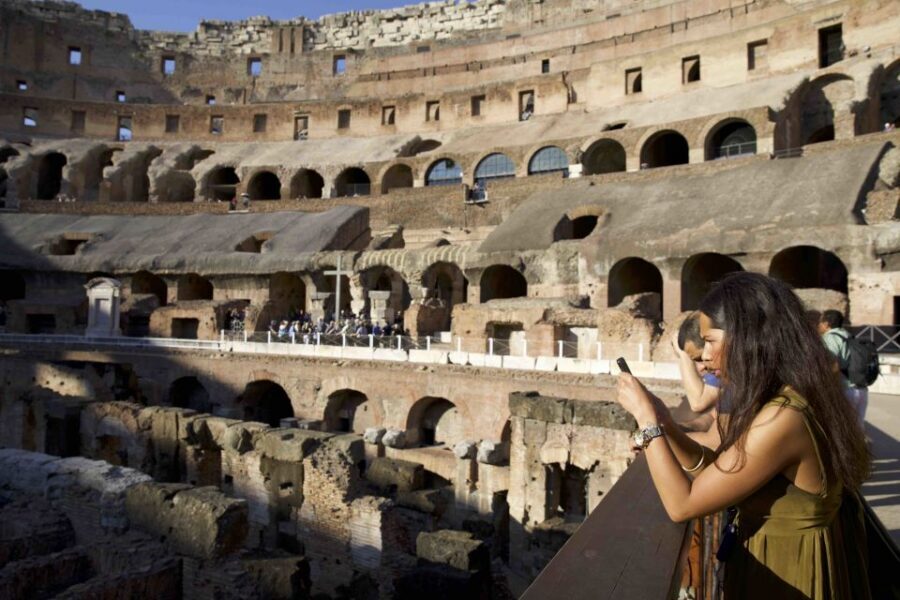
Meeting points can vary based on the option you book, with multiple start spots in the Colosseum/Fori area (including Piazza di San Clemente, Clivo Argentario 1, and Via Labicana 96). Your best move is to map it before you leave your hotel and plan a few extra minutes for walking.
Late arrival matters here. If you show up after the scheduled meeting time, you may not be able to join the group or reschedule because tickets can’t be amended or canceled. So I’d rather you arrive early, even if you’re just standing nearby and working up your appetite for ancient Rome.
At the end, the tour finishes back at the meeting point, and there’s also an option to be dropped near Via dei Fori Imperiali / Colosseum. Either way, you’ll likely be positioned to keep exploring nearby on foot.
Skip the line: fast-track entry at the Colosseum
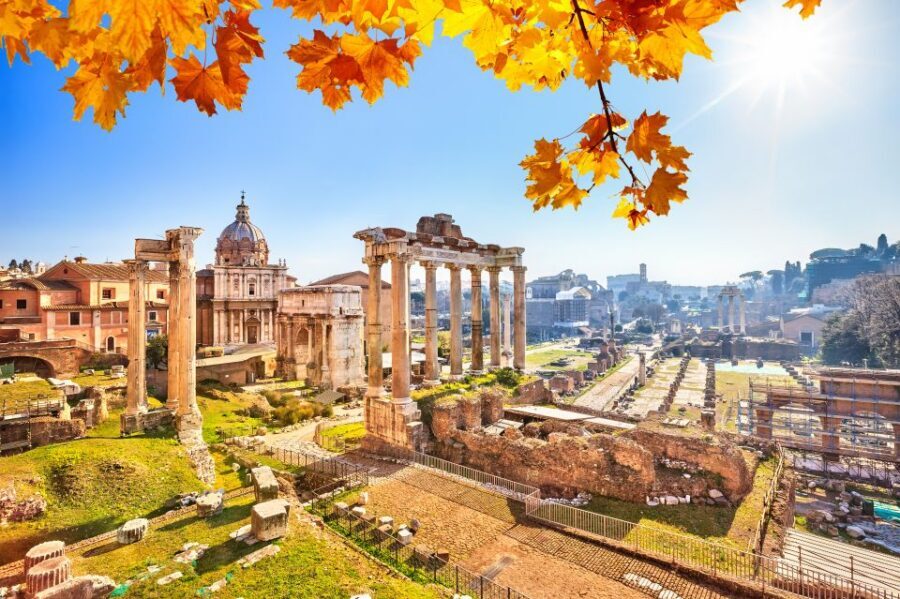
The big practical win is the separate entrance fast-track system for the Colosseum and the other sites on your route. In a place where everyone wants to be at the same landmark at the same time, getting a smoother entry flow is a big deal.
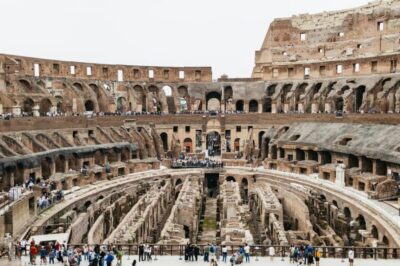
You’ll usually get a quick outside orientation first, so when you do step in, you’re not starting from zero. Then you’ll move through the Colosseum with explanations designed to connect what you see (tiers, corridors, construction) with why it mattered.
And yes, security checks happen. The Colosseum staff check names and IDs, so the wait can be longer than expected compared with a smooth day. If you’re the type who hates being rushed, plan to show up calm and on time.
Inside the Colosseum: tiers, mechanisms, and gladiator shows
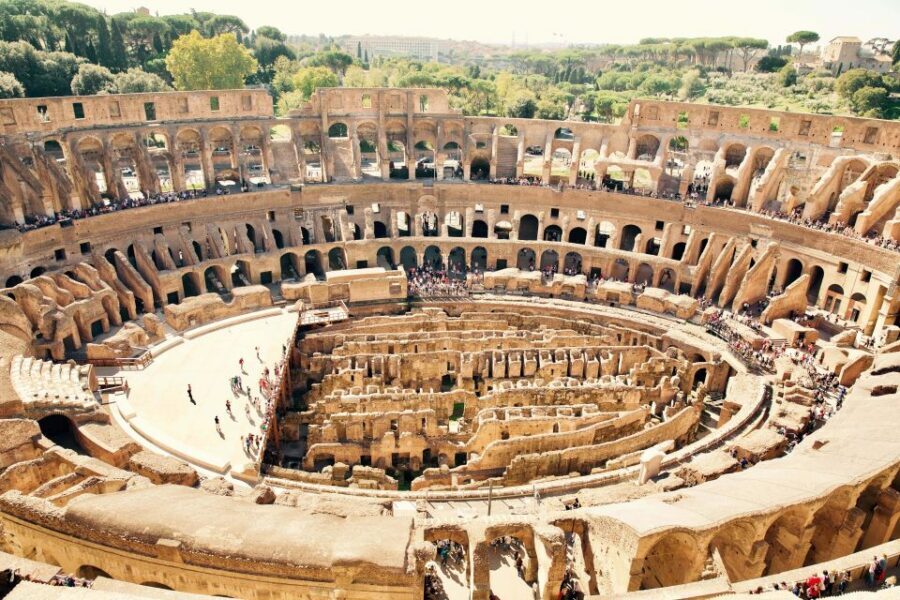
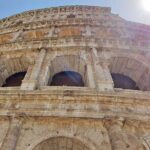
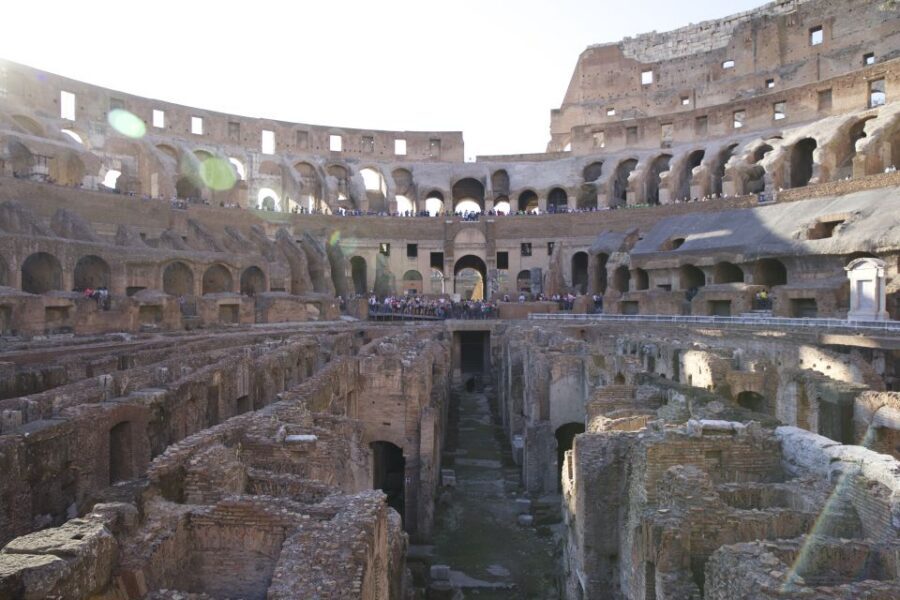
What makes the Colosseum click is the mix of engineering and theater. You’re not just staring at arches. You’re learning how Romans built a structure that could stage huge crowds and high-impact spectacle.
During the tour, you’ll hear about:
- Roman construction techniques, including how they solved practical problems with materials and layout
- The entertainment mechanics, including ideas like trapdoors and stage mechanisms that helped animate the games
- Gladiators and the violence of public contests, with stories that bring the scale to life (and make the whole thing feel less like trivia and more like a real event)
The guide or audio narration also covers the showmanship behind the events, including tales of mock sea battles and how animals were kept before they were brought into the arena. If you’re picturing what it would feel like to hear the crowd swell and then roar again, this is the kind of detail that helps your imagination do the right work.
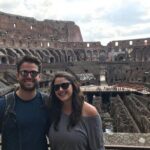
You’ll also go toward the second tier for better views, which is one reason this tour feels worth it even if you’ve already seen a few Colosseum photos online.
The Roman Forum walk: from Senate power to sacred ruins
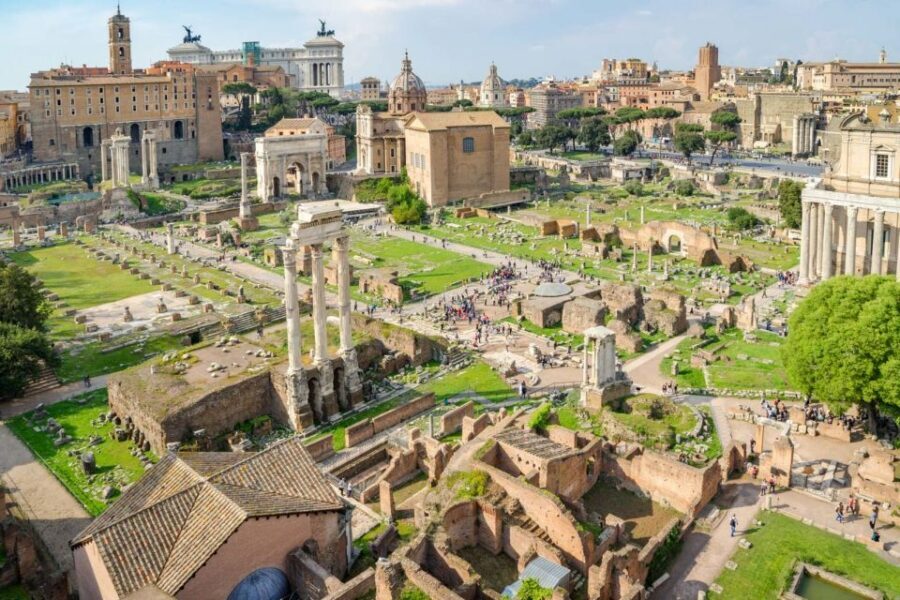
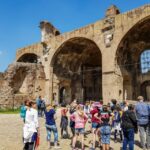
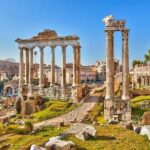
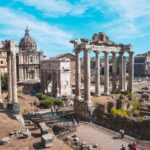
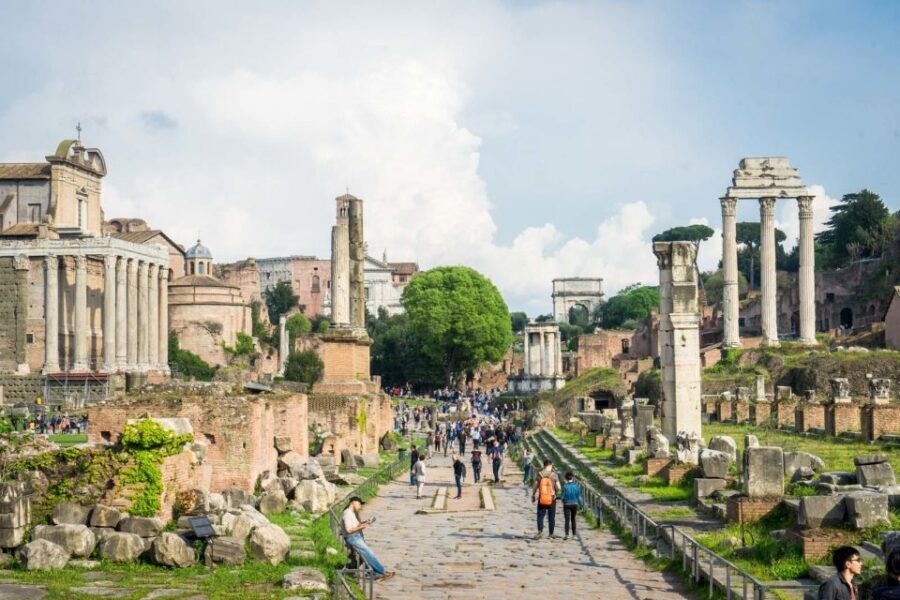
Once you’re out of the Colosseum, the Roman Forum area is where the story broadens. The Forum wasn’t only about meetings. It was where state power, religion, and public life tangled together in the same spaces.
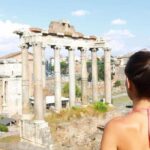
On your walk, you’ll see a chain of high-impact landmarks and learn what they represented. Expect photo stops and short visits around major structures, including the Senate House area (you may see the Curia of the Senate House nearby), plus arches and temple ruins that anchor the political story.
Highlights you can look for as you pass:
- Areas linked to the Temple of Julius Caesar, described as being on the spot where his body was cremated
- The Arch of Titus, often treated as a key visual marker of imperial narrative
- Ruins connected with elite life and religious roles, including the House of the Vestal Virgins (mentioned as part of what you’ll discover during the route)
The Forum can feel like a pile of stones if you arrive with no framework. What I like about this format is that it gives you enough structure to connect each ruin to the larger Republic-to-Empire shift, without eating up the whole day.
Other Roman Forum tours we've reviewed
Arches and big moments: Constantine, Titus, and Septimius Severus
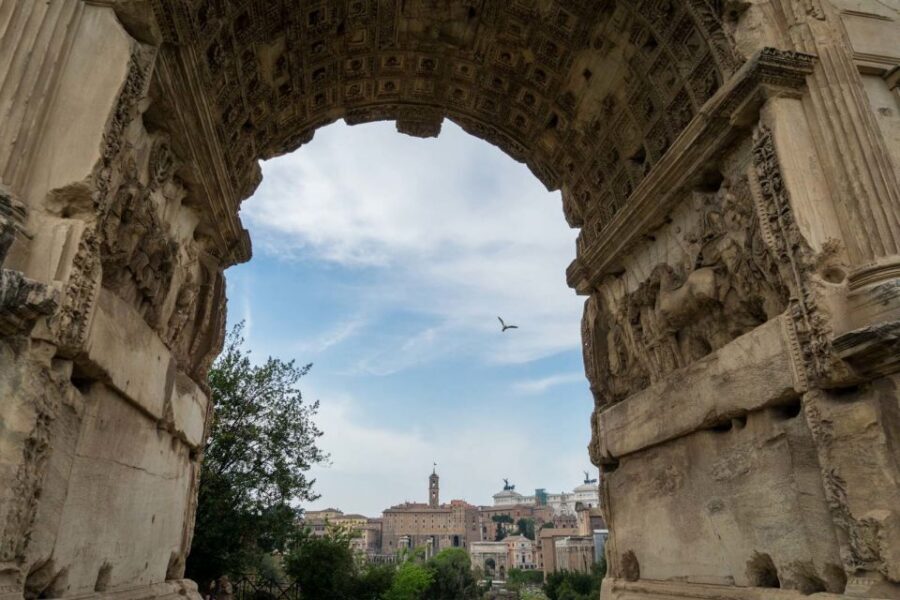
The arches are more than pretty photo backdrops. They’re political headlines in stone. Each one shouts a message about authority, victory, or legitimacy.
In this tour, you’ll work through classic stops such as:
- Arch of Constantine (with a photo stop and a short walk through the surrounding area)
- Arch of Titus (another photo stop, then you move into the next section of the Forum zone)
- Arch of Septimius Severus (visited near the later part of the route, before you turn toward Palatine Hill)
If you’ve ever wondered why Rome builds such dramatic monuments to rulers instead of just printing them in textbooks, this is your answer. The arches sit in your line of sight and teach you how power wanted to be seen.
Basilica of Maxentius and the Temple area details
Some stops are brief by design, but they still matter because they show you how the Romans organized space for public life.
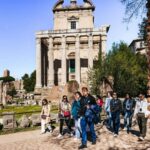
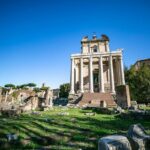
For example, you may pause at the Basilica of Maxentius, then move along toward other temple areas such as the Temple of Antoninus Pius and Faustina. These are quick moments, but they’re useful because they show how architecture supported crowds, ceremony, and governance.
You don’t need to memorize names to get value here. What you’re really building is pattern recognition: Rome repeating certain building types so society could function like a machine.
Palatine Hill: emperor views over Circus Maximus and the Forum
Palatine Hill is where the tour turns from public drama into private power. This is the high ground where elite emperors set up residence, and the climb gives you a fresh angle on everything you just saw.
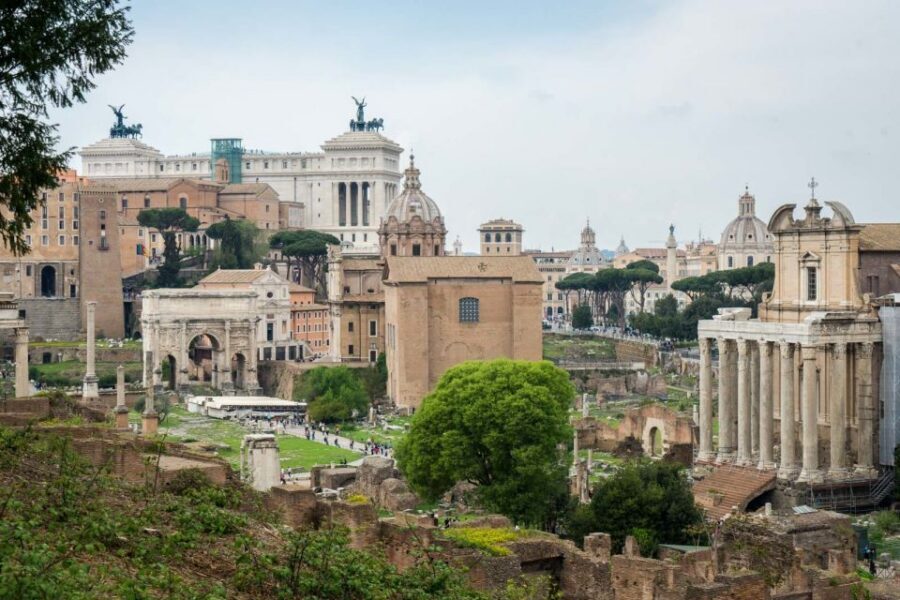
You’ll ascend Palatine Hill and get time for views on both sides: down toward the Roman Forum and across toward the Circus Maximus. That shift in perspective is important. From street level, the Forum feels like ruins. From the hill, it starts to feel like a planned city.
The tour includes guided time here, with a walk that’s long enough to let you orient yourself without turning it into a workout challenge. Still, the hill has uneven ground and stairs in places, so comfortable shoes are not optional.
Also, if you’re the type who enjoys panoramic moments, Palatine Hill is one of your best payoff zones in this whole route.
Guided tour vs self audio-guided: choose your pace
You can do this experience in two different ways, and your choice should match your travel style.
Guided option (English live guide + headset)
If you like answers on the spot, this is the easiest choice. A licensed English-speaking guide uses headsets so you don’t strain to hear when other tour groups get close.
This option is especially good if:
- You want the gladiator and construction storytelling woven together
- You’re not sure what you’re looking at on the Forum ruins
- You value photo guidance and pacing through the sites
Self audio-guided option (multilingual smartphone storytelling)
If you prefer autonomy, the self-guided option lets you explore at your leisure with a downloadable multilingual audioguide (English plus Chinese, German, French, Italian, Polish, and Spanish mentioned). It includes 44 points of interest, which is handy because it turns the area into a guided map even when you’re not following a group.
One practical note: for self-guided you still need your own mobile device and headphones (headphones aren’t included). So budget that gear in your day pack.
Price and value: why $28 can make sense in Rome
At about $28 per person, this tour can be good value if you care about time and clarity.
Here’s the breakdown logic from the info you’re given:
- The core site tickets are 18 euros for adults
- The extra cost covers the guide (if you choose the guided option), plus things like the headset system, staff support, and taxes
So you’re not just buying entry. You’re buying a way to:
- get fast-track entry instead of queuing with everyone else
- get explanations that help you connect ruins to the story
- avoid spending your Forum time guessing what matters most
When Rome prices feel high, the question I ask is simple: will this save me effort or add meaning? This setup is designed to do both, especially if you want the story without building a DIY itinerary from scratch.
Best time to go and weather reality
This tour runs in all weather. That’s common in Rome, but it matters because the admission tickets can’t be amended or canceled by the operator if you decide not to join due to rain.
So I treat it like this:
- If you can handle weather and you’re wearing real shoes, go for it.
- If you’re determined to avoid any rain risk at all, you’ll want a flexible plan or a backup mindset.
Also, July and August shorten the tour to about 2 hours because of heat, and the route can vary. If you’re visiting in mid-summer, bring water plans even though food isn’t included, and expect a faster pace with less time per stop.
What to bring, wear, and avoid
This is one of those tours where your gear affects your enjoyment more than you’d think.
Bring:
- Passport or ID card (Colosseum security checks names and IDs)
- Comfortable shoes for walking and uneven surfaces
- A charged smartphone (especially for the self audio option)
And for the self-guided version, you’ll also need your own headphones.
Not allowed:
- Pets
- Luggage or large bags
- Selfie sticks
- Backpacks
- Sunscreen (listed as not allowed)
That backpack rule is a big one. If you’re used to carrying a day pack everywhere in Europe, you’ll need a rethink for this part of Rome.
Should you book this Colosseum–Forum–Palatine tour?
Book it if you want the fastest path to feeling oriented in ancient Rome. The fast-track entry, the short but structured route, and the mix of Colosseum theater + Forum politics + Palatine views is built for people who don’t want to spend half the day staring and guessing.
Skip this specific format if you:
- hate walking in heat or on uneven paths
- want a slow, long museum-style experience
- rely on full wheelchair access (this tour is noted as not accessible for wheelchairs)
If you’re on the fence, I’d choose based on one question: do you want a guide to connect the dots? If yes, this is a strong pick.
FAQ
How long is the Rome Colosseum, Roman Forum and Palatine Hill group tour?
It runs about 2.5 to 3 hours (starting times depend on availability). In July and August, it lasts about 2 hours due to heat and the itinerary may vary.
Is fast-track entrance included?
Yes. The ticket package includes fast-track entrance for the Colosseum, Palatine Hill, and the Roman (Imperial) Forum.
What are the two ways to experience the sites?
You can choose a guided tour with a licensed English-speaking guide and headsets, or a self audio-guided tour using a multilingual storytelling app you download to your smartphone (with 44 points of interest).
What language options are available?
The guided option lists live tour languages including English and several others. The self audio guide is multilingual (English plus multiple languages listed, including Chinese, German, French, Italian, Polish, and Spanish).
What should I bring for the tour?
Bring a passport or ID card, comfortable shoes, and a charged smartphone. For self audio-guided, you’ll also need your own headphones.
What can’t I bring into the sites?
Pets are not allowed. You also can’t bring luggage or large bags, selfie sticks, or backpacks, and sunscreen is listed as not allowed.
Is the tour wheelchair accessible?
No. The tour is noted as not accessible for wheelchairs and not suitable for people with mobility impairments.