REVIEW · ROME
Rome: Colosseum, Roman Forum, and Palatine Hill
Book on GetYourGuide →Operated by My city Tours · Bookable on GetYourGuide
Some tours show ruins. This one explains the machine behind them.
You’ll get Colosseum time focused on angles, details, and how the building changed after past earthquakes, plus Palatine Hill views that make the scale of ancient Rome finally click. I especially like that the stops connect into one clear story, not three random photo breaks, and that the guide work feels genuinely animated.
One watch-out: timing and meeting-point flow can vary by day. If your schedule is tight, arrive a few minutes early at the My City Tour office so you’re not forced to start the clock late.
In This Review
- Key Things to Know Before You Go
- What You Really Get in 2.5 Hours
- Entering the Colosseum: More Than a Big Oval
- Colosseum Stories That Make the Arena Make Sense
- Roman Forum: Elections, Speeches, and Power in Public
- Palatine Hill: Where the Views Explain the Scale
- Guides Matter: Sandro, Tania, Sara, Sarah, and Alessandra
- Price and Value: Is $84 Worth It?
- Timing, Heat, and How to Survive the Walk
- Best Fit: Who This Tour Works For
- Should You Book This Colosseum, Roman Forum, and Palatine Tour?
- FAQ
- How long is the tour?
- What’s included in the price?
- Where do we meet for the tour?
- Do I need ID for entry?
- Is the tour offered in English?
- What are the restrictions during the tour?
- Can I cancel and get a refund?
Key Things to Know Before You Go
- Included access to the Colosseum, Roman Forum, and Palatine Hill keeps your time efficient
- Live English historian guide turns big monuments into specific, explainable moments
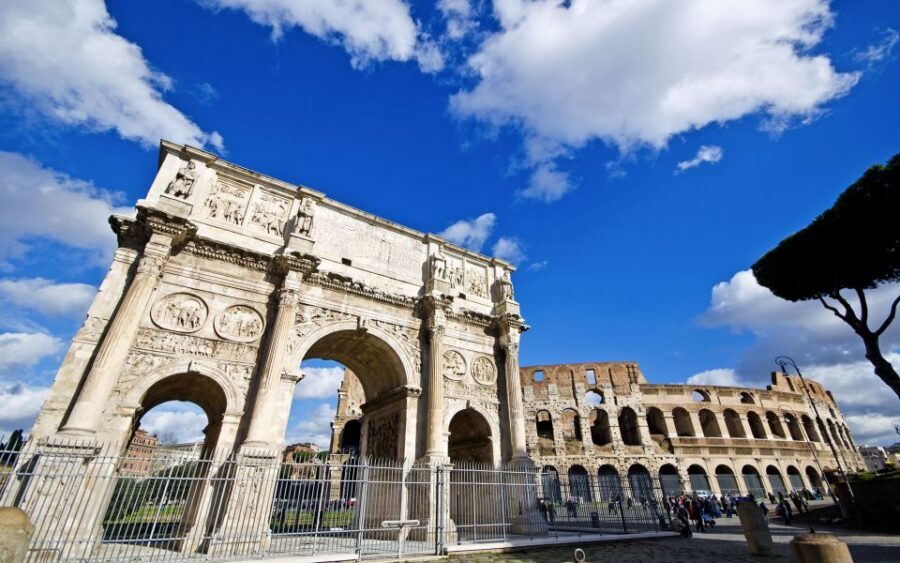
- Colosseum viewpoints from multiple angles, including visible damage from past earthquakes
- Palatine Hill top views plus the House of Augustus and frescoes you can actually see
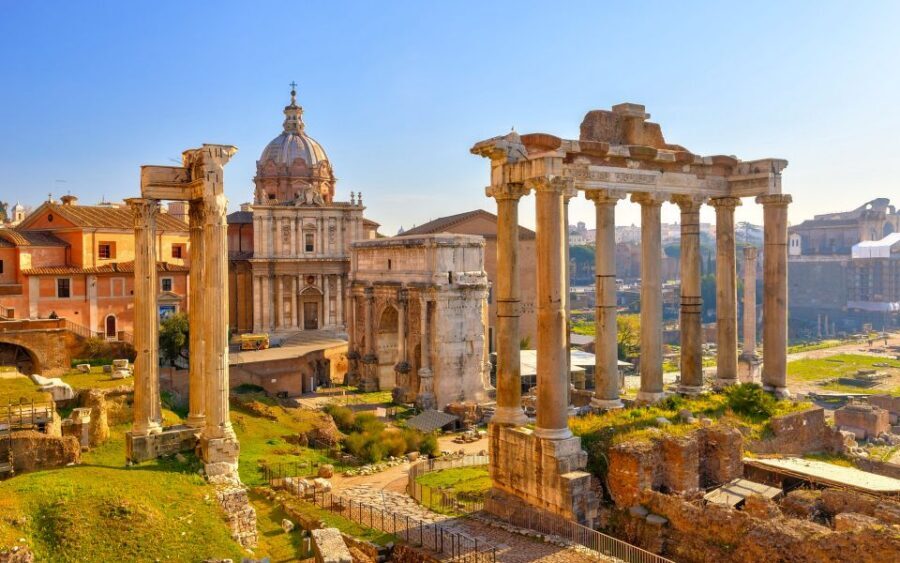
- Roman Forum highlights such as the Temple of Romulus and the spaces tied to politics and speeches
- Strong guide energy is a recurring theme, with standouts like Sandro, Tania, Sara/Sarah, and Alessandra
What You Really Get in 2.5 Hours
This is a focused hit of the three heavy-hitters: the Colosseum, the Roman Forum, and Palatine Hill. In 2.5 hours, you’re not doing a slow museum stroll—you’re moving, listening, looking closely, and letting the guide pull threads between places.
The biggest value is that the guide connects what you see to what it meant. You’ll hear stories about arenas, power, public life, and rulers—so the site stops being just impressive stone and starts feeling like lived-in Rome.
Yes, you’ll still want to eat afterward. Food and drinks aren’t included, and you’ll likely burn daylight and energy with the walking and steps.
Other Forum, Palatine & Colosseum combo tours we've reviewed
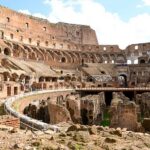
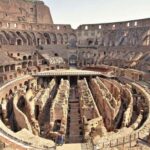
Entering the Colosseum: More Than a Big Oval
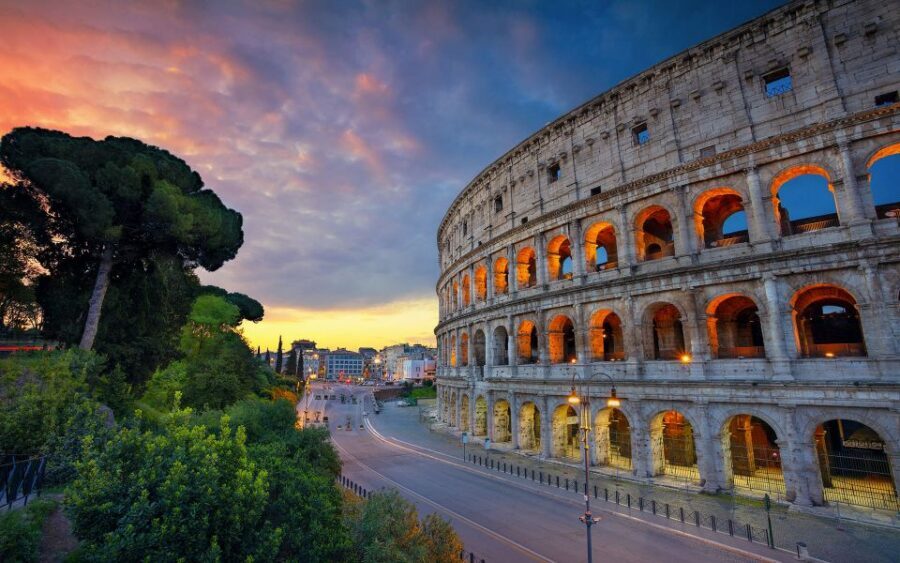
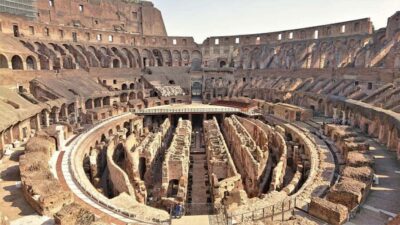
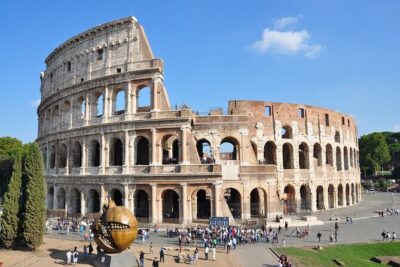
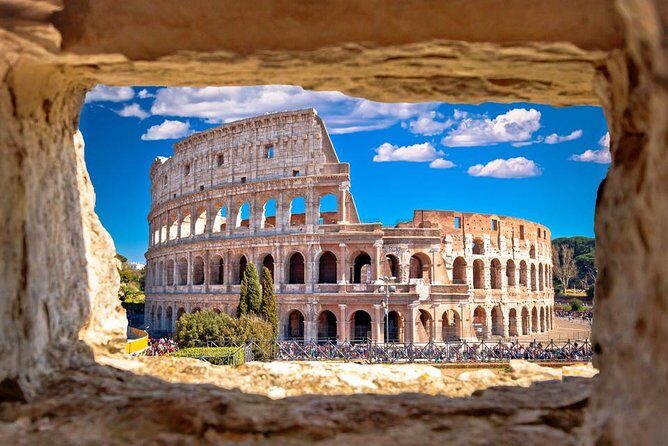
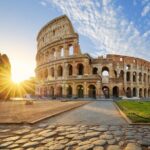
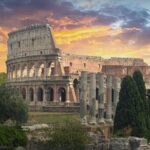
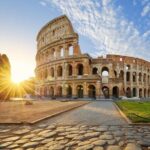
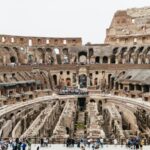
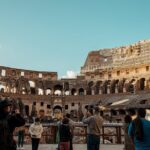
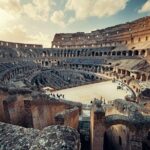
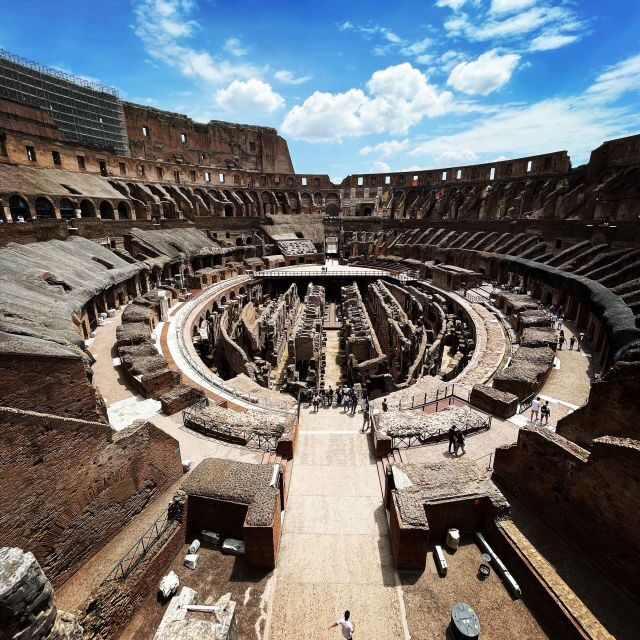
The Colosseum is famous for a reason, but on your own it’s easy to get stuck in the wow phase without understanding the layout. On this tour, you’ll look at the arena from different angles so you can pick out how the space was designed for spectacle.
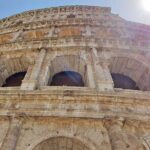
You’ll also get a guided eye for change over time. The tour includes time to notice where the structure has crumbled from past earthquakes, which helps you understand why parts look the way they do today—not just that they look “old.”
Then comes the best part: treading through the sense of how the Colosseum operated. You’re not just standing outside admiring a landmark; you’re walking in the place where ancient Romans expected drama, sound, and crowds.
If you hate slow entry lines, this tour often feels smoother than the free-for-all approach. One of the nicest practical perks is that the guided setup helps you get moving instead of lingering.
Colosseum Stories That Make the Arena Make Sense
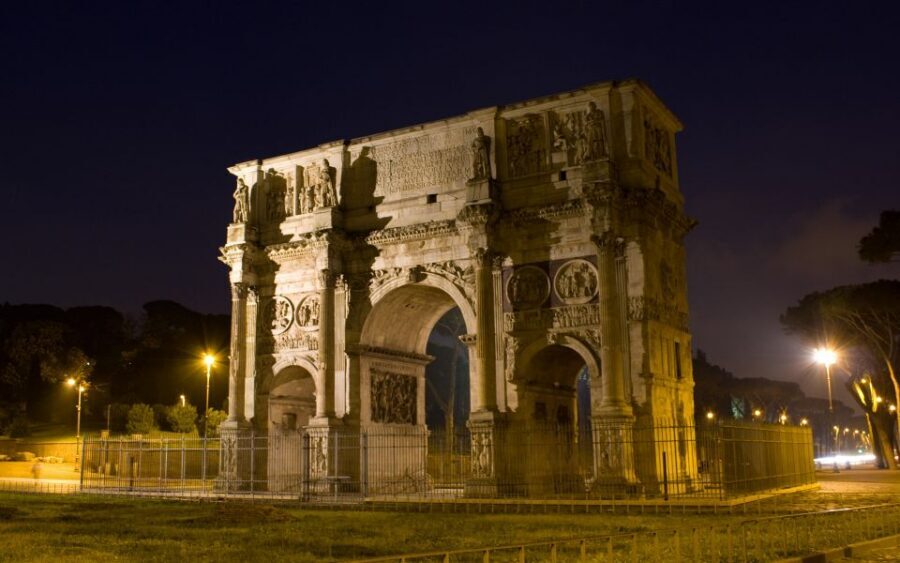
The guides put a spotlight on what the Colosseum was for and how it evolved. In particular, Sandro’s style (fun, interactive, and clearly passionate) is the kind that makes the arena feel like a timeline—gladiators, the lions in the arena, and shifting uses across different eras.
You’ll hear how the building worked under emperors, then how it was repurposed through later periods, including Middle Ages and eras when popes, Napoleon, and later decades left their mark on how the site was seen and used. That kind of progression matters because the Colosseum didn’t freeze in time after antiquity—it kept living, just with different rules.
Even if you only catch pieces, the guide’s pacing helps you build a mental map: what you’re looking at, why it matters, and how the meanings changed.
Roman Forum: Elections, Speeches, and Power in Public
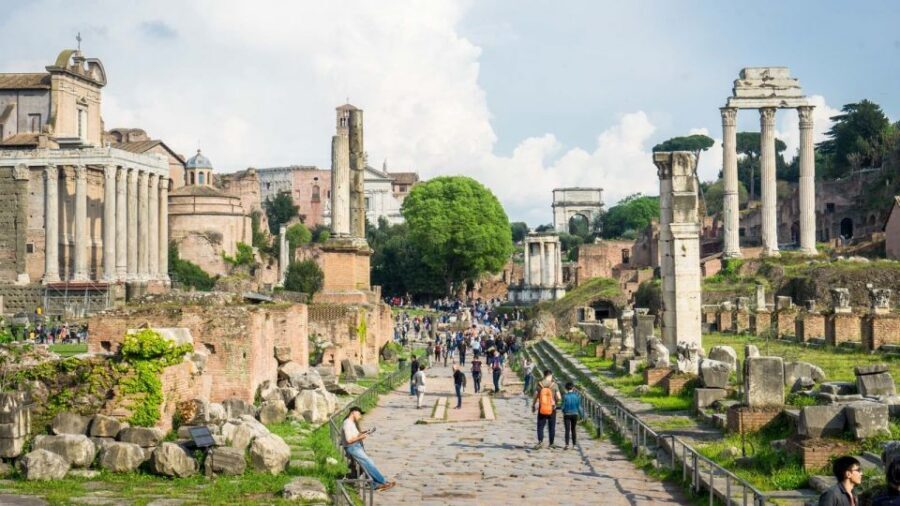
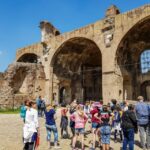
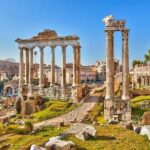
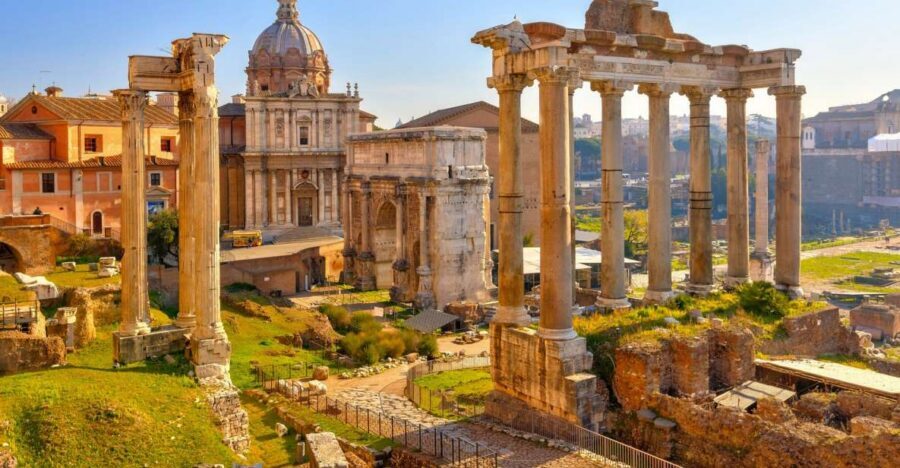
From the Colosseum you’ll shift into the Roman Forum, the heart of public life. The Forum is where Rome performed itself: triumphal processions, elections, public speeches, and the everyday theater of authority.
What I like about this stop is that it’s not treated as a generic pile of ruins. You’re shown how the Forum functioned as a stage for politics and messaging, so the empty spaces start feeling like they had jobs.
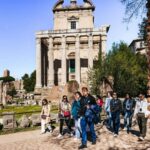
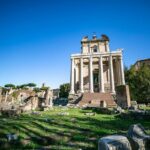
You’ll also see the Temple of Romulus within the Roman Forum area. It’s an architectural highlight inside the wider complex, and the tour’s narration helps you connect the temple to the Forum’s broader role as a place people came to see and be seen.
This is also where good guidance really pays off. Without it, the Forum can feel like, well, a lot of stones. With it, you learn to notice the role each section played.
Palatine Hill: Where the Views Explain the Scale
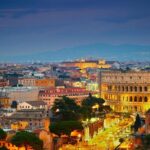
Palatine Hill is where the tour earns its keep. Walking up gives you that key shift from street-level ruins to elevated perspective, and the views are the kind that make Rome feel real, not just big.
Once you enter Palatine Hill, you’ll see the House of Augustus. That matters because you’re not only looking at public spaces and spectacles anymore—you’re shifting toward how power showed up in private spaces too.
The tour also includes time for a wide collection of frescoes. Even without being a restoration expert, you’ll get a better sense of what elite decoration and storytelling looked like in Roman rule. Frescoes are a different kind of evidence than statues or columns, and the guide’s framing helps you read them as political and cultural signals, not just wall art.
Other Roman Forum tours we've reviewed
Guides Matter: Sandro, Tania, Sara, Sarah, and Alessandra
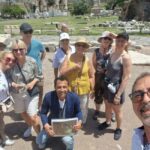
With any Rome tour, the guide can turn a good route into a memorable one. Here, the standout detail is consistent: energetic, organized storytelling that keeps you from glazing over.
Sandro is described as especially effective at bringing people back to 2000 years ago, with humor and interactive moments when needed. Tania is highlighted for knowing Roman history and adding fun facts without derailing the flow. Sara/Sarah shows up repeatedly in the feedback as a guide who keeps things engaging and has smart pacing on hot days—one key practical thing is stopping in shade when possible.
Alessandra also gets credit for being fun, informative, and interactive for families. That’s a useful signal if you want your tour to feel like a conversation rather than a lecture.
On the flip side, there’s at least one note about organization at the start—people waiting around and confusion about ticket time. That’s not something you can control, but it’s a reason to build a little buffer into your day and arrive early at the My City Tour office.
Price and Value: Is $84 Worth It?
At $84 per person for a 2.5-hour group walk, the value comes from what’s included. You’re paying for a live English guide plus access to three major sites: the Colosseum, Roman Forum, and Palatine Hill.
If you try to DIY this route, you end up juggling separate ticketing, planning, and time-wasting between sites. Here, the structure is the point. The guide’s job is to compress years of context into a manageable route while you’re physically in the locations where the story happened.
Is it a bargain? Not necessarily in the budget-tour sense. But for the amount of ground covered and the fact that entry to these specific sites is included, it’s a reasonable spend—especially if you care about understanding what you’re seeing instead of just collecting photos.
Timing, Heat, and How to Survive the Walk
This tour is short, so the pacing is usually active. You’ll walk between the three sites and climb up to Palatine Hill, which means comfortable shoes are not optional.
Rome heat can be real, especially in summer. One guide-led pattern you should appreciate is smart shade breaks when the day allows it. If you’re traveling in hot months, dress for sun exposure and bring water, since food and drinks aren’t included.
Also, you’ll want to keep your ID ready. The tour lists that you should bring a passport or ID card, including for children. It’s the kind of small detail that can become annoying at the last minute, so it’s best to prepare early.
Finally, follow the rules. Weapons or sharp objects aren’t allowed, pets aren’t allowed (assistance dogs are allowed), and sprays or aerosols are also not permitted.
Best Fit: Who This Tour Works For
This works best if you want the classic Rome highlights in one tight loop. If you’re on a short schedule and you’d rather spend time understanding than planning, this is the right kind of structure.
It’s also a strong option if you like guides who add context. The tour’s format is built around explanation—arena function, political life in the Forum, and elite life up on Palatine Hill.
If you’re the type who likes to linger and take your time reading every stone, the 2.5 hours may feel fast. But if you want a high-impact, guided orientation to three must-sees, it hits the sweet spot.
Should You Book This Colosseum, Roman Forum, and Palatine Tour?
I’d book it if you want a guided story and you value included entry to the big three sites. The best moments are the ones where the guide connects architecture to meaning—earthquake scars at the Colosseum, Forum spaces tied to public life, and the House of Augustus with frescoes on Palatine Hill.
I’d think twice if your schedule is extremely fragile and you can’t tolerate any start-time hiccups. With group tours, the first minutes matter, and one mixed experience points to the importance of showing up on time.
If you’re flexible and you’re there to learn while you walk, this tour is a smart way to get Rome’s center of gravity into your head quickly—then go explore the rest of the city with better bearings.
FAQ
How long is the tour?
The tour duration is 2.5 hours.
What’s included in the price?
You get a tour guide plus access to the Colosseum, Palatine Hill, and the Roman Forum. Food and drinks are not included.
Where do we meet for the tour?
Meet at the My City Tour office to start the tour.
Do I need ID for entry?
Yes. You should bring a passport or ID card. The same applies for children.
Is the tour offered in English?
Yes. The live tour guide language is English.
What are the restrictions during the tour?
Weapons or sharp objects aren’t allowed. Pets are not allowed (assistance dogs are allowed). Sprays or aerosols are also not allowed.
Can I cancel and get a refund?
You can cancel up to 24 hours in advance for a 50% refund.