REVIEW · ROME
Small Group Colosseum, Roman Forum and Palatine Hill Guided Tour
Book on Viator →Operated by City Walkers Tours · Bookable on Viator
Rome’s ancient center in 2.5 hours. This small-group guided route gets you into the Colosseum with guaranteed entry and then straight to the Roman Forum and Palatine Hill—without the big-bus chaos. I like that the group stays capped at 15, so your guide can actually keep everyone together while still taking time to explain what you’re looking at.
The main drawback is sound. A few groups have reported that the guide can be hard to hear and that the headset quality can vary in the busiest parts of the site, so you’ll want to position yourself for the best audio.
In This Review
- Key things to know before you go
- Small Group Size and Guaranteed Colosseum Entry
- Entering the Colosseum: Flavian Amphitheater, Not Just a Photo Stop
- Roman Forum: How Government Ruins Became Daily Life
- Palatine Hill: Where Emperors Lived (and You Can See It)
- Headsets, Hearing, and How to Get the Best Audio
- Walking, Stairs, and Heat: The Real Logistics of Ancient Rome
- Price and Value: Does $85.92 Make Sense?
- Who This Tour Fits Best
- Should You Book This Colosseum, Roman Forum, and Palatine Hill Tour?
- FAQ
- Is Colosseum admission included in this tour?
- Do I get guaranteed entry to the Colosseum?
- What areas are not included at the Colosseum?
- How big is the group?
- What do I need to bring for entry?
- Is the tour refundable if I cancel?
Key things to know before you go
- Guaranteed Colosseum entry with admission included, so you’re not stuck guessing at ticket lines
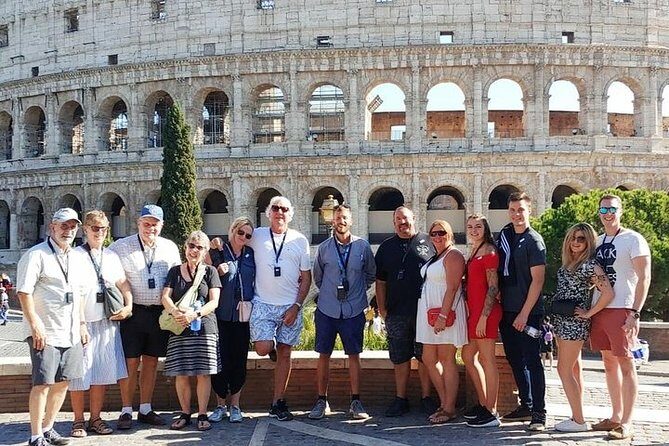
- Small group (15 max) for tighter pacing and easier questions
- Colosseum headset to help you hear the guide clearly
- You’ll cover three anchor sites: Colosseum, Roman Forum, Palatine Hill
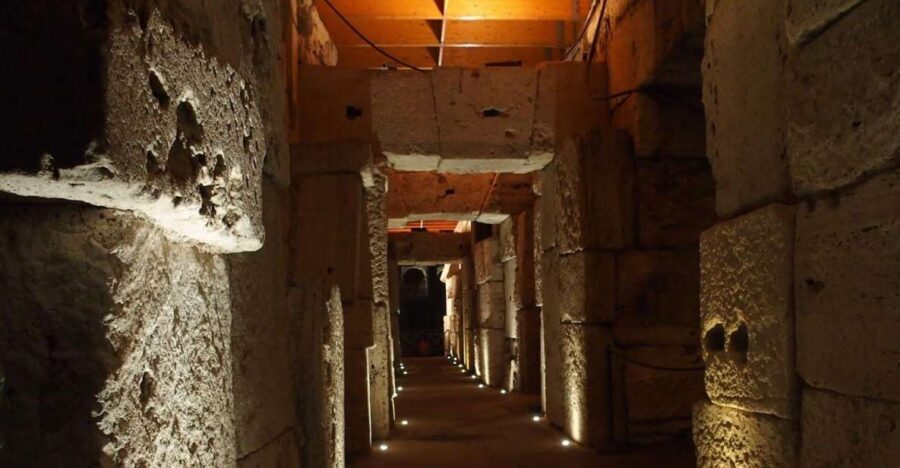
- Arena floor and underground tunnels aren’t included, so set expectations ahead of time
Small Group Size and Guaranteed Colosseum Entry
This tour is designed around one very Rome problem: too many people, not enough time, and long lines for tickets. With this experience, Colosseum admission is included, and entry is guaranteed. That matters because the Colosseum isn’t a place you want to treat like a slow wander. You want to get inside, get oriented, and then let a guide turn the stones into a story.
The group limit—max 15 people—changes the whole feel. In a big group, you lose your spot and your attention. In a smaller one, you can actually follow along when the guide points out specific building details, sightlines, and how the sites connect. Several guides are cited for good pacing and for keeping groups safe, which is important here because you’re walking on uneven ground and climbing stairs.
Do note: even with a small group, the Colosseum itself can be crowded. That’s not a tour failure; it’s just the reality of one of the world’s biggest attractions. Your win is that you avoid the worst of the ticket-line waiting.
Other Forum, Palatine & Colosseum combo tours we've reviewed
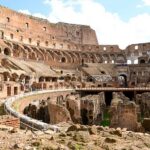
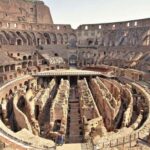
Entering the Colosseum: Flavian Amphitheater, Not Just a Photo Stop

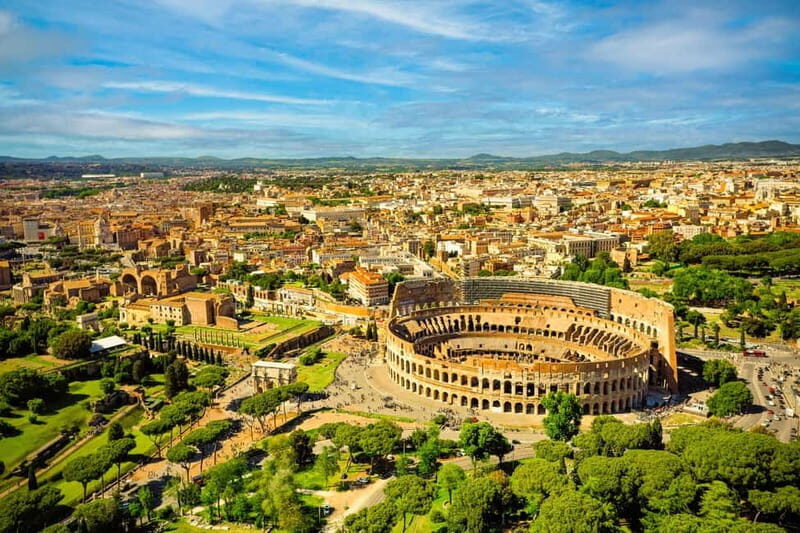
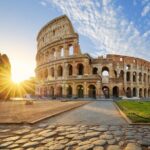
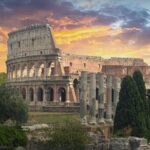
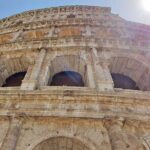
You start at the Colosseum, also called the Flavian Amphitheater. Construction began under Emperor Vespasian in 72 AD and was completed in 80 AD by his successor Titus. The materials are part of what you’ll hear about—travertine, tuff, and brick-faced concrete—because the building is more than a shell. It’s a masterpiece of ancient engineering and Roman power.
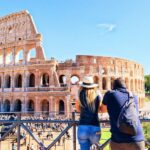
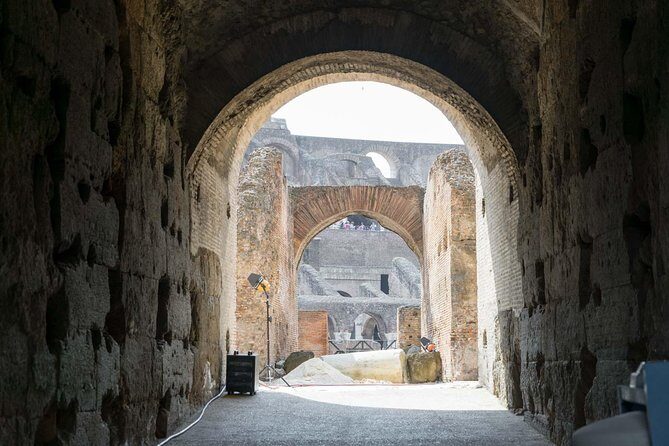
Your Colosseum visit is about 50 minutes. You’ll see it as a whole structure from key viewpoints, and the guide will help you read the architecture in plain terms: where you are in relation to the Forum, how crowds moved through the complex in ancient times, and why this building dominated Rome’s public life.
Two expectation-setting notes:
- You’ll get Colosseum entry included, but arena floor and underground areas are not included.
- If you’re hoping for the underground tunnels or arena-floor access, you’ll need a different type of ticket/experience.
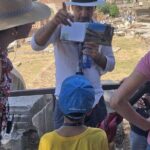
The tour also includes a headset at the Colosseum. That’s a big deal at this site, where sound bounces around and people talk over each other. Still, because some past groups have mentioned hearing issues, try to stay close to the guide when the explanation matters most.
Roman Forum: How Government Ruins Became Daily Life
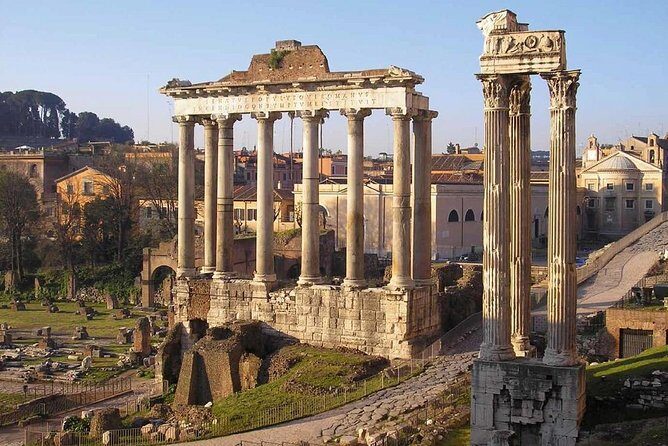
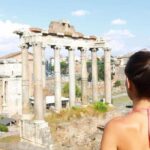
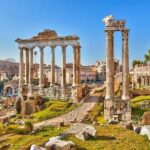
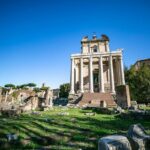
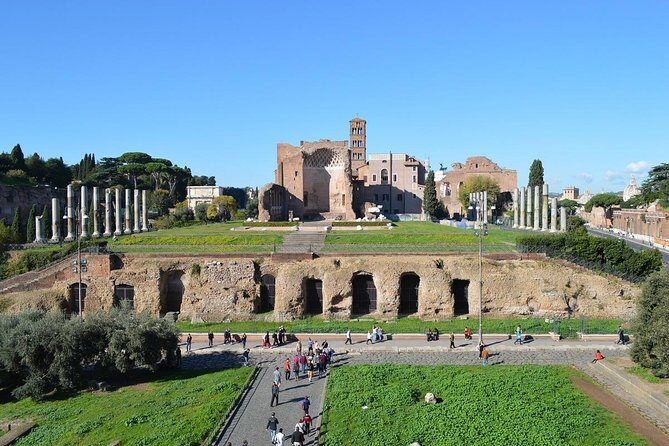
Next comes the Roman Forum, the famous cluster of ruins at the heart of ancient Rome. This was originally a marketplace, and people in the ancient city called it the Forum Magnum. Today, it’s a plaza ringed by the remnants of government buildings, so it’s not just scenery—it’s where civic power played out.
This stop also runs about 50 minutes. What makes the Forum work with a guided format is that the ruins can look similar if you’re on your own. With a guide, you can connect the dots: which structures relate to public decision-making, why certain areas mattered, and how the Forum functioned as a stage for Roman politics and daily life.
A small-group format helps here because you’re constantly shifting attention—one minute you’re looking at a foundation, the next you’re spotting a detail from a different angle. In big tours, this gets rushed. Here, the pacing is meant to keep you oriented rather than just marching you through.
The trade-off: the Forum can still feel busy depending on your time slot. So if you’re someone who hates jostling, aim for a calmer time of day. The guide can’t change the crowd level, but a good guide can steer you toward smoother viewing spots and keep the group from bunching up.
Palatine Hill: Where Emperors Lived (and You Can See It)
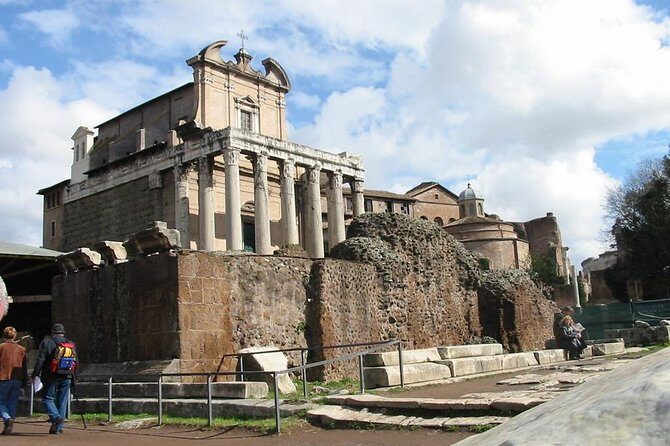
Palatine Hill is the third stop, and it’s one of the best reasons to pick a guided route instead of doing everything yourself. Palatine is the only hill from Rome’s Seven Hills that sits in the city center. It’s also considered the most ancient area of Rome, standing about 40 meters above the Roman Forum. That height matters because it gives you a “top-down” sense of Rome—especially toward the Circus Maximus.
You’ll spend about 50 minutes here. The big theme you’ll hear is elite residence: the guide will connect Palatine to the Augustus imperial palaces and explain why this location became a political symbol as well as a home base for power.
What I like about Palatine Hill is that it’s easier to understand with a bit of storytelling. From certain points, you can imagine daily movement between different Roman spaces: the Forum below, the grand public venues nearby, and the imperial life perched above. Even when you’re standing in ruins, the guide’s explanation helps you see how Romans would have experienced this ground.
Also, Palatine Hill is often where you get those “how did they even build this?” moments. If you’re the type who enjoys architecture and urban planning (even casually), you’ll likely have a good time here.
Headsets, Hearing, and How to Get the Best Audio
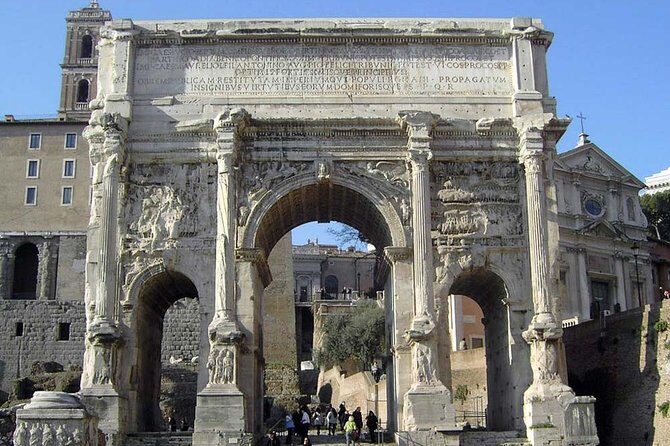
The headset inclusion is one of the standout practical touches in this tour. It’s meant to help you hear explanations inside the Colosseum where ambient noise can be intense.
That said, some groups have flagged that the guide was hard to hear and that audio clarity wasn’t always great. You can’t control equipment, but you can control positioning. When the guide starts a key explanation, try to move closer rather than staying at the edge of the group. If there’s a moment when everyone spreads out for photos, regroup quickly before the guide continues talking.
A second hearing-related factor: speaking pace. Some guides are praised for taking time and others have been described as fast. A headset helps, but fast talking in a crowded space can still be tough. If you’re sensitive to audio, aim to be near the front of the group whenever possible.
Other Roman Forum tours we've reviewed

Walking, Stairs, and Heat: The Real Logistics of Ancient Rome
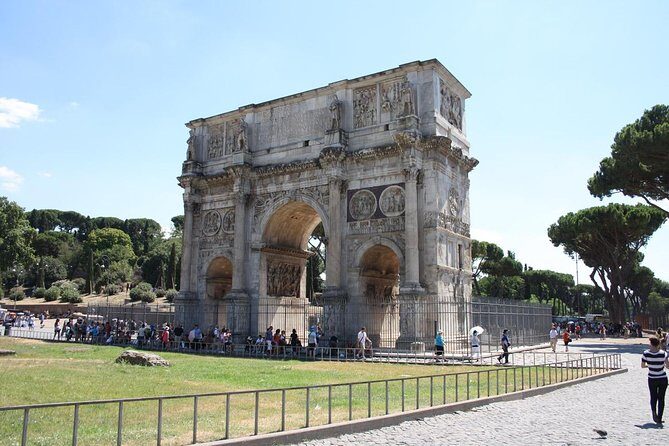
This tour is not a sit-down museum loop. You’ll be walking across historic, uneven ground and dealing with stairs. The reviews repeatedly call out comfortable shoes as a must. I agree. The surfaces can be rough, and you’ll want tread that keeps you steady.
Time of year matters too. The Colosseum and Forum are exposed, and the experience can feel hot, especially in peak summer. Bring water, plan for sun, and wear something breathable. One guide-led group specifically noted efforts to find shade spots, which is smart because you’ll appreciate any break when the sun is relentless.
If you’re using public transportation, the meeting point is near transit. You’ll still need a short walk and some maneuvering around streets. A practical tip: when you’re close to the area, look for shaded spaces to wait rather than crowding in direct sun.
Price and Value: Does $85.92 Make Sense?
At $85.92 per person, the big question is what you’re paying for. Part of the price covers admission: the ticket is listed as €18 for adults (kids under 18 are listed at €0). The remaining cost covers guide service, coordination, and the headset.
So the value isn’t just that you get tickets. It’s that you get:
- guaranteed entry to the Colosseum
- a guided explanation at all three sites
- a small group (max 15), which reduces wasted time and confusion
If you try to do this on your own, you risk spending a chunk of your day either waiting in line or piecing together the sites without a clear plan. The guide helps you stay on track, and you’re more likely to understand what you’re seeing. For many people, that’s worth the added cost.
On the other hand, if you already know you only want one site in detail and you hate guided groups, you might prefer a self-paced approach. Also, because arena-floor and underground areas are not included, this is not the best fit if your top goal is those special access experiences.
Who This Tour Fits Best
This is a strong match if you want three headline sites—Colosseum, Roman Forum, Palatine Hill—in one efficient outing with real guidance and minimal friction.
You’ll probably enjoy it most if you:
- like structured sightseeing and don’t want to wrestle with directions and ticket timing
- appreciate small groups for better attention and fewer issues losing the group
- want a guide to connect the dots between ruins
It may be less ideal if:
- you specifically want the arena floor or underground tunnels (you won’t get those here)
- you’re extremely picky about audio quality and hate any chance of the headset not working as perfectly as you’d like
On the guide side, the experience seems to vary by person. Some names that have been praised include Roberta, Gianluca, Lorenzo, Mauricio, John Luca, and Tiziana Fiori. That’s a good sign—most groups report strong, entertaining explanations.
Should You Book This Colosseum, Roman Forum, and Palatine Hill Tour?
If you want an efficient, small-group way to see Rome’s ancient power center, I’d book it. The standout value is the combination of guaranteed Colosseum entry plus admission included, with a guide who helps you actually understand the ruins rather than just pass them.
Just go in with three clear expectations: this is a walking-and-stairs tour, the Colosseum can still be crowded, and arena-floor/underground access is not part of this ticket. If that fits your priorities, you’ll come away with a much clearer mental map of ancient Rome—and a smoother day than trying to wing it.
FAQ
Is Colosseum admission included in this tour?
Yes. Colosseum, Roman Forum, and Palatine Hill admission fees are included in the experience price, with the adult ticket listed as €18 and children under 18 listed as €0.
Do I get guaranteed entry to the Colosseum?
Yes. This guided experience includes guaranteed entry to the Colosseum.
What areas are not included at the Colosseum?
The arena floor and underground Colosseum areas (including the tunnels beneath the Colosseum) are not included.
How big is the group?
The tour has a maximum of 15 travelers.
What do I need to bring for entry?
You must present a valid passport or ID document that matches the full name provided at booking. You also need to ensure your voucher includes the full names of all travelers.
Is the tour refundable if I cancel?
No. The experience is non-refundable and cannot be changed for any reason.