REVIEW · ROME
Walking Tour of the Colosseum, Roman Forum and Palatine Hill
Book on Viator →Operated by Rome in tours · Bookable on Viator
Rome’s ruins feel personal with the right guide. This is a focused walk that ties together the Colosseum’s underground levels with the political center of the empire in the Roman Forum, then tops it off with Palatine Hill’s big-sky viewpoints. You’ll get a professional guide—often an archaeologist—who explains what you’re seeing in plain language, with the kind of detail that makes the stones stop being just stones.
I also like the practical setup for site entry: your Colosseum ticket and reservation fee are built into the price, and headsets help keep group noise under control when there are more people. One possible drawback: the total time is about 3 hours, so the Roman Forum—huge and spread out—gets a smart highlight run rather than every last corner.
In This Review
- Key things I’d circle before you go
- Why This Colosseum–Forum–Palatine Hill Walk Works
- Colosseum Entry: Underground Levels and the Best Photo Stops
- A practical note on lines
- Palatine Hill: Imperial Palaces, the Romulus and Remus Story, and Big Views
- Roman Forum: Caesar, Mark Antony, and the Layout of Power
- Why this stop feels worth it
- Guide Style: What an Archaeologist Brings to the Walk
- Price and Value: Is $240.15 Reasonable?
- Meeting Point, Timing, and ID Checks (Do This, Not That)
- Expect all-weather operation
- Comfort on Uneven Ground: How the Walk Feels in Real Life
- Who This Tour Fits Best
- Should You Book This Colosseum, Forum, and Palatine Hill Tour?
- Final call
- FAQ
- How long is the Walking Tour of the Colosseum, Roman Forum and Palatine Hill?
- Is the tour offered in English?
- What does the price include?
- Are Colosseum tickets included?
- What is the meeting point and where does the tour end?
- Do I need ID to enter?
- Is this tour a mobile ticket?
- What happens on the first Sunday of the month when access is free?
- What is the cancellation and refund policy?
Key things I’d circle before you go
- Reserved Colosseum entry built in (ticket plus reservation fee included)
- Underground look at the Colosseum plus ground-level stops and tier-dividing corridor views
- Palatine Hill panoramas over the Forum and Circus Maximus
- Professional archaeologist-style guidance with story-driven context (Ferdinando, Chiara, Francisco are names you may encounter)
- Small-group feel with headsets for groups of 6+
- First Sunday timing note: meet at 8am on free-access days and expect a queue for tickets
Why This Colosseum–Forum–Palatine Hill Walk Works
This is one of the best ways to get your bearings fast in ancient Rome. You start at the spectacle end of the story, move to the power center, then finish on the hill where emperors claimed the view. In about 3 hours, you connect three separate areas into one mental map.
The tour is also paced like it respects your attention span. You’re not just shuffled from one signboard to the next. The guide points out where you should look—especially for Forum layout and Colosseum vantage points—so your photos come out better and your understanding comes out faster.
If you’re the type who enjoys questions, this tour tends to reward that. The guides described here bring specific expertise and examples from real archaeology work, so you get answers that go beyond facts on a plaque.
Other Forum, Palatine & Colosseum combo tours we've reviewed
Colosseum Entry: Underground Levels and the Best Photo Stops
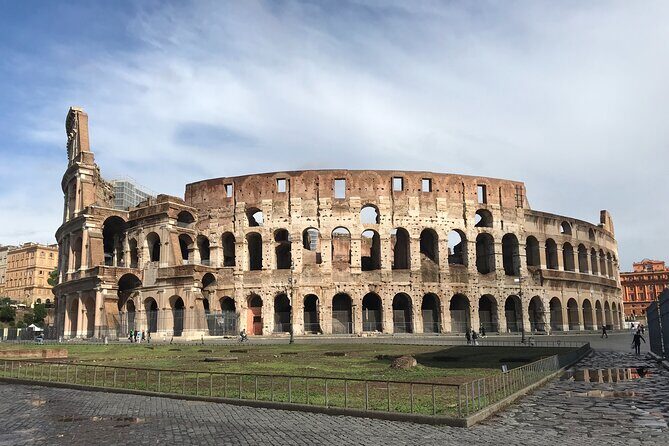
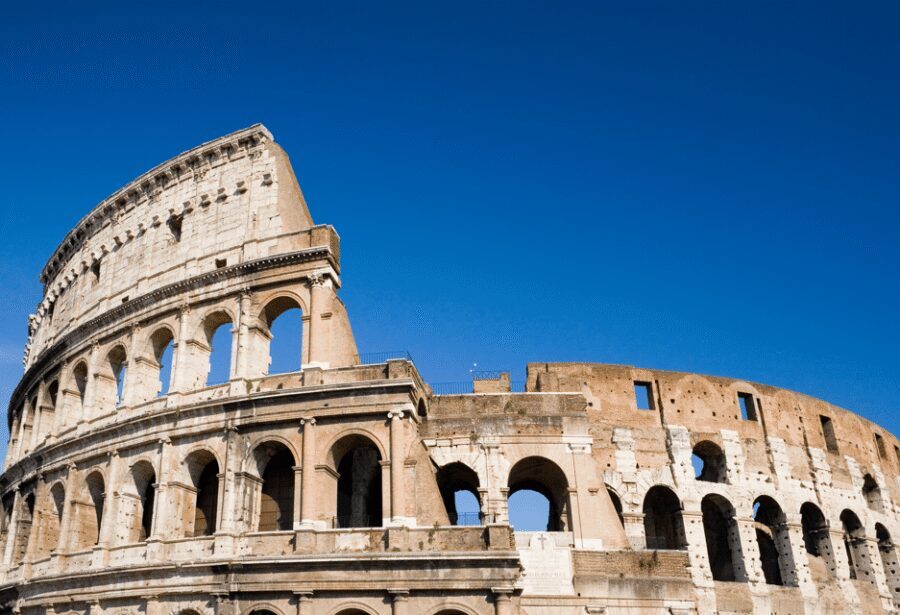
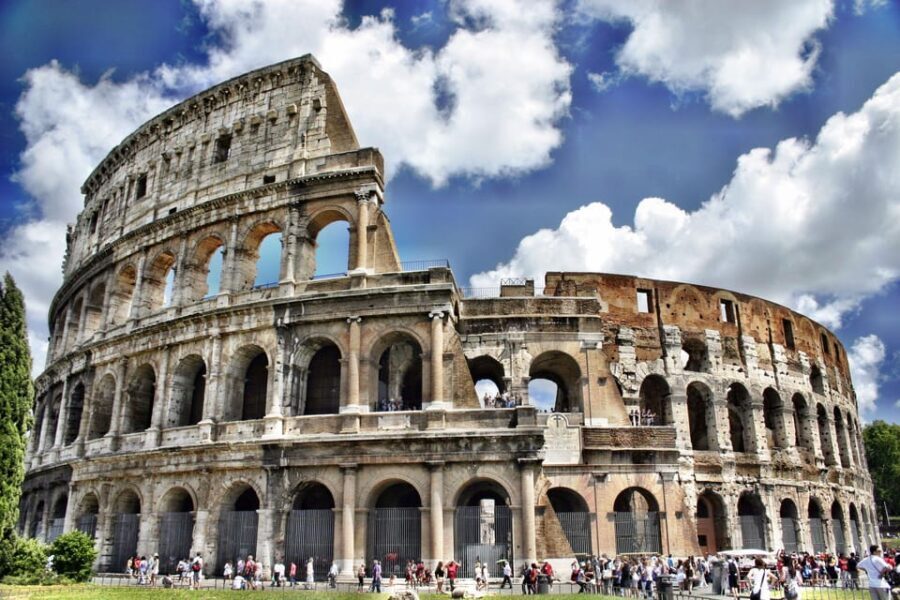
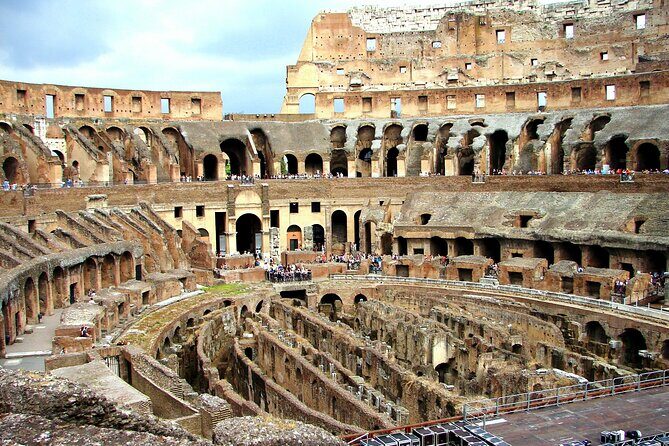
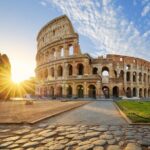
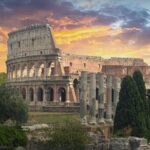
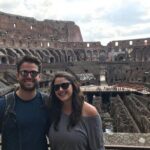
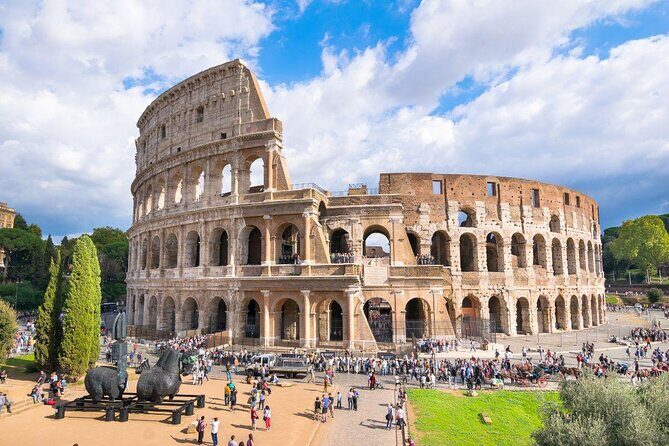
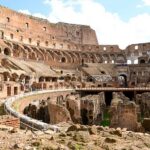
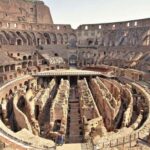
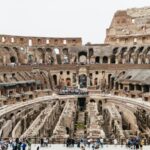
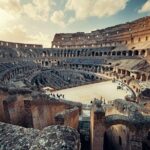
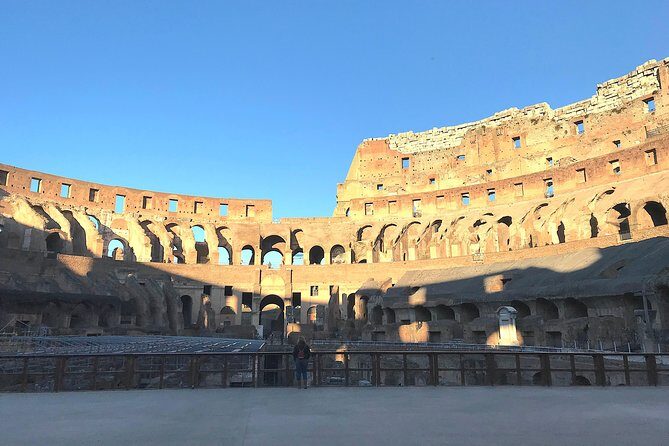
The Colosseum portion is about 1 hour 30 minutes, and it’s the part that sets the tone. You don’t just admire the exterior and call it a day. You get a look at the Colosseum underground levels, which is where the arena’s machinery and tension lived before the crowd ever roared.
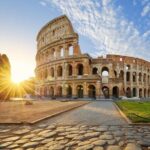
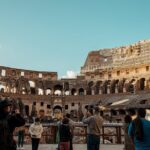
Then you move up to the ground level and walk through key viewpoints the way the structure was meant to be read. One highlight stop is the corridor dividing the second by third tier—a small detail, but it helps you understand how space was organized for different audiences. You also get several short pauses for panoramic views of the Colosseum and the surroundings. Those breaks matter because the Colosseum is huge, and without a guide, it’s easy to miss the shape of the place.
A practical note on lines
On most days, the reservation element helps keep things moving. But the tour includes an important warning for special days: on the first Sunday of the month, entry is free, and the operator cannot pre-buy a Colosseum slot. You’ll meet at 8am to reduce crowds, and you should plan for a waiting time before entry—handled with the guide so you’re not just standing around.
Palatine Hill: Imperial Palaces, the Romulus and Remus Story, and Big Views
Palatine Hill is shorter—about 45 minutes—but it hits fast. This is where the story turns from public spectacle to private power. You’ll see areas tied to the emperors’ palaces, and you’ll hear the legendary origin thread: the spot associated with Romulus and Remus being abandoned and raised by the she-wolf.
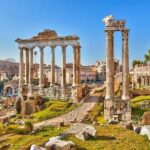
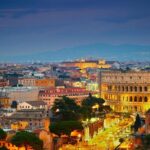
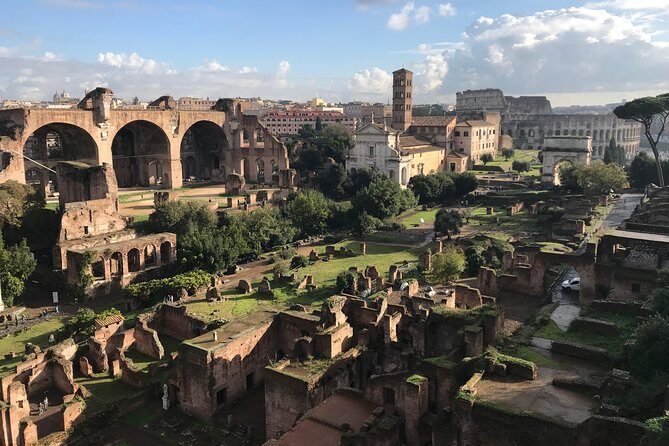
The best part for many people is the way the hill frames the city. As you walk, you get stunning views over the Roman Forum and Circus Maximus. It’s the kind of panorama that makes the whole complex feel like one living system: palace life above, government life below, and the grand entertainments spreading out in every direction.
Palatine Hill can feel a little steep and uneven depending on where you stand. The tour is structured to keep stops meaningful, not random, so the walking time actually pays off.
Roman Forum: Caesar, Mark Antony, and the Layout of Power
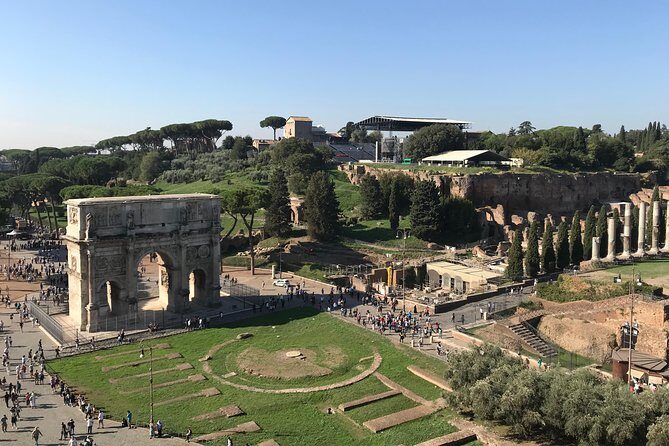
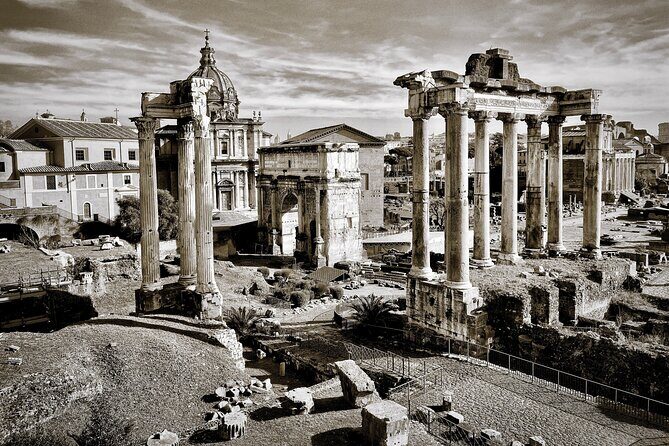
Roman Forum time is also about 45 minutes. That sounds brief until you realize how much ground the Forum covers. The tour does not try to list everything. It gives you the main map points, and the guide connects them into a story about political, social, and religious life in ancient Rome.
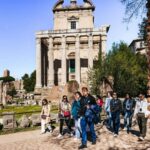
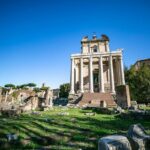
You’ll walk through the spaces most associated with major moments, including the area tied to the cremation of Julius Caesar and the podium where Mark Antony delivered his funeral speech. Those two stops work as anchors. Once you understand where those events fit, it’s easier to make sense of why certain temples and halls mattered.
From there, you’ll move along the key structures that define the Forum’s rhythm. Expect highlights like:
- Via Sacra, the ceremonial street people would have known by name
- Temple of Antonino and Faustina and Temple of Julius Caesar
- Altar of Julius Caesar and the place of his cremation
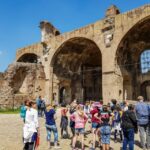
- Basilica Iulia and Basilica Emilia (public meeting spaces)
- Curia Iulia, tied to governance
- Arch of Septimius Severus and Tabularium (the state archive area)
- Temples including Concordia, Vespasian, Castor and Pollux, and the Vestal Virgins
Other Roman Forum tours we've reviewed
Why this stop feels worth it
The Forum is easy to treat like a pile of ruins if you don’t know what you’re looking for. Here, the guide keeps pointing out the function behind the buildings: where people gathered, where officials acted, where ceremony happened. That functional view is what turns a scenic walk into real comprehension.
Guide Style: What an Archaeologist Brings to the Walk
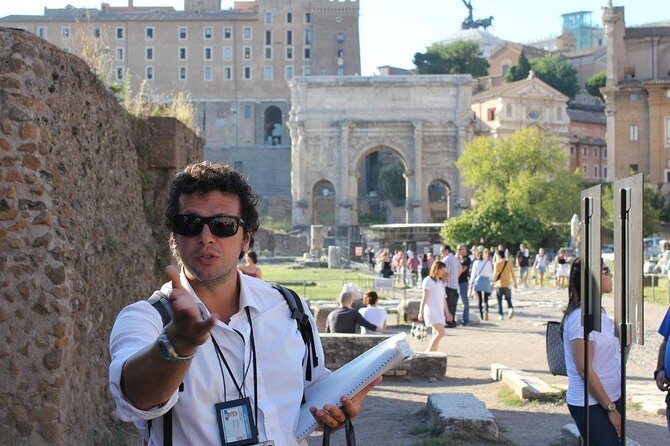
This tour is built around more than narration. You’re traveling with a local guide plus a professional archaeologist, historian, or art historian style guide. In the examples shared, the standout theme is how much the guide can explain in a way that’s easy to follow.
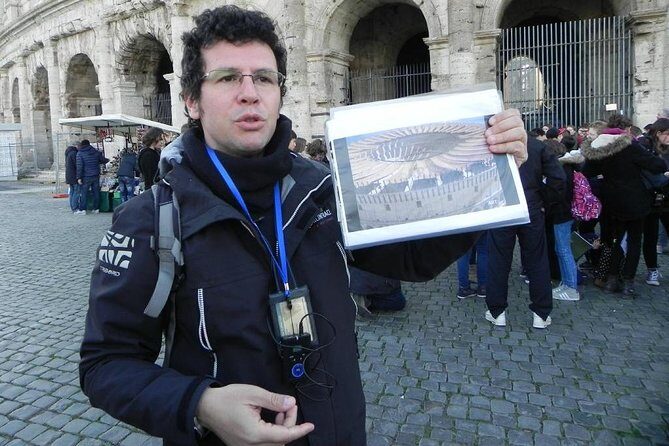
Names that have shown up for this experience include Ferdinando, Chiara, and Francisco. They’re described as highly engaged, with excellent English and a serious background in archaeology. A big part of the appeal is that the explanations are not just delivered. They’re illustrated—often with reconstructed impressions and sketches—so you can picture what buildings looked like before time stripped them down.
You’ll also notice a “teaching” pace. When a group needs breaks, guides here use the shade and manage the tempo so you can keep up without feeling rushed. And if you like asking questions, this tour tends to invite that rather than shutting it down.
Price and Value: Is $240.15 Reasonable?
The price is $240.15 per person for about 3 hours. It’s not a cheap tour, but it’s also not paying for fluff. Here’s why it can still be good value:
- The Colosseum entrance ticket is included (listed as valued at €18 per person).
- The Colosseum reservation fee is included (listed as valued at €2 per person).
- The rest of what you pay covers guiding, expertise, and coordination services that matter at busy sites.
- You also get headsets for groups of 6 people or more, which is a small thing that prevents a big headache at crowded stops.
If you’re visiting during peak season, time is money. A guided route with reserved entry and expert direction often helps you use your limited hours in Rome more effectively than trying to wing it through security lines and ticket confusion.
Meeting Point, Timing, and ID Checks (Do This, Not That)
This tour starts at Via di San Gregorio, Via di S. Gregorio, 00186 Roma and ends at Largo Corrado Ricci, 42, 00184 Roma, very close to the church of Saint Peter in Chains. You’ll also be near the Metro Cavour B line, about one stop from Termini.
Two things can ruin your day fast if you ignore them:
- You must provide your full name exactly as booked. For the Colosseum and Roman Forum, you need a document matching the name on the reservation.
- You’ll need valid ID at entry. The guidance also notes that failure to present valid ID can lead to denied entry.
If you’re traveling with teens, the rules matter. The tour data specifically calls out ID requirements for participants under 18.
Expect all-weather operation
The tour says it runs in all weather conditions. Dress properly. If you’re going in hot months, wear footwear that can handle stone steps and plan for breaks, since you’ll be outside for a good chunk of the time.
Comfort on Uneven Ground: How the Walk Feels in Real Life
This is a walking tour of major ancient sites. That means uneven stone underfoot and lots of standing for viewpoints. The good news is that the tour is built around multiple short stops rather than one long grind.
Bring what you’d normally bring for Rome in daylight:
- Comfortable shoes for uneven surfaces
- Water
- Sun protection if the day is bright
The guide approach described here includes pacing and time for photos, and there’s mention of using shade during hot weather. That kind of planning helps a lot when you’re moving between the Colosseum, the Palatine viewpoints, and the Forum’s open spaces.
Who This Tour Fits Best
This tour is especially smart if you want:
- A fast, organized hit of Rome’s three biggest ancient stops
- A guide who can explain what you’re seeing, not just where it is
- Better photos through viewpoint planning
- More meaning around major moments like Caesar and Mark Antony
It also tends to work well for mixed-age groups because the pace can be adjusted, and the guide focus stays on clarity. If you’re the type who enjoys legends plus archaeology—Romulus and Remus alongside the Forum’s political layout—you’ll like the combination.
If you’re the kind of person who wants hours and hours in one site only, you might feel time limits. This is a highlight-heavy route, not a slow museum day.
Should You Book This Colosseum, Forum, and Palatine Hill Tour?
If you want your first Rome ancient day to feel structured and meaningful, I’d lean toward booking. The reserved entry piece, the professional guide expertise, and the way the route connects spectacle to power make it a strong value for a limited-time itinerary.
You should think twice if your priority is maximum time in one location or total freedom to wander slowly. The Forum alone covers a lot of ground, and this tour uses a highlight approach. Also, if you’re coming on the first Sunday of the month, plan for a queue before entry even though the day is free—meeting at 8am is the key.
Final call
Book it if you want the best ROI for your time in Rome’s ancient core. Skip it only if you prefer an unstructured, slower day with no guide steering your stops.
FAQ
How long is the Walking Tour of the Colosseum, Roman Forum and Palatine Hill?
The tour lasts about 3 hours.
Is the tour offered in English?
Yes, it is offered in English.
What does the price include?
The tour includes a local guide, a professional archaeologist/historian/art historian style guide, headsets for groups of 6 or more, and the Colosseum entrance ticket plus the Colosseum reservation fee.
Are Colosseum tickets included?
Yes. The Colosseum entrance ticket and reservation fee are included in the experience.
What is the meeting point and where does the tour end?
The tour starts at Via di San Gregorio (00186 Roma) and ends at Largo Corrado Ricci, 42 (00184 Roma), close to the church of Saint Peter in Chains and near the Metro Cavour B line.
Do I need ID to enter?
Yes. You must present a valid passport or ID document that matches the name provided at booking for entry to the Colosseum and Roman Forum. Participants under 18 also require valid ID at the Colosseum entrance.
Is this tour a mobile ticket?
Yes, it includes a mobile ticket.
What happens on the first Sunday of the month when access is free?
On the first Sunday of the month, access to the monuments is free, and the operator cannot pre-buy an entrance slot. You will meet at 8am to get tickets and line up with the guide, and there will be waiting time.
What is the cancellation and refund policy?
This experience is non-refundable and cannot be changed for any reason. If you cancel or request an amendment, the amount paid will not be refunded.