REVIEW · ROME
Ancient Rome Guided Walking Tour: Colosseum, Forum and Palatine
Book on Viator →Operated by Gray Line I Love Rome by Carrani Tours · Bookable on Viator
Rome is loud. This tour helps you hear the important stuff.
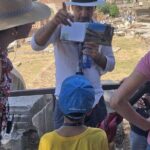
I like that you get wireless headsets, so the guide’s story stays clear even when the Colosseum crowd gets thick. I also like that your Colosseum entry is pre-booked (ticket plus reservation fee are included), so you spend more time looking and less time queuing. One thing to keep in mind: this is real walking on uneven archaeological surfaces, and the route is not a sit-down tour.
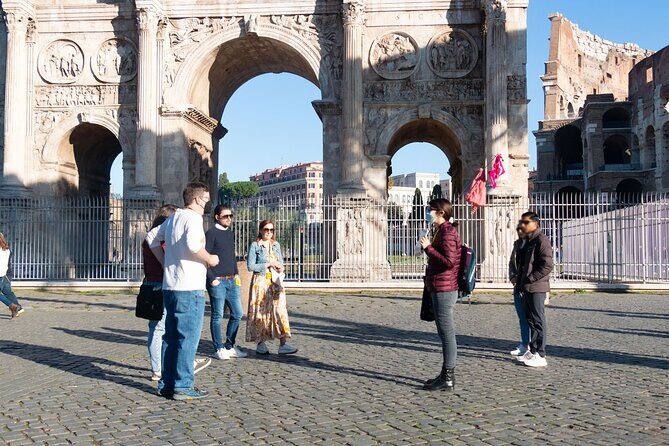
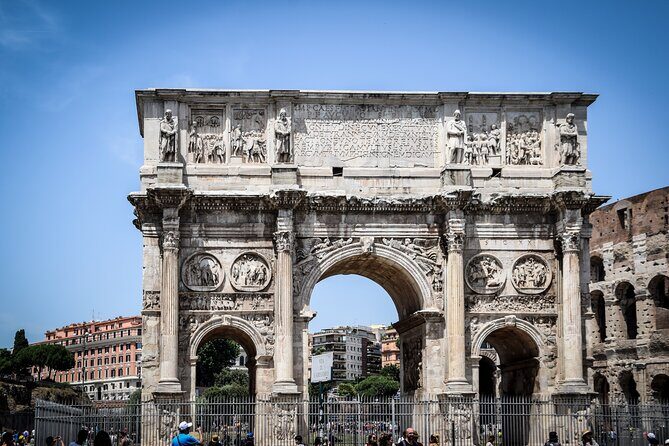
You’ll start near the Arch of Constantine area, then work your way through the oldest layers of Rome on Palatine Hill before the amphitheater and the political heart of the empire. The vibe is part museum lesson, part city scavenger hunt—especially with the guide stopping in just the right spots to explain how these places fit together.
If you’re the kind of traveler who wants context (why things were built, how they worked, what life may have felt like), this half-day tour is a smart move. If you want a totally low-effort stroll or step-free access, you’ll likely feel the friction from hills, stairs, and crowds.
In This Review
- Key things I’d plan around on this Ancient Rome walk
- Why this Colosseum, Forum, and Palatine tour feels worth the money
- Meeting near the Arch of Constantine: the spot that can make or break your start
- Palatine Hill: the “oldest Rome” feeling you can still walk on
- Entering the Colosseum with reserved tickets (and headsets that help)
- Roman Forum: the political center you can actually picture
- Who this tour suits (and who should choose a different plan)
- Timing, group size, and comfort: small details that change everything
- Common friction points (so you can dodge them early)
- So should you book this Ancient Rome walking tour?
- FAQ
- How long is the Ancient Rome guided walking tour?
- Is this tour offered in English?
- What sites do you visit?
- What’s included in the ticket price?
- Do I need my passport or ID for this tour?
- Where do I meet the guide?
- Does the tour include a mobile ticket?
- Is the walking easy?
- Can I cancel for a full refund?
Key things I’d plan around on this Ancient Rome walk
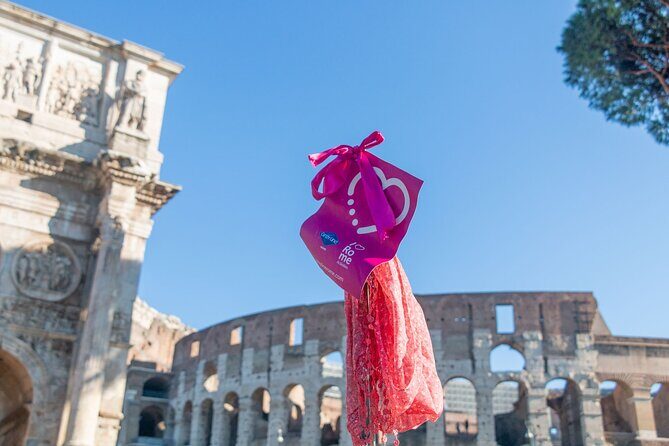
- Headsets make the guide’s commentary actually usable in busy ruins
- Reserved Colosseum entry is included, saving time and stress
- Palatine Hill first (or sometimes routed differently), but you cover all three main sights
- Small group size (max 20) keeps it easier to stay together
- Bring comfy shoes and expect uneven floors, rain or shine
- Meet-up location details matter because it can be confusing in the Arch-of-Constantine area
Why this Colosseum, Forum, and Palatine tour feels worth the money
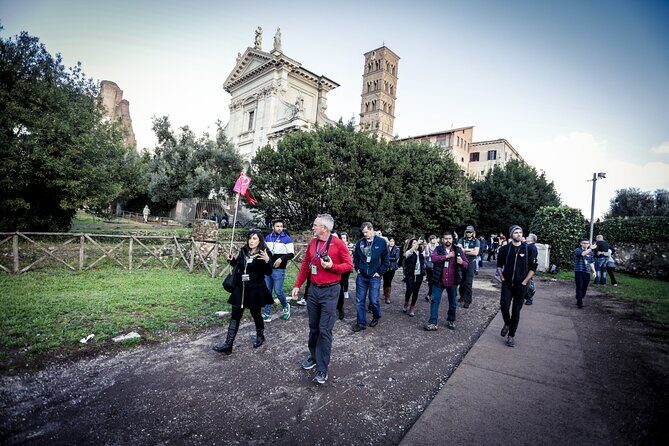
At $71.65 per person (about a 3-hour experience), the main value isn’t just that you’ll see the famous trio—Rome is full of famous ruins. The value is that someone organizes your time and explains what you’re looking at in a way that clicks fast.
A big part of that is the included Colosseum ticket and reservation fee. Since those costs are built into what you pay, you’re not paying full “tour markup” on the entry alone. You’re also paying for a professional guide plus wireless audio so you can keep up without playing the hunt-and-peek game with other tourists.
Is it a premium? It’s priced as a guided experience, not a budget ticket. But it tends to pay off if you care about understanding the sites rather than just taking photos at speed.
Other Forum, Palatine & Colosseum combo tours we've reviewed
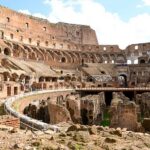
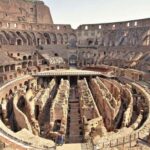
Meeting near the Arch of Constantine: the spot that can make or break your start
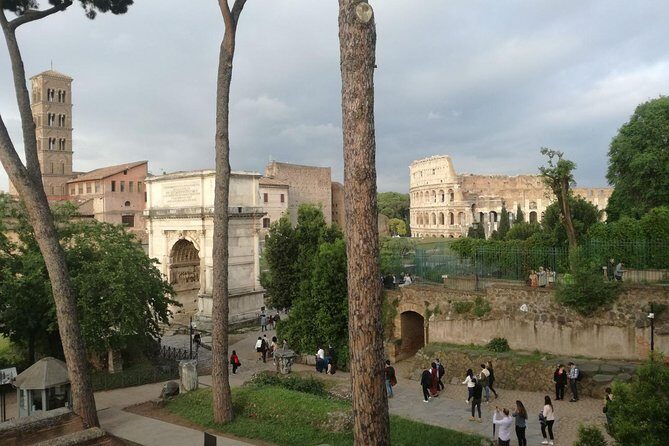
The tour begins at Via delle Terme di Tito, 75 (a meet-up point near the Colosseum area). You’ll then end at Via dei Fori Imperiali.
In practice, the tricky part is that this neighborhood is packed with tour groups, and “near the Arch of Constantine” can still mean a short walk through chaos. A number of people reported confusion early on—usually because signage and tour names can be hard to spot in a crowd. Do yourself a favor and arrive a little early, scan for staff holding the tour branding, and don’t be shy about asking other nearby guides for directions to your specific meet-up point.
Also note a real timing detail: tour start times shift by season. You’ll see 2:30 PM starts in certain date ranges and 1:30 PM starts in others. If you book close to a time-change window, double-check your confirmation so you don’t show up at the wrong hour.
One more update to know about: from April 1, 2025, the meeting point changes to Colle Oppio Park (inside the park, at the corner of Via delle Terme di Tito / Via Nicola Salvi). That’s exactly the kind of detail that matters if you’re relying on a quick glance at a map.
Palatine Hill: the “oldest Rome” feeling you can still walk on
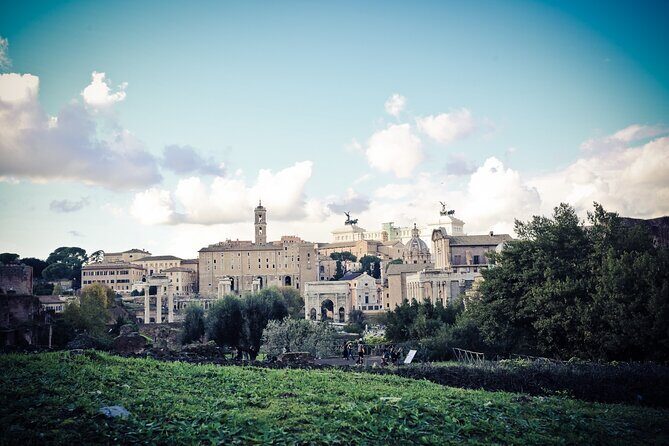
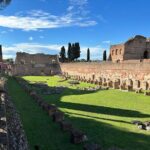
You’ll start at Palatine Hill, one of Rome’s seven hills, and one of the oldest parts of the city. This is the part of the tour that gives you the sense of Rome as layered—not just ruins, but a place people lived, ruled, and mythologized.
Your guide’s commentary is where Palatine Hill becomes more than “another viewpoint.” You’ll hear the legend tied to Romulus and Remus, the wolf story, and how that mythology helped Rome tell its own origin. Even if you don’t care about myths, the location matters: Palatine sits between the Velabro area and the Roman Forum, so it helps you understand why power and status clustered in this zone.
What I like about the Palatine stop: it’s often a calmer entry into the day compared with the Colosseum surge. You get a mental warm-up. You also get the benefit of seeing how the Forum relates to the hill above it.
The drawback: it’s not “all flat.” Expect slopes and steps. If you’re visiting in heat, an afternoon start can be punishing, so water and shade breaks (when your guide calls them) matter.
Entering the Colosseum with reserved tickets (and headsets that help)
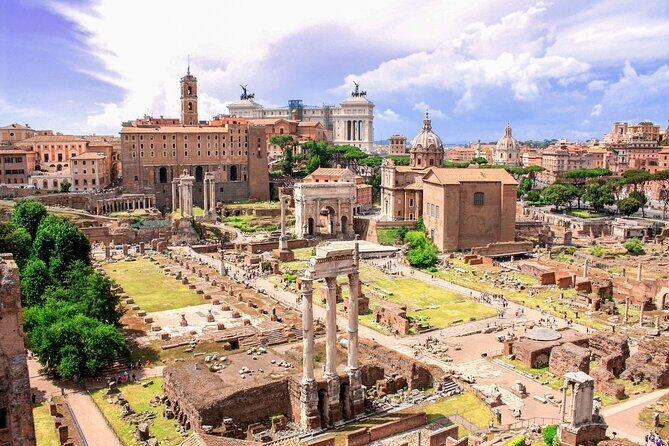
The Colosseum is the big draw, but the real win here is how you enter: you go in using pre-booked access tied to your group, with the Colosseum reservation fee included.
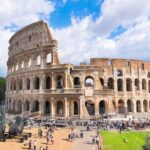
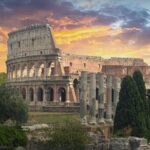
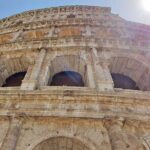
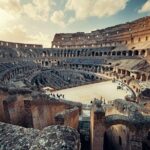
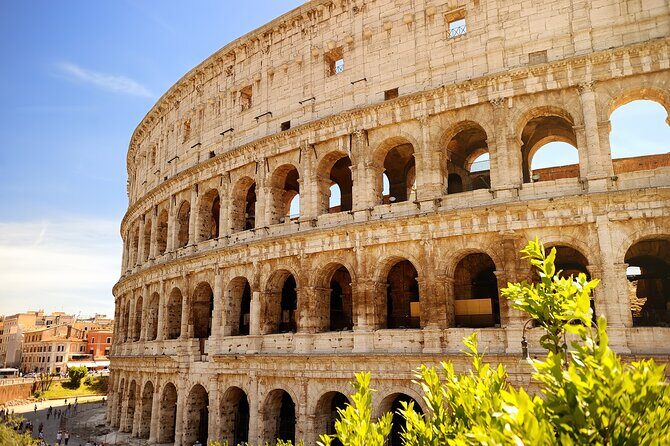
Once inside, your guide focuses on how the amphitheater was developed long before modern engineering—during the era around AD 70–80—and how it once held as many as 80,000 spectators. That historical scale hits harder when you’re standing in the structure and hearing how it worked.
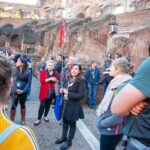
If you’ve been to major attractions before, you know the problem: too many people, too much noise, too little context. The wireless headsets fix that. You still hear the crowd around you, but you don’t lose the narrative every time you step away from the group.
A practical heads-up: even with tickets, the Colosseum area can involve crowd flow and security checks. The tour notes that heightened security can cause delays. I’d plan a calm start—arrive on time, not five minutes before the scheduled time.
Photo tip: ask your guide where to stand for shots without blocking others. Several people praised guides for pointing out good photo spots and managing the group through bottlenecks.
Roman Forum: the political center you can actually picture
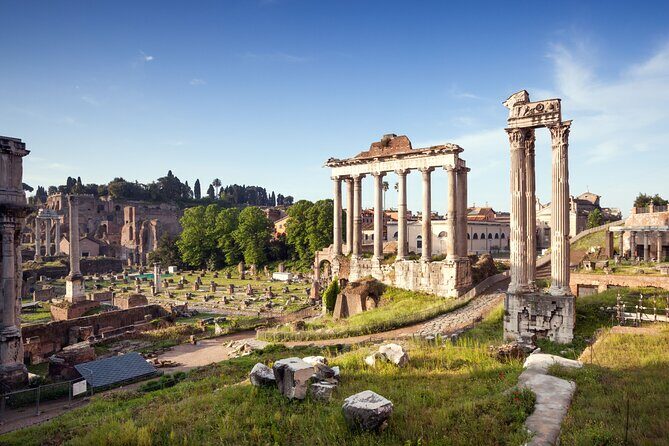
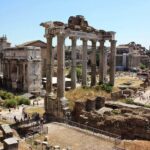
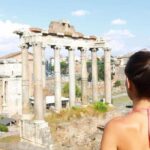
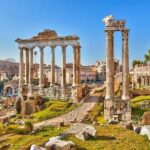
After the amphitheater, you move to the Roman Forum, the area where Rome’s public and religious life concentrated. This is where the tour becomes “story-based,” because the Forum isn’t just stone. It’s the layout of power.
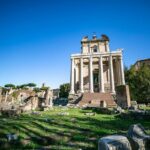
Your guide will spotlight major landmarks, including the Temple of Julius Caesar and the House of the Vestal Virgins, and then connect them back to what the Forum meant to daily Roman life.
The Forum also teaches you something important about time. When the empire fell, the Forum fell into obscurity and was buried little by little. People knew it existed in the 16th century, but major excavations didn’t begin until the 20th century. That timeline matters because it explains why you’re looking at ruins, not a restored city center.
What to watch for: the Forum stop is only about an hour, so you won’t see every corner. That’s fine—this is a guided “hit the highlights and understand the map” kind of visit. If you want a longer, slower Forum day, treat this tour as your primer, then come back later on your own.
Other Palatine Hill tours we've reviewed
Who this tour suits (and who should choose a different plan)
This works best for you if you:
- want an efficient Rome ancient sites overview in about half a day
- like having a guide connect the dots between Palatine Hill, the Colosseum, and the Forum
- value hearing clarity in crowded ruins (the headsets matter)
- can handle walking with some hills, stairs, and uneven archaeological floors
It’s less ideal if you:
- need step-free access or have mobility limitations (it’s explicitly not recommended for impaired mobility)
- hate scrambling to find a specific meet-up spot in a busy tourist zone
I also think it’s a strong choice for first-timers. Multiple guides mentioned in feedback—like Vanya, Maria, Emanuel, Egle, Alessandra, Alicia, Zara, Heather, Novela, and Alessio—are repeatedly praised for being informative and patient, and for keeping groups moving at a pace people can manage.
Timing, group size, and comfort: small details that change everything
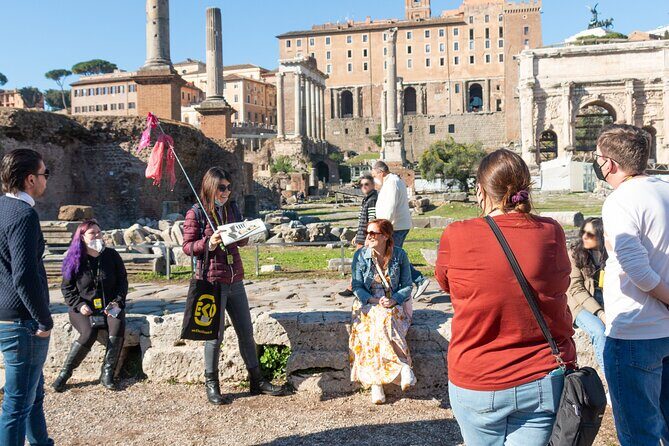
This tour caps at 20 travelers, which helps a lot when you’re threading through archaeological areas. A bigger group can feel like herd management; a smaller group feels more like a guided walk.
Comfort matters too. The tour mentions medium-hard floors and being ready for rain or shine. Wear shoes you trust on uneven ground. If you’re sensitive to heat, the afternoon start (often 1:30 PM or 2:30 PM depending on season) means you’ll want a smart strategy: hydration before you meet, and rely on your guide to pause when you can.
One more non-negotiable detail: you’ll need a valid passport or ID that matches the full names you provide when booking. Names are mandatory, and your identity needs to line up with the ticket.
If you have a pacemaker, you’ll need to show a certificate for admission and screening.
Common friction points (so you can dodge them early)
Based on how this experience is described, these are the issues most likely to affect you:
- Finding the meet-up spot: the Arch-of-Constantine area is packed, and directions can feel unclear at first. Go early and look for the tour staff branding.
- Changes to tour time: some people report last-minute time adjustments communicated via WhatsApp. If you don’t check messages right up to your start time, you might get surprised.
- Hearing issues if you lose reception: one feedback note mentioned losing audio while moving through a bricked area. Headsets are usually excellent, but it’s still wise to keep your headset volume up and stay close when your guide stops to talk.
- Pace and stairs: even when guides are considerate, the route includes hills and stairs. If you’re expecting a gentle walk, reset your expectations.
On the positive side, many people specifically praised the guide’s ability to keep the group together and still find time for questions and photos. That’s the difference between “seeing ruins” and “getting meaning.”
So should you book this Ancient Rome walking tour?
I’d book it if you want the best fast pathway into Ancient Rome’s most recognizable power triangle: Palatine Hill → Colosseum → Roman Forum.
It’s especially worth it when:
- you’re a first-time visitor who wants context fast
- you don’t want to manage entry logistics for the Colosseum
- you’re tired of tours where you can’t hear the guide over everyone else
I’d skip or compare options if:
- your priority is step-free comfort over guided commentary
- you dislike walking and stairs
- you’re likely to arrive late or miss WhatsApp messages about start-time changes
If you do book, I’d come prepared with comfy shoes, a buffer for security and crowds, and a clear plan for where you meet—especially if your dates fall around that April 1, 2025 meet-up update.
FAQ
How long is the Ancient Rome guided walking tour?
It runs for about 3 hours.
Is this tour offered in English?
Yes, the tour is offered in English.
What sites do you visit?
You visit Palatine Hill, the Colosseum, and the Roman Forum.
What’s included in the ticket price?
You get a guided tour with a professional guide and wireless audio headsets, plus a Colosseum entrance ticket and the Colosseum reservation fee.
Do I need my passport or ID for this tour?
Yes. Each traveler must present a valid passport or ID document that matches the name provided at booking.
Where do I meet the guide?
The meeting point is Via delle Terme di Tito, 75, 00184 Roma. From April 1, 2025, the meeting point changes to Colle Oppio Park (inside the park, corner of Via delle Terme di Tito and Via Nicola Salvi).
Does the tour include a mobile ticket?
Yes. The experience uses a mobile ticket.
Is the walking easy?
It’s marked as requiring moderate physical fitness, and it’s not recommended for people with impaired mobility. The tour also notes walking on medium-hard floors and that it involves walking on hills and stairs.
Can I cancel for a full refund?
Yes. You can cancel up to 24 hours in advance for a full refund.