REVIEW · ROME
Colosseum and Palatine Hill: Unveil Rome’s Ancient Spectacles
Book on Viator →Operated by ROMA IN TOURS · Bookable on Viator
Three ancient power centers, all in two hours. This tour strings together the Colosseum, the Via Sacra in the Roman Forum, and the Palatine Hill myths without wasting your day. I like that it comes with the right tickets and a real guide to make the ruins feel like a story, not just stone piles. The catch: it’s a shared group that can get crowded, and the schedule you pick isn’t always guaranteed.
You’ll meet at Via di S. Giovanni in Laterano, 14, walk through three major sites (about 40 minutes each), and end back near the start. It’s offered in English, uses a mobile ticket, and includes online support around boarding—useful when Rome is doing Rome things.
In This Review
- Key things I’d focus on before you go
- How this 2-hour Colosseum–Forum–Palatine route really plays out
- The Colosseum: architecture first, stories second
- Roman Forum: where you learn to read ruins
- Palatine Hill: myths, palaces, and a view you’ll remember
- Price and ticket value: what you’re paying for
- Group size, guide quality, and the private-tour expectation
- Logistics that can make or break your Colosseum day
- Who should book this tour (and who might skip)
- Should you book the Colosseum, Forum, and Palatine tour?
- FAQ
- What’s the duration of this tour?
- Where is the meeting point?
- Is this tour private?
- What language is the tour offered in?
- Does the tour include entrance tickets?
- Is food included?
- What do I need to bring for entry?
- Do I need my own transportation to the meeting point?
- Can the tour time change after I book?
- What’s the cancellation window for a full refund?
Key things I’d focus on before you go
- Reserved Colosseum entry built into the price, plus a Colosseum reservation fee
- Roman Forum highlights along the Via Sacra and stops that explain Senate and Vestal Virgins areas
- Palatine Hill context for the legends of Romulus and Remus and the emperors’ palaces
- Shared group limits up to 24 people, which affects question time
- Bring the right ID (passport or matching identification) for entry into Colosseum and Roman Forum
How this 2-hour Colosseum–Forum–Palatine route really plays out
This is designed as a tight-hit Ancient Rome sampler. Expect roughly 2 hours total, with around 40 minutes at each stop: Colosseum, Roman Forum, then Palatine Hill. You’ll be moving at a walking-tour pace, not lingering like you would on a self-guided visit.
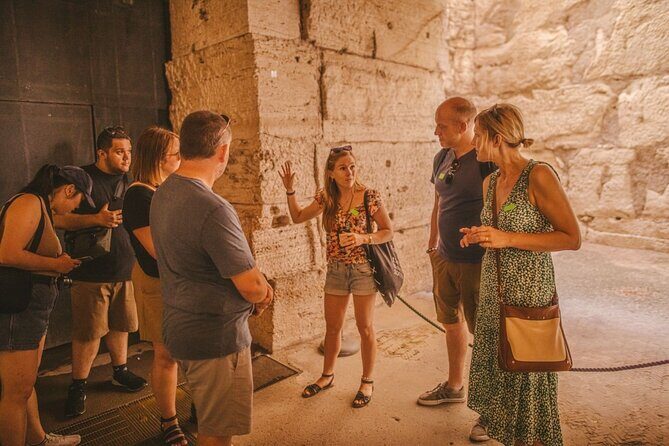
Because it’s a shared experience, the rhythm depends on how quickly the group enters each area and how long security and crowd flow take. The good news: having a guide helps you spend your time on what matters—where you are, what you’re looking at, and why it existed.
Also note the wording: you get a certified guide, but it’s not private. That matters if you’re hoping for a quieter, more personal pace.
Other Palatine Hill tours we've reviewed
The Colosseum: architecture first, stories second
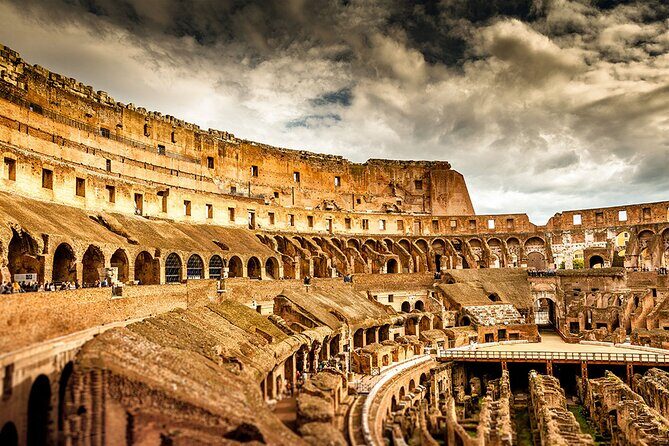
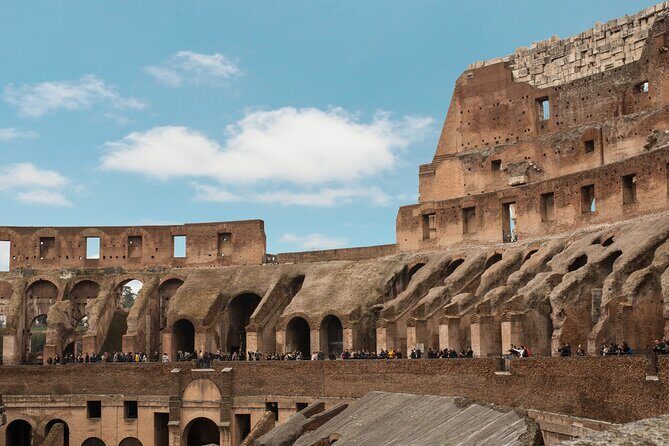
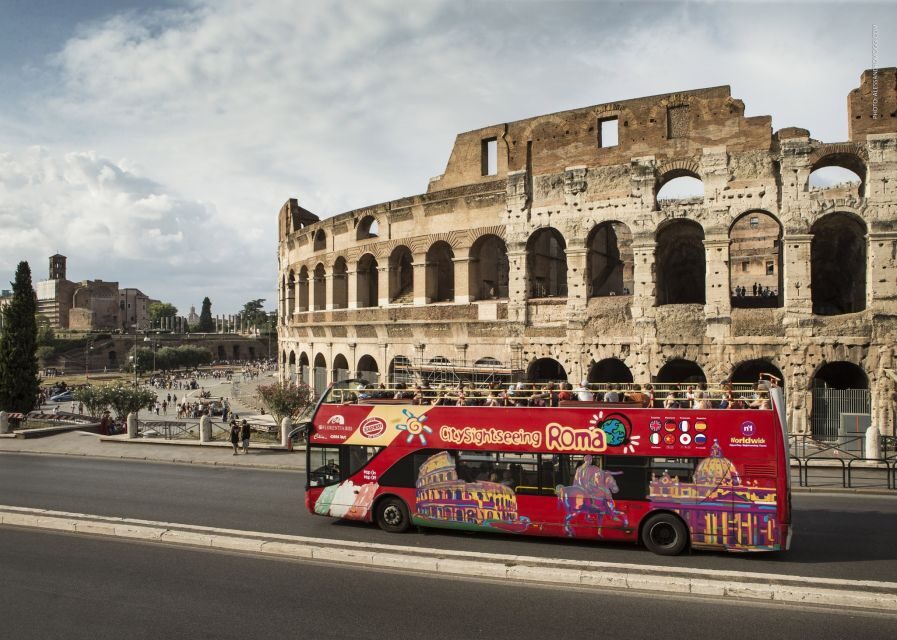
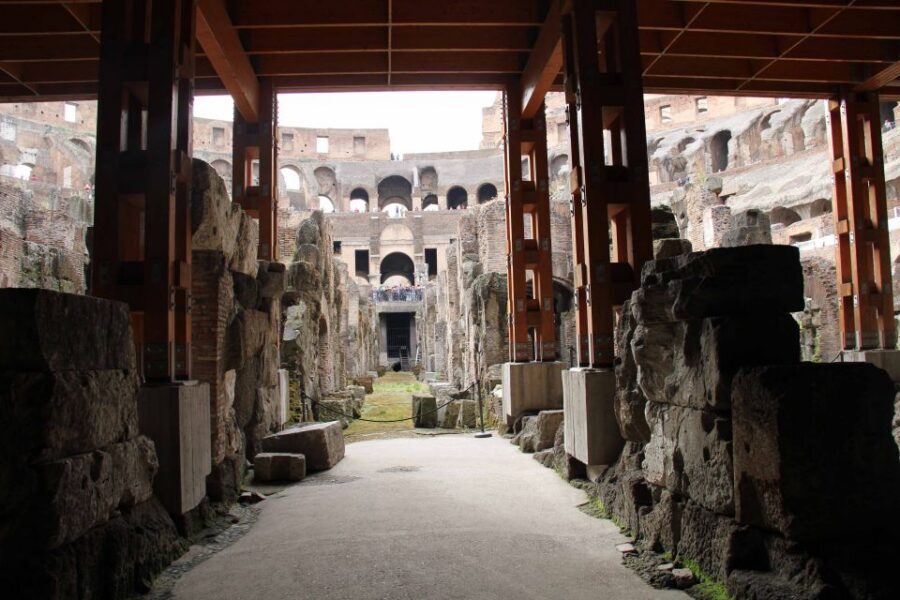
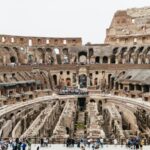
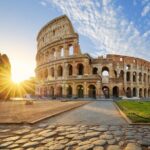
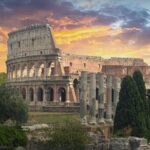
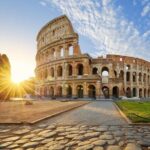
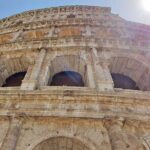
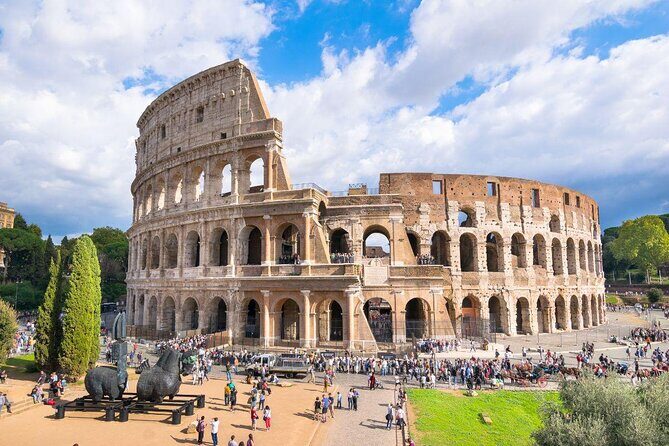
The Colosseum (also called the Flavian Amphitheater) is so big that your brain needs help. The guide’s job is to give you a framework fast—who built it, what changed over time, and what you should notice when you’re standing in front of it.
Here’s what you’ll anchor on:
- Built in the Flavian period: construction began under Vespasian in 70 AD and was finished under Titus, who inaugurated it on April 21, 80 AD. Later changes came under Domitian around 90 AD.
- It was originally meant for crowds estimated between 50,000 and 87,000—yes, that range is wide, but it tells you the scale.
- The name Colosseum is medieval. It comes from a deformation of the Latin adjective colosseum, meaning something like colossal, tied to how people saw the site later on.
Practical tip: in a short tour, you won’t wander every corner. So go in with a mindset of learning the building like a diagram. I like to focus on how the structure worked for mass seating and movement, not just the fact that it’s famous.
One more thing: if your group is large, you may spend less time with the guide and more time in “stand, look, move” mode. That can still be worth it—especially if the guide is strong. There was at least one mention of Francesca as very knowledgeable, with good English and a friendly style, but even great guides can only do so much when the group is big.
Roman Forum: where you learn to read ruins
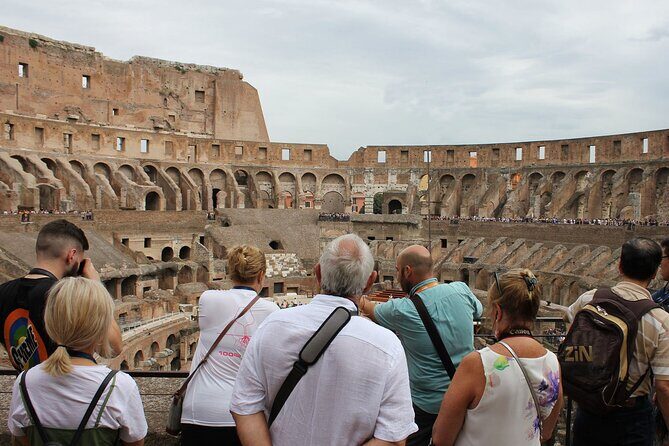
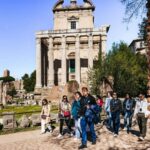
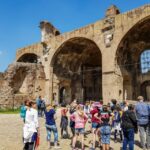
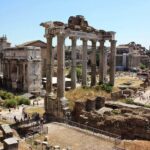
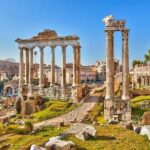
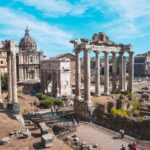
The Roman Forum is the place where Rome stopped being a word and became a place you can walk through. It was once a marketplace, and people called it the Forum Magnum (Forum Romanum in Latin, Foro Romano in Italian). Today you see the ruins of major government and religious buildings—so your visit works best when someone helps you connect the dots.
On this tour, you’ll move along the Via Sacra, the main street of ancient Rome where processions happened. The guide should point out the kinds of power displays that took place there—parades tied to emperors like Augustus and Hadrian, and triumphs by generals.
Inside the Roman Forum area, look for the themes the guide will cover:
- The interior of the old Senate
- The dwellings of the Vestal Virgins
- Temples such as the Temple of Vesta
- The Temple of Septimius Severus
- The Triumphal Arches of Titus
This is where a guide earns their pay. Ruins can look like random walls until you understand what the spaces were used for. In a two-hour format, your best bet is to let the guide handle the timeline so you can spend your energy absorbing the role each monument played.
Palatine Hill: myths, palaces, and a view you’ll remember
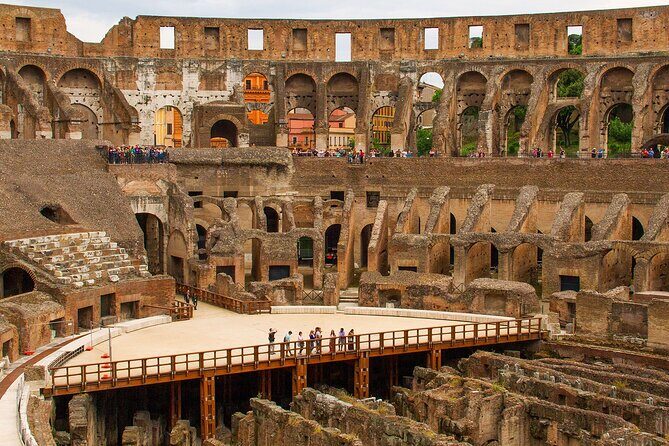
The Palatine Hill can feel like the “third stop” after the Colosseum’s fame, but it’s the one that ties Rome’s story together. It towers over the Forum and the Circus Maximus, and the ruins you see were tied to emperors and to religious sites.
The big idea you’ll want to hold:
- The Palatine is linked to Rome’s origin myth—Romulus and Remus.
- It was also the center for imperial palaces and temples, which is why emperors had a home base here.
Even with only about 40 minutes, this stop is valuable because it gives your visit emotional logic. You’re not just seeing buildings you can’t connect. You’re seeing the hillside that helped Rome explain itself.
If you want photos: this is a better place than most to grab a wide view because the hill’s position makes the layout make sense. Wear shoes with real grip here; walking across uneven ancient surfaces is Rome’s version of “no surprises.”
Price and ticket value: what you’re paying for
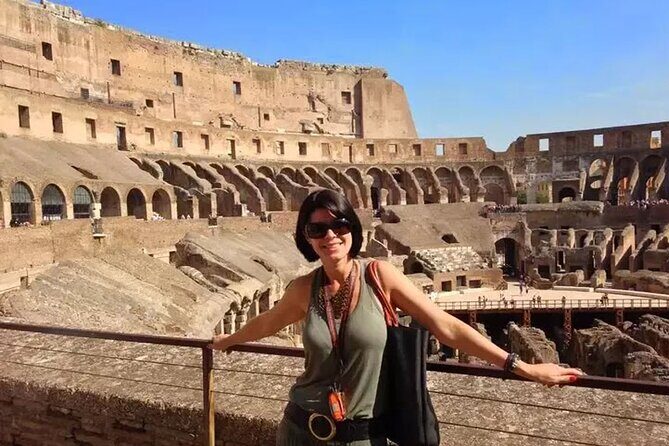
At $162.19 per person, this isn’t a bargain-basement deal—but it does include the admissions piece that often adds up when you buy separately.
From what’s included:
- Colosseum entrance ticket (listed as valued at €18 per person)
- Colosseum reservation fee (valued at €2 per person)
- Roman Forum entrance ticket
- Palatine Hill entrance ticket
- A certified guide
- Mobile ticket and online consultant support to send boarding info (plus online support at boarding time)
So your money is partly going to access and reservations (important at a place that gets busy), and partly to the guide’s time and coordination.
What’s not included:
- Food and drink
- Round-trip hotel transfers
That last point matters for value. You’ll be going from the meeting point on your own, so budget a little for transit and water. If you already plan to arrive on transit and you like guided interpretation, this price can feel fair. If you’d rather roam slowly on your own and don’t care much about context, you may prefer an unguided approach.
Other Ancient Rome tours we've reviewed



Group size, guide quality, and the private-tour expectation
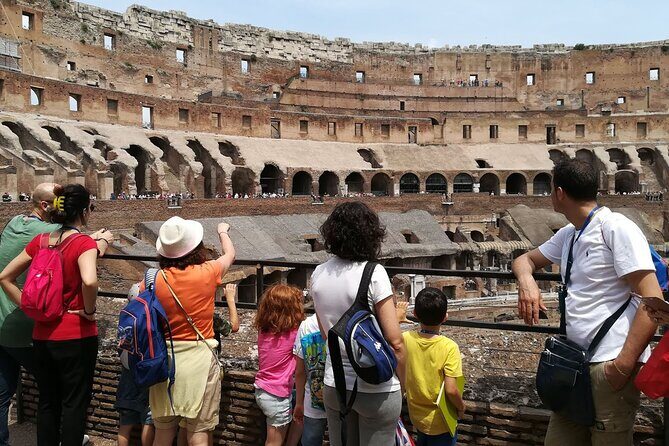
Here’s the honest practical point: this is not private. The group can be anywhere from 1 to 24 people, and the tour is shared.
That affects the experience in two ways:
- Question time shrinks when the group is larger.
- You may get swept into a faster pace simply because that’s how you keep a mixed group moving.
There was feedback about the experience feeling confusing at the start and groups being too large for a relaxed conversation. There were also complaints about ticket mixups and about a guide not being able to complete the tour in one case. I can’t predict how your day will go, but I can tell you how to protect your time.
Your best move:
- Arrive a bit early at the meeting point and make sure your ticket name matches your ID.
- Keep an eye on the group from the first minutes onward so you don’t get separated when everyone starts moving.
- If something feels off at the ticket stage, address it right away with the tour support instead of waiting.
And if you’re someone who really wants a quiet, personal guided visit, treat this as a guided shared experience and choose a smaller-group or private alternative if that’s your priority.
Logistics that can make or break your Colosseum day
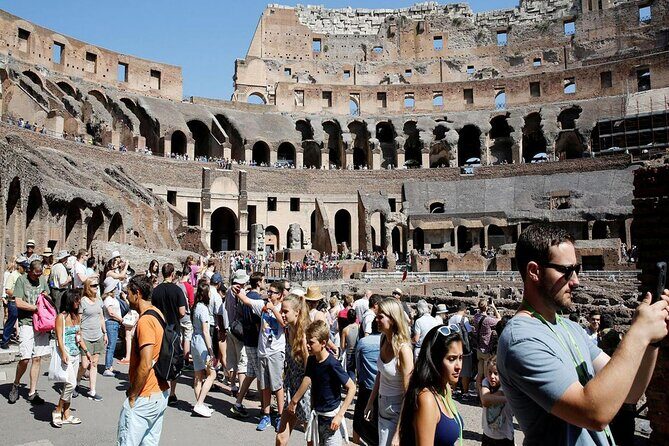
Rome is famous for crowd flow, timed entry, and small admin rules. This tour includes some of the most important admin pieces, but you still need to do your part.
Key logistics from the tour setup:
- You’ll receive confirmation at booking.
- You’ll need a valid passport or identification document that matches the name on your booking to enter the Colosseum and Roman Forum.
- It uses a mobile ticket.
- You’re asked to leave a WhatsApp number so support can contact you after booking.
- The meeting point is Via di S. Giovanni in Laterano, 14, 00184 Roma RM, Italy, and the tour ends back at the meeting point.
- It’s near public transportation, which helps.
Timing can also shift:
- If your chosen time isn’t available, you’ll be moved to another time on the same day.
- For very last-minute bookings (same day or overnight), if seats are unavailable, you may be placed on the day following your reserved date.
One more practical note: try not to stack multiple major tours close together. A timed-ticket day can run late, and the last thing you want is to watch your next plan evaporate.
Also, there are no round-trip hotel transfers. Plan your transit so you’re not rushing.
Who should book this tour (and who might skip)
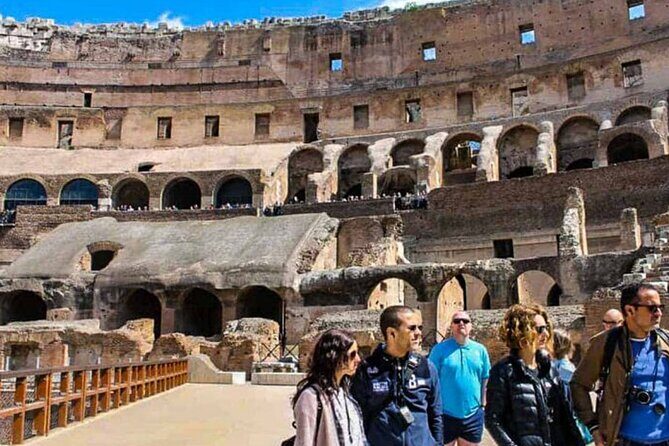
This fits best if:
- You’re seeing Rome for the first time and want the big ancient hits in a short window.
- You like architecture and want the guide to put dates and names (Vespasian, Titus, Domitian) into something you can remember.
- You want the Roman Forum explained as a political and religious center, not just a photo stop.
- You enjoy Rome’s myths and want Palatine Hill to connect those legends to real locations.
It might be less ideal if:
- You need lots of personal space and time to ask many questions.
- You’re the type who likes to wander slowly and read every plaque at your own pace.
- You’re booking with tight schedules and can’t handle a same-day time shift.
For families and students: there’s a youth rate for students and children, but you’ll need the correct ID documentation.
Should you book the Colosseum, Forum, and Palatine tour?
If you want a guided, efficient way to understand Rome’s power centers, I think this is a solid choice. You get reserved Colosseum access, the Roman Forum’s key monuments, and Palatine Hill context about both palaces and the Romulus and Remus legend, all in about two hours. That’s good value when you factor in admissions and a certified guide, especially if you’d otherwise spend time sorting tickets on your own.
Just book it with realistic expectations: it’s shared, up to 24 people, and the pace depends on crowd flow. If you’re okay with that and you follow the ID and timing basics, this can be one of the most satisfying ways to “get it” on an Ancient Rome day.
FAQ
What’s the duration of this tour?
The tour runs about 2 hours.
Where is the meeting point?
The meeting point is Via di S. Giovanni in Laterano, 14, 00184 Roma RM, Italy.
Is this tour private?
No. It’s a shared group tour with a maximum of 24 travelers.
What language is the tour offered in?
The tour is offered in English.
Does the tour include entrance tickets?
Yes. It includes entrance tickets for the Colosseum (with reservation fee), Roman Forum, and Palatine Hill.
Is food included?
No. Food and drink are not included.
What do I need to bring for entry?
You must bring a valid passport or identification document that matches the name used at booking to enter the Colosseum and Roman Forum.
Do I need my own transportation to the meeting point?
Yes. Round-trip hotel transfers are not included.
Can the tour time change after I book?
If the chosen time isn’t available, you may be transferred to another time on the same day. For last-minute bookings, seating may result in being placed on the following day.
What’s the cancellation window for a full refund?
You can cancel up to 3 days in advance for a full refund.