REVIEW · ROME
Colosseum, Palatine and Forum tour with virtual guide
Book on Viator →Operated by Touring Fixer · Bookable on Viator
Rome’s biggest ruins, guided by your own screen. This is a Colosseum + Palatine Hill + Roman Forum visit that pairs admission tickets with an English virtual guide, so you can keep moving without waiting on a group rhythm. I love how the storytelling helps you “see” what you’re looking at, and I especially like the sense of control—you can slow down when something catches your eye. One possible drawback: the cost of the virtual guidance can feel steep to some people.
You start at Piazza del Colosseo and end back there, with the whole experience usually running about 2 to 4 hours. Small groups help too—this is capped at 30. If you expect a classic live-guide style with lots of back-and-forth, you might want more narration per building than what a virtual format can provide.
In This Review
- Key highlights you’ll feel right away
- The “start line” at Piazza del Colosseo
- Entering the Colosseum with virtual guidance
- What to watch for
- Palatine Hill: the best payoff for people who like views
- Why this stop is worth it
- Roman Forum: the political heart in an easy walk
- The Forum is simple to “do,” hard to “understand”
- A practical tip for this stop
- How the virtual guide changes the experience (for better or worse)
- The tradeoff
- Timing, duration, and how to plan your day
- Who will enjoy the 2–4 hour window most?
- Price and value: what you’re really paying for
- Small group size and the on-the-ground reality
- Who should book this tour?
- Should you book it?
- FAQ
- What sites are included in the tour?
- Are admission tickets included?
- How long does the experience take?
- What language is the guide offered in?
- Where does the tour start and end?
- Is there a limit on group size?
- Can I get a refund if I cancel?
Key highlights you’ll feel right away
- Tickets included for all three stops so you’re not juggling entry hassles while you’re in the area
- A virtual guide that makes the stones make sense with clear, on-site explanations
- You set your pace within each monument instead of being rushed forward
- Imperial views from Palatine Hill that help you understand how Rome was laid out
- Roman Forum context in one loop—politics, law, religion, and commerce in the same footprint
- Up to 30 people max, which generally keeps things easier to manage
The “start line” at Piazza del Colosseo
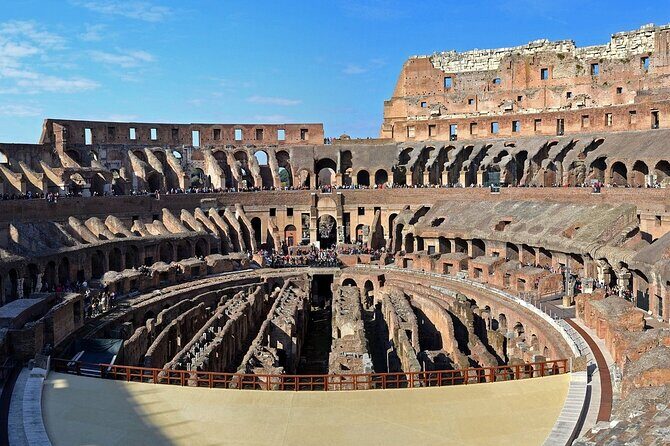
The experience begins right by the Colosseum at Piazza del Colosseo, which is convenient because you’re dropped into the action immediately. When I’m visiting Rome’s mega-sites, I like trips that respect my time. Starting at the monument means you can spend your energy where it counts: looking, reading, and choosing where to focus.
The tour is in English, and the virtual guide format is designed for self-paced movement. That matters here. The Colosseum and the surrounding archaeological area aren’t just “one photo and leave” stops—you’ll get more out of it if you can slow down to match the explanations to what you’re seeing.
Also, the visit loops back to the meeting point when you’re done. That’s a small thing, but it reduces stress at the end of a sightseeing day.
Other Forum, Palatine & Colosseum combo tours we've reviewed
Entering the Colosseum with virtual guidance
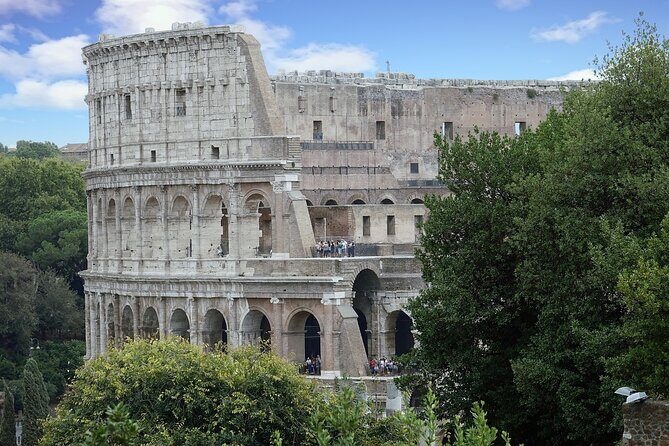
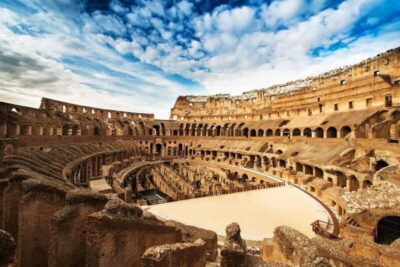
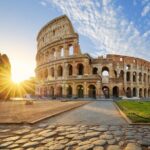
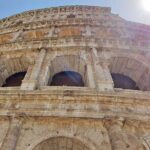
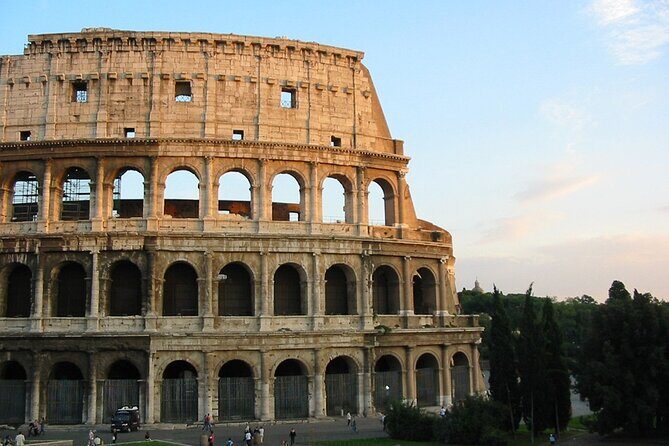
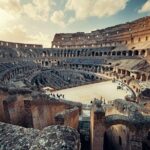
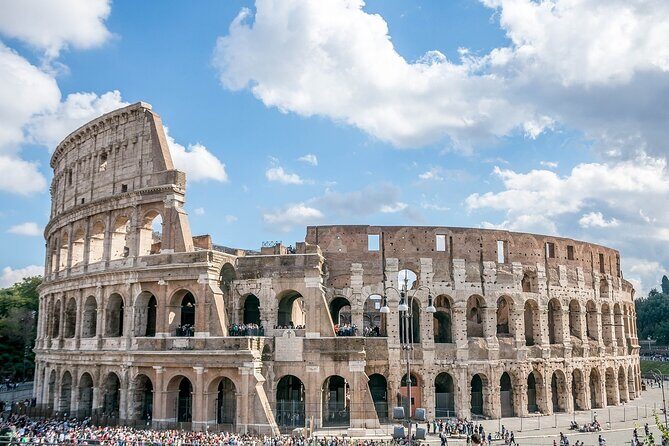
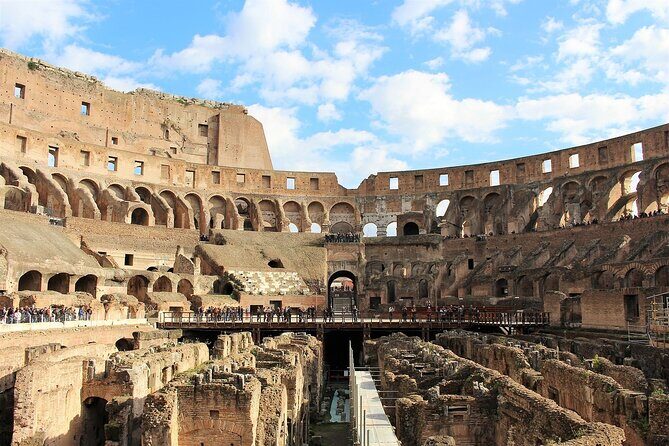
The Colosseum stop is built as a proper anchor: about 2 hours with admission included. This is where the virtual guide earns its keep. Instead of treating the arena like a set of walls and arches, the guidance helps you connect the building to the kind of spectacles and power that made it famous.
The big win is comprehension. Standing close to the structure can feel overwhelming at first—there’s so much scale and so many angles. A good guide (virtual or live) helps you aim your attention: where to look for structural clues, how to read what’s still standing, and what the layout used to mean.
In feedback from people who enjoyed this format, the common theme is that it felt like a time-transport moment. One key reason: the explanations don’t stop at basics. They add enough “curiosity” to keep you mentally engaged while you walk and look.
What to watch for
Even the best virtual narration can’t replace the value of your own time on-site. If you’re the type who likes to linger on details—inscriptions, elevations, and sightlines—this trip suits you. If you’re the type who needs constant commentary at every step, you may find yourself wanting more. That exact “too short on comments per building” feeling came up in one opinion, and it’s worth taking seriously.
Palatine Hill: the best payoff for people who like views
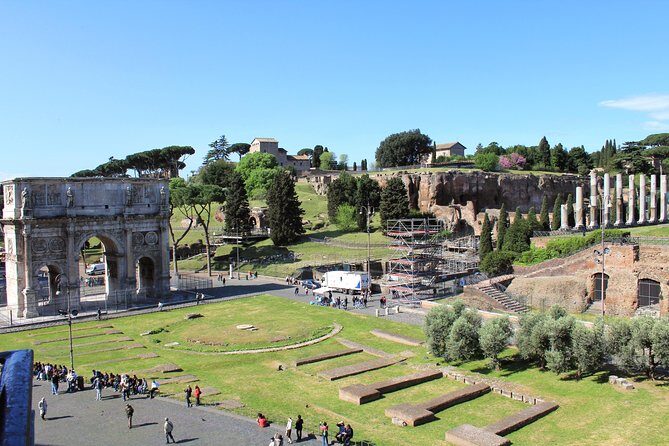
After the Colosseum, you head to Palatine Hill for about 1 hour, again with admission included. This is a different kind of Rome experience. The Colosseum is about spectacle; Palatine is about origins and status—where Rome’s story begins and where emperors (and the powerful) wanted to live.
Palatine is also where you get those moment-of-understanding views. From elevated points, the archaeological landscape makes more sense. Even if you know the basics, seeing the scale and relative positions can tighten the mental picture. The hill is part of the seven hills of Rome, and the payoff is that you feel how location mattered.
Why this stop is worth it
This stop isn’t only about walking on ruins. It’s about learning the “why” behind the setting. The hill is famously tied to Rome’s founding myths and the elite’s desire to be close to power. When your guidance points out specific curiosities, it can turn a rooftop view into a story you remember.
And because the format is virtual, you can pause and rewatch the explanations that match what you’re seeing—useful when you’re standing at a viewpoint and the wind (or your camera) gets in the way.
Other Palatine Hill tours we've reviewed

Roman Forum: the political heart in an easy walk
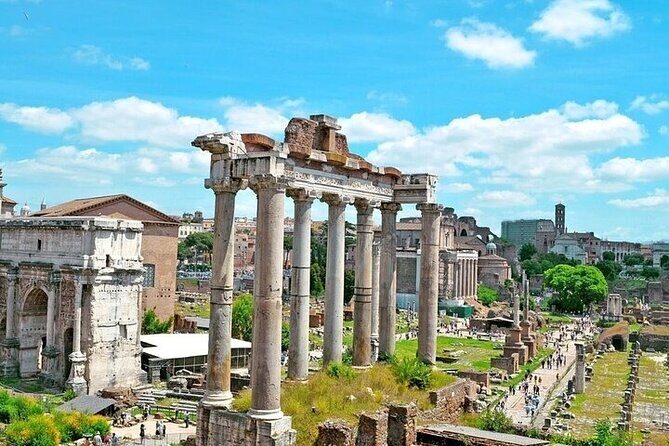
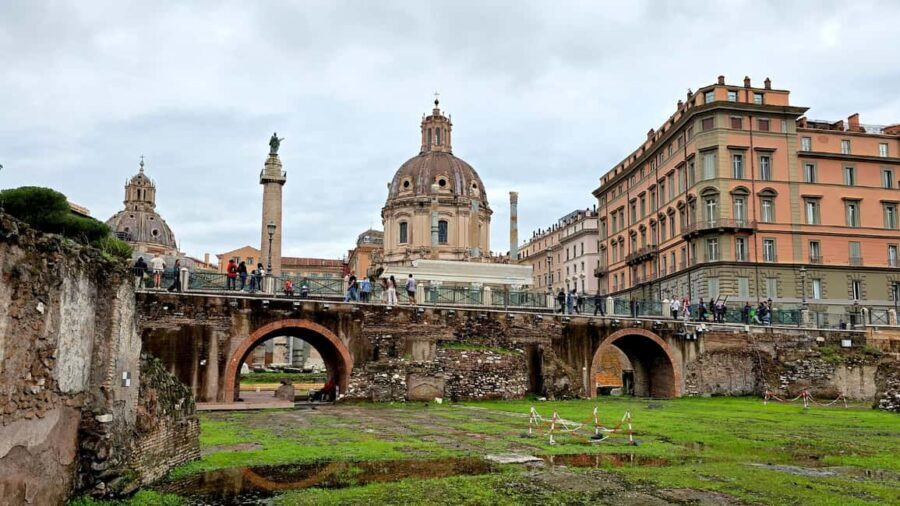
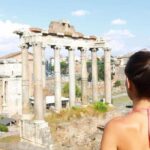
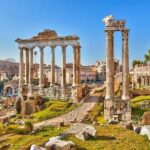
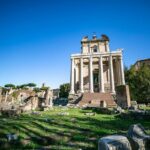
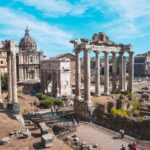
Next comes the Roman Forum for about 1 hour with admission included. If you want the feeling of walking through Rome’s center, this is the stop. The Forum wasn’t just scenery—it was the political, legal, religious, and economic hub of ancient Rome.
What I like about putting the Forum after Palatine is that your brain starts connecting the dots. Once you’ve learned about power on the hill, the Forum hits differently. You’re not just looking at ruins; you’re seeing where decisions got made and where public life happened.
The Forum is simple to “do,” hard to “understand”
This area can trick you. It’s easy to take photos and think you’ve got it. The virtual guide format helps because it pushes you to notice relationships between places: what function a space served, why religion mattered to politics, and how civic life sat right on top of daily routines.
People who used this experience praised how accurate and detailed the descriptions felt—especially the sense of getting “curious information,” not just a textbook summary. That’s the kind of detail that makes your walk through the Forum feel like more than a highlight reel.
A practical tip for this stop
In an hour, you have time for a solid route, but you don’t have time to wander aimlessly. If you like structure, stick with the guide’s pacing. If you like freedom, pick 2–3 areas you’re most interested in and spend extra time there. The format is set up for that kind of focus.
How the virtual guide changes the experience (for better or worse)
Virtual guides can go two ways. Either they feel like a gimmick, or they genuinely help you understand what you’re seeing. Here, the feedback leans strongly toward the second option.
The strongest praise centers on the “time travel” feeling. That doesn’t mean you’ll be literally transported—it means the guidance is timed and contextual enough that you can picture the past while you stand in the present. That’s the real value: turning stone into meaning.
There’s also a practical angle. You’re not tied to a live guide’s speed. One of the best parts, based on how people describe the experience, is complete freedom within the visit—focusing on the bits you care about instead of being pulled along on someone else’s schedule.
The tradeoff
The virtual format can leave you wanting more human interaction. If you’re the kind of traveler who loves asking questions and getting spontaneous explanations, you might find this less satisfying. Also, at least one comment suggested the guide could include more commentary on each building. So if you crave wall-to-wall narration, consider whether your preferred learning style matches a self-guided approach.
Timing, duration, and how to plan your day
Most people experience this in about 2 to 4 hours. That range matters in Rome. If you only have a half-day, you can treat this as a core Rome loop. If you have more time, you can pair it with nearby sights in the same general area.
The key planning idea is simple: don’t pack your schedule so tightly that you’re running from stop to stop. The value here comes from your ability to match the explanations to the real shapes around you. That takes a little slack.
Who will enjoy the 2–4 hour window most?
- First-timers who want the classic trio—Colosseum, Palatine, Forum—without getting lost
- Curious travelers who like reading the landscape and learning why places mattered
- People who dislike group pacing and prefer to control their own tempo
- Families and groups who benefit from structured tech-based learning (one review specifically called out how it worked well for younger travelers)
Price and value: what you’re really paying for
This costs $59.00 per person, and admission tickets are included for the Colosseum, Palatine Hill, and the Roman Forum. That’s a big piece of value. Many Rome tours look cheaper until you add entry fees at checkout. Here, you’re buying the experience as a bundle.
You’re also paying for a specific kind of guidance: virtual, in English, designed to be used on-site. One opinion flagged the price as high for the virtual guide component, mentioning about 30 euros. That lines up with a common traveler question: am I paying extra for tech?
My take: it can be worth it if you like flexibility and prefer a structured “what am I looking at” style. If you’re mainly after a quick photo sprint, you’ll likely feel like any guided element is extra. But if you want the stones to make sense and you’re okay using your phone or device to follow along, the included tickets plus the guided context is a fair deal.
Small group size and the on-the-ground reality
The tour has a maximum of 30 travelers. In practice, that tends to help with crowd flow. Rome’s big sites are busy no matter what, but smaller groups can reduce the “traffic jam” feeling that happens when everyone funnels into the same narrow spots at once.
It also makes the virtual format easier. When you’re in a dense area, a guided system that doesn’t require constant listening can be a relief. You can step aside for a moment, reposition, and continue without feeling like you’re losing the guide’s storyline.
Who should book this tour?
Book this if you want a classic Rome core loop that trades constant live commentary for on-site explanations and self-paced freedom. It’s a strong fit for:
- People who like learning through place-based storytelling
- Travelers visiting on limited time who still want meaningful context
- Anyone who prefers to linger at their own pace instead of matching a group’s stride
- Groups who think tech-based guidance can work better than lectures
It might be less ideal if you hate using devices to guide yourself, or if you feel strongly that you need a live person to answer questions as you go.
Should you book it?
If your goal is to understand what you’re looking at across the Colosseum, Palatine Hill, and the Roman Forum, I’d say yes—with one careful thought. Make sure you’re comfortable with the virtual-guide approach. The experience seems to shine when you enjoy self-directed pacing and you want explanations that turn ruins into a story.
If you want a lot of back-and-forth conversation, or you’re hoping for heavy narration at every corner, you may find the guidance a bit light. But if you like being in control of your time—and you want the included tickets with that context—this is a solid way to do Rome’s most famous trio without wasting your day.
FAQ
What sites are included in the tour?
You’ll visit the Colosseum, Palatine Hill, and the Roman Forum.
Are admission tickets included?
Yes. Admission tickets are included for each of the three stops.
How long does the experience take?
It typically runs about 2 to 4 hours.
What language is the guide offered in?
The experience is offered in English.
Where does the tour start and end?
It starts at Piazza del Colosseo and ends back at the meeting point.
Is there a limit on group size?
Yes, the maximum group size is 30 travelers.
Can I get a refund if I cancel?
No. This experience is non-refundable and cannot be changed for any reason.