REVIEW · ROME
Private Tour of the Colosseum Forums Palatine Hill & Ancient Rome
Book on Viator →Operated by Guided Tours of Florence and Tuscany · Bookable on Viator
Three hours, three layers of Rome. This private tour gives you a dedicated guide for Colosseum, Forum, and Palatine Hill, and I like the way it uses visual reconstructions to make the ruins readable. The one real thing to watch: you must provide the full names (and matching ID/passport) up front, or entry can be denied.
You’ll choose a morning or afternoon slot, meet near Via dei Fori Imperiali, and move at a calmer pace than the classic big-bus rush. It’s a great fit if you like asking questions as you go—but do expect moderate walking on uneven ground around major ruins.
In This Review
- Key highlights to look for
- A private, guided route through Colosseum, Forum, and Palatine Hill
- Entering the Colosseum: 50,000 seats and 80 entrances
- Roman Forum and the Senate House: power, temples, and everyday movement
- Palatine Hill and the Capitol Hill finish: Michelangelo’s square and Marcus Aurelius
- Guide style: asking questions and using reconstructions that actually help
- Price and value: what you’re paying for in a 3-hour private tour
- Logistics that affect your entry (and how to avoid headaches)
- Who this private tour is best for
- Should you book this private tour?
- FAQ
- How long is the private tour?
- Is admission included?
- Is this tour really private?
- Where do we meet?
- Where does the tour end?
- Do I get to choose a morning or afternoon time?
- What documents do I need for entry?
- Is the meeting point easy to reach?
- What fitness level do I need?
- What happens if I cancel?
Key highlights to look for
- Private guide time so you can slow down, re-route a little, and get explanations tailored to what you care about
- Colosseum entry plus Forum and Palatine time all in about 3 hours, so you’re not splitting your day into pieces
- Graphic reconstructions and visual tools to help you picture what you’re standing in
- A strong end-point at the Capitol Hill area, including the Michelangelo-designed square and the Marcus Aurelius statue
- Mobile ticket use and simple meeting at Via dei Fori Imperiali
A private, guided route through Colosseum, Forum, and Palatine Hill
This is built for people who don’t want to sprint through Rome’s headline sites. With a private setup, your guide can keep the momentum without feeling like you’re being marched. And because the tour is only your group, you don’t get stuck waiting for other people’s pace.
The whole plan runs about 3 hours, with roughly an hour at each of the three big areas. That time budget matters: it’s long enough to understand what you’re seeing, but not so long that you end up tired and cranky before you even hit dinner.
Also, the start location is right where you want to be—Via dei Fori Imperiali—so you’re already in the center of the ancient zone. You’ll finish back at the meeting point, which keeps the logistics easy after the last stop.
Other Roman Forum tours we've reviewed
Entering the Colosseum: 50,000 seats and 80 entrances
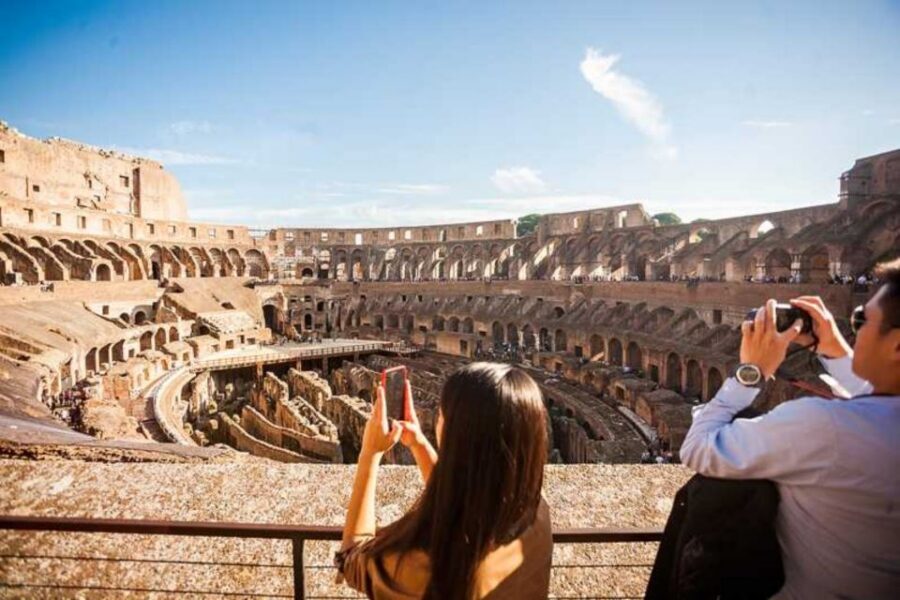
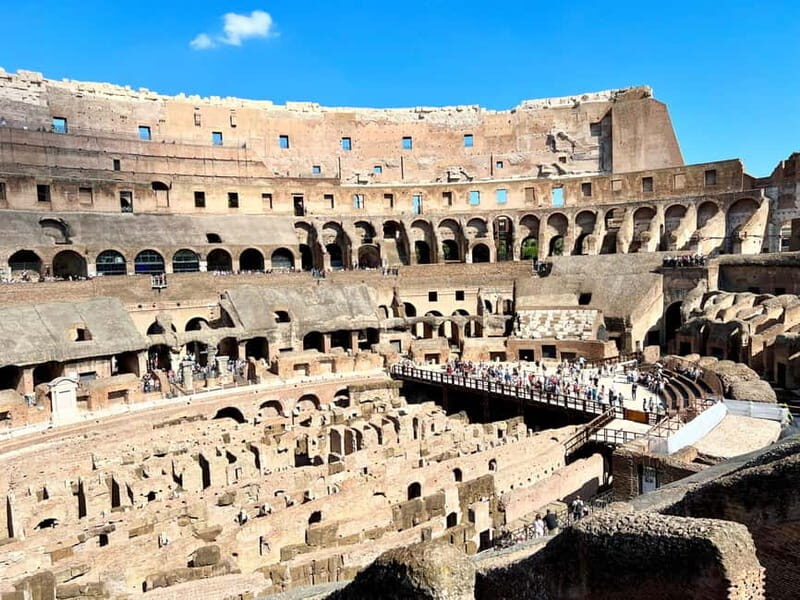
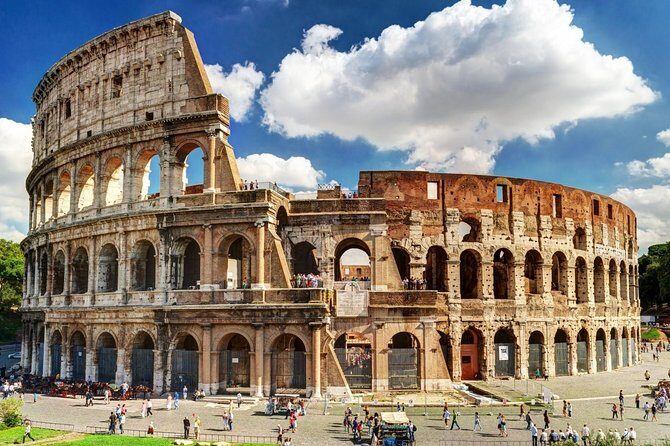
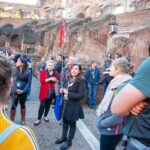
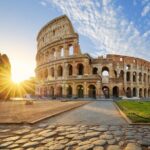
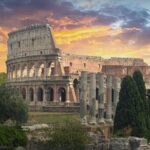
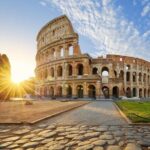
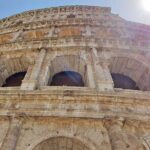
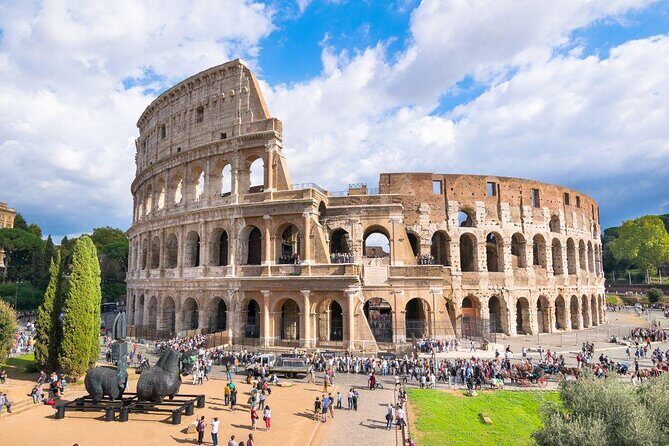
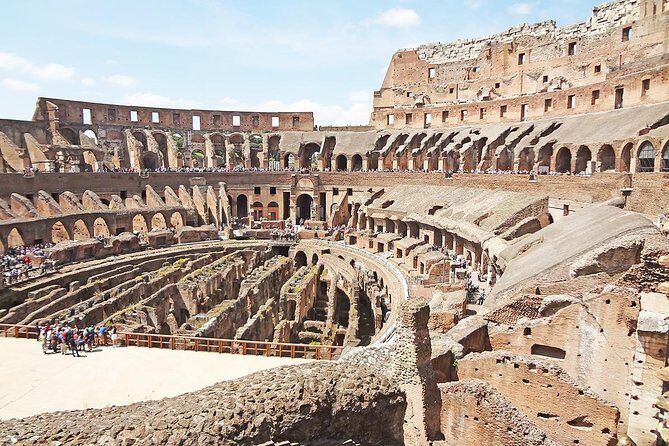
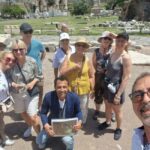
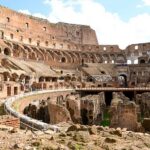
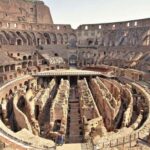
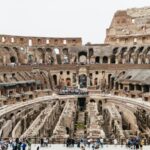
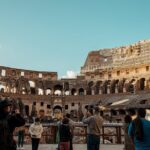
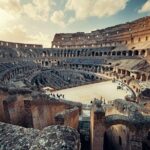
The tour begins right at the Colosseum entrance. You’ll be guided through what the site really was: the Flavian Amphitheater, Rome’s huge arena built for massive crowds and brutal spectacles. The numbers here help you grasp the scale—80 entrances and more than 50,000 spectators.
What I like about this first stop is the focus on turning a pile of stone into a story you can picture. A good guide will talk about how the arena functioned and what the spaces likely meant to the people who used them. One strong example from a previous guide experience: Thomas used photos and visual references so you could imagine what the area looked like in use, not just what remains today.
A practical note: this is a ticketed site, and the tour includes admission for the Colosseum. That helps, because you’re not spending time figuring out entry windows once you’re already in the area.
How to get the most out of the Colosseum stop: come with a few questions in mind. Examples that fit the site: Where did you think spectators sat, and what changed your view? How did access work with so many entrances? With a private guide, you can zero in on the parts you care about.
Roman Forum and the Senate House: power, temples, and everyday movement
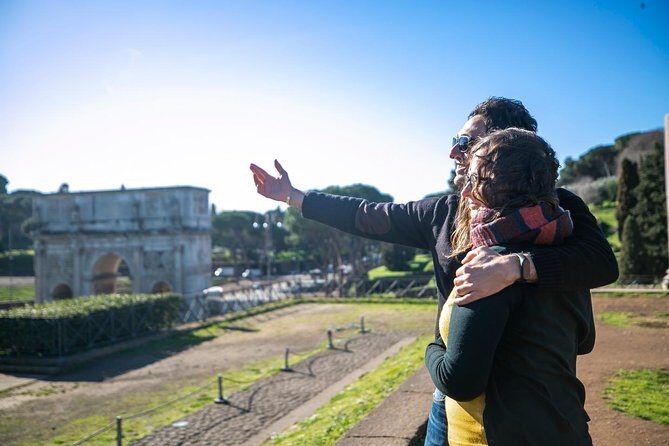
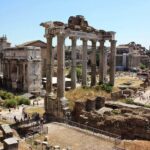
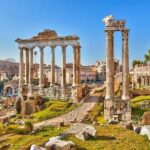
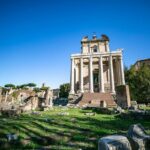
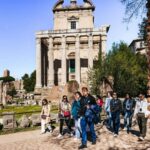
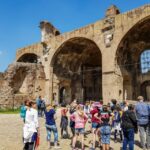
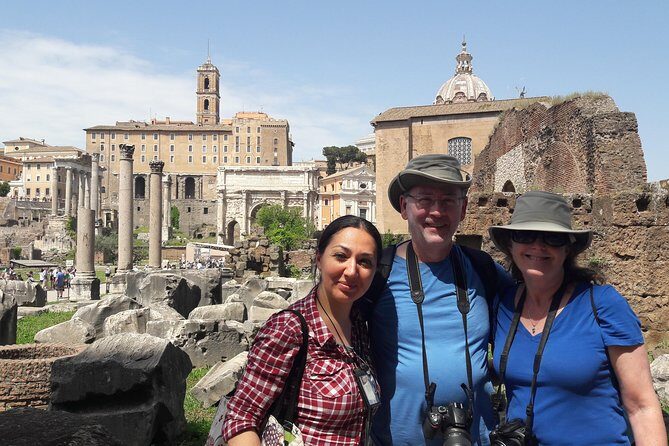
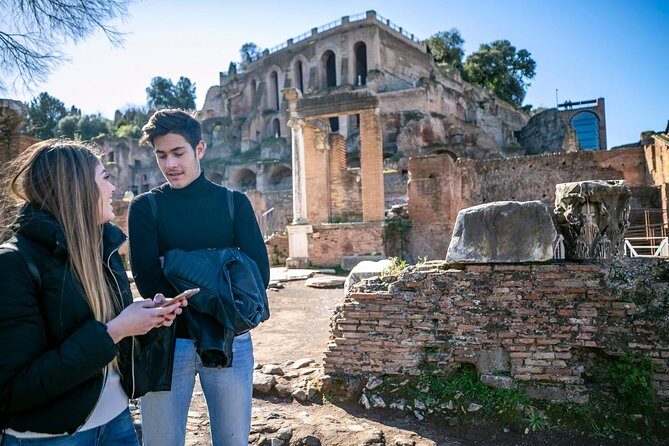
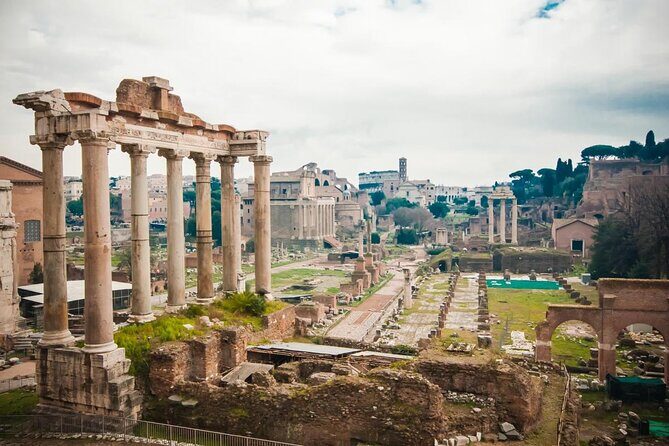
After the Colosseum visit, you head to the Roman Forum. The Forum is the main square of Ancient Rome—less a single building and more a whole network of political, religious, and social spaces. With a guided walk, it’s easier to connect the dots between monuments that can look similar if you’re just reading labels.
Your guide takes you through major landmarks that shaped Roman life and authority. Expect time around:
- Senate House
- Temple of Vesta
- Temple of Saturn
- Altar of the Divine Julius Caesar
- Temple of Gemini
- Basilica Emilia
- Arch of Septimius Severus
…and more in the surrounding area.
This part of the experience is where the tour shifts from spectacle to systems. The Colosseum explains Rome as performance; the Forum shows Rome as government and belief. You’re also in a place where you can sense movement—what routes people might have taken between ceremonial and civic spaces.
The best value in doing this with a dedicated guide is orientation. The Forum can feel like “big ruins everywhere” if you don’t know what you’re looking at. With a guided plan, you can understand why each stop matters: what power lived here, what was worshipped, and why it would have mattered daily.
Admissions are included for this section too, so the time you spend here is mostly about seeing and learning, not managing ticket steps.
Palatine Hill and the Capitol Hill finish: Michelangelo’s square and Marcus Aurelius

The third stop is Palatine Hill, and it ends on the Capitol Hill area. That matters because Palatine and Capitol are both tied to Rome’s top layers of myth, status, and religion. You’re shifting from the public civic heart (Forum) into a more elite, identity-heavy zone.
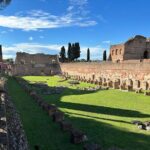
On Palatine Hill, you’ll get guided context using graphic reconstructions and visual tools—the kind of help that makes the hill stop being an abstract viewpoint and start feeling like a lived-in neighborhood. Think: where important spaces were, why people would seek higher ground, and how Roman leaders used places like this to anchor power.
Then you wrap at the Capitol area with two standout points:
- the square designed by Michelangelo
- the Statue of Marcus Aurelius
This is a strong way to end, because it gives you a comparison point: you’re looking at modern Rome’s framing of ancient greatness, while also catching the continuity of symbolism. Even if you’re not a “statue person,” Marcus Aurelius is worth seeing because it ties directly to the long afterlife of Roman imagery.
Guide style: asking questions and using reconstructions that actually help
The difference between an okay ruin tour and a great one is how well the guide translates. Here, the tour leans on visual aids—graphic reconstructions and visual tools—to help you see what you’re missing.
In a previous experience with this tour, Thomas stood out for using photos to show what each site probably looked like back then. That’s not just fun trivia. It changes the whole feel of the visit. When you can picture how the space looked in use, you stop guessing and start understanding.
One practical consideration from the same guide experience: there can be delays if ticket issues pop up for a guide. If your schedule is tight, I’d still plan buffer time before your next event. Private tours are flexible, but time in the Roman ticket ecosystem isn’t always fully controllable.
Other Palatine Hill tours we've reviewed
Price and value: what you’re paying for in a 3-hour private tour
At $346.12 per person, this isn’t the cheapest way to hit the classics. But the value equation changes when you look at what’s included and how the time is used.
You’re paying for:
- Private guide attention (not shared pacing)
- admission for the main sites you’re visiting during the tour
- a structure that keeps the big hits together in about 3 hours
That private piece matters if you’re the kind of traveler who asks follow-up questions or wants more context than a quick highlights pass. It’s also useful if you want to tune the tour toward your interests—politics, religion, architecture, or simply how these places worked.
Is it worth it for everyone? If you’re happy with audio guides and a self-paced loop, you may find less expensive options easier on the budget. But if you want your visit to feel coherent—Colosseum leading into the Forum leading into the Palatine/Capitol arc—this setup is built for that.
Also, it’s been booked with an average lead time of about 61 days. That doesn’t guarantee availability, but it suggests people plan ahead for this kind of timed, ticketed private experience.
Logistics that affect your entry (and how to avoid headaches)
This tour is straightforward once you’re set up with the right paperwork. Here are the key things you should do before you go:
- Send full traveler names exactly as required. If the names don’t match what’s on your ticket/voucher, you can get denied entry at the Colosseum and Roman Forum.
- Bring a valid passport or ID document that matches the name used for booking.
- Expect moderate physical fitness needs. The ruins are spread out, surfaces can be uneven, and you’ll be walking through outdoor areas.
You’ll use a mobile ticket, and the meeting point is near public transportation at Via dei Fori Imperiali. The tour ends back at the meeting point, which makes it easier to plug back into your day without guessing where to go next.
Who this private tour is best for
This tour clicks best if you:
- want a guided explanation rather than a quick scan of major landmarks
- prefer a relaxed pace where you can ask questions
- like seeing how the Colosseum connects to the political and religious core of Rome
- want an efficient 3-hour block that still feels like more than “checklist sightseeing”
It may be less ideal if you:
- want to spend long hours photographing every corner and don’t care about deeper context
- have very tight mobility limits, since ruins and walking can be demanding
Should you book this private tour?
If your priority is understanding what you’re seeing—how the Colosseum worked, how the Forum shaped daily life, and why Palatine/Capitol matters—then I’d book it. The private format helps you get orientation fast, and the included admissions keep you moving without ticket friction.
I’d pause if paperwork accuracy is hard for your group. This tour depends on names matching ID exactly. If you’re traveling with multiple people and you might mix up documents or spellings, sort that out early.
Overall, this is a smart choice for anyone who wants Rome’s top ancient stops in one guided arc, without losing time to confusion or rushing.
FAQ
How long is the private tour?
It runs for about 3 hours (approx.), with the main time split across the Colosseum, the Roman Forum area, and Palatine Hill/Capitol Hill.
Is admission included?
Yes. Admission tickets are included for the Colosseum, the Roman Forum/Ancient Rome stop, and the Palatine Hill/Capitol Hill portion.
Is this tour really private?
Yes. It’s a private tour/activity, and only your group participates.
Where do we meet?
The tour starts at Via dei Fori Imperiali, Roma RM, Italy.
Where does the tour end?
The activity ends back at the meeting point.
Do I get to choose a morning or afternoon time?
Yes. You can choose a morning or afternoon tour time to fit your schedule.
What documents do I need for entry?
You’ll need a valid passport or ID document that matches the name provided at booking. If the full names don’t match on the voucher/ticket before entry, entry may be denied.
Is the meeting point easy to reach?
Yes. The meeting point is near public transportation.
What fitness level do I need?
The tour lists a moderate physical fitness level recommendation.
What happens if I cancel?
This experience is non-refundable and cannot be changed for any reason.