REVIEW · ROME
Colosseum with Gladiator Arena, Forum and Palatine in Spanish
Book on Viator →Operated by EnRoma.com · Bookable on Viator
The Colosseum feels different when you enter the arena. I like that this Spanish tour gets you straight into the Gladiator Arena through the gladiator gate, and I also like the compact Palatine Hill + Roman Forum pairing in just about 3 hours. One thing to consider: you’ll need to get your details right for entry, since names on the tickets have to match your ID.
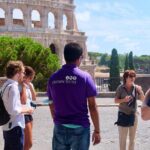
The big draw here is how the time is used. You’re not wandering on your own schedule. You’re moving as a small group, with admission built in, so you can spend your energy looking up (and taking in the scale) instead of wrestling with logistics at the gates. In the guide department, I’m seeing praise for a friendly, professional approach—one person specifically called out guide Tomás for humor and making the walk fly by—though, like any tour business, there can be occasional service hiccups, so I’d still show up early at the meeting point.
In This Review
- Key Things to Know Before You Go
- Spanish Colosseum Tour With Arena Access: The Big Idea
- Entering the Colosseum Through the Gladiator Gate
- Inside the Arena: What You’re Actually Getting
- Palatine Hill From Farnese Terrace to Flavia Palace Space
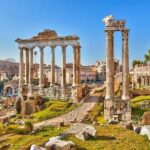
- Roman Forum Highlights Along the Via Sacra
- Mobile Ticket, Small Group Flow, and No-Line Style Access
- Price Check: Is $90.57 a Good Deal for 3 Sites?
- Who This Tour Suits Best (And Who Might Want Another Option)
- Potential Snags to Keep in Mind
- Should You Book This Spanish Colosseum, Palatine, and Forum Tour?
- FAQ
- What does the tour include?
- How long is the tour?
- Is this tour in Spanish?
- Where does the tour start and end?
- Is there a mobile ticket?
- What group size should I expect?
- What do I need for entry to the Colosseum and Roman Forum?
- FAQ
- Can I cancel and get a full refund?
- What’s not included in the price?
Key Things to Know Before You Go
- Gladiator-gate access: You enter the arena directly, which changes how the Colosseum reads in your mind.
- Small group size (max 20 people): The format is set up for a more personal pace than giant bus groups.
- Three major sites in ~3 hours: Colosseum interior, Palatine Hill, then the Roman Forum along the Via Sacra.
- Farnese Terrace viewpoint on Palatine Hill: You’ll get a high perspective over the hill and the palace areas.
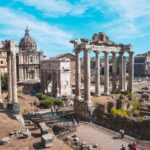
- Big Forum landmarks on a focused route: Temple of Antoninus, Curia, and triumph arches of Titus and Septimius Severus are called out.
- Mobile ticket + name/ID match: Full names must match your passport or ID to avoid entry problems.
Spanish Colosseum Tour With Arena Access: The Big Idea
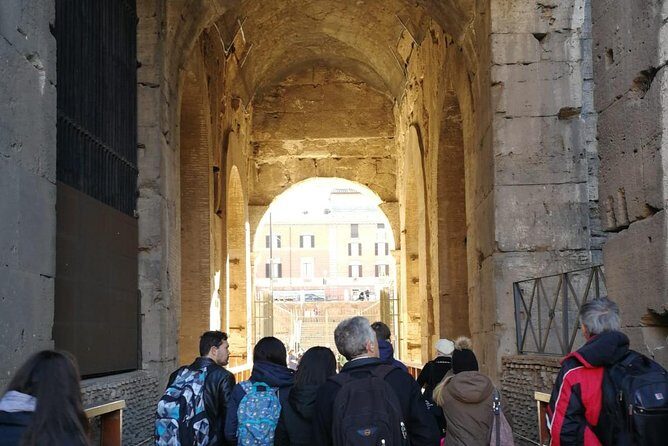
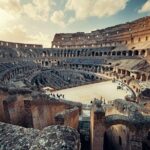
This is built for people who want the Colosseum experience to feel hands-on, not like a distant photo stop. Instead of treating the arena as something you look toward, you actually step into the arena space. That single detail makes the Colosseum more understandable fast: you can picture where fighters stood, where the crowd pressure would land, and how the stadium geometry works.
The tour also stitches together the story of Rome. After the arena, you move to Palatine Hill, then to the Roman Forum—the political and ceremonial heart. It’s a logical arc: power and spectacle in the Colosseum, then origins and governance on the hills and plazas nearby.
And because it’s in Spanish, it’s a great fit if you want commentary in a language you’re comfortable with. If Spanish is in your comfort zone, you’ll get more out of the explanations without constantly switching back to your translation app.
Other Forum, Palatine & Colosseum combo tours we've reviewed
Entering the Colosseum Through the Gladiator Gate
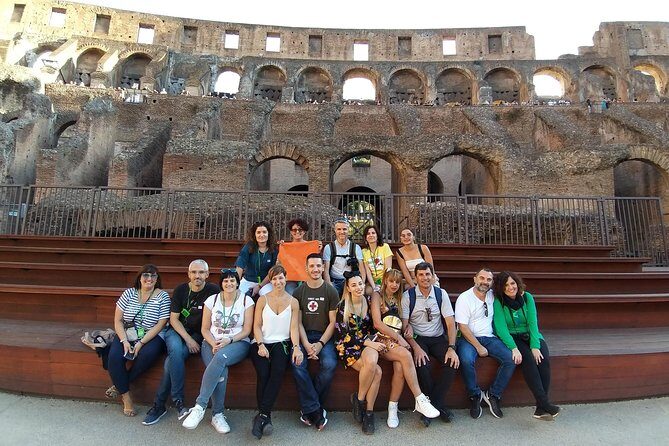
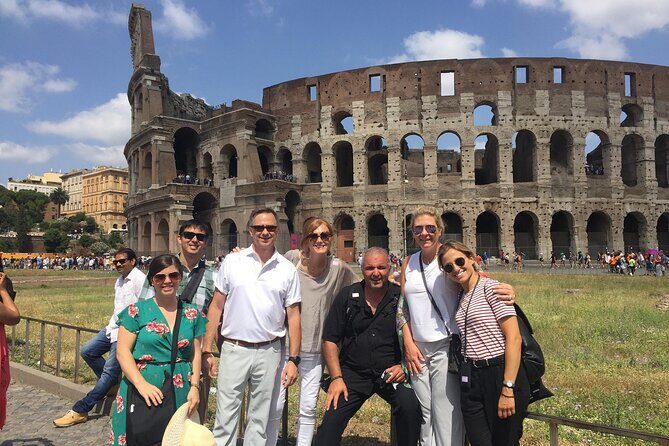
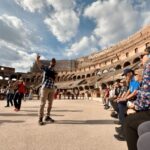
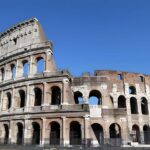
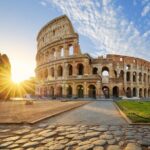
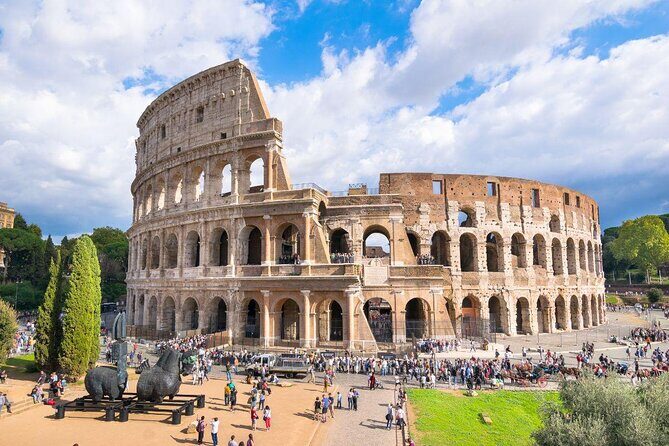
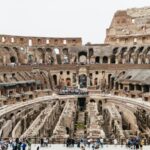
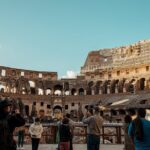
The Colosseum stop is where this tour earns its ticket. You enter the interior and go straight in for the arena experience, using the gladiator gate route.
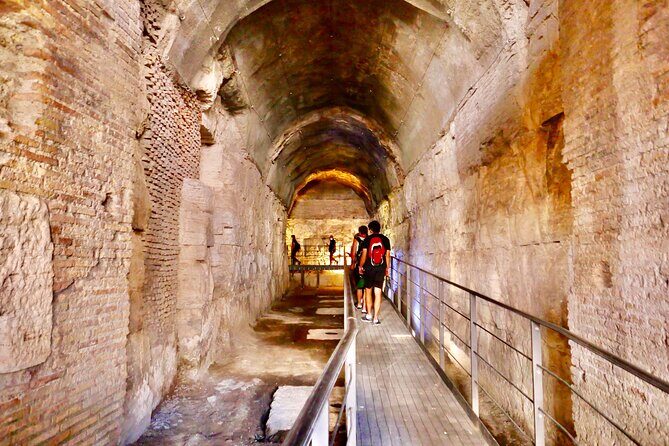
Why that matters: the Colosseum can feel like a giant bowl from the outside—cool, but still abstract. Once you’re inside and can see the arena floor and the circulation of entrances, the building becomes practical to understand. You start noticing scale, sightlines, and how people would have moved during an event.
You’ll have about 1 hour at this first stop. That time window is long enough to walk, orient yourself, and listen without feeling rushed into the next site instantly. Just remember that the Colosseum area can be busy, even if this tour is designed to avoid long waits.
Inside the Arena: What You’re Actually Getting
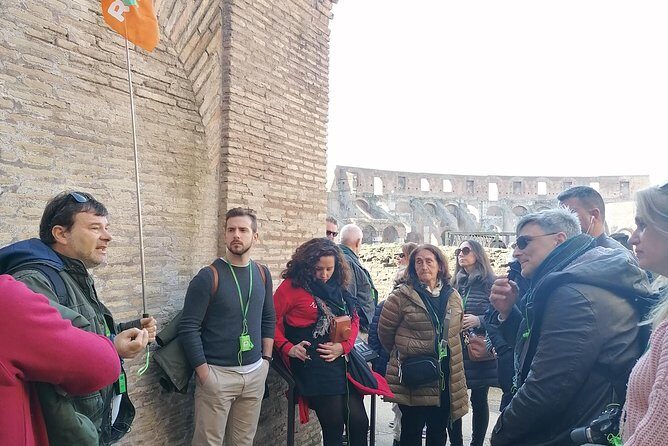
The tour pitch says you’ll live a unique experience in the arena. Here’s what that usually means in real terms for your visit:
- You’ll get closer to the action zone, not just a viewpoint.
- The guide’s explanations can land because you’re standing where the story is meant to happen.
- You can connect architectural details to the way events played out.
The Colosseum interior layout is confusing if you’re moving alone. With a guide, you’re not just looking at stone—you’re getting a map in your head.
Also, I’m paying attention to the guide experience here because it’s one of the most praised parts. One standout comment praised Tomás for being friendly and funny while staying professional. If you get that kind of guide energy, the arena hour can feel less like a lecture and more like a guided walk where you keep wanting to look again over your shoulder.
Possible drawback: even with a semi-private flow, you’ll still be in one of Rome’s most visited areas. That means plan for crowds around approach areas, and keep your patience handy if you hit a moment where foot traffic compresses near entrances.
Palatine Hill From Farnese Terrace to Flavia Palace Space
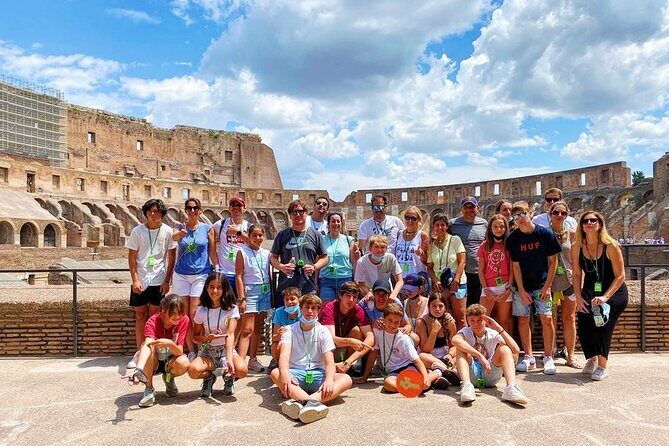
After the arena, you head to Palatine Hill for about 1 hour. The tour focuses on the spots where Rome’s story starts—then it connects those ideas to the Flavia dynasty palace areas, which are tied to the power image Rome wanted to project.
The highlight named in the route is the view from the Farnese Terrace. From a terrace viewpoint, you get a cleaner sense of the terrain than if you’re just moving street level. Palatine is a hill, so the perspective helps you understand how buildings relate to each other—and why people back then would treat this area as meaningful.
What I like about including Palatine right after the Colosseum is pacing. The Colosseum gives spectacle; Palatine gives context. It helps you shift from “Wow, scale” to “Okay, why here?”
One practical consideration: you’ll be walking. Even if the route is guided and structured, you’re still moving on uneven Roman surfaces. Wear shoes you trust.
Roman Forum Highlights Along the Via Sacra
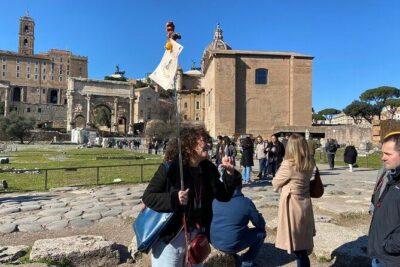
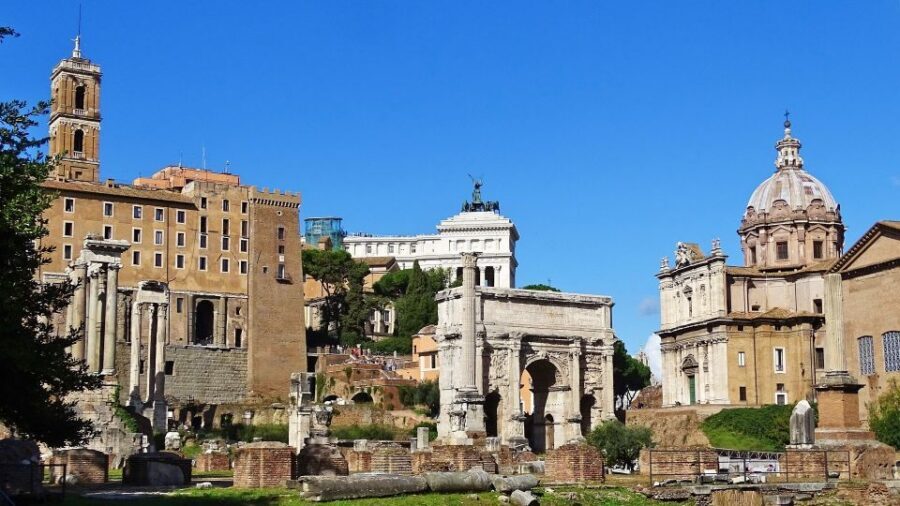
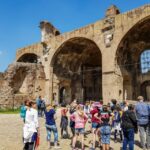
The final big stop is the Roman Forum, about 1 hour. This is where the tour turns from stone-and-views into place-and-meaning.
The route calls out a set of major landmarks so you know what you’re looking at:
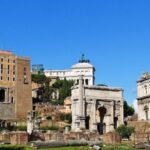
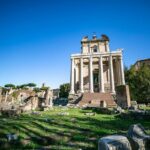
- Temple of Antoninus
- Curia
- Triumphal arches of Titus and Septimius Severus
- Plus the Via Sacra route through key ceremonial areas
- And the memory of the place where Rome gave its last greeting to Julius Caesar
That’s a solid mix because it covers different “jobs” the Forum had: religion, government, honor, and ritual memory. You’re not just checking boxes; you’re walking through the same kind of spine Romans used when they wanted to be seen by the state.
The Forum can feel overwhelming if you only have a map and a few minutes. On a structured guided route, you get a clearer narrative: what you’re standing near, why it mattered, and how the pieces connect.
A balanced caution: time is limited. One hour at the Forum is a lot for a guided tour, but you can’t expect to wander every side lane. If you’re the type who likes to linger in small corners and read every plaque, you might want to plan a slower return after the tour ends.
Other Palatine Hill tours we've reviewed
Mobile Ticket, Small Group Flow, and No-Line Style Access
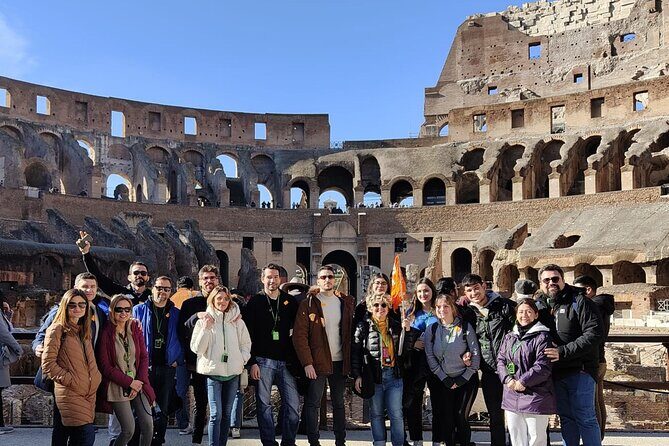
This tour uses a mobile ticket, which is convenient if you’re traveling light. Still, don’t treat it as an afterthought. The tour has strict entry requirements tied to identity.
You’ll need to provide the full names of everyone booking, and the names must match your passport or ID document. The info also warns that if the voucher isn’t presented with all names before entry at the ticket office, entry to the Colosseum and Roman Forum may be denied.
In plain terms: double-check spelling early. If you’re traveling as a pair, make sure both names are correct on the booking. It’s one of those Rome moments where one typo can cost you time.
On the group size: it’s capped at 20 people, and the description emphasizes very small-group movement and a semi-private feel. That usually translates into two benefits for you:
- Easier listening and fewer shoulder-to-shoulder squeezes
- Faster orientation so you spend more time seeing and less time figuring out where to stand
Price Check: Is $90.57 a Good Deal for 3 Sites?
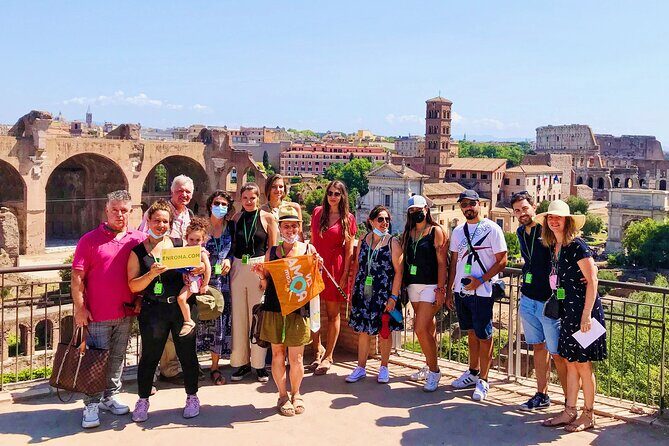
At $90.57 per person for around 3 hours, you’re paying for three things at once:
1) guided interpretation in Spanish,
2) admission to multiple major sites, and
3) a route that prioritizes arena access rather than only exterior views.
The admission ticket cost is included, which matters in Rome. With the Colosseum, Palatine, and Forum all bundled, you’re paying a single price for access plus guide time. If you were to buy entry tickets and then try to do interpretation on your own, you’d likely spend extra time hunting info and repositioning yourself.
Is it the cheapest option in town? Probably not. But it’s aiming at value you can feel: fewer wasted hours, better flow, and a Colosseum experience that starts on the inside where it counts.
Also, booking about 43 days in advance on average is a hint that this tour sells steadily. If your dates are fixed, I’d plan to lock it in earlier rather than waiting for last-minute “maybe.”
Who This Tour Suits Best (And Who Might Want Another Option)
I’d point this one at you if:
- you want Spanish commentary rather than guessing through English audio
- you care about seeing the arena space, not only the exterior facade
- you like a structured plan that hits Colosseum + Palatine + Forum without stretching into a full day
- you prefer smaller groups for listening and movement
You might consider another option if:
- you want a super slow, unstructured “wander and read” pace at the Forum
- you hate walking on uneven surfaces
- you’re not comfortable syncing booking names with your passport/ID details
It’s a good middle-ground tour: big names, tight timing, and a clear route.
Potential Snags to Keep in Mind
No tour is perfect, and Rome can throw curveballs at even the best-run operations. One low-score experience included a report of a guide not arriving and confusion about the tour availability afterward. That doesn’t change the overall value of the tour for most people, but it does point to one simple action: be early at the meeting point and keep your confirmation details handy.
Also, entry rules are strict. If your names don’t match your ID, you could lose time or worse. Before you go, I’d do a quick check:
- names exactly as booked
- ID/passport with matching spelling
- mobile ticket ready to show
Should You Book This Spanish Colosseum, Palatine, and Forum Tour?
I think this is a smart pick if you want the Colosseum’s arena experience plus the Forum and Palatine storyline in about 3 hours. The gladiator-gate access and the Farnese Terrace viewpoint make this feel like more than a standard “see three stops” walk. And the strong feedback on guide personality—like the praise for Tomás—suggests you’re not just buying tickets; you’re buying a guide who knows how to keep it lively.
If you’re traveling with correct ID details, you enjoy guided pacing, and you want to spend your time where the action happened, book it. If your plan is flexible enough that you can handle a small operational risk, this is worth it for the arena-first approach and included admissions.
FAQ
What does the tour include?
The tour includes admission tickets for the Colosseum, Palatine Hill, and the Roman Forum, plus all fees and taxes.
How long is the tour?
It runs for approximately 3 hours.
Is this tour in Spanish?
Yes, the tour is described as an exclusive visit in Spanish.
Where does the tour start and end?
It starts at Largo Corrado Ricci, Roma RM, Italy, and ends at Colosseum, Piazza del Colosseo, 1, 00184 Roma RM, Italy. You can stay at the Colosseum after the tour if you wish.
Is there a mobile ticket?
Yes, the tour uses a mobile ticket.
What group size should I expect?
The maximum group size is 20 people.
What do I need for entry to the Colosseum and Roman Forum?
You must present a valid passport or ID document that matches the full names provided at booking. If the voucher with all travelers’ full names isn’t presented before entry, entry may be denied.
FAQ
Can I cancel and get a full refund?
You can cancel up to 7 days in advance for a full refund. If you cancel less than 7 full days before the start time, the amount paid won’t be refunded.
What’s not included in the price?
Lunch and bottled water are not included.