REVIEW · ROME
Private Tour of the Colosseum Forums Palatine Hill & Ancient Rome
Book on Viator →Operated by Private Tours of Rome · Bookable on Viator
Three sites, one focused run through Rome.
I like the private flow that helps you dodge the worst crush, and I like having an art-historian guide keep the story clear from stone to stone. One real consideration: entry is strict, and the experience is non-refundable, so make sure the full names and ID details you provide match what you bring.
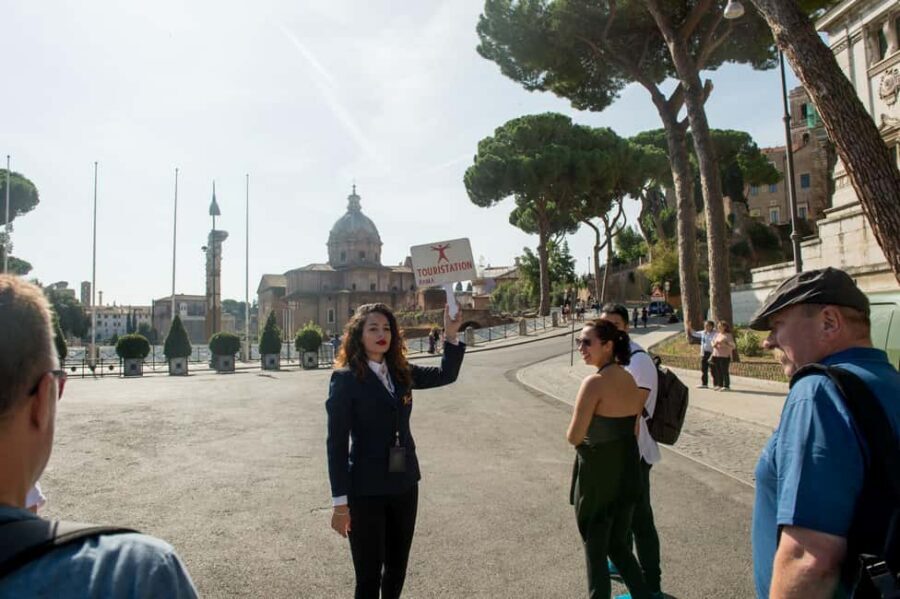
You’ll start at Piazza del Colosseo, 23, and finish back at the meeting point after about 3 hours. The tour uses a Blue Badge guide plus a professional art historian guide, and it’s set up as a private group with a mobile ticket. If you’ve got a flexible attitude, you’ll enjoy it; if you hate rules, it may feel a bit “checklist-y” around the ticket office.
In This Review
- Key things that make this tour worth your time
- Private, half-day Rome: why this route makes sense
- Entering the Colosseum: scale you can feel, not just read
- Roman Forum (Foro Romano): the political center, made readable
- Palatine Hill and the Capitol: views plus a bigger city picture
- How the graphic reconstructions and visuals help (and where they shine)
- Guide quality: energy and Q&A make or break it
- Tickets and what the price really buys you
- Getting the most from it: what to do before you arrive
- Who should book this private Colosseum–Forum–Palatine tour
- Should you book it? My practical take
- FAQ
- How long is the private tour?
- Where is the meeting point?
- Is this a private tour?
- Are entrance tickets included?
- What sites are covered?
- How far in advance is it commonly booked?
- Do I need to bring a mask?
- What should I wear?
- What happens if my name or ID details don’t match the booking?
- Can I cancel or change the booking?
Key things that make this tour worth your time
- Private pacing means more time to ask questions instead of racing the crowd
- Historian-led explanations connect monuments you might otherwise see as disconnected ruins
- Colosseum specifics like the Flavian amphitheater details and its huge scale are brought to life
- Roman Forum stop-by-stop highlights include major temples and set pieces you’ll remember later
- Palatine Hill viewpoints wrap the day with Rome spread out in front of you
- Graphic reconstructions and visual tools help you picture what’s missing from the ruins
Private, half-day Rome: why this route makes sense
Rome can overwhelm you fast. You’ll see plenty of big-ticket sights, but without a plan they turn into a blur of walking, photos, and guesswork.
This tour works because it strings together three UNESCO World Heritage areas into one logical walk: the Colosseum, the Roman Forum, and the Palatine Hill. You go from public spectacle to political life to the elite neighborhood above it. The result is you’re not just collecting landmarks—you’re building a mental map of how ancient Rome functioned.
Private also matters here. These sites are popular for a reason, and crowds can flatten your experience. With a private setup, you can move with purpose and ask the questions that usually get swallowed up in group tours.
Other Roman Forum tours we've reviewed
Entering the Colosseum: scale you can feel, not just read
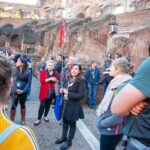
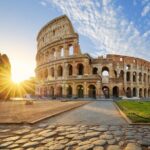
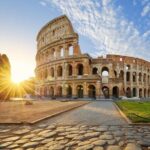
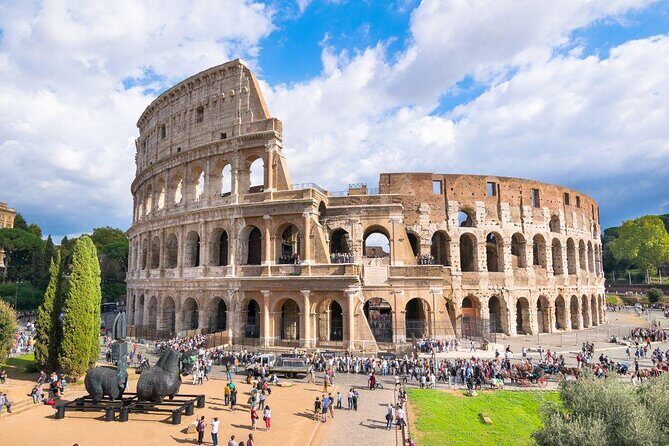
The tour begins at the Colosseum entrance at Piazza del Colosseo. From the start, your guide frames the building as the Flavian amphitheater—the original name—and you’ll hear the facts in a way that makes them stick.
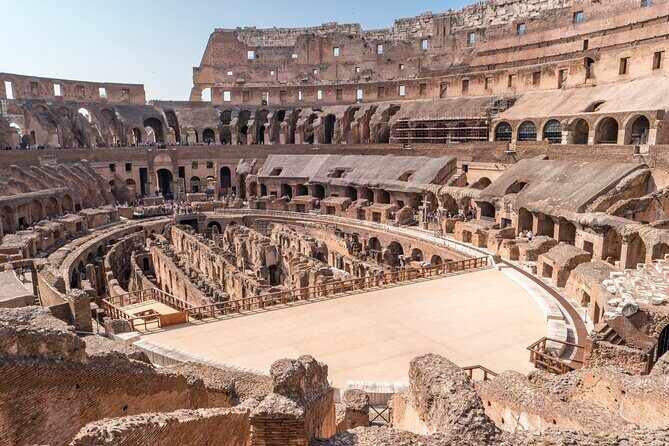
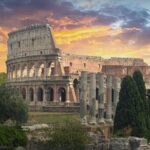
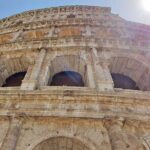
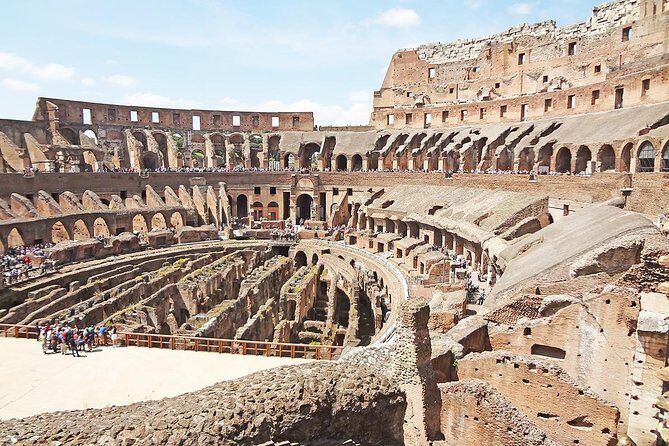
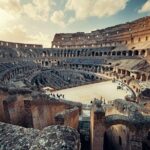
Inside, you’ll focus on the amphitheater’s sheer capacity and design. This is the massive arena that could hold more than 50,000 spectators, with 80 entrances. Standing there, those numbers stop being trivia. They explain why the place still feels huge even in ruin: it was built for traffic flow, not quiet contemplation.
What I like most about this stop is that you’re not left to interpret the stones on your own. A guide can point out what to look for first, then add the stories that make the layout meaningful. If you’re the type who likes architecture and structure—how people moved, where they gathered, why the building is shaped the way it is—this is where you’ll get payoff fast.
Practical note: wear comfortable shoes. Even if the visit is “about an hour,” the Colosseum area has uneven surfaces and plenty of walking.
Roman Forum (Foro Romano): the political center, made readable
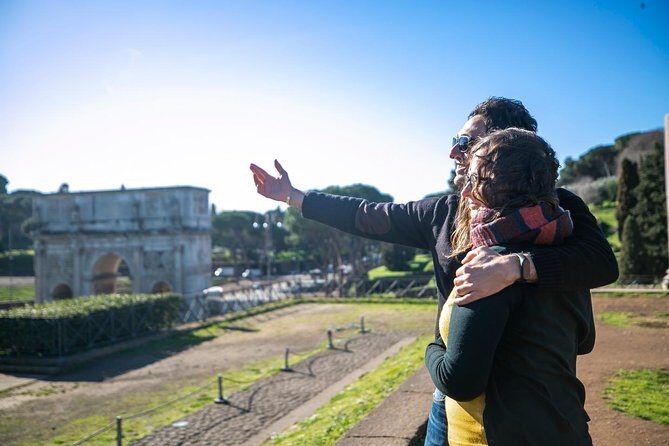
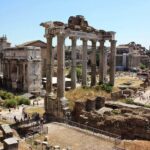
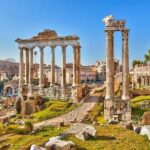
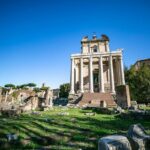
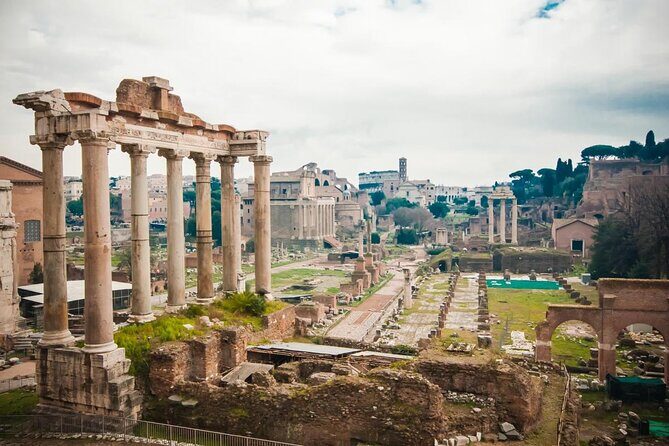
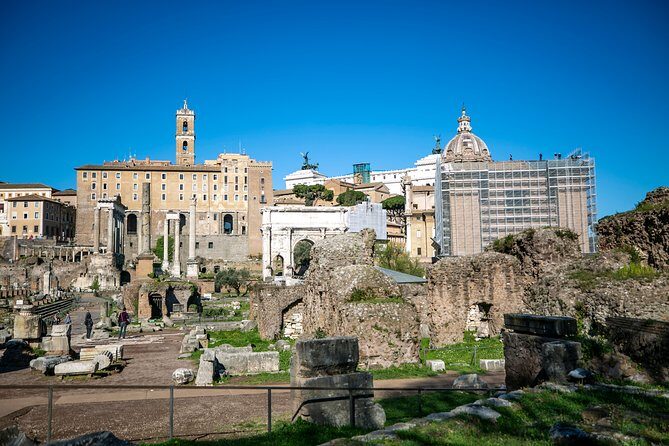
After the Colosseum visit, you move to the Roman Forum—the main square of ancient Rome. This is one of those places that can feel confusing if you only glance at it. The Forum isn’t a single building; it’s a dense cluster of power, religion, courts, and civic life layered over time.
This stop is built around that idea: your guide takes you from set piece to set piece so you can keep track of what you’re seeing and why it mattered.
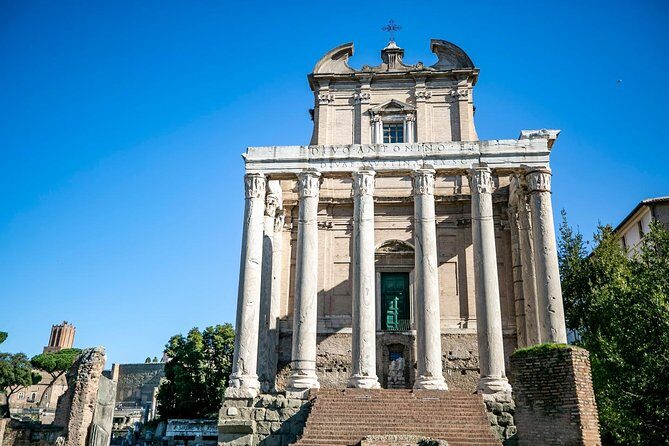
You’ll visit landmarks including the Senate House, the Temple of Vesta, and the Temple of Saturn. You’ll also see the Altar of the Divine Julius Caesar, the Temple of Gemini, and the Basilica Emilia. On top of that, you’ll be shown the Arch of Septimius Severus and other highlights along the route.
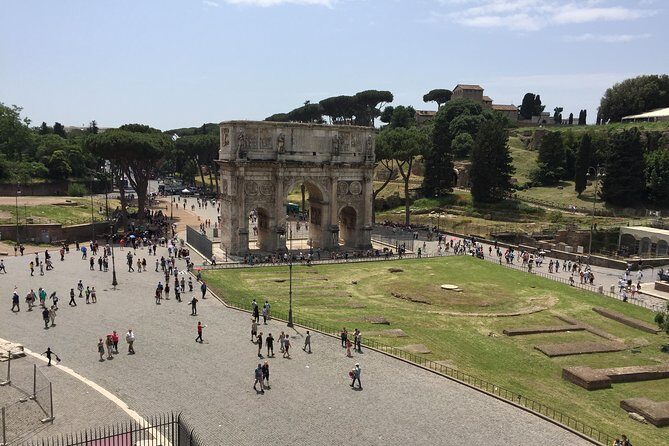
And yes, you’ll get the Arch of Constantine as part of the broader Forum story. When a guide connects these structures into a timeline of civic power, the place starts to feel like a living map instead of a pile of foundations.
A common issue at the Forum is that people rush for photos and lose the plot. Here, the pacing is aimed at understanding: your guide’s job is to help you connect what you see with what it was used for. If you enjoy asking questions, this is the part where having a private guide can feel especially rewarding.
Palatine Hill and the Capitol: views plus a bigger city picture
The tour ends with the Palatine Hill area, which is a smart closing move. By now, you’ve seen Rome’s public face and its political center. Palatine gives you the sense that the city’s power wasn’t just government and crowds—it was also elite life above the rest.
Expect a viewpoint moment as you ascend, with the city spreading out so you can understand distances and positions. This is also where the tour connects to broader Rome imagery: the day culminates on the Capitol Hill area, connected with the temples of the most important Roman gods.
You’ll see the square designed by Michelangelo and the Statue of Marcus Aurelius. That pairing matters. Michelangelo’s redesign helps you recognize how Rome’s Renaissance leaders shaped how the city is viewed today, while Marcus Aurelius gives you a clear anchor point in what’s still present and honored.
If you like a clean finish—something that helps you leave with your bearings—this last segment does the job. The views don’t just look good; they help you stitch together the earlier stops.
How the graphic reconstructions and visuals help (and where they shine)
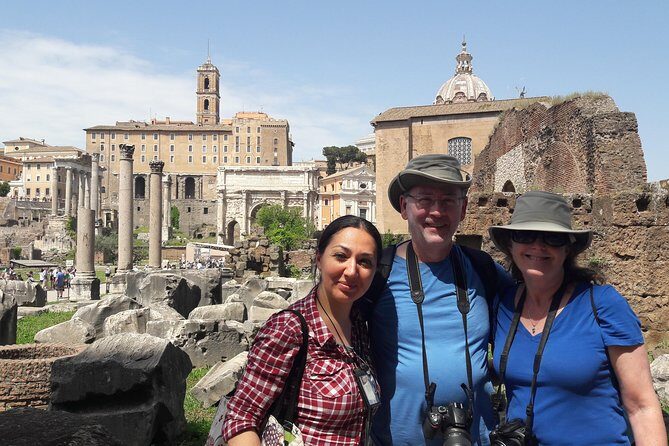
One of the most useful claims about this tour is that it uses graphic reconstructions and visual tools to bring ancient Rome back to viewable life. That matters because ruins are exactly what they look like: missing chunks of buildings and softened edges over centuries.
When a guide overlays what used to stand there with what’s left now, your brain stops doing guesswork. You can start to picture how crowds moved, where key ceremonies took place, and what the skyline might have looked like.
This kind of explanation shines in the Colosseum and Forum, where the modern landscape can make it hard to understand original design. It can also help on the hills, where perspective changes everything and you’re trying to understand the city’s structure rather than just reading plaques.
Other Palatine Hill tours we've reviewed
Guide quality: energy and Q&A make or break it
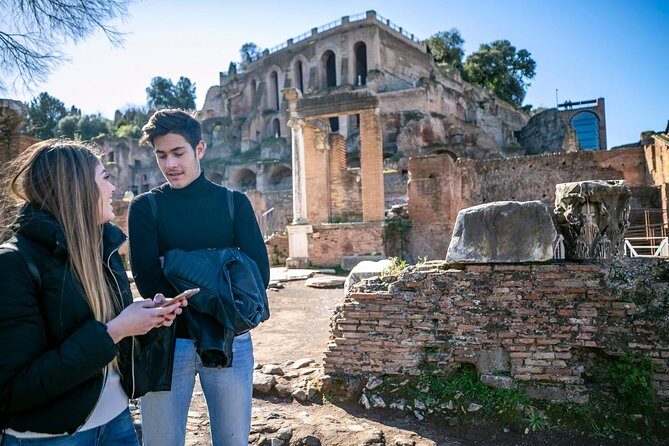
The tour is built around a professional art historian guide and a Blue Badge guide. That combination usually means you’re not just hearing general facts—you’re getting interpretation tied to the physical sites.
From past experiences with guides connected to this tour, two names come up often: Claudia, praised for being energetic and passionate about Rome’s history, and Tomaso, recognized for strong historical knowledge and for answering questions. You won’t necessarily get either person, but it gives you a sense of what the experience is aiming for: active explanations, not a silent walk.
If you want a tour where you can ask, pause, and get answers that actually fit the question, a private format here is a big advantage.
Tickets and what the price really buys you
The price is listed at $342.77 per person, for an experience about 3 hours long. It’s private, so that price covers more than just museum entry.
You do get admissions included for the Colosseum, with the tour listing noting €18 for the entrance ticket and €2 for the reservation fee. That means the actual ticket fees are only a small portion of what you’re paying. The rest is paying for your guides, private routing, and the guided storytelling that helps you see more than the bare outlines.
When I look at value for a tour like this, I ask: will you use the time well, and will you get your money’s worth in understanding? If you care about history, architecture, and how the sites connect, this tour is priced like a guided education plus a controlled sightseeing pace.
If your style is “show me the photo spots and let me wander,” you might feel the cost is heavier than you want.
Getting the most from it: what to do before you arrive
This tour has a few rules that are worth treating seriously, because they directly affect entry.
First: bring your own mask. Social distancing has to be maintained. The tour also specifies you must present a valid passport or ID document that matches the name provided at booking.
Most important: you need the full names of all travelers, and the voucher with all names must match what you present at the ticket office prior to entry. If the names don’t line up, entry to the Colosseum and Roman Forum may be denied. That’s not the moment to improvise.
Also plan for smart casual clothing. Comfortable shoes are still your best friend, since you’re walking across multiple major sites in a short window.
Who should book this private Colosseum–Forum–Palatine tour
This tour fits best if you want three top Rome sights tied together by explanation. It’s also a good match if you prefer a paced visit over a checklist scramble.
You’ll likely enjoy it if:
- you like history that connects monuments into one story
- you want architecture and planning explained in plain terms
- you’d rather ask questions than read your way through ruins
- you want to end with a viewpoint moment that helps you orient yourself
It might be less ideal if you dislike guided time limits. At around three hours, you’re not getting a full-day immersion in every corner, so you’ll want to be comfortable with a focused route.
Should you book it? My practical take
If you want the most efficient way to see the Colosseum, Roman Forum, and Palatine Hill with real context, this is a strong option—especially in a private format where you can keep up with the story instead of fighting the crowd.
Book it if you’re serious about understanding what you’re seeing and you appreciate a historian guide who can answer questions on the spot. Skip it if you only want a quick photo sweep and you’d rather plan the connections yourself.
One final nudge: because it’s non-refundable and entry requirements are strict, make sure your names and ID details match perfectly before you go. If you handle that part carefully, the experience is set up to give you a clear, memorable arc through ancient Rome.
FAQ
How long is the private tour?
It runs for about 3 hours.
Where is the meeting point?
You meet at Piazza del Colosseo, 23, 00184 Roma RM, Italy.
Is this a private tour?
Yes, it’s private, and only your group participates.
Are entrance tickets included?
Yes. The Colosseum entrance ticket and reservation fee are included.
What sites are covered?
You visit the Colosseum, the Roman Forum (Foro Romano), and Palatine Hill, ending on the Capitol Hill area.
How far in advance is it commonly booked?
On average, it’s booked about 14 days in advance.
Do I need to bring a mask?
Yes. You have to bring your own mask, and social distancing must be maintained.
What should I wear?
The dress code is smart casual.
What happens if my name or ID details don’t match the booking?
Full names must match the voucher, and your passport or ID must match the name provided. If not, entry to the Colosseum and Roman Forum may be denied.
Can I cancel or change the booking?
No. The experience is non-refundable and cannot be changed for any reason.