REVIEW · ROME
Small-group Colosseum, Forum and Palatine Guided Tour
Book on GetYourGuide →Operated by Gray Line I Love Rome · Bookable on GetYourGuide
Gladiator sights, explained for real. This small-group Colosseum, Forum and Palatine guided tour keeps things personable with a maximum of 10 people, and your English guide ties the ruins to how Rome actually worked. The tradeoff: it moves, and security lines can squeeze the time you’d hope for.
I like that the route covers three major stops—Colosseum, Roman Forum, and Palatine Hill—in just 3 hours, so you’re not spending your day hopping between half-finished plans. You also get a practical sense of where the stories fit, from the Arch of Constantine photo stop to the viewpoints over the Forum Boarium and the River Tiber. Just keep your expectations realistic if you want to linger for ages in every corner.
If you’re the type who likes answers to the big questions (who built it, why it mattered, what it looked like), this is a strong fit.
In This Review
- Key Things I’d Focus On Before You Go
- Meeting Up at Colle Oppio Park (and What Optional Pickup Really Means)
- The Arch of Constantine Stop: A Quick Win for Getting Oriented
- Entering the Colosseum: What You’ll See and How to Make It Count
- Roman Forum: Political Power, Temples, Basilicas, and Real Context
- Palatine Hill: Myth, Imperial Opulence, and the Best View Payoff
- How a Max-10 Group Changes the Feel
- Timing, Lines, and Why the Tour Can Feel Fast
- What to Bring (and What Will Get You Stuck at Security)
- Who This Tour Suits Best (and Who Should Think Twice)
- Value for Your Time in Rome (What You’re Really Paying For)
- Should You Book This Colosseum, Forum and Palatine Small-Group Tour?
- FAQ
- How long is the Colosseum, Roman Forum and Palatine Hill small-group tour?
- What group size and language should I expect?
- Where do I meet the guide?
- Is hotel pickup available?
- What identification do I need to bring?
- What should I wear and what items are not allowed?
- Is the tour suitable for wheelchair users, pregnancy, or mobility impairments?
Key Things I’d Focus On Before You Go
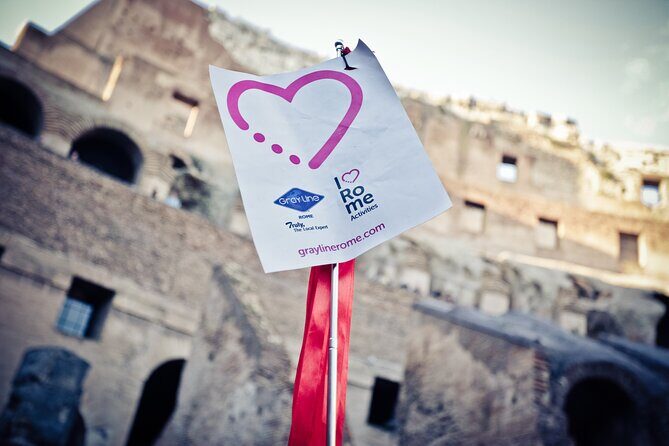
- Max 10 people means the tour doesn’t feel like a school bus stop
- English live guide connects the big landmarks to daily Roman life
- Full route in 3 hours: Colosseum → Roman Forum → Palatine Hill
- Forum viewpoints at the end help you understand the layout fast
- Security checks can slow entry, even when you’re on a guided schedule
- Passport required for entry, plus ID and full names
Meeting Up at Colle Oppio Park (and What Optional Pickup Really Means)
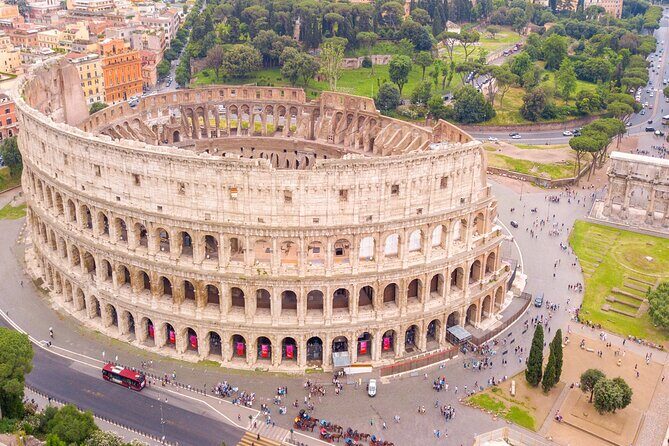
This tour gathers at Colle Oppio Park, inside the park at the corner of Via delle Terme di Tito and Via Nicola Salvi. You should arrive about 15 minutes before the start time and look for staff holding the I Love Rome logo.
Pickup is optional, and it’s easiest when your hotel is in the covered area. If it is, you’ll be asked to wait in the hotel lobby about 45 minutes before departure (and 60 minutes for non-central hotels). If your hotel isn’t covered, you’ll need to make your own way to the meeting point, which is common with Rome walking-and-screening routes.
One small tip: build in buffer time. Even on a “scheduled” tour, heightened security can cause delays.
Other Forum, Palatine & Colosseum combo tours we've reviewed
The Arch of Constantine Stop: A Quick Win for Getting Oriented
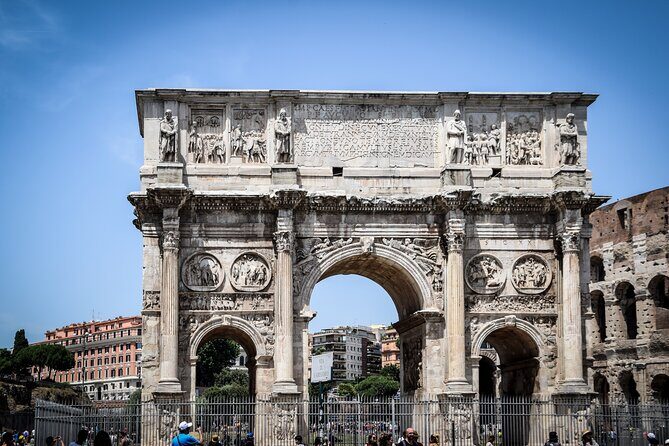
Right after you start, you’ll visit the Arch of Constantine. This isn’t usually the main event for people, but it’s a smart setup stop. It helps you orient your brain before you hit the scale of the Colosseum.
Think of it as your visual warm-up: arches, axes, and monuments were how Rome guided movement and meaning through the city. If you’re paying attention here, the rest of the ruins make more sense once you’re among them.
Entering the Colosseum: What You’ll See and How to Make It Count
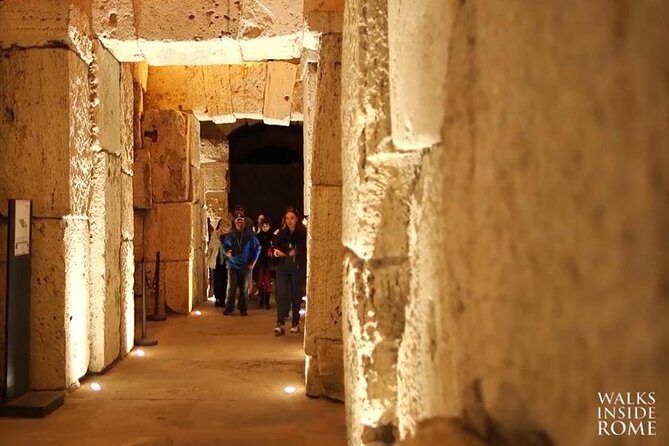
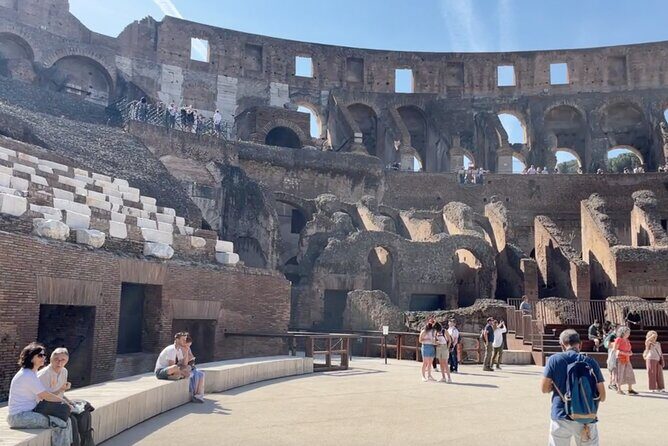
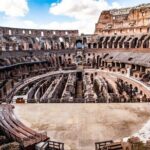
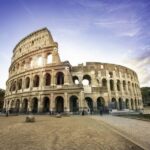
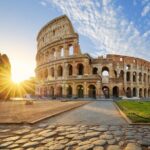
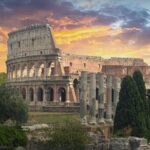
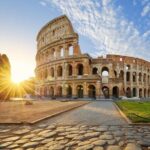
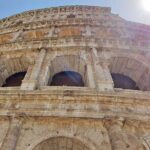
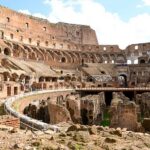
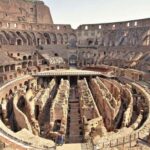
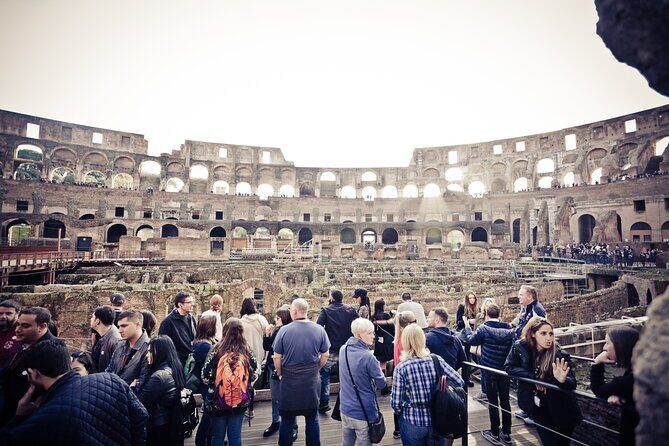
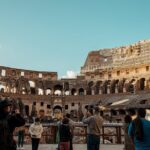
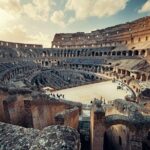
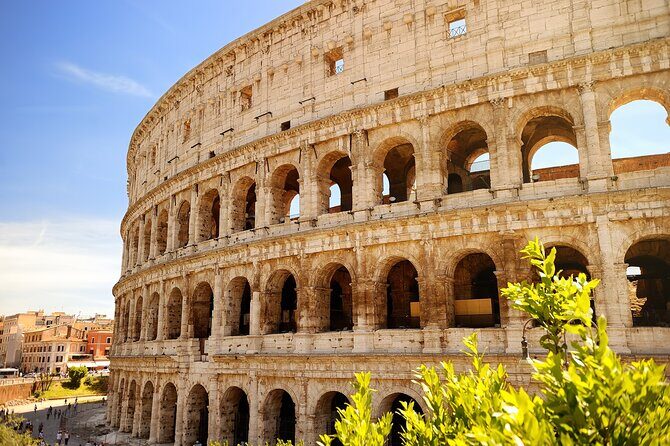
The Colosseum is the headline, and you’ll spend time there with your guide leading the story. Expect explanations tied to the site’s architecture and historical significance—the kind of information that helps you look past “wow, big stadium” into why it was designed the way it was.
Here’s the practical part. Several details can affect your pacing inside:
- Security screening can add waiting time.
- Some tours still feel fast even if the experience is excellent.
- You may not see every small exhibit area if the group needs to keep moving.
One review noted the Colosseum portion felt too quick due to long lines for entry and that some exhibits were missed. That doesn’t mean the tour is bad—it means you should be ready for the reality of live queues in Rome.
My advice: if you care about specific sections or exhibits, save extra time later in your day. A 3-hour guided route is great for getting the big picture fast, not for slowly reading everything at your own pace.
Roman Forum: Political Power, Temples, Basilicas, and Real Context
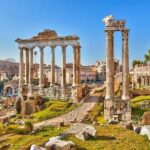
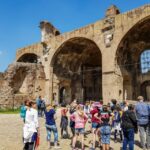
After the Colosseum, the tour heads into the Roman Forum, once the center of Roman public life. This stop is where the ruins often feel less like a single landmark and more like a whole lived environment.
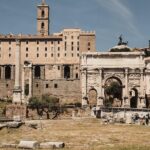
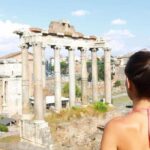
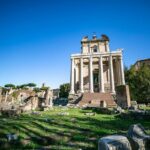
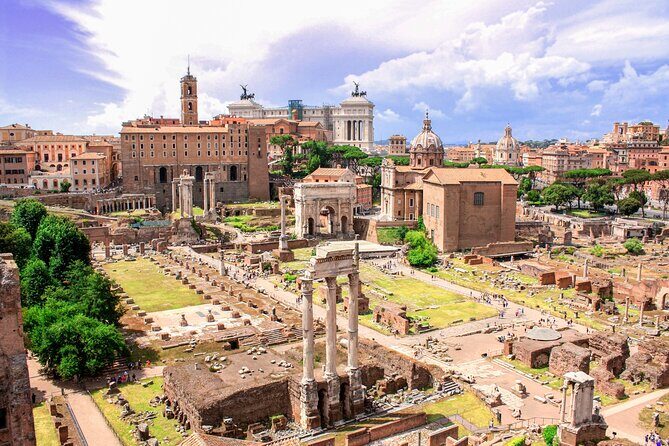
Your guide will point out what’s left of major structures such as temples, basilicas, and government buildings. The best part of the Forum experience isn’t just seeing stone. It’s understanding what those buildings were for—how announcements, debates, and ceremonies helped run the city.
One review said the Forum time felt too short in their group, with the tour moving quickly through the area. If you’re the kind of person who wants to linger and compare details (or you get pulled into side questions), keep your expectations flexible. You’ll still get the essential storyline, but it may not satisfy the “I want to study every corner” crowd.
How to get more from limited time: ask your guide one question that helps you connect the dots. For example, you can steer the conversation toward how the Forum’s purpose changed over time, since the ruins are layered with different eras.
Palatine Hill: Myth, Imperial Opulence, and the Best View Payoff
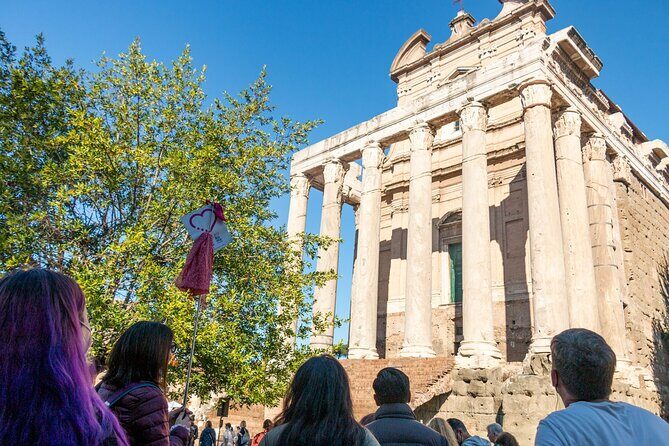
The final major stop is Palatine Hill. This is the part of Rome that often feels like a blend of legend and power.
You’ll hear about Rome’s mythical origins and the imperial past, with your guide explaining the “why” behind what you’re seeing. The hill is tied to stories of Rome’s legendary founders and emperors, and that narrative is what makes the viewpoint feel more meaningful.
The payoff is also practical: you get breathtaking city views from the area overlooking the Forum and beyond. The tour ends with a look at panoramas over the Forum Boarium and the River Tiber, which is an excellent way to understand the city’s layout in your head.
Palatine Hill also tends to be the point where your legs feel it. The tour notes moderate fitness is suggested, and the area can involve uneven ground and walking uphill. If you’re expecting a totally flat stroll, you’ll be surprised.
Other Palatine Hill tours we've reviewed
How a Max-10 Group Changes the Feel
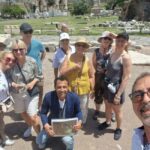
The small-group size is the tour’s biggest practical advantage. With up to 10 participants, you’re not stuck listening to history from ten steps behind a wall of shoulders.
This format usually means:
- Better chances to hear the guide clearly.
- More room for questions.
- A smoother pace between stops.
Multiple reviews praised the guides for being friendly and for delivering a lot of detail. One review highlighted that the guide took time with the explanation, and another described an early morning tour that explained everything well.
It’s also why this tour works well if you like your Rome to feel personal. You’re moving through the sites together, but you’re not swallowed by a huge crowd.
Timing, Lines, and Why the Tour Can Feel Fast
Rome’s security and entry procedures are real-world obstacles. Even on a guided schedule, you might still face waits—especially around the Colosseum.
One review specifically mentioned waiting in long lines even though they thought skip-the-line tickets were included. Whether or not that situation happens to you, it’s a reminder that the day can bend based on screening needs and group entry flow.
This tour is 3 hours, so it has to be efficient. That efficiency is a strength for first-timers, but it can feel rushed to people who want slow, museum-style exploration of every exhibit or courtyard.
Your best move: treat this tour as the framework. Use it to understand what you’re seeing and why it matters. Then, if you want, you can come back later to spend extra time where your curiosity pulls you.
What to Bring (and What Will Get You Stuck at Security)
Plan for a security-heavy day. Here’s what the tour specifically asks for:
- Passport or ID card (passport is mandatory)
- Comfortable shoes
- Bring your passport on tour day
- No luggage or large bags
- No trolleys and no glass bottles
- No cloakroom facilities, so don’t count on a place to stash items
- Pacemaker users need a certificate to bypass screening
Also note a requirement that catches people off guard: since October 18, 2023, you must provide your first name and surname, and full names matter for everyone in your group.
If you pack light, you’ll reduce stress at every checkpoint and keep the day moving.
Who This Tour Suits Best (and Who Should Think Twice)
This tour is a strong match if:
- You want an expert-led walkthrough across the Colosseum, Forum, and Palatine Hill.
- You like guided context (architecture plus story), not just photos.
- You prefer smaller groups over big crowd herding.
- You want to fit the “major Roman ruins” into a half-day plan.
It may be a poor match if:
- You’re pregnant.
- You have mobility impairments or need wheelchair access (it’s not wheelchair accessible).
- You want to linger for a long time at each location. The route is structured and moves.
If you’re unsure, think about how you handle walking uphill and uneven surfaces. Palatine Hill is often where the physical effort shows up.
Value for Your Time in Rome (What You’re Really Paying For)
There’s no magic when it comes to Rome: most visitors pay for access, interpretation, and time efficiency. For this tour, the value is in three things you can actually feel:
- Small-group size (max 10): you get attention and clarity.
- Live English guide: you’re not stuck guessing what each ruin was.
- Three-site sweep in 3 hours: you avoid the “we saw one thing and the rest is a blur” problem.
You’re also buying fewer unknowns. With a guided structure, you know where you’re going and what to pay attention to—especially in the Roman Forum, where the site can look like scattered stones until someone puts it back into a story.
The main value warning is pacing. If you’re the type who reads every panel and wants hours instead of a few stops, you might feel constrained by the schedule. In that case, plan extra independent time later.
Also, if flexibility matters in your itinerary, the tour offers free cancellation up to 24 hours in advance and reserve now, pay later, which can help if you’re juggling other Rome bookings.
Should You Book This Colosseum, Forum and Palatine Small-Group Tour?
I’d book it if you want a focused, guided route that covers the core landmarks and gives you enough context to make the ruins click. The max 10 size and the guide-led explanations are the big reasons to choose this over larger group options.
I’d skip or pair it with other time if you’re worried about delays and line waits, or if you know you want to slow down and see every exhibit area. One of the tour’s recurring themes is that it’s efficient, not leisurely—so your expectations should match its format.
If you’re ready for a lively, structured 3-hour overview of Ancient Rome’s power centers, this tour is a smart use of your time.
FAQ
How long is the Colosseum, Roman Forum and Palatine Hill small-group tour?
The tour runs for 3 hours.
What group size and language should I expect?
It’s a small group limited to up to 10 participants, and the live guide offers English.
Where do I meet the guide?
Meet at Colle Oppio Park (inside the park), at the corner of Via delle Terme di Tito and Via Nicola Salvi. You should arrive 15 minutes before the start time and look for staff with the I Love Rome logo.
Is hotel pickup available?
Optional hotel pickup is offered in some areas. You’ll need to be ready in the hotel lobby about 45 minutes before departure (or 60 minutes for non-central hotels). If your hotel isn’t covered, you’ll go to the meeting point yourself.
What identification do I need to bring?
Bring your passport or ID card, and note that a passport is mandatory on the day of the tour. Full first name and surname are also required.
What should I wear and what items are not allowed?
Wear comfortable shoes. In addition, the tour requests no luggage or large bags, no trolleys, and no glass bottles. There’s also no cloakroom facility.
Is the tour suitable for wheelchair users, pregnancy, or mobility impairments?
No. The tour is not wheelchair accessible and it isn’t suitable for pregnant women or people with mobility impairments.