REVIEW · ROME
Small-group Colosseum, Forum and Palatine Guided Tour
Book on Viator →Operated by Gray Line I Love Rome by Carrani Tours · Bookable on Viator
Three sites, one smooth plan for Rome. This small-group tour strings together the Colosseum, the Roman Forum, and Palatine Hill in about three hours, so you don’t waste daylight zigzagging across the city. You’ll get wireless headsets, licensed local guiding, and a tight route that still leaves room for questions with a group that maxes out at 10. Guides such as Alessandra, Juliano, Lina, Nicoletta, Rita, and Barbara have been praised for clear English and for turning stones-and-stairs into stories you can actually follow.
I especially like how much the tour focuses on understanding what you’re seeing, not just snapping photos. I also like the smart pacing: 1 hour inside the Colosseum, then shorter, high-impact stops on the Forum and Palatine so you can see the main lines without spending your whole day in queues. The possible drawback is simple: you’ll do a lot of walking and climbing stairs in heat and crowd levels that can be rough, plus Colosseum security can add delays.
In This Review
- Key things to know before you go
- Why this Colosseum–Forum–Palatine combo is so worth it
- What it feels like in a small group (and why you’ll care)
- Entering The Colosseum: ticketed, guided, and security-aware
- Stop 1: Colosseum highlights you’ll get (and why the guide matters)
- Stop 2: Roman Forum in 30 minutes without losing the plot
- Stop 3: Palatine Hill viewpoints and the Seven Hills connection
- Arch of Constantine: a quick, satisfying included stop
- Pickup and meeting point: the part that trips people up
- Price: what you’re really paying for at about $122.82
- Timing and pacing: afternoon starts and why they can work
- Walking, stairs, and security: plan like you mean it
- Which guide style will fit you best?
- Who should book this tour, and who should add time on your own
- Should you book this small-group tour?
Key things to know before you go
- Small group (max 10): you’re close enough to ask questions and not shout across a crowd.
- Wireless headsets: you can hear the guide clearly, even when you’re moving through noisy areas.
- Colosseum time is built in: about an hour for the inside highlights, with the entrance ticket included.
- Forum + Palatine are timed for impact: 30 minutes each, so you hit the big ideas and viewpoints.
- No ticket needed for the Arch of Constantine: it’s included as a free extra stop.
- Optional hotel pickup: available if your hotel is covered, otherwise you meet at Colle Oppio Park.
Why this Colosseum–Forum–Palatine combo is so worth it
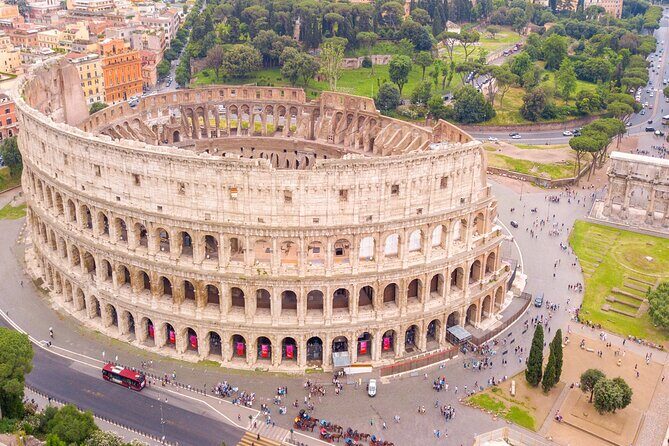
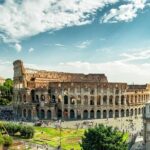
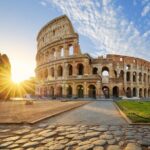
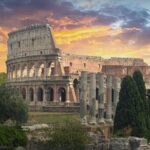
Rome’s ancient center can feel like a choose-your-own-adventure where everything is important and nothing is close together. This tour makes the choice for you. In roughly three hours, you cover the Colosseum, then the heart of old Rome (the Forum), then the Palatine Hill area that overlooks much of the action.
The value is in the route design. Instead of spending your energy figuring out entry timing, where to start, and how long you’ll need between sites, you follow a guide who knows how to keep the day moving. Add headsets, and you’re not constantly checking where the guide is or craning to hear over other languages.
Price-wise, it’s also easier to judge: the Colosseum entrance ticket and a reservation fee are explicitly included, and the rest of what you pay covers the guiding, headset system, and the service around getting you through the day efficiently. You’re not paying just for access; you’re paying to make the access useful.
Other Forum, Palatine & Colosseum combo tours we've reviewed
What it feels like in a small group (and why you’ll care)
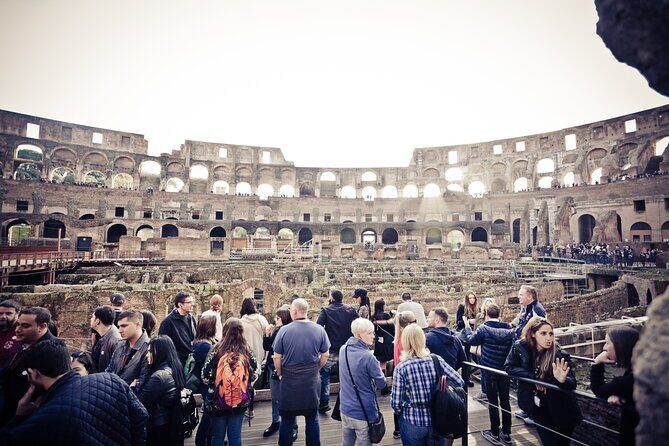
A lot of Rome tours advertise small groups, then act like it doesn’t matter. Here, the cap at 10 is the key detail. When you can actually hear yourself think, you ask better questions. And when you’re not stuck behind a wall of people, you notice more.
That matters at these sites because the best stories depend on angles and details: how a space was laid out, where you’re standing in relation to major buildings, and why certain parts mattered politically or socially. In this tour, the guide can point and explain while you’re still close enough to see what they’re describing.
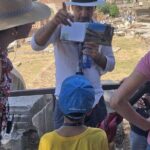
Headsets help a ton. Reviews often mention how clear the guide’s English was (including named guides like Alessandra and Juliano), and the headset system is what makes that clarity usable while you’re walking.
Entering The Colosseum: ticketed, guided, and security-aware
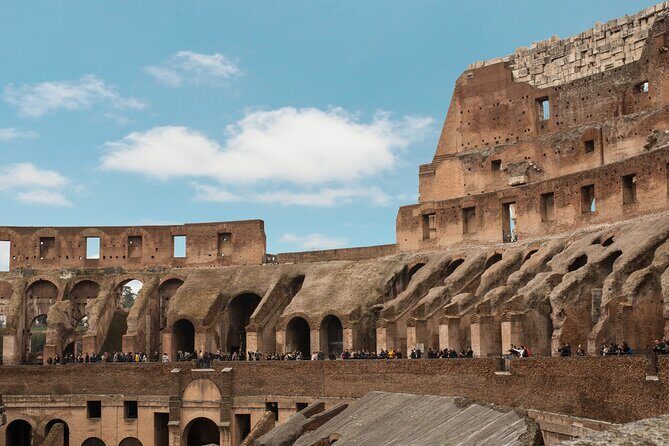
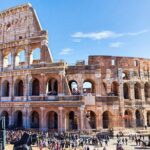
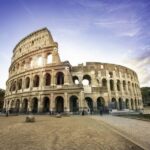
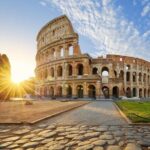
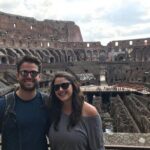
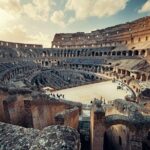
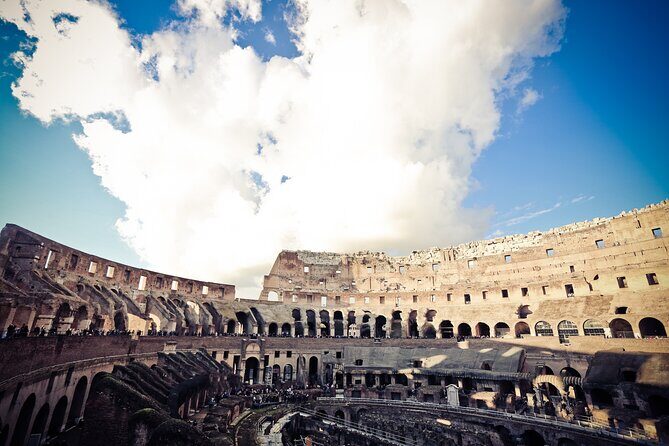
The Colosseum stop is about an hour, which is a sweet spot for first-time visitors. You get inside time long enough to understand the space, not just a quick pass through like you’re chasing a checklist.
Here’s what you should expect in practice:
- A guided walkthrough of what you’re seeing inside the arena and tiers area.
- Explanations that connect the building’s design to how events worked there.
- A rhythm that keeps the group moving without turning the visit into a race.
One more reality check: Colosseum security can slow things down. It’s a ticketed site with strict entry rules, so you may experience delays clearing security checks. Plan to arrive prepared and not show up with bulky bags, trolleys, or backpacks—those aren’t allowed. Also, if you have a pacemaker, you’ll need a certificate to bypass screening.
If you’re the type who hates wasting time in lines, this tour’s guided flow helps. You’re still going through security, but you’re doing it in an organized group rather than wandering on your own trying to guess where the entrance bottleneck will be.
Stop 1: Colosseum highlights you’ll get (and why the guide matters)
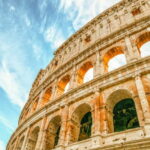
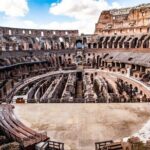
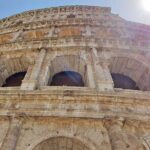
Inside the Colosseum, the experience changes fast depending on what you know going in. With a good guide, you stop seeing a big oval and start seeing a machine: access points, crowd flow, and the way spaces were used.
This tour’s guides have a strong track record for making the structure click. People mention guides like Nicoletta and Rita for deep, story-driven explanations, and Barbara for making the inside feel fun even in hot sun.
What you can take away during that first hour:
- How the Colosseum was built and how it worked during its heyday.
- What different sections were for, so the site feels organized instead of random.
- Why the Colosseum is more than a photo spot; it’s a key to understanding how power and entertainment blended in ancient Rome.
Possible drawback: one hour isn’t enough to read every inscription, photograph every arch, or linger at every viewpoint. It’s designed for highlights and understanding. If you love slow museum-style visits, you may want extra time on your own after the tour ends.
Stop 2: Roman Forum in 30 minutes without losing the plot
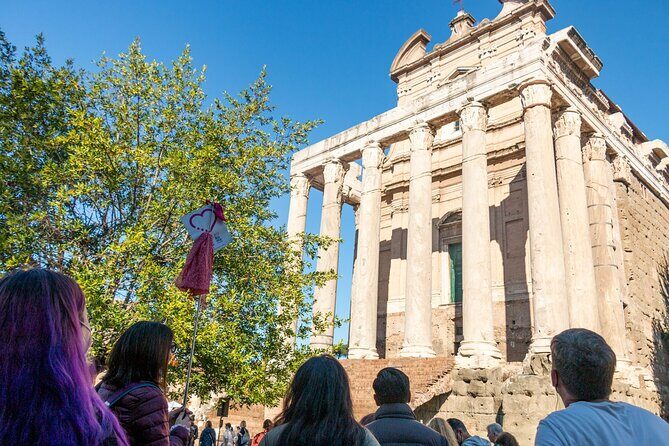
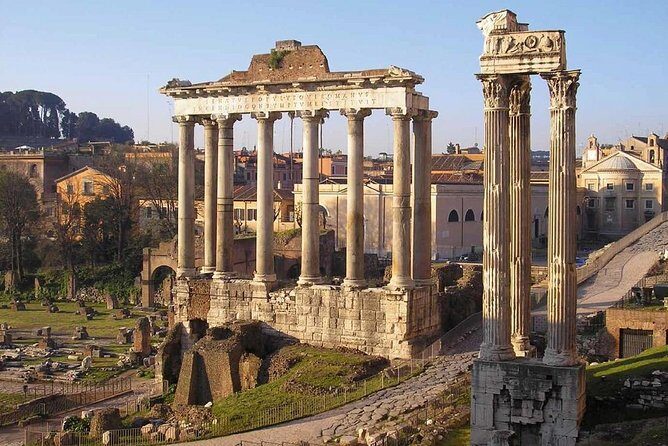
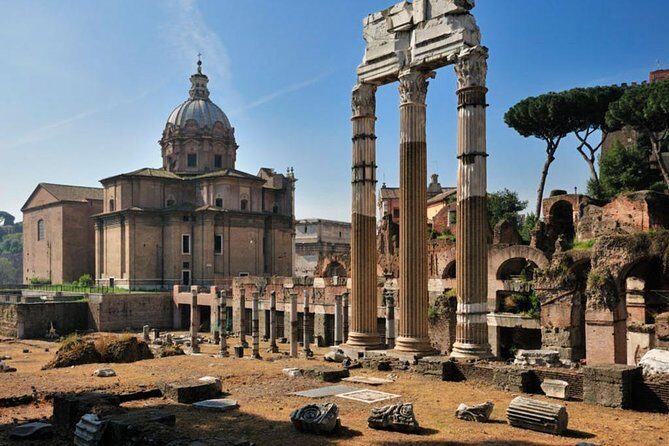
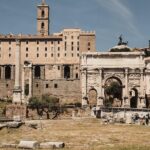
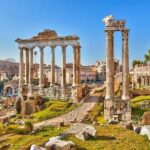
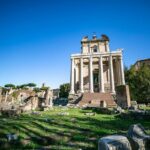
The Roman Forum is where Rome stops being ancient “background scenery” and turns into a place where politics, public life, and everyday power were physically concentrated.
Your Forum time is about 30 minutes. That’s short, but it’s also honest. The Forum is enormous and can be exhausting to explore slowly—especially when you’re also going to Palatine Hill afterward. The guide’s job here is to give you the big story quickly and point out where the key spaces sit relative to you.
What makes this stop work is the framing. A good guide doesn’t just list famous names; they help you understand how a cluster of buildings became a stage for public decisions and social status. In practical terms, that means you learn what to look for while you’re walking instead of guessing after the fact.
Also, this is where the walking and stair energy usually ramps up. The Forum involves climbing and uneven terrain in places, so comfortable shoes aren’t optional.
Other Palatine Hill tours we've reviewed
Stop 3: Palatine Hill viewpoints and the Seven Hills connection
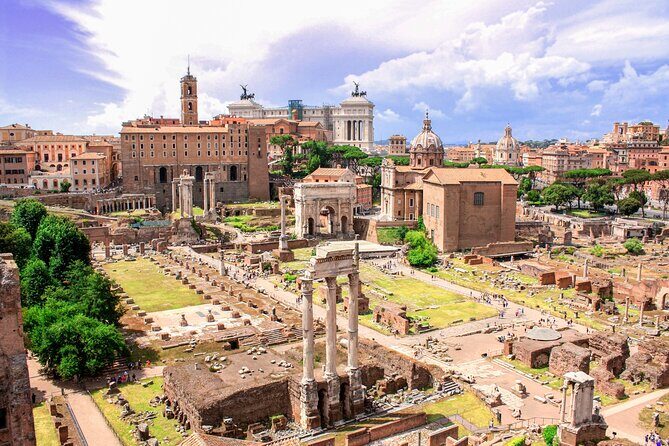
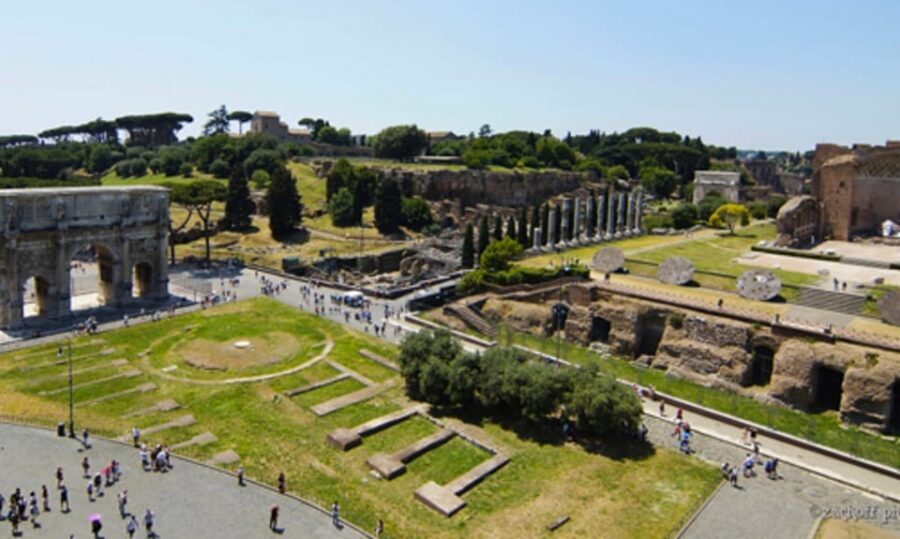
Palatine Hill is often where the “wait, Rome is really laid out like a city” feeling shows up. It’s one of the most ancient parts of Rome and sits above the Forum, with views over major surrounding areas.
Your Palatine stop is about 30 minutes. That time works best if you use it for two things:
1) learning the story the guide is connecting to where you’re standing, and
2) stepping into viewpoints so the heights make sense.
Guides are known for explaining how Palatine relates to the wider city grid and why this hill mattered long before later empires grew around it. Even with limited time, this stop helps you “place” the Forum in a bigger picture, because Palatine overlooks the areas you just walked through.
The heat and sun can be tough here. There isn’t much shade depending on where you pause, so you’ll want to hydrate as you go. If you only remember one tip: bring water and refill when you can.
Arch of Constantine: a quick, satisfying included stop
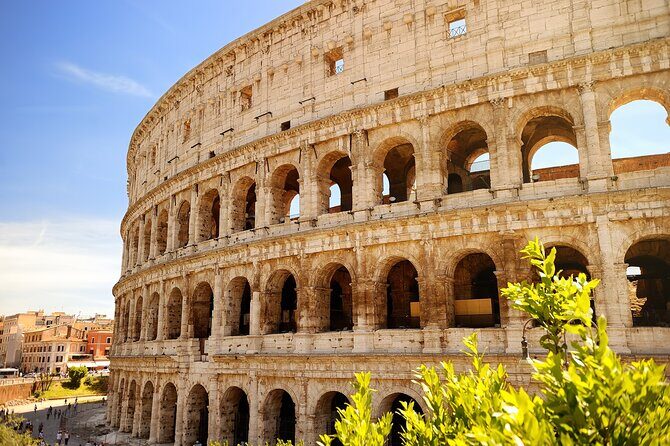
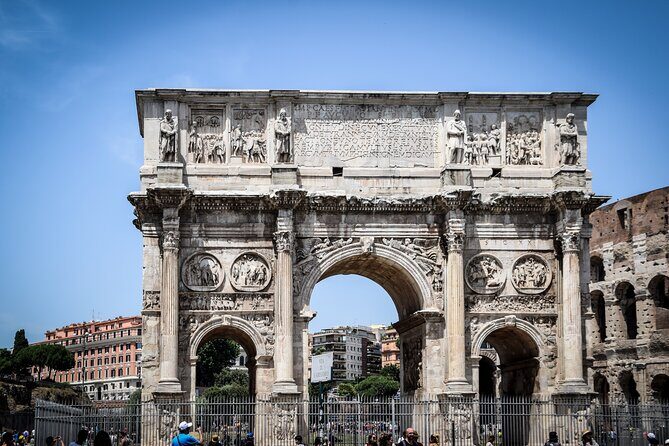
After Palatine, you’ll also see the Arch of Constantine. This part is straightforward: the Arch is included and it doesn’t require an extra ticket.
Think of it as a shortcut to understanding how Rome later used monumental architecture to send political messages. You’re not spending hours here, but you’re not skipping something important either. It’s a nice “wrap-up” moment because it visually ties into the larger theme of how the city advertised power through stone.
Pickup and meeting point: the part that trips people up
This is one of those tours where the sightseeing is great, but your day still depends on logistics working smoothly.
You can add hotel pickup if your hotel is covered. If you choose pickup, plan to be ready 45 minutes before departure in the hotel lobby. For non-central hotels, it’s 60 minutes. If your hotel isn’t covered, you’ll meet at the tour’s meeting point on your own.
Your meeting point is:
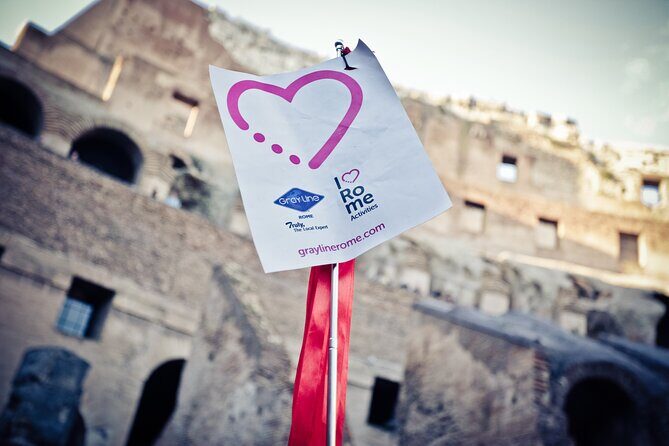
Colle Oppio Park, Via delle Terme di Tito (corner of Via Nicola Salvi), inside the park. Be there about 15 minutes early, and look for staff carrying an I Love Rome logo.
If you’re tight on time (like a cruise day), this is the detail to respect. One schedule change can affect your whole day plan, so keep an eye on your confirmation details and any updates you receive before you go.
Price: what you’re really paying for at about $122.82
At $122.82 per person, you’re paying for a packed, guided route rather than paying separately for each site and spending your own time stitching the day together.
Here’s the value logic based on what’s included:
- Colosseum admission ticket and a Colosseum reservation fee are included (they list €18 for the ticket and €2 for the reservation fee).
- You’re also paying for the guided interpretation across Colosseum, the Forum, and Palatine.
- You get wireless headsets, which isn’t just a convenience—it’s what lets you understand the guide while you’re moving.
The other entrance costs beyond the itemized Colosseum fees are covered in the package price. Practically, that means you arrive less stressed and spend more time learning and less time figuring out paperwork or timing.
If you were doing these sites on your own, the “saved time” component alone can make the guided option feel fair—especially if you’re not fluent in ticketing logistics or you don’t want to plan for security-line unpredictability.
Timing and pacing: afternoon starts and why they can work
Tour start times are set daily:
- High season (April 1 to October 26, 2025): 2:30 pm
- Low season (Oct 27 to March 31, 2026): 1:30 pm
This timing can be a win if you’re doing other morning plans and you want to hit the ancient core in the afternoon. It can also be a heat test in summer, so go in with eyes open.
The structure—about one hour at the Colosseum, then shorter stops—keeps the day from sprawling. But it also means you won’t linger like you would in a full-day self-guided visit.
Walking, stairs, and security: plan like you mean it
Let’s be honest: this tour is for people who can handle lots of walking and some climbing, especially in the Roman Forum. You’ll want:
- comfortable footwear with good grip
- lightweight clothing (and a plan for sun)
- a small way to carry essentials without bringing anything bulky
Weather-wise, the tour goes ahead even if it’s hot or rainy. That means you should pack like Rome will be Rome: unpredictable comfort, intense sun, and uneven surfaces.
Security rules at the Colosseum are strict. Don’t bring bulky bags, trolleys, or backpacks. Also bring your passport or ID card, and make sure it matches the full names provided at booking.
Which guide style will fit you best?
One of the best parts of this type of tour is that the guide really shapes the experience. In the past, people praised guides like Alessandra for engaging families, including kids, and praised others like Lina and Nicoletta for strong passion and clarity.
So think about your travel style:
- If you want stories, explanations, and a sense of what you’re looking at, this tour suits you.
- If you want a quiet roam with no talking, you might find guided structure limiting.
- If you’re traveling with kids who need interaction, you’ll likely appreciate that some guides actively keep young ones engaged (Alessandra is specifically mentioned for this).
Who should book this tour, and who should add time on your own
Book it if you:
- want the big ancient highlights in one go
- like guided context instead of guessing
- value a small group and headsets
- care about doing the Colosseum properly, with inside time
Consider adding your own extra time if:
- you want to read more slowly
- you’re a serious architecture buff
- you want more shade breaks than the schedule allows
Also, if you’re the kind of person who hates schedules changing last minute, build in buffer time. One unhappy experience tied to a moved tour time shows that timing can matter for tight plans. You might not face that issue, but you should still protect yourself with extra flexibility.
Should you book this small-group tour?
I’d book it if your goal is to understand the Colosseum complex and the Forum area without spending your entire day figuring out logistics. The small-group cap, the headset system, and the way the stops are timed make it a solid value for most first-timers.
Skip it only if you strongly prefer independent pacing, or if your mobility is limited. The tour involves stairs and a lot of walking, and the Colosseum security process can add pressure to your arrival plan.
If you go in prepared—good shoes, water, ID on hand—you’ll come away with Rome’s ancient center feeling connected, not like three separate ticketed stops.