REVIEW · ROME
Exclusive Colosseum Underground & Roman Forum tour (Max 6 Guests)
Book on Viator →Operated by Walks Inside Rome · Bookable on Viator
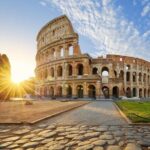
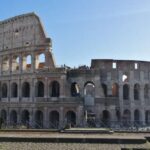
Rome has a whole second layer. This small-group Colosseum Underground and Roman Forum tour is built for timed entry and an included Colosseum ticket, so you spend your energy learning and looking, not waiting. With a max group size of six, you also get a more personal guide-led experience through the heart of Ancient Rome.
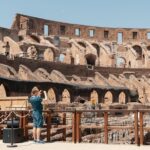
I especially like two things: first, the chance to see the Colosseum from higher up for a clear spectator’s perspective, not just the famous floor-level shots. Second, the underground segment—when run smoothly—turns the building from a monument into a working machine, with holding chambers and lifts that connect directly to how the arena functioned. One potential drawback to plan around: Underground rules can limit real-time translation, so the English experience you expect may partially shift while you’re below ground.
In This Review
- Key things to know before you go
- Price and value: is $210.72 worth it?
- Meeting point and your biggest early-morning habit
- Entering the Colosseum: the view that changes how you see it
- The underground section: lifts, holding chambers, and a key rule
- Arch of Constantine: a short stop with strong impact
- Roman Forum: where politics, scandal, and power all collide
- Palatine Hill view: a quick payoff after the Forum
- Small group size: why max 6 actually matters
- Guide quality: when stories turn into understanding
- Timing and pacing: a 3-hour plan that avoids the worst Rome problem
- Tickets and what you must bring for entry
- Weather and comfort: simple planning helps a lot
- Who this tour is best for
- Should you book this Colosseum Underground & Roman Forum tour?
- FAQ
- Does this tour include the Colosseum Underground?
- What tickets are included?
- Is this really an English tour?
- How big is the group?
- Where do you meet and where does the tour end?
- What ID do I need for entry?
- What if the weather is bad?
Key things to know before you go
- Timed entry with included tickets means fewer delays at the Colosseum and Roman Forum.
- Max 6 guests gives you space to hear the guide and ask questions (more on this later).
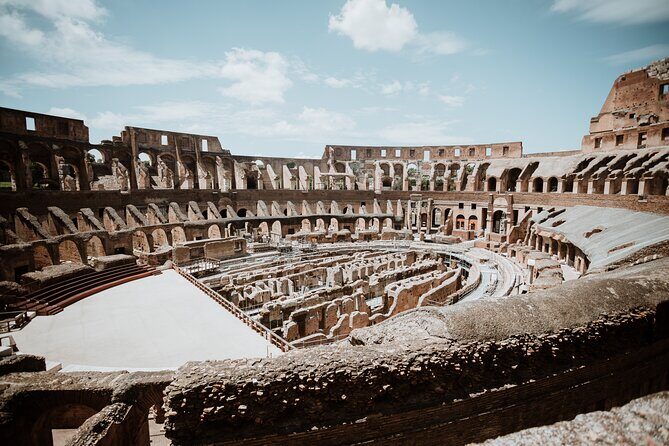
- Upper-level viewing helps you understand how spectators actually saw the action.
- Underground access is part of the ticket and focuses on chambers and lifts.
- Stop rhythm is tight: Colosseum, then Arch of Constantine, then Roman Forum, plus a quick Palatine Hill view.
- Entry names matter: you must provide full names and match them to the passport/ID you bring.
Price and value: is $210.72 worth it?
At $210.72 per person for roughly 3 hours, you’re paying for two things that matter in Rome: time and access. This tour bundles the Colosseum experience with included entry and guided coverage, plus it continues to the Roman Forum within the same outing.
If you’ve ever tried to piece together timed tickets on your own, you know the stress: matching time slots, figuring out which line is the correct one, and hoping you’re at the right checkpoint. Here, the value is that you’re handed a structure—Colosseum first, then forum sites—so your day stays coherent rather than a scavenger hunt.
The price also starts to make more sense once you factor in the Underground component. That part is often the hardest to arrange and the easiest to misunderstand, because the Colosseum has specific regulations for who leads what below ground.
Other Roman Forum tours we've reviewed
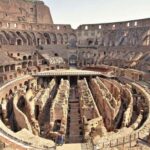
Meeting point and your biggest early-morning habit
You start at Piazza del Colosseo (Colosseum area) at 9:30 am, and the tour ends at the Roman Forum area. That routing is helpful: you’re not fighting Rome’s streets mid-tour, and you finish where most people want to keep exploring.
The practical habit: arrive early. One common problem with tours in this zone is simple meeting-point confusion—more addresses than you expect, and crowds swirling around the same landmarks. Even with a small group, the time you save on paper can disappear if you’re hunting for the correct guide in the wrong doorway.
Also, plan on using your provided meeting information carefully. This kind of tour lives or dies by getting the group together quickly, because the Colosseum entry window is time-based.
Entering the Colosseum: the view that changes how you see it
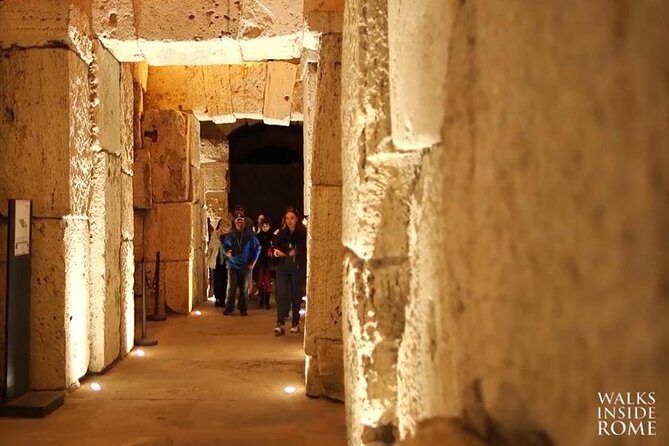
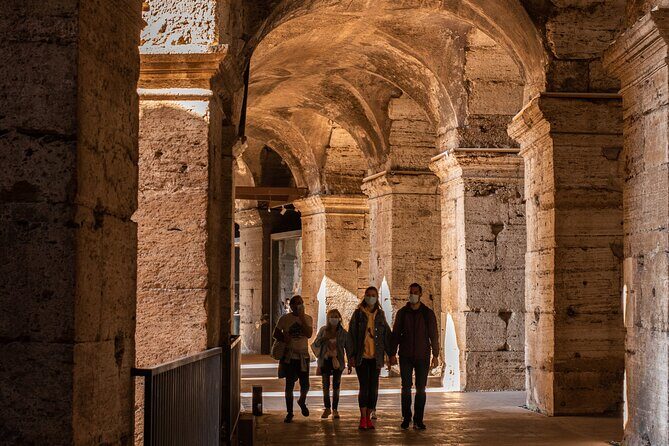
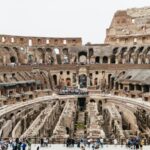
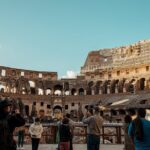
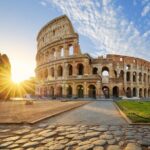
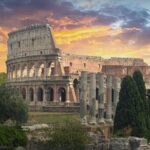
The tour begins with you standing in the epicentre of Ancient Rome before entering the amphitheater. That short staging moment matters because the Colosseum doesn’t feel real until you understand the scale and the placement in the city.
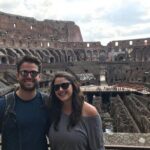
Once inside, you’re not just shown photos or a quick walk-by. You’ll get guided storytelling about gladiators and the senatorial spectators, then you move into the practical architecture of how the building worked.
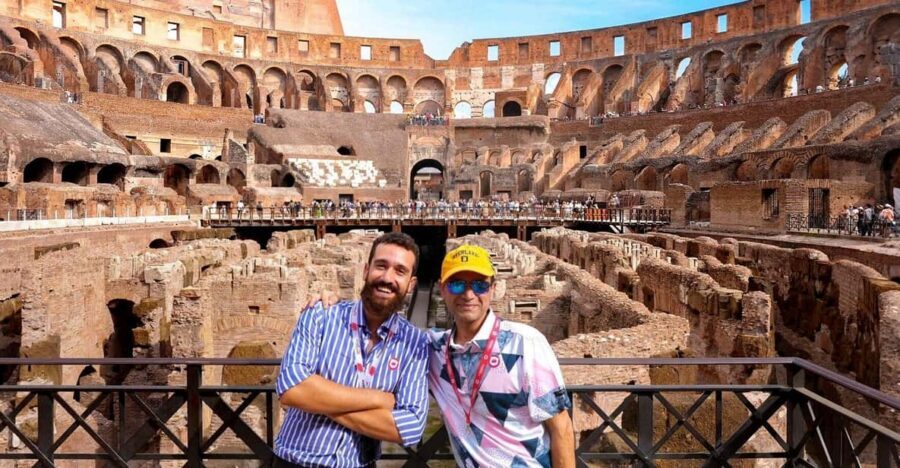
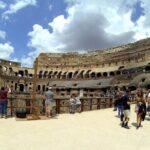
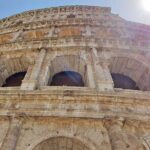
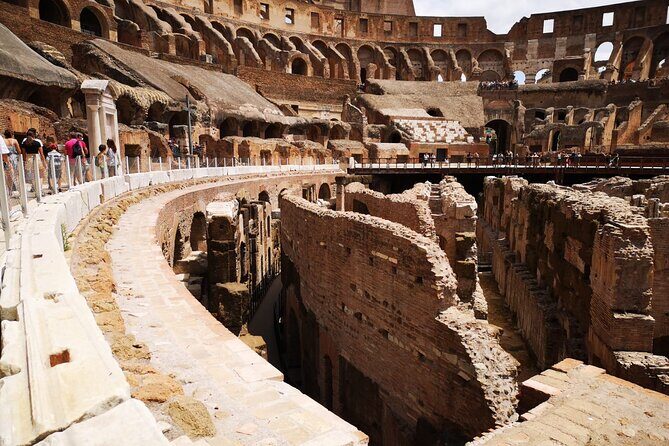
One of the best parts here is the emphasis on upper levels. When you look down from higher up, the Colosseum stops being a single dramatic object and starts being a crowd machine: sightlines, rhythm, and how people would have experienced noise, movement, and spectacle.
The underground section: lifts, holding chambers, and a key rule
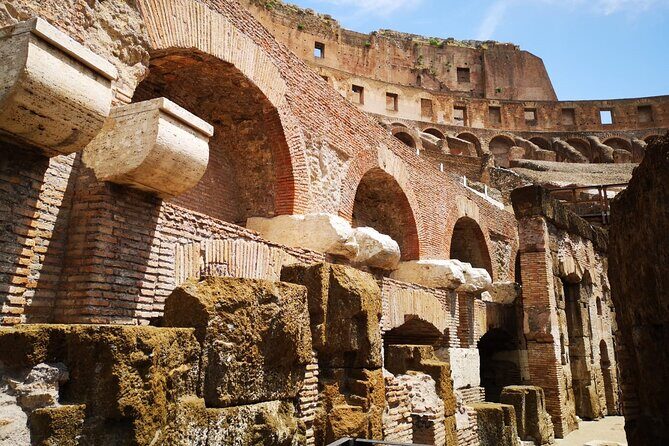
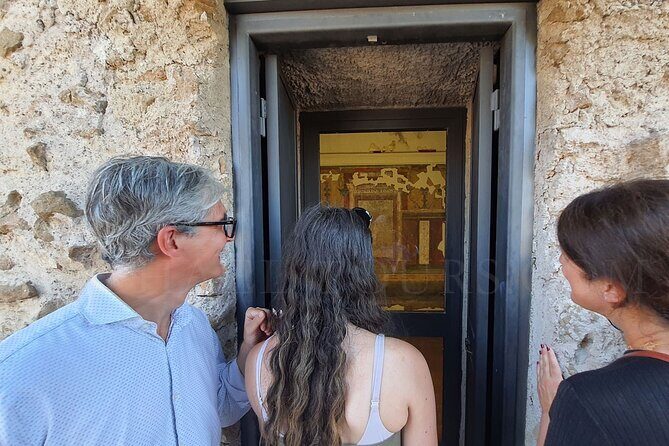
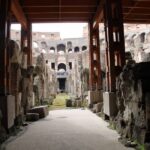
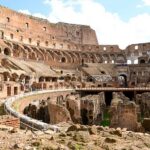
This is the signature feature: after exploring the main Colosseum area and learning the context, you descend into the Colosseum Underground. Expect a guided focus on the holding chambers and the lifts that carried performers to the arena floor.
Now the important heads-up. Underground access follows Colosseum regulations, and those rules can affect language on the ground. In at least one experience, the English-speaking guide was not allowed to translate during the underground portion, while an official Colosseum chaperone led the segment in Italian. In the best version of the experience, you get pre- and post-clarification plus time to take pictures below ground; in the frustrating version, the underground is still the highlight, but the English narration can be thinner than you hoped.
So here’s how to set yourself up: treat the Underground as a visual, structured experience first, and the language as the secondary layer. If you’re relying on every word for meaning, this is the part to take seriously when deciding whether the tour matches your expectations.
Arch of Constantine: a short stop with strong impact
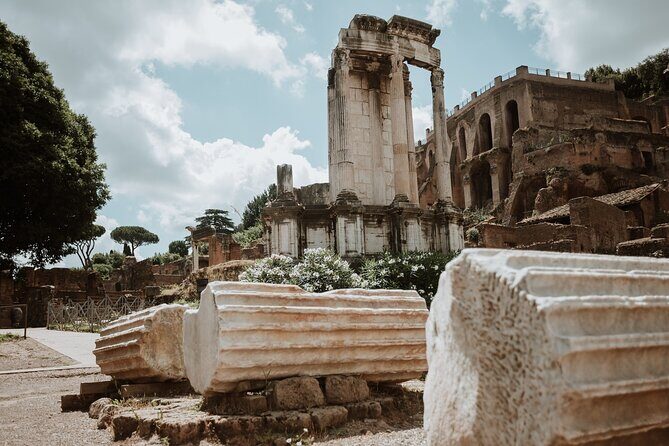
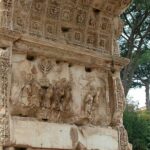
After the Colosseum, the tour shifts to the Arch of Constantine. It’s a quick 15-minute stop, but the payoff is that you’re standing in a spotlight location—one of Rome’s best-known triumphal arches—while your guide adds meaning.
A short stop like this is intentional. It keeps the momentum without overloading you right after the Colosseum’s intensity. You get a reset point and a change of scenery before heading into the Roman Forum, where the stories can get dense fast.
Also, because the Arch stop is admission-free on this itinerary, it’s more about interpretation than paperwork. That’s a nice relief when you’ve already handled tickets and checkpoints earlier.
Other Colosseum Underground & Forum combo tours
Roman Forum: where politics, scandal, and power all collide
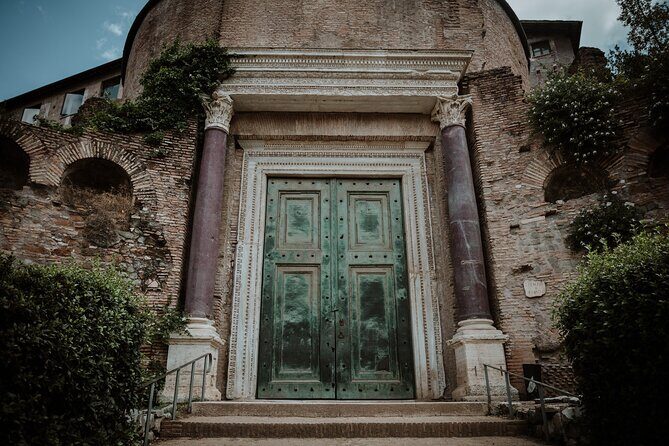
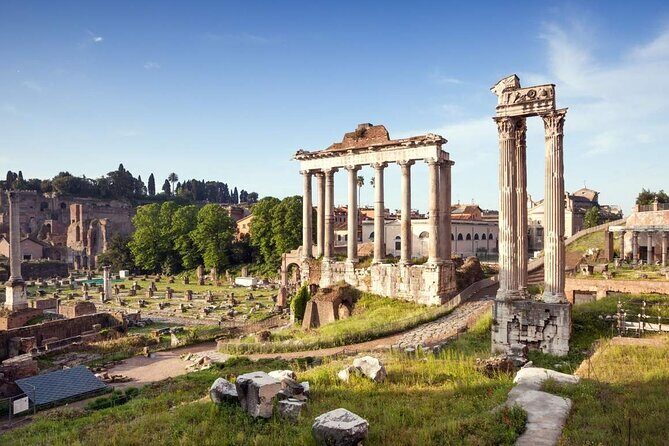
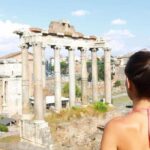
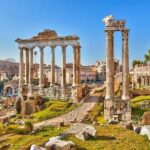
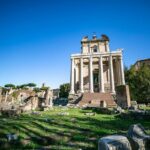
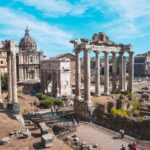
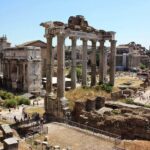
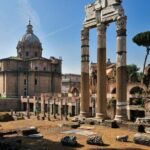
Next you move into the Roman Forum for about an hour. This is the heart of what most people imagine when they think of Ancient Rome: business, scandal, intrigue, and the Senate’s decision-making in one complex of ruins.
The tour approach here is to give you context so the jumble of stones makes sense. You’ll hear how the Forum connects to major events and rituals, including details like Caesar’s cremation and triumph processions by victorious generals.
The Forum can be overwhelming if you’re walking it alone. The value of guided time is that you learn what to look for and why each area mattered. With an organized route, you also avoid that common trap of wandering randomly and missing the bigger picture.
Palatine Hill view: a quick payoff after the Forum
After the Roman Forum segment, you get a brief 15-minute stop at Palatine Hill. Think of it as a view moment—often the kind of spot that helps you understand why the Romans chose to build where they did.
This stop works well as a bookend. You’ve just spent time in the Forum as the action-and-politics centre, and now you look toward the cradle of Roman civilization for perspective. Even in a short window, that shift in viewpoint can make the whole day click.
Small group size: why max 6 actually matters
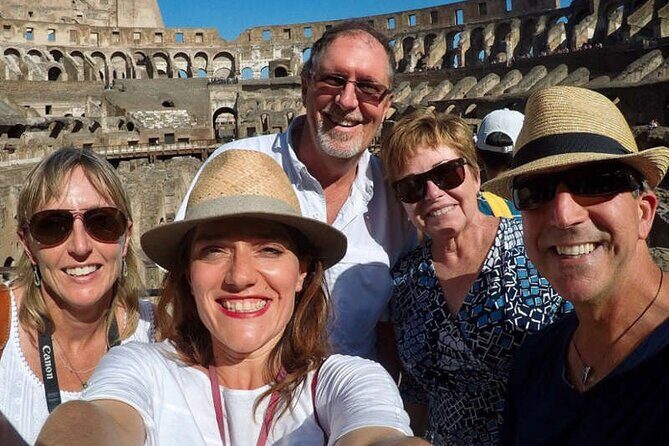
This tour caps at 6 travelers, and you feel that right away. With fewer people, the guide can keep an eye on the group, adjust pace, and handle the natural bottleneck moments that happen around monuments.
Small groups also change the listening experience. One issue that came up in a different experience was that the guide didn’t use a headset, which made it harder to hear when crowds were noisy. With only a handful of people, you may still manage fine without headsets, but it’s smart to know the system might rely on you staying close enough.
If you care about interaction—asking questions, checking details, not just absorbing blurbs—this size is a real advantage in Rome’s busiest sites.
Guide quality: when stories turn into understanding
The Underground and Forum both depend heavily on your guide’s ability to connect facts to what you’re seeing. This tour promises that deeper Roman-life context, and the signal from past experiences is strong.
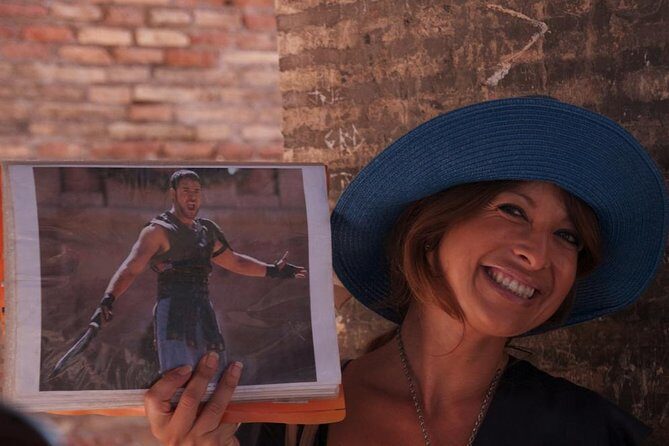
One specific guide name that’s been highlighted is Elena. The positive feedback around her focused on being both engaging and deeply informed, with an archaeology background that makes the site feel less like trivia and more like human history.
Even if your guide isn’t Elena, the key idea is the same: you want someone who can point to why a space mattered and how it was used. On a tour like this, that’s the difference between collecting stamps and building real understanding of the place.
Timing and pacing: a 3-hour plan that avoids the worst Rome problem
This is a short tour by Rome standards—about 3 hours—and that helps. You cover major sites in a concentrated window: Colosseum first, then Arch of Constantine, then Roman Forum, finishing with Palatine Hill.
The upside is focus. The downside is that you’ll be moving, and you won’t have long unstructured time for wandering. If you love to linger in every corner with no schedule, this format might feel tight. If you prefer a guided route that keeps the day efficient, it’s a good fit.
Tickets and what you must bring for entry
This experience uses a mobile ticket, and it’s crucial that your documents match what’s provided at booking. You’ll need to submit full names for all travelers, and each person must present a valid passport or ID document that matches those names.
This matters because entry can be denied if the names don’t line up. That’s not a “small risk” item—it’s the kind of paperwork mistake that can turn a great morning into a scramble.
So before you leave for the tour, do the boring thing: double-check spelling on the names you provided and confirm your passport/ID is the same person with the same name.
Weather and comfort: simple planning helps a lot
The tour requires good weather. Rome in daylight can be hot and loud, and these sites aren’t places where you can duck away for comfort easily.
If you’re sensitive to heat, plan your day around the start time, bring water, and wear shoes you can walk in confidently. The itinerary is not long on paper, but stone sites are uneven and you’ll be on your feet for most of it.
Who this tour is best for
This is a strong choice if you want:
- a guided, structured plan across Colosseum and Forum
- Underground access without having to build your own logistics
- a small group day that feels calmer than the big-bus reality
It may be less ideal if:
- you need full English translation during the Underground segment no matter what
- you’re the type who gets frustrated by strict museum rules and small-plan changes
- you’re traveling with very tight timing buffers and can’t handle minor delays if a meeting-point mix-up happens
Should you book this Colosseum Underground & Roman Forum tour?
I’d book it if you want a guided, efficient way to experience the Colosseum Underground plus the Roman Forum in one morning, with tickets included and a genuinely small group size. The upper-level look plus the behind-the-scenes Underground layout can turn the Colosseum from a famous photo spot into a place with real function.
I’d think twice if you’re expecting a perfectly consistent English narration while below ground, because Underground regulations can change how interpretation is handled. In that case, treat the Underground as a visual, structured experience first and the translation second.
If you go, keep it simple: arrive early, bring the right passport/ID, and be ready for a high-impact 3-hour route where the guide does most of the work of making sense of the ruins.
FAQ
Does this tour include the Colosseum Underground?
Yes. The Colosseum segment includes time to descend into the Underground area, and it’s part of what’s covered on the tour.
What tickets are included?
The Colosseum admission ticket and the Roman Forum admission ticket are included as part of the tour. Admission to the Arch of Constantine and Palatine Hill stops is listed as free on the itinerary.
Is this really an English tour?
The tour is offered in English.
How big is the group?
The maximum group size is 6 travelers.
Where do you meet and where does the tour end?
You meet at Colosseum Piazza del Colosseo, 1a, 00184 Roma RM, Italy. The tour ends at the Roman Forum area (00186 Rome, Metropolitan City of Rome Capital, Italy).
What ID do I need for entry?
You must present a valid passport or ID document that matches the full name provided at booking.
What if the weather is bad?
This experience requires good weather. If it’s canceled due to poor weather, you’ll be offered a different date or a full refund.